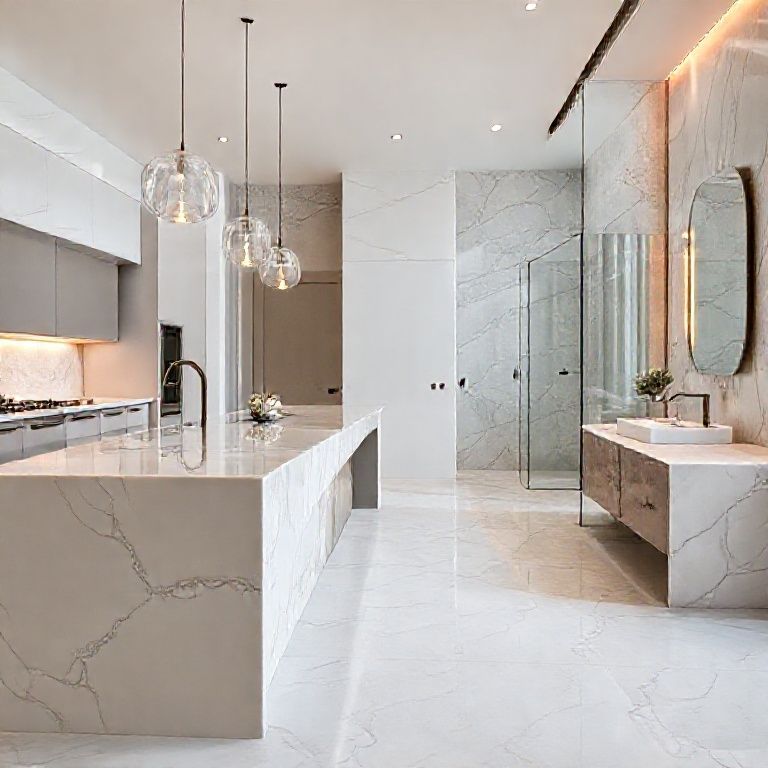
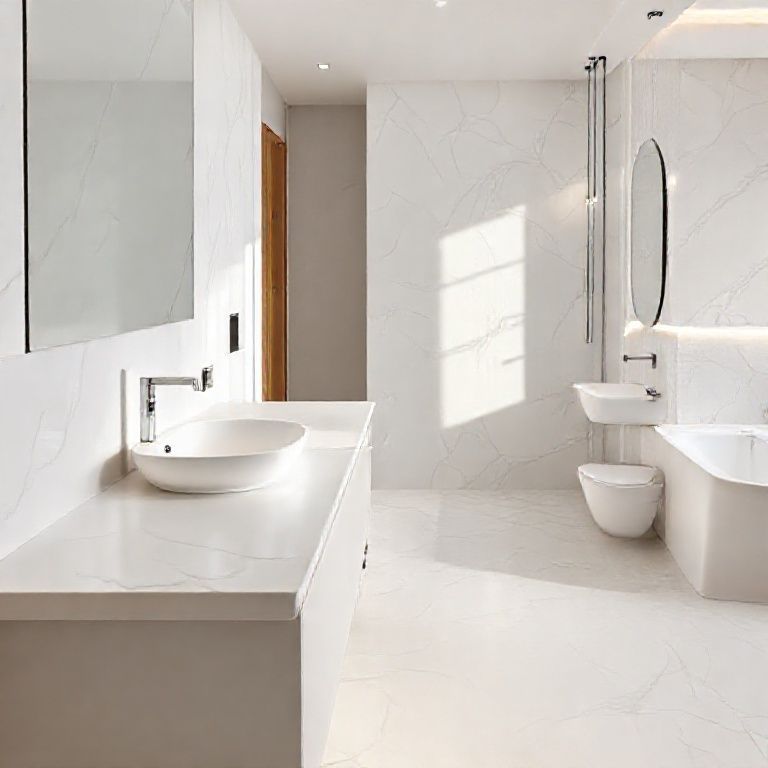
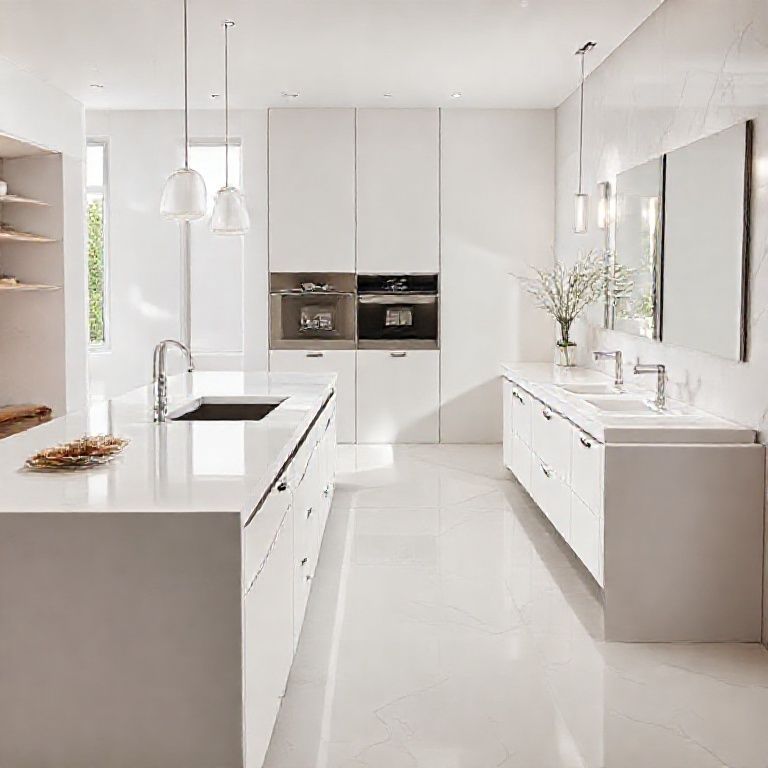
Discover the perfect kitchen countertop thickness with our comprehensive guide on natural stone. We explore the ideal thickness for rock slabs, the benefits of selecting the right thickness, and how to enhance both durability and aesthetic appeal. Dive into the world of high-quality kitchen design with our in-depth analysis.
kitchen countertop thickness, natural stone, rock slabs, durability, aesthetics, kitchen design, countertop selection, kitchen renovation, countertop materials
The Ultimate Guide to Kitchen Countertop Thickness: Ensuring Durability and Aesthetics with Natural Stone
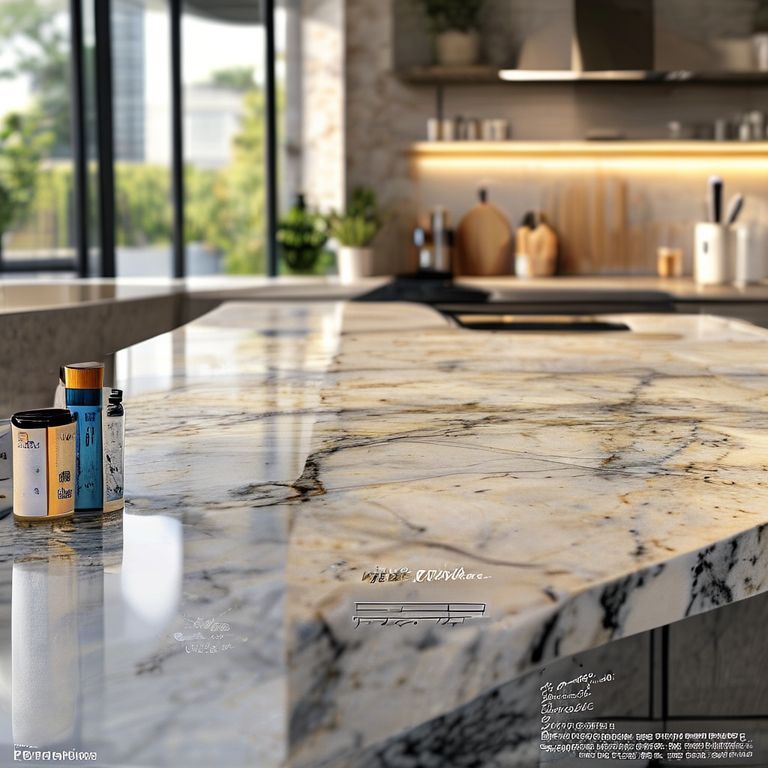
When it comes to kitchen design, the countertop is one of the most important elements. It’s not just a surface for food preparation but also a focal point that enhances the overall aesthetic of the kitchen. Among various materials, natural stone has been a popular choice due to its timeless beauty and durability. However, one critical aspect often overlooked is the thickness of the kitchen countertop. Whether you’re considering granite, marble, or quartz, knowing the right thickness for your kitchen countertop is essential for both functionality and style. This guide will delve into why the right thickness matters and how to select the perfect rock slab for your kitchen.
Understanding the Importance of Countertop Thickness
The thickness of a kitchen countertop plays a crucial role in its overall performance and longevity. The right thickness ensures that the countertop can withstand daily wear and tear while maintaining its structural integrity. Let’s break down some key reasons why countertop thickness is essential:
Durability and Strength: Granite: Typically, granite countertops are available in thicknesses ranging from 1.5 inches to 2.5 inches. A thicker granite slab (2 inches or more) is more durable and can better withstand heavy usage, such as cutting boards or heavy pots and pans. Marble: Marble is softer and more susceptible to scratches and chips. It’s generally recommended to opt for marble slabs that are at least 2 inches thick to provide a buffer that reduces the risk of damage. Quartz: Quartz is a composite material made from 90% natural stone and 10% resin. It’s highly durable and can be available in thicknesses from 1 inch to 2 inches. A 1.5-inch thick quartz slab offers a good balance of strength and weight. Weight Consideration: Heavier slabs, such as those 2 inches thick or more, might require additional support under the countertop. This is particularly important for kitchen islands or larger countertops to prevent sagging over time. Aesthetic Appeal: Thickness can also influence the visual appeal of your kitchen. Thicker countertops tend to have a more substantial and robust look, which can complement a traditional or rustic kitchen design. Conversely, thinner slabs (around 1 inch) may provide a sleek, modern look.
Choosing the Right Thickness for Your Natural Stone Countertop
Selecting the right thickness for your natural stone countertop involves balancing durability, weight, and aesthetics with your specific kitchen design needs. Here are some guidelines to help you make an informed decision:
Daily Usage: Consider how often your kitchen will be used and the types of activities that will take place on the countertop. High-traffic areas, like breakfast bars or communal dining spaces, benefit from thicker, more durable slabs. Countertop Style: If you’re going for a minimalist or contemporary look, thinner slabs (1 to 1.5 inches) might be more appropriate. For a more traditional or rustic style, thicker slabs (2 inches or more) will add to the grandeur and durability. Weight Distribution: For larger countertops or kitchen islands, a thicker slab (2 inches or more) will help distribute weight evenly and prevent sagging. For smaller, lighter countertops, a 1.5-inch slab might suffice. Support Structure: Ensure that your kitchen has adequate support structures to hold the countertop. This includes cabinetry underneath and possibly additional support for larger slabs.
Installation Tips for Optimal Countertop Thickness
Proper installation is key to ensuring that your natural stone countertop performs optimally over time. Here are some essential tips for installing your chosen thickness:
Professional Installation: It’s always best to hire a professional installer for natural stone countertops. They have the expertise and tools to ensure that the countertop is installed correctly, which is crucial for maintaining the right thickness and preventing issues like sagging or damage. Sealing and Maintenance: Regardless of the thickness, all natural stone countertops need to be sealed to protect against stains and spills. Regular maintenance is essential to keep the countertop looking its best and to extend its lifespan. Weight and Stability: Ensure that the countertop is stable and does not wobble. If it does, it may be an indication that the support structure isn’t adequate for the thickness of the slab. Avoid Overloading: While thicker slabs are generally more durable, they can still be susceptible to damage if overloaded. Avoid placing heavy items on the countertop for extended periods.
Conclusion
Choosing the right thickness for your kitchen countertop is a decision that impacts both the functionality and aesthetics of your kitchen. Natural stone countertops offer unmatched beauty and durability, but selecting the correct thickness is key to ensuring they perform well over time. By considering factors like daily usage, countertop style, weight distribution, and professional installation, you can make an informed decision that will enhance both the look and longevity of your kitchen.
In the next part of this guide, we will explore more specific recommendations for different types of natural stone countertops and how to maintain their thickness for optimal performance.
Ensuring Optimal Performance: Detailed Recommendations for Natural Stone Kitchen Countertop Thickness
In the previous section, we explored the importance of selecting the right thickness for natural stone kitchen countertops and provided some general guidelines. Now, let’s delve deeper into specific recommendations for different types of natural stone, and how to maintain their thickness to ensure optimal performance and longevity.
Specific Recommendations for Different Types of Natural Stone
Granite Countertops: Recommended Thickness: 1.5 inches to 2.5 inches. Durability: Granite is one of the hardest natural stones available, making it highly durable. For everyday use, a 1.5-inch slab is sufficient. However, for high-traffic areas or heavy usage, opting for a 2-inch slab can provide additional durability and resistance to wear and tear. Installation: Ensure that the granite slab is well-supported underneath to prevent any sagging. Granite also benefits from professional sealing to protect against stains and spills. Marble Countertops: Recommended Thickness: 2 inches. Durability: Marble is softer than granite and more prone to scratches and chips. A thicker marble slab (2 inches) provides a buffer that reduces the risk of damage. Installation: Marble countertops need to be installed on a sturdy support structure to maintain their thickness and prevent sagging. It’s also important to seal marble to protect against acidic spills, which can cause etching. Quartz Countertops: Recommended Thickness: 1.5 inches. Durability: Quartz is a composite material that is both durable and lightweight. A 1.5-inch slab provides a good balance of strength and weight, making it suitable for most kitchen layouts. Installation: Quartz slabs are generally easier to install due to their lightweight nature. However, ensure that the installation supports the countertop evenly to prevent any sagging.
Maintaining the Thickness of Your Natural Stone Countertop
While the thickness of your natural stone countertop is crucial for its performance, maintaining that thickness over time is equally important. Here are some tips to help you keep your countertop looking and functioning its best:
Regular Cleaning: Clean your countertop regularly with a soft cloth and a mild soap solution. Avoid using abrasive cleaners or sponges that can scratch the surface. Sealing: For natural stone countertops, sealing is essential to protect against stains and spills. Depending on the stone type and usage, you may need to reseal every 6 to 12 months. Always use a sealer recommended for your specific stone type. Avoiding Heavy Items: While thicker slabs are generally more durable, they can still be damaged by heavy items left on the surface for extended periods. Use cutting boards and other heavy items on a separate surface when possible. Professional Maintenance: Periodically, it’s a good idea to have a professional maintenance service check your countertop. They can provide deep cleaning, re-sealing, and make any necessary repairs to ensure the longevity of your countertop. Immediate Spill Management: If a spill occurs, especially acidic ones like juice or coffee, blot it up immediately with a clean cloth and apply a neutralizing agent to prevent etching or staining.
Designing with Natural Stone: Aesthetic and Functional Harmony
When designing your kitchen with natural stone countertops, it’s important to strike a balance between aesthetics and functionality. Here are some tips to help you achieve this harmony:
可以选择与墙壁、橱柜和其他家具相辅相成的颜色。 材质搭配:在选择石材时,也要考虑橱柜、地板和其他材料的搭配。比如,大理石的优雅与木质橱柜可以形成对比,但也能互补。 几何设计: 简洁线条:采用简洁、流畅的设计,避免过于复杂的几何图形,这样不仅美观,还便于清洁和维护。
边缘处理:可以选择光滑的、圆滑的边缘设计,这样不仅减少了清洁难度,还增加了现代感。 功能性: 操作台面:确保操作台面的高度和宽度适合日常使用。通常,台面的高度应为36英寸,宽度应尽量大于36英寸,以提供足够的操作空间。 储物空间:结合石材台面的设计,增加储物柜和抽屉的功能,这样可以有效利用空间,提高厨房的整体实用性。
热和湿度管理: 耐热性:石材需要具有良好的耐热性能,以应对炉灶和烤箱的高温。 防潮性:虽然大多数石材具有一定的防潮性,但在设计时仍需考虑避免长期潮湿环境对石材的影响,以防止霉菌和其他损害。 美观细节: 摆件和装饰:可以在操作台面上摆放一些小的装饰品,比如花瓶、艺术品或小植物,这些细节能为厨房增添美感。
照明:适当的照明能够突出石材的纹理和色彩,提升整体美感。可以考虑在台面下方安装LED灯带,增加现代感。 环保和健康: 无甲醛:选择环保材料,确保石材和其他厨房用品不含有害的甲醛和其他挥发性有机物。 抗菌性:一些高级石材具有天然的抗菌性,可以减少细菌滋生,提高厨房的卫生水平。
通过以上这些细节,你可以设计出既美观又实用的自然石厨房台面。如果有具体的设计需求或者其他问题,欢迎继续提问!