The Art and Science of Marble Polishing Standards
Marble is one of the most coveted materials in the world of interior design and architectural construction, renowned for its natural beauty and elegance. However, to achieve the exquisite finish that marble is known for, it is crucial to adhere to strict “marble polishing standards.” These standards ensure that the marble not only looks stunning but also maintains its durability and longevity.
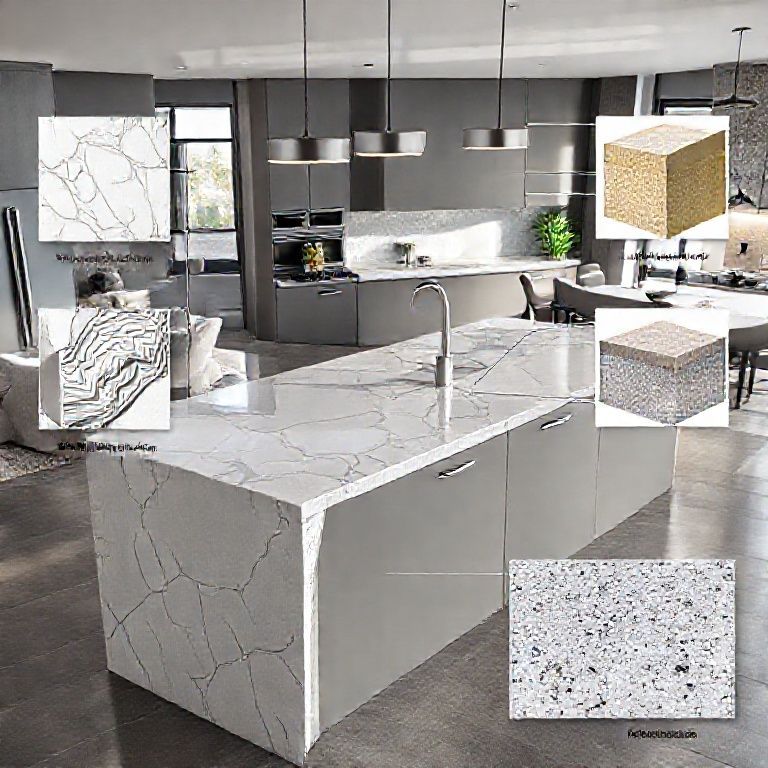
Understanding Marble Polishing Standards
Marble polishing standards encompass a variety of techniques and processes designed to enhance the natural beauty of the marble while protecting its surface. These standards are not just about achieving a shiny finish; they involve a series of steps that take into account the type of marble, its current condition, and the desired outcome. Here’s a detailed look at the key aspects of marble polishing standards:
Material Selection The first step in adhering to marble polishing standards is selecting the right materials. High-quality polishing compounds, pads, and brushes are essential to avoid scratching the marble surface. The choice of material depends on the type of marble being polished, as different stones require different treatments.
Pre-Polishing Preparation Before polishing can begin, the marble surface must be thoroughly cleaned to remove any dirt, grime, or residues from previous treatments. This involves using appropriate cleaning agents that do not damage the marble’s surface. Cleaning removes impurities that could interfere with the polishing process and affect the final outcome.
Assessment and Planning A comprehensive assessment of the marble surface is crucial. This includes identifying any imperfections, such as stains, scratches, or areas of unevenness. A detailed plan is then developed to address these issues systematically. This step is vital for ensuring that the polishing process is tailored to the specific needs of the marble.
Polishing Techniques
Several techniques are employed in marble polishing, each suited to different conditions and desired outcomes. Understanding these techniques is key to meeting marble polishing standards:
Mechanical Polishing Mechanical polishing involves the use of rotary machines equipped with polishing pads and compounds. This method is particularly effective for large surfaces and areas with significant imperfections. The pads are rotated at high speeds, applying consistent pressure to the marble surface, which helps to remove old polish and smooth out the stone.
Hand Polishing Hand polishing is a more delicate and precise method, often used for intricate designs or areas where mechanical polishing might cause damage. This technique requires skilled artisans who use specialized tools and polishing compounds to achieve a flawless finish by hand.
Chemical Polishing Chemical polishing involves the application of chemical agents that react with the marble’s surface to dissolve old polish and smooth the stone. This method is particularly useful for heavily stained or aged marble. The chemical reaction softens the surface, making it easier to polish.
Achieving Perfection
Achieving the perfect polish in marble requires patience, skill, and adherence to high standards. Here’s how the process typically unfolds:
Initial Cleaning The marble surface is cleaned using non-abrasive cleaning agents to remove all dirt and residues. This step is critical to ensure that no impurities interfere with the polishing process.
Polishing Passes The polishing process involves multiple passes with progressively finer polishing compounds. Each pass removes layers of old polish and smooths the surface, gradually revealing the marble’s natural beauty.
Final Inspection After polishing, a thorough inspection is conducted to ensure that the surface is flawless and meets the desired standard. Any imperfections are addressed through additional polishing or spot treatments.
Sealing Once the polishing is complete, the marble surface is sealed to protect it from stains and damage. High-quality sealants are applied to enhance the shine and provide a durable finish.
Ensuring Longevity and Maintenance of Polished Marble
Once marble has undergone the meticulous process of polishing, the next challenge is to maintain its pristine condition over time. Adhering to proper “marble polishing standards” is not just about the initial treatment but also about ongoing care and maintenance.
Understanding Maintenance Requirements
Marble, despite its elegance, is a relatively soft stone that requires careful handling and maintenance. Understanding its maintenance requirements is essential to preserving its beauty and longevity. Here’s what you need to know:
Daily Cleaning Daily cleaning is crucial for marble surfaces. Use a soft cloth or sponge with a mild, non-abrasive cleaning solution to wipe away dirt and spills. Avoid using acidic or alkaline cleaners, as these can damage the marble’s surface.
Immediate Spill Management Marble can be particularly vulnerable to stains from liquids. It is important to clean up spills immediately to prevent stains. Blot the spill with a clean cloth and then wipe the area with a damp cloth to remove any residue.
Avoiding Abrasives Avoid using abrasive cleaners or scrubbers on marble surfaces. These can scratch and damage the stone. Opt for soft cloths and gentle cleaning solutions to maintain the marble’s smooth finish.
Long-Term Preservation
To ensure that polished marble remains in its best condition, long-term preservation strategies are essential:
Regular Cleaning Regular cleaning helps to remove surface dirt and grime, preventing buildup that could lead to stains or damage. Schedule periodic cleaning sessions to keep the marble looking its best.
Professional Maintenance Periodic professional maintenance is recommended to address any minor imperfections and ensure that the marble is polished to its best condition. Professional cleaners have the expertise and equipment to handle marble care effectively.
Sealant Reapplication Over time, the protective sealant on polished marble may wear off, leaving the surface vulnerable to stains and damage. Reapplying a high-quality sealant can help to restore the shine and protect the marble.
Special Considerations for Different Environments
The maintenance requirements for marble can vary depending on its environment. Here are some special considerations for different settings:
Kitchens and Bathrooms Marble in kitchens and bathrooms is exposed to more moisture and heat. It requires more frequent cleaning and maintenance to prevent water stains and discoloration. Use pH-neutral cleaning solutions and ensure proper ventilation to reduce moisture buildup.
Commercial Spaces In high-traffic commercial spaces, marble surfaces are subject to more wear and tear. Regular cleaning and maintenance are essential to keep the marble looking pristine. Consider using protective mats or barriers in areas with heavy foot traffic.
Outdoor Use Outdoor marble surfaces are exposed to the elements, including UV rays, which can cause fading and damage. Use outdoor-grade sealants and avoid exposing marble to direct sunlight for extended periods. Regular cleaning and maintenance are crucial to preserve its appearance.
Conclusion
Achieving the perfect marble polish is an art that requires adherence to stringent “marble polishing standards.” From selecting the right materials to employing precise polishing techniques, every step plays a crucial role in ensuring a flawless finish. Once polished, maintaining marble’s beauty involves regular cleaning, immediate spill management, and periodic professional maintenance. By understanding and following these standards, you can ensure that your marble surfaces remain elegant and durable for years to come.
In the realm of luxury flooring and design, polished marble is a testament to craftsmanship and attention to detail. Adhering to marble polishing standards not only enhances the aesthetic appeal but also preserves the integrity and longevity of this magnificent natural stone.