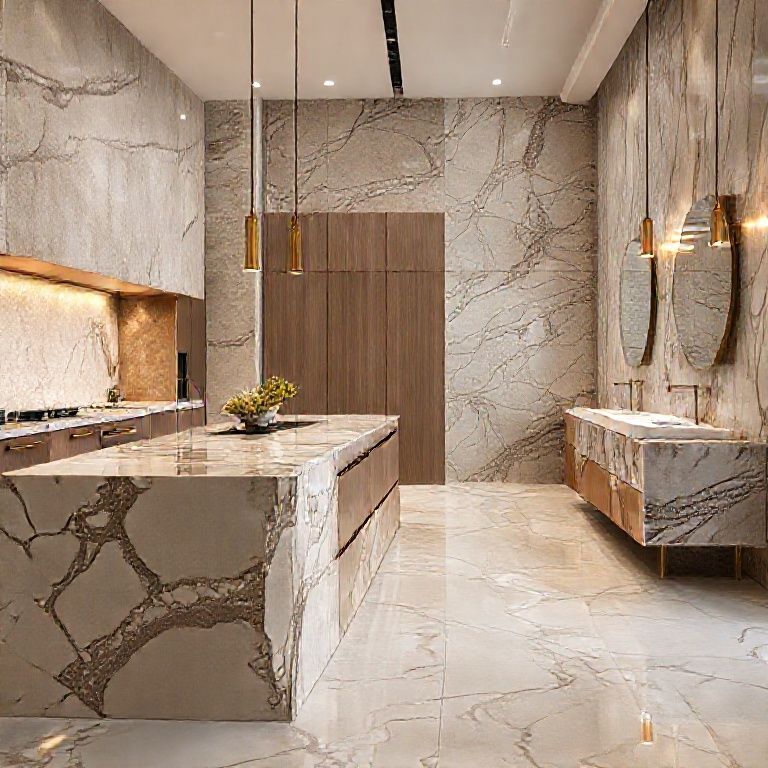
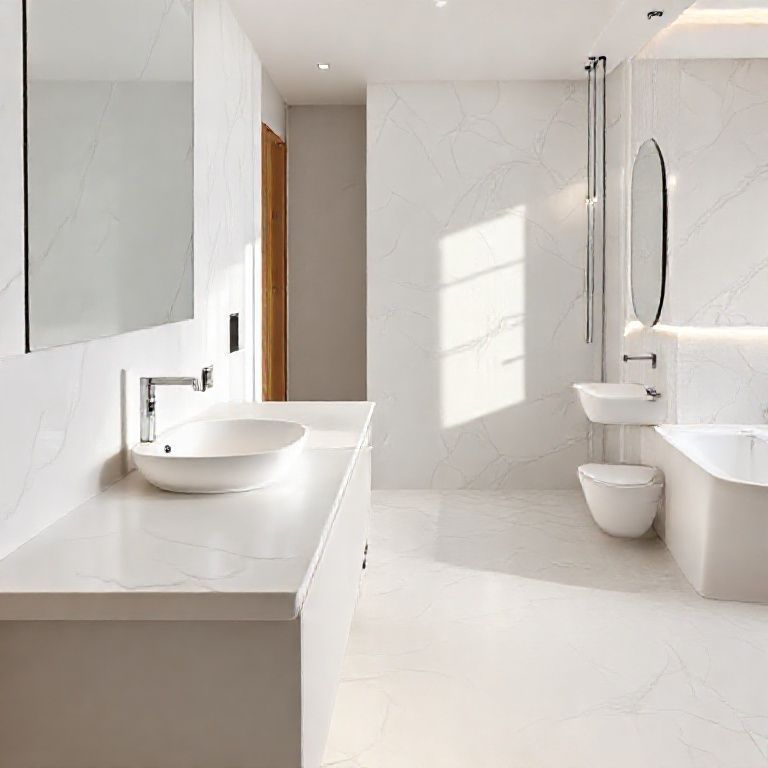
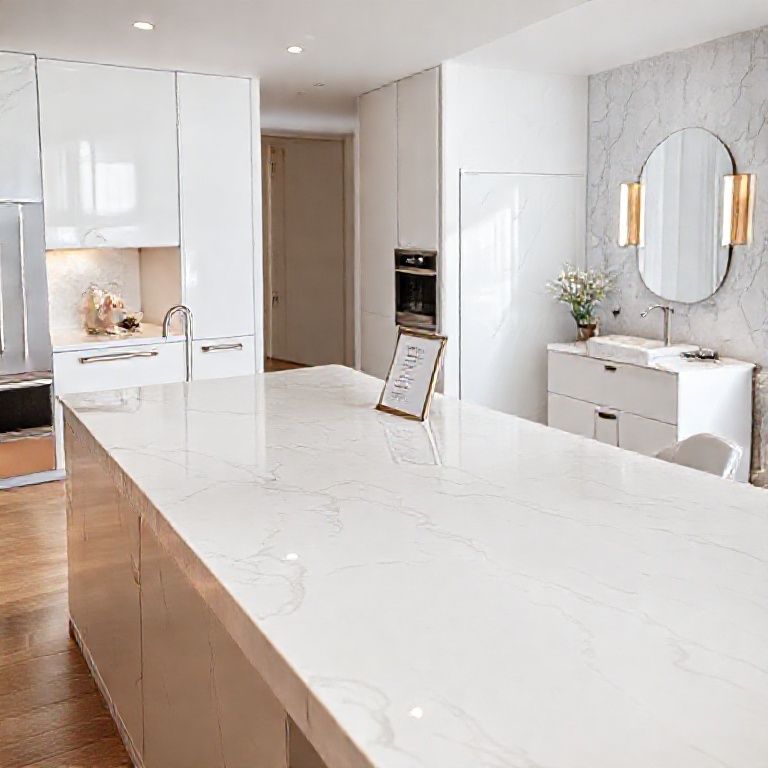
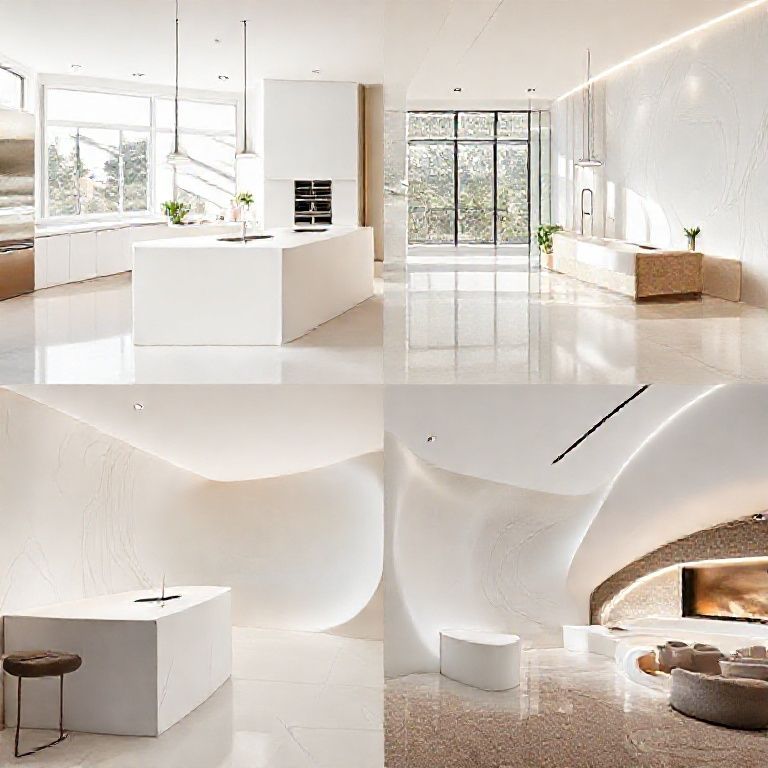
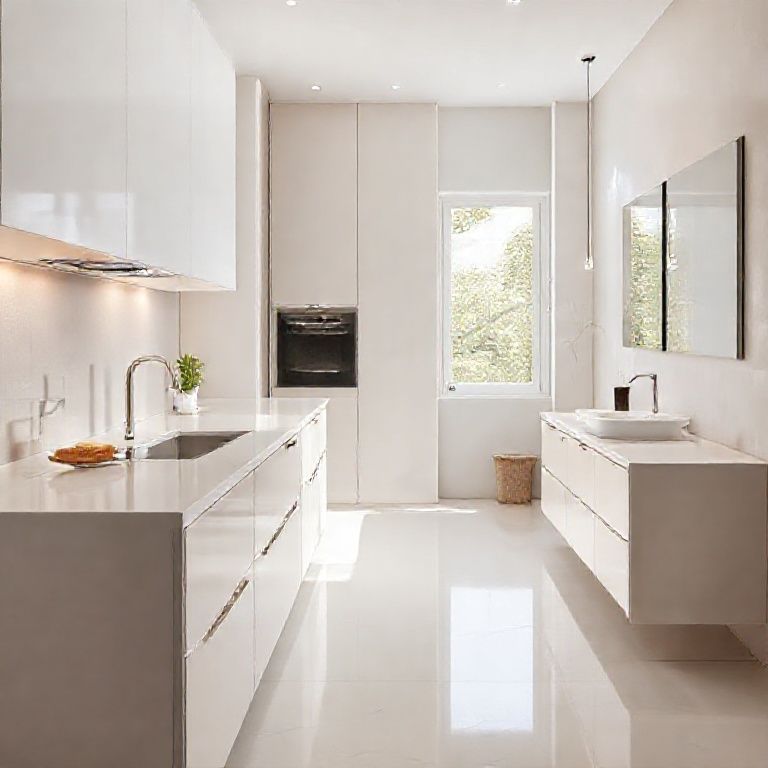
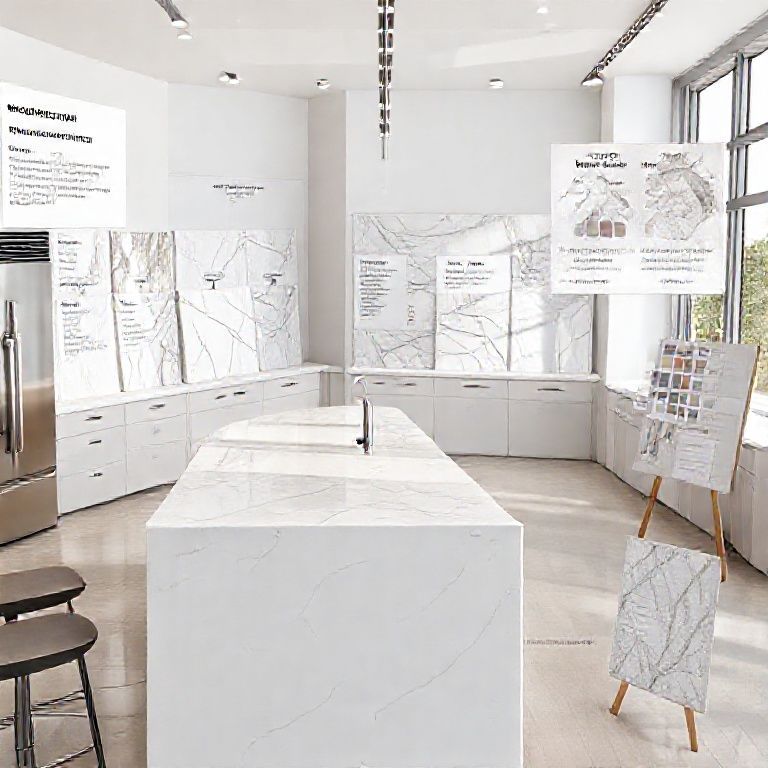
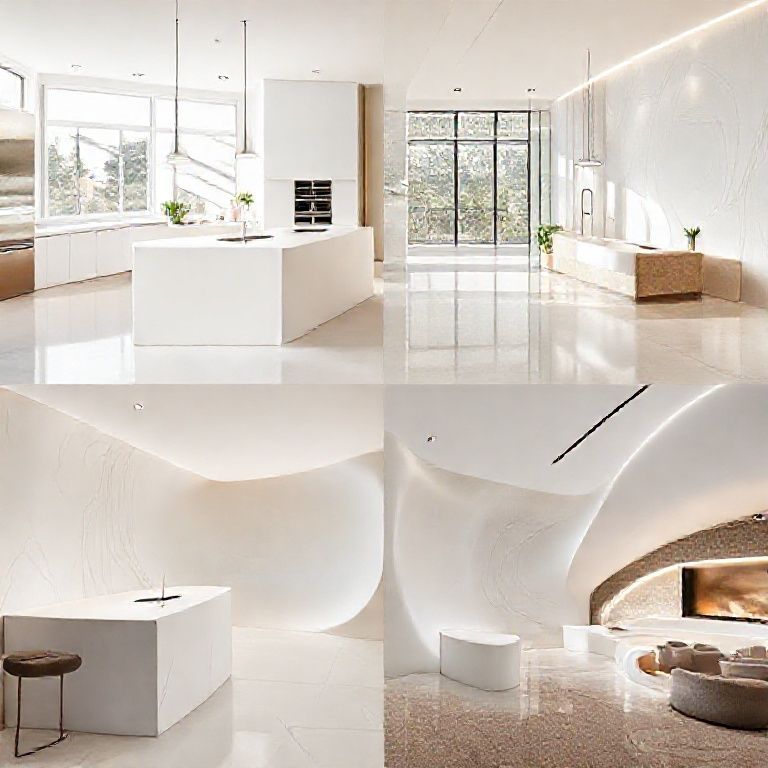
In the world of interior and exterior design, marble stands out as a quintessential choice for those seeking elegance and timeless beauty. Its unique texture, natural veining, and stunning color variations have made it a preferred choice for architects, designers, and homeowners alike. However, when considering the installation of marble, one crucial factor that often comes into play is the marble prices per square meter. Understanding these costs is essential for making informed decisions and ensuring that your project is both aesthetically pleasing and financially sound.

Factors Influencing Marble Prices
Marble prices per square meter can vary significantly based on several factors. Here’s a detailed look at what influences these costs:
Type of Marble: Marble comes in various types, each with its distinct characteristics and price range. Popular marble types include Carrara, Italian White, and Indian Black. Carrara marble, renowned for its pure white color and fine grain, often commands higher prices compared to other varieties. On the other hand, Indian Black marble, with its striking dark hues and rich texture, is generally more affordable but equally captivating.
Color and Veining: The beauty of marble lies in its natural veining and color variations. Marbles with unique and intricate veining patterns, or those displaying vibrant colors, tend to be more expensive. For instance, marbles with rare colors like pink or green can fetch higher prices due to their rarity and aesthetic appeal.
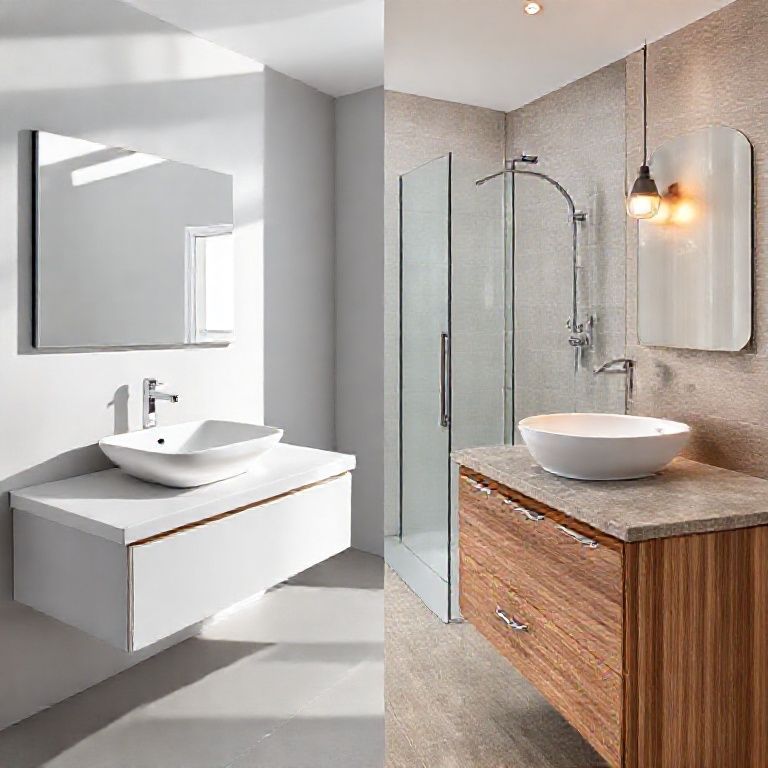
Quality and Purity: The purity and quality of marble also play a significant role in pricing. Higher purity levels, which result in a more uniform color and fewer impurities, lead to higher costs. Marble that is free from blemishes and has a consistent texture is typically more expensive.
Source: Marble sourced from renowned quarries around the world, such as Italy, Greece, and India, generally has higher prices due to their established reputation and the meticulous craftsmanship involved in their extraction and processing.
Processing and Cutting: The method of processing and cutting marble can affect its price. Marble that undergoes complex cutting techniques to achieve specific shapes or patterns will cost more than standard slabs. Additionally, custom-cut pieces often have higher costs due to the additional labor and precision required.
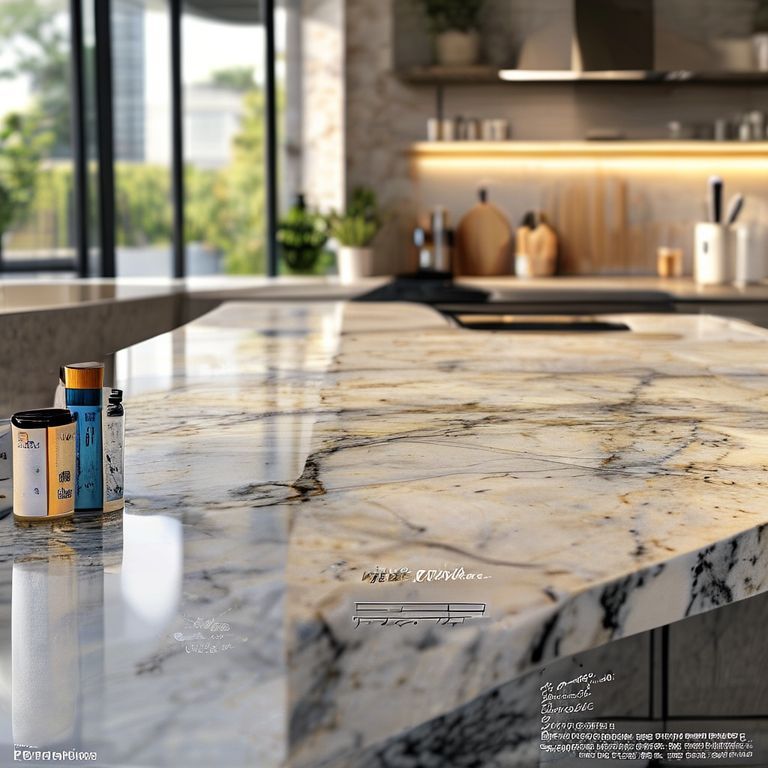
Market Trends: Like any commodity, marble prices are influenced by market trends and supply and demand dynamics. Economic factors, changes in popular design trends, and fluctuations in raw material costs can all impact the price per square meter of marble.
The Benefits of Marble
Marble is not just a beautiful material; it also offers several practical benefits that justify its cost:
Durability: Marble is one of the hardest natural stones, making it highly durable and resistant to scratches and stains. This durability translates to long-term value, as marble surfaces require minimal maintenance and can withstand heavy use.
Heat Resistance: Marble can withstand high temperatures, making it an excellent choice for kitchens and other areas where heat is a frequent occurrence. Its ability to resist thermal shock ensures that it remains a pristine and functional surface over time.
Timeless Appeal: The timeless elegance of marble makes it a versatile choice for various design styles. Whether it’s contemporary, modern, or classical, marble can seamlessly blend with different aesthetics, ensuring that your space remains stylish and sophisticated.
Versatility: Marble can be used in a variety of applications, from countertops and flooring to walls and bathtubs. Its versatility allows for endless creative possibilities, enabling designers to craft unique and stunning spaces.
Choosing the Right Marble for Your Project
Selecting the right type of marble for your project involves considering several factors, including the intended use, budget, and design vision. Here are some tips to help you make an informed choice:
Identify Your Budget: Determine your budget for the marble project. Keep in mind that while high-quality marble may be more expensive upfront, its durability and low maintenance can save costs in the long run.
Consider the Intended Use: Different areas of your home or building will have different requirements. For high-traffic areas like kitchens and bathrooms, opt for more durable marble types. For decorative purposes, you may choose marble with unique veining or vibrant colors.
Consult with Professionals: Working with experienced designers or contractors can provide valuable insights into the best marble options for your project. They can help you understand the nuances of different types of marble and their respective prices.
Sample and Visualize: Before making a final decision, request samples of the marble you are considering. Visualize how the marble will look in your space to ensure it meets your aesthetic expectations.
Understand Maintenance Requirements: While marble is low-maintenance, it does require regular cleaning and sealing to maintain its beauty. Understanding these maintenance requirements can help you decide if the marble is a suitable choice for your lifestyle.
Conclusion
The cost of marble per square meter varies widely based on several factors, including type, quality, and market trends. However, the beauty, durability, and timeless appeal of marble make it a worthwhile investment for many. By understanding the different types of marble and their respective prices, you can make informed decisions that enhance the aesthetic and functional value of your space. In the next part of this guide, we will delve deeper into the installation process, maintenance tips, and additional insights to help you achieve a flawless marble installation.
Building on the insights from the first part of this guide, where we delved into the factors influencing marble prices per square meter, we now turn our focus to the installation and maintenance of marble. Proper installation and diligent maintenance are crucial for ensuring that your marble remains a stunning and functional part of your space for years to come. Here’s a comprehensive guide to mastering marble installation and maintenance.
Marble Installation: Expert Tips for Flawless Finish
Professional Installation: While DIY installation might seem cost-effective, hiring a professional installer is often the best choice. Professionals have the expertise to handle the complexities of marble installation, ensuring a flawless finish. They are skilled in selecting the appropriate adhesives, cutting techniques, and installation methods tailored to the specific type of marble and the area of installation.
Proper Preparation: Preparation is key to a successful marble installation. The surface where marble will be installed must be clean, level, and free from any imperfections. Professionals will often use specialized tools to prepare the surface, ensuring a strong bond between the marble and the substrate.
Cutting Techniques: The way marble is cut can significantly impact the final appearance. Professionals use precise cutting techniques to ensure that marble slabs fit perfectly into place. They also address any necessary adjustments, such as gaps and alignment, to create a seamless look.
Adhesive Selection: Choosing the right adhesive is crucial for the durability of the marble installation. Professionals will select adhesives that are compatible with the type of marble being used and the specific conditions of the installation area. They will also ensure that the adhesive provides a strong bond while allowing for any minor movements that may occur over time.
Seam and Edge Treatment: Proper seam and edge treatment is essential for maintaining the integrity of the marble installation. Professionals will use specialized sealants and finishing techniques to ensure that seams and edges are well-protected against stains and moisture.
Marble Maintenance: Ensuring Timeless Beauty
Regular Cleaning: Marble requires regular cleaning to maintain its beauty and prevent staining. Use a soft, dry cloth or a gentle microfiber cloth to wipe the marble surface. Avoid using abrasive cleaners or sponges, as they can scratch the marble. For general cleaning, a mixture of water and a mild dish soap works well. For tougher stains, consider using a specialized marble cleaner.
Sealing: Sealing marble is essential for protecting its surface from stains and spills. While marble is naturally resistant to stains, sealing it can provide an additional layer of protection. Use a high-quality, pH-neutral marble sealer that is specifically designed for the type of marble you have. Follow the manufacturer’s instructions for application and re-sealing as recommended.
Avoiding Acidic Products: Acidic products, such as vinegar, citrus-based cleaners, and certain food substances, can etch and discolor marble. Avoid using these products on marble surfaces. If an acidic spill occurs, neutralize it immediately with water and a mild, non-abrasive cleaner.
定期检查:定期检查大理石表面是否有任何损伤或者是染色的迹象。如果发现任何问题,应及时采取措施处理,以避免问题扩大。
处理溢出物:当水或液体溢出在大理石表面时,应立即用干布擦干。如果液体渗入大理石的缝隙,应尽快处理,否则可能会导致永久性损伤。
使用合适的工具:在大理石表面上使用适当的工具,例如不锈钢或者木制餐具,避免使用金属餐具,以防止划伤。
专业维修:如果大理石表面出现了深色污渍或者其他严重损伤,最好咨询专业的石材维修人员,他们有专业的工具和技术来处理这些问题。
避免阳光直射:长时间的阳光直射可能会导致大理石颜色的褪色。在可能的情况下,避免将大理石表面暴露在强烈的阳光下。
环境控制:尽量保持大理石表面的环境稳定,避免过度的温度和湿度变化,这些变化可能会导致大理石开裂或其他损伤。
通过这些方法,可以有效地延长大理石的使用寿命,保持其美观和光泽。大理石的保养虽然需要一些细心和耐心,但只要遵循这些简单的规则,你的大理石就能长期保持其原有的美丽。