Understanding Marble: Types and Quality
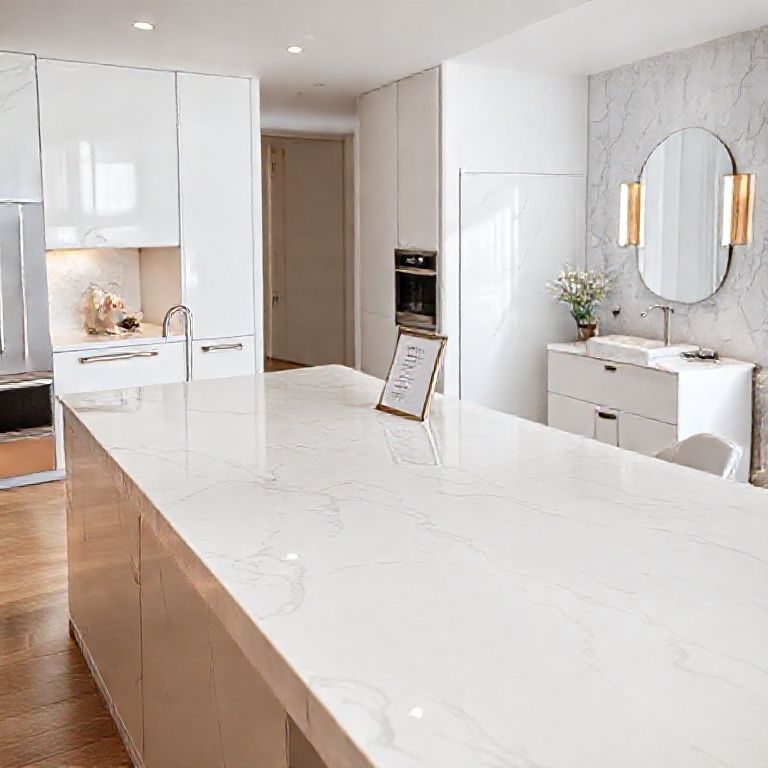
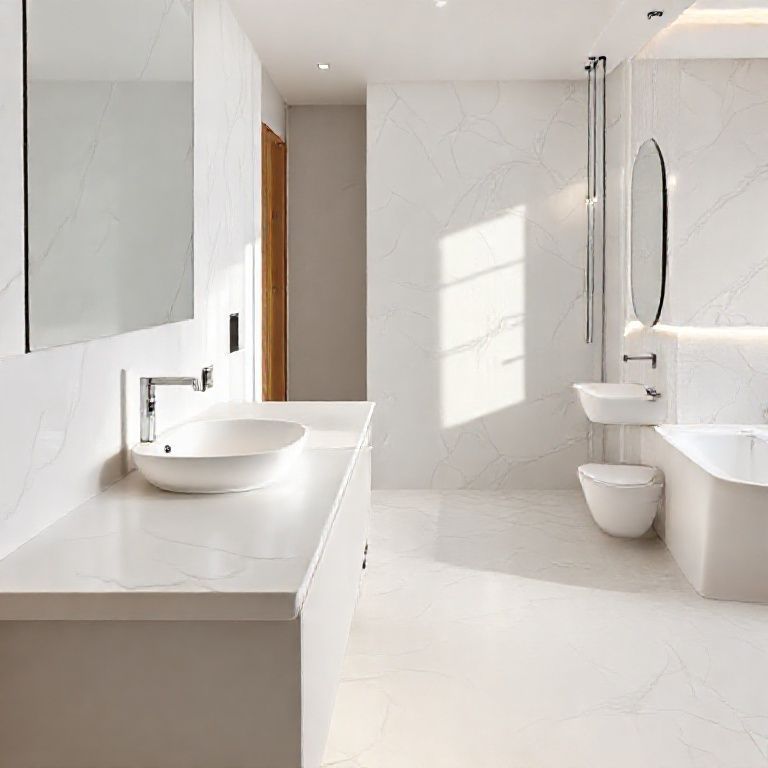
When it comes to selecting marble for your renovation project, understanding the different types and their respective qualities is crucial. Marble is a metamorphic rock composed of recrystallized carbonate minerals, primarily calcite or dolomite. It is admired for its unique beauty, durability, and versatility, making it a popular choice for countertops, flooring, and decorative elements in homes and commercial spaces alike.
Types of Marble
There are numerous types of marble, each with distinct characteristics and price points. Here are some of the most popular varieties:
Italian Marble: Travertine: Known for its warm, earthy tones and unique veining, travertine is a favorite among architects and designers. Carrara Marble: Famous for its pristine white appearance and fine grain, Carrara marble is often used in luxury projects. Indian Marble: Jaipur Marble: Renowned for its striking pink and red hues, Jaipur marble offers a regal and opulent look. Bikaneri Marble: Characterized by its light pink color and subtle veining, Bikaneri marble provides a more subdued elegance. Turkish Marble: Emperor Marble: Known for its unique color palette and veining, Emperor marble is both striking and versatile. Dikili Marble: With its creamy white base and intricate veining, Dikili marble adds a touch of sophistication. Brazilian Marble: Marble from Minas Gerais: This type of marble is prized for its rich, dark colors and striking veining, ideal for creating a dramatic focal point.
Quality Factors
The quality of marble is determined by several factors, including:
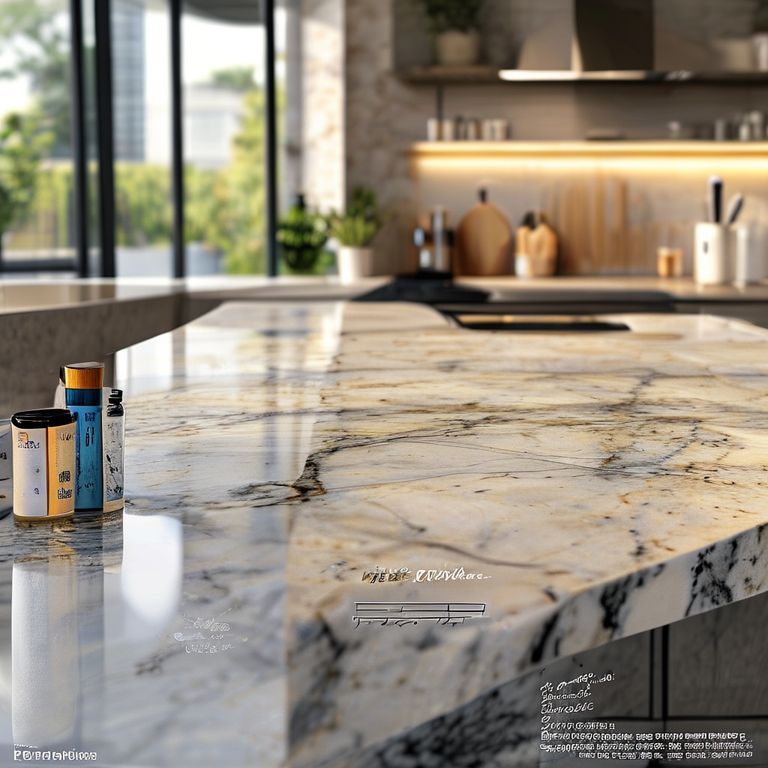
Color and Veining: Marble with a uniform color and intricate veining is often more expensive. Veining adds texture and visual interest, enhancing the marble’s overall aesthetic. Grain: A fine grain in marble indicates a higher quality, as it offers a smoother finish and is less likely to show scratches and stains. Uniformity: Marble with consistent color and veining throughout is considered superior. Variability in these aspects can lead to higher costs due to the need for more precise cutting and finishing.
Cost Considerations
The cost of marble per square meter can vary widely based on the type, quality, and source. On average, marble prices range from $20 to $100 per square meter. High-end marbles like Carrara and Emperor can cost significantly more, often exceeding $100 per square meter. Here are some additional factors that influence the overall cost:
Importation Costs: Marble sourced from countries like Italy or Brazil may incur higher transportation and import duties. Processing Fees: Custom cuts, intricate designs, and additional processing can increase the cost. Labor Costs: The complexity of installation and the skill level of the labor can impact the total project cost.
Conclusion
Understanding the various types and qualities of marble is essential for making an informed decision about your renovation project. By considering factors such as color, veining, grain, and uniformity, you can choose the perfect marble that suits your aesthetic and budget. In the next part, we will delve deeper into the factors affecting marble pricing, installation considerations, and tips for saving on your marble renovation.
Factors Affecting Marble Pricing and Installation
When planning a marble renovation project, it’s important to consider various factors that can influence the overall cost. This includes the type of marble chosen, the complexity of the design, the labor involved in installation, and additional considerations that can affect the budget. Here’s a detailed look at what you need to know to navigate the world of marble pricing and installation.
Factors Influencing Marble Pricing
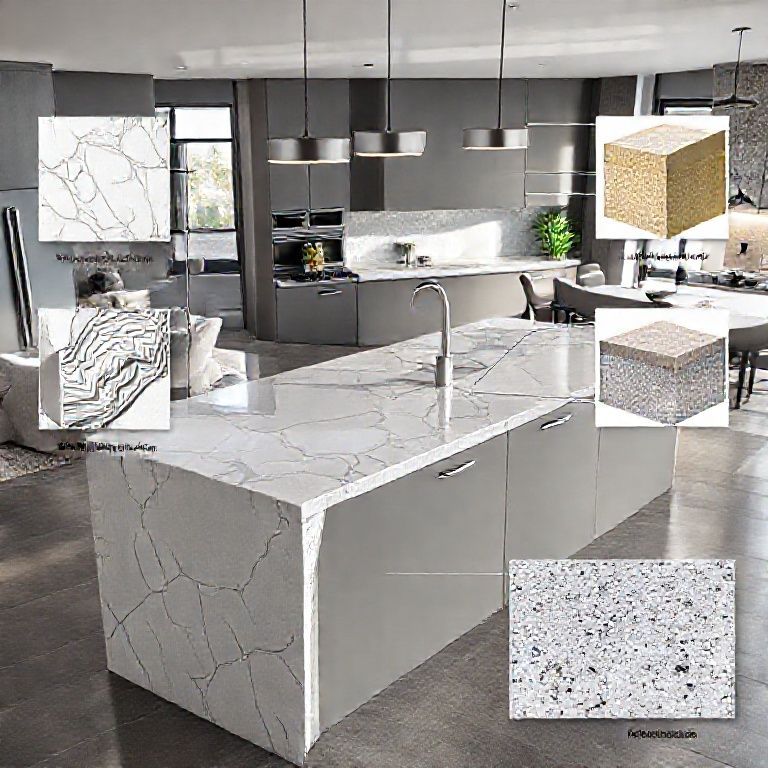
Type of Marble: Luxury Marbles: Marbles like Carrara and Emperor are often more expensive due to their rarity and superior quality. These marbles are highly sought after for their unique veining and color variations. Standard Marbles: More common types of marble, such as travertine and Bikaneri, tend to be more affordable. While they offer great beauty, they may not have the same level of exclusivity as luxury marbles. Color and Veining: Unique Patterns: Marble with rare or highly intricate veining patterns commands a higher price. Unique patterns add visual interest and character to the marble, making it a more desirable choice. Uniformity: Marble with a consistent color and veining throughout is generally more expensive. Marble with significant variations in color or veining may require additional processing and cutting, increasing the cost. Grain and Finish: Fine Grain: Marble with a fine grain offers a smoother finish and is less prone to scratches and stains. This quality can justify a higher price point. Polished Finish: Polished marble has a glossy, smooth surface that enhances its beauty. Polished marble is typically more expensive than non-polished varieties due to the additional processing required. Customization: Custom Cuts: Marble used in custom designs, such as intricate mosaics or unique shapes, often incurs additional costs. Custom cuts require more time and precision, which can increase the overall cost. Special Finishes: Special finishes like honed or brushed surfaces can add to the price due to the extra labor and expertise required.
Installation Considerations
Labor Costs: Skill Level: Highly skilled marble installers command higher rates. Professional installers who have experience working with different types of marble and complex designs can ensure a high-quality finish, justifying their higher cost. Complexity of Installation: The complexity of the installation process, including the type of surface being covered (countertops, flooring, walls), the size of the area, and the number of seams and joints, can impact labor costs. More intricate installations with many joints and seams will generally require more time and effort. Surface Preparation: Substrate Quality: The quality of the surface on which the marble is installed plays a crucial role in the overall cost. High-quality substrates that provide a stable base can reduce the need for additional work and ensure a durable installation. Surface Treatment: Preparing the surface for marble installation may include tasks such as sealing, grouting, and ensuring a proper adhesive layer. These preparatory steps can add to the overall cost but are essential for a successful installation. Maintenance and Finishing: Sealing: Sealing marble is important to protect it from stains and moisture. The cost of sealing can vary depending on the type of sealer used and the surface area. Polishing: Polishing marble after installation can enhance its appearance and add a glossy finish. Professional polishing services may be required for high-quality results.
Tips for Saving on Marble Renovation
Plan Ahead: Budgeting: Establishing a clear budget and including all potential costs, such as labor, processing, and additional finishes, can help avoid unexpected expenses. Timeline: Having a realistic timeline for your project can prevent delays that might lead to higher labor costs. Choose Wisely: Quality vs. Cost: While high-end marbles offer superior quality and beauty, they come at a higher price. Consider balancing quality with budget by choosing marble that offers a good mix of aesthetics and value. Standard Options: Opting for standard marbles with desirable qualities can help keep costs down without compromising on appearance. DIY Considerations: Installation: If you’re considering a DIY approach, be aware that marble installation is complex and requires specialized skills. Hiring professionals can ensure a durable and aesthetically pleasing result, potentially saving you money in the long run. Tools and Equipment: Investing in the right tools and equipment can streamline the installation process and reduce labor costs if you choose to do it yourself. Long-Term Savings: Durability: Choosing high-quality marble that is durable and low-maintenance can save on long-term upkeep and replacement costs. Maintenance: Regular maintenance, such as sealing and cleaning, can extend the life of your marble and prevent costly repairs.
Conclusion
Marble is a timeless and luxurious choice for any renovation project, offering beauty and durability that can elevate any space. Understanding the various factors that influence marble pricing, from type and quality to installation complexities, is essential for making informed decisions and budgeting effectively. By carefully considering these elements and planning ahead, you can ensure a successful marble renovation that meets your aesthetic and financial goals. Whether you opt for a high-end marble or a more budget-friendly option, the right choice can transform your space into a masterpiece of elegance and sophistication.