The Ultimate Guide to Polishing and Buffing Artificial Stone Countertops
Artificial stone countertops have become increasingly popular due to their durability, aesthetic appeal, and low maintenance. However, maintaining the pristine look of these surfaces requires proper care and attention. This comprehensive guide will walk you through the best methods and techniques to polish and buff artificial stone countertops, ensuring they remain in top condition for years to come.
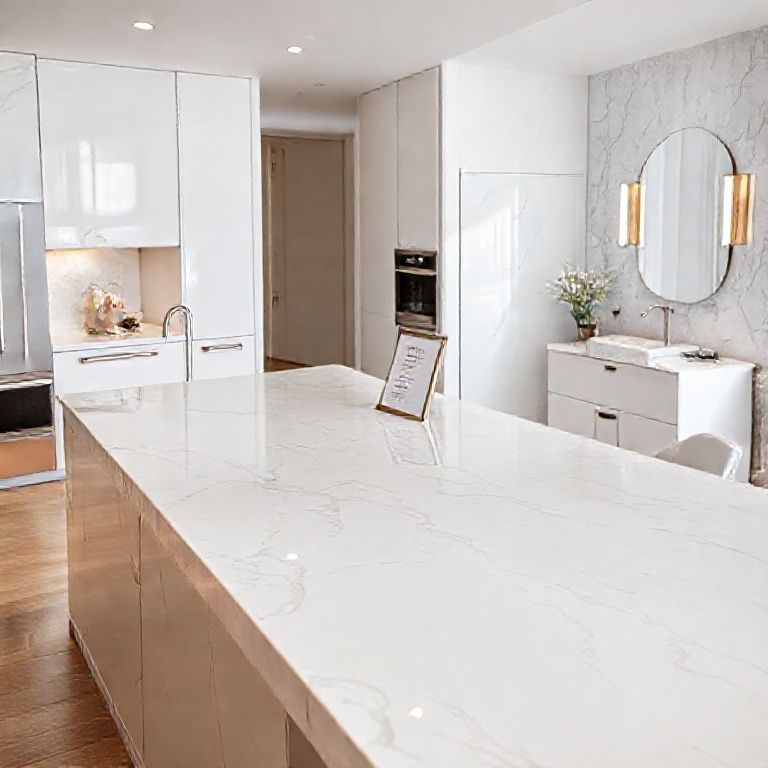
Understanding Artificial Stone Countertops
Before diving into the polishing and buffing methods, it’s essential to understand what artificial stone is and how it’s made. Artificial stone, often referred to as quartz, is a composite material made from natural stone minerals and resins. It’s engineered to mimic the look and feel of natural stone while offering superior strength and resistance to stains and scratches.
The Importance of Regular Maintenance
Artificial stone countertops are resilient but require regular maintenance to keep them looking new. Over time, they can accumulate scratches, stains, and wear, which can detract from their beauty. Regular polishing and buffing help remove these imperfections, restore the surface, and enhance its natural luster.
Tools and Materials Needed
To polish and buff artificial stone countertops effectively, you’ll need the following tools and materials:
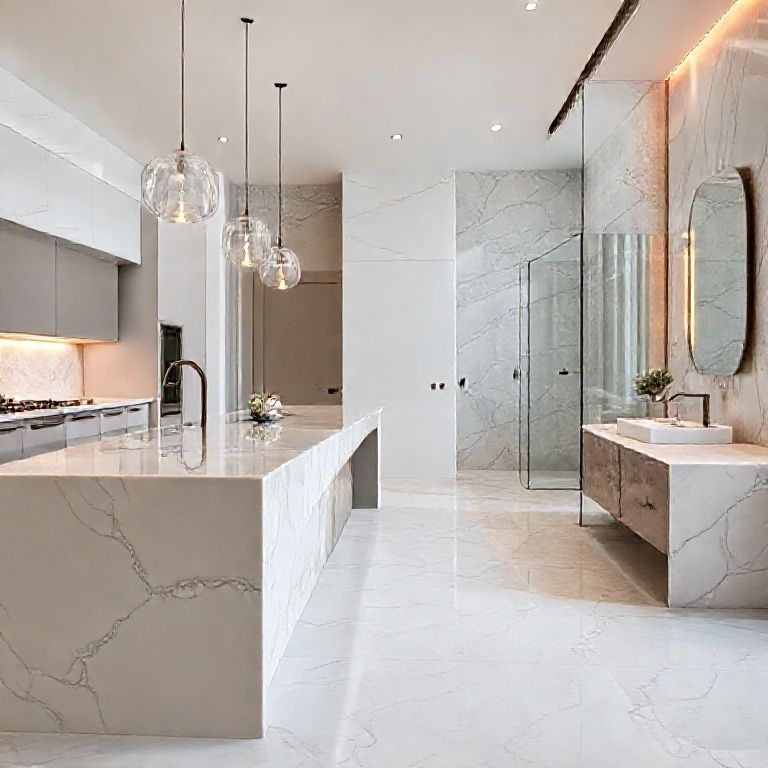
Diamond polishing pads Diamond polishing compounds Microfiber polishing cloths Water spray bottle Soft-bristle brush Plastic scraper or spatula Safety goggles and gloves
Step-by-Step Guide to Polishing Artificial Stone Countertops
Step 1: Preparation
Clean the Surface: Begin by thoroughly cleaning the countertop with a mild soap and water solution. Use a soft-bristle brush to scrub away any dirt, grease, or debris. Rinse the surface with clean water and dry it completely with a microfiber cloth.
Safety First: Put on safety goggles and gloves to protect yourself from any dust or debris that may be generated during the polishing process.
Step 2: Applying the Polishing Compound
Test a Small Area: Before applying the polishing compound to the entire surface, test it on a small, inconspicuous area to ensure it doesn’t cause any discoloration or damage.
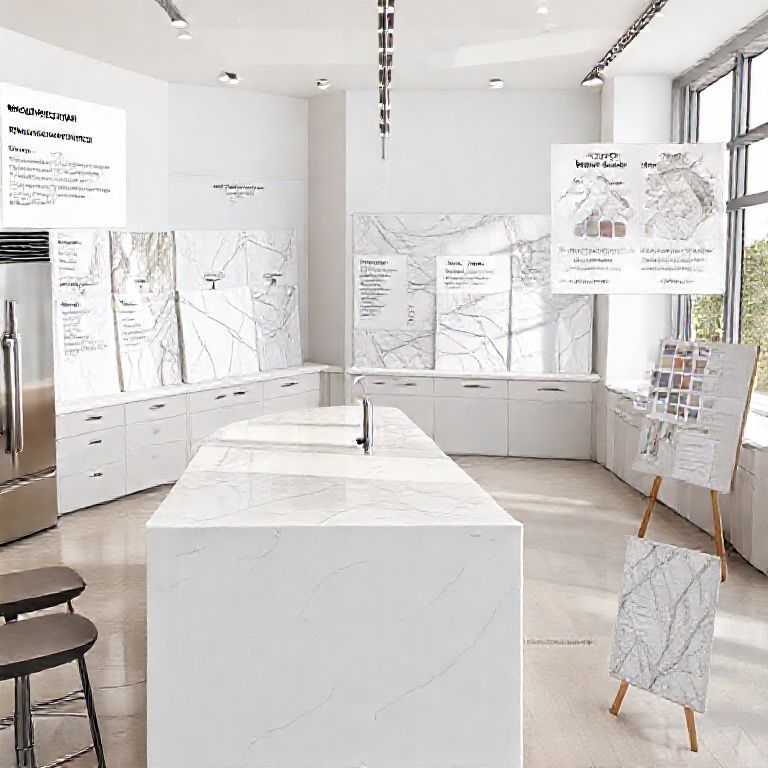
Apply the Compound: Using a diamond polishing pad, apply a small amount of the diamond polishing compound to the pad. Spread the compound evenly over the countertop surface.
Step 3: Polishing Process
Buff the Surface: Using a circular motion, gently buff the surface of the countertop with the polishing pad. Apply moderate pressure and continue to move the pad in a consistent, circular motion to ensure even polishing.
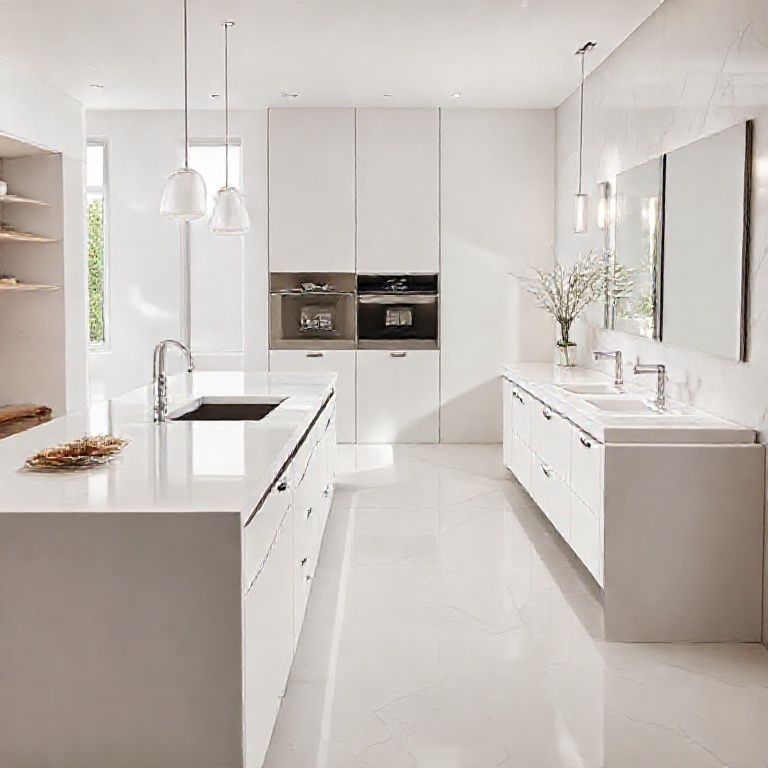
Monitor Progress: As you polish, you should start to see the surface become smoother and more reflective. If you notice any areas that are more worn or scratched, continue to buff those areas until they match the rest of the surface.
Step 4: Rinsing and Drying
Rinse the Surface: Once you’ve polished the entire countertop, rinse it thoroughly with water to remove any residue from the polishing compound.
Dry the Surface: Use a clean, dry microfiber cloth to thoroughly dry the surface. This helps to prevent water spots and ensures the polished surface is left shiny and clean.
Tips for Maintaining Polished Artificial Stone Countertops
Use Proper Utensils: Always use non-metallic utensils when cutting or preparing food on your countertop. Metal knives can scratch the surface.
Avoid Harsh Cleaners: Stick to mild soaps and avoid using abrasive cleaners or chemical cleaners that can damage the surface.
Regular Maintenance: Regularly clean and polish your countertops to maintain their appearance and prolong their lifespan.
Common Mistakes to Avoid
Over-polishing: Over-polishing can actually damage the surface by removing too much material, leaving it uneven and dull.
Ignoring Small Scratches: Small scratches can become more pronounced over time if not addressed. Regular maintenance can help keep these minor imperfections at bay.
Using the Wrong Tools: Using inappropriate tools or compounds can cause scratches or dull the surface. Always opt for diamond polishing pads and compounds specifically designed for artificial stone.
Conclusion
Polishing and buffing artificial stone countertops is a straightforward process when you know the right techniques and tools. By following this guide, you can maintain the beauty and durability of your countertops, ensuring they look as good as new for years to come. Regular care and maintenance are key to preserving the sleek, modern look of your artificial stone surfaces.
Stay tuned for part two, where we will delve deeper into advanced polishing techniques and address common issues you may encounter with artificial stone countertops.
Advanced Techniques and Solutions for Polishing and Buffing Artificial Stone Countertops
In the previous part of our guide, we covered the basic methods for polishing and buffing artificial stone countertops. Now, let’s dive deeper into advanced techniques and solutions to help you maintain and enhance the beauty of your countertops with precision and expertise.
Advanced Polishing Techniques
Technique 1: Zone Polishing
Identify Problem Areas: Sometimes, certain areas of your countertop may require more attention than others. Use a soft-bristle brush to identify and highlight these zones.
Apply Polishing Compound: Focus on these problem areas using a smaller diamond polishing pad. Apply the polishing compound generously and buff in a consistent circular motion.
Buff Entire Surface: After addressing the problem zones, continue to buff the entire surface to ensure uniformity and shine.
Technique 2: Microfiber Cloth Buffing
Compound Application: Apply the polishing compound directly onto a microfiber cloth instead of a pad. This allows for better control and precision.
Buff with Microfiber Cloth: Use the microfiber cloth to buff the countertop in circular motions. This method is particularly effective for detailed areas or edges.
Check Results: Frequently check the results to ensure even polishing and adjust your technique as necessary.
Addressing Common Issues
Issue 1: Deep Scratches
Assess the Scratch: Determine the depth and severity of the scratch. Deep scratches may require a more intensive approach.
Use Fine-grit Polishing Pads: Switch to a finer-grit diamond polishing pad to address deep scratches. Apply the polishing compound and buff the area gently but thoroughly.
Follow Up with Buffing: Once the scratch is less visible, use a regular polishing pad to buff the entire surface and restore uniformity.
Issue 2: Water Spots
Preparation: Clean the countertop with a mild soap and water solution to remove any dirt or debris that may interfere with the polishing process.
Spot Polishing: Apply a small amount of the polishing compound to a polishing pad or microfiber cloth. Focus on the water spot area and buff gently.
Rinse and Dry: Rinse the countertop with water and dry it thoroughly to prevent water spots from reappearing.
Issue 3: Stains and Discoloration
Identify Stains: Determine the type of stain and its cause. Organic stains (like food or drink spills) may require a different approach than mineral stains (like hard water deposits).
Use Appropriate Cleaners: For organic stains, use a mild soap and water solution. For mineral stains, a stronger, specially formulated cleaner may be necessary.
Polish the Stained Area: After cleaning, apply the polishing compound to the stained area and buff gently until the stain is no longer visible.
Professional vs. DIY Polishing
When to Hire a Professional
Complex Issues: If your countertop has deep scratches, extensive discoloration, or other complex issues, hiring a professional may be the best option.
Lack of Equipment: Professionals have access to specialized equipment and products that may be difficult to obtain for DIY projects.
Quality Assurance: Professional polishers ensure a high-quality finish, minimizing the risk of damage to your countertops.
DIY Tips for Best Results
Use the Right Tools: Invest in high-quality diamond polishing pads and compounds designed for artificial stone.
Follow Instructions: Always follow the manufacturer’s instructions for using polishing compounds and pads.
Practice Safety: Wear safety goggles and gloves to protect yourself during the polishing process.
Innovative Maintenance Solutions
Protective Coatings
Waterproof Coatings: Apply a waterproof, UV-resistant coating to protect your countertops from stains, scratches, and water damage.
Hardened Coatings: Use a hardened, high-gloss coating for extra durability and a polished, professional finish.
Application: Follow the manufacturer’s instructions for applying the coating, which typically involves a thorough cleaning, drying, and buffing process before application.
Regular Maintenance Schedule
Daily Cleaning: Wipe down the countertop daily with a mild soap and water solution to remove daily grime and spills.
Monthly Buffing: Perform a full buffing session with diamond polishing pads and compounds once a month to maintain当然,我们可以继续讨论关于如何维护和保护人造石台面的更多细节。
日常保养和清洁
使用适当的清洁剂:避免使用含有酸性成分的清洁剂,如柠檬汁或醋,这些物质可能会对人造石表面造成腐蚀。推荐使用温和的中性洗涤剂。
及时清理溢出物:诸如油、糖、酸性饮料等物质溢出后应立即清理,以防它们在表面干燥后形成永久性污渍。
使用非粗糙的清洁布:最好使用无绒布或微纤维布,以避免对人造石表面造成任何划痕。
紧急处理
立即处理污渍:污渍和溢出物如果不及时清理,可能会在干燥后留下永久性痕迹。使用湿布迅速擦拭干净。
小划痕修复:对于轻微的划痕,可以使用专门的人造石修复笔进行修复。这些修复笔可以找到专业台面护理店或在线购买。
长期保养
定期抛光:每隔几个月进行一次专业抛光可以保持人造石台面的光泽和新鲜感。如果不方便自己进行,可以找专业人员来进行抛光。
防护垫:在放置厨房电器、炊具等时,使用防滑垫或垫子,以防止热量和物体直接接触台面,避免形成划痕或损坏。
环境和化学品的影响
避免高温和热源:尽量避免将热锅或烤盘直接放在台面上,以防高温导致表面变形或损坏。可以在放置热物品时使用热垫。
化学清洁剂和护理产品:在使用任何清洁剂或护理产品之前,请务必查阅产品说明,并在小面积上进行测试,以确保产品不会对人造石造成损害。
特殊护理
特殊污渍处理:对于某些特殊污渍,如咖啡、红酒等,可以使用专门的去污产品,但在使用之前请仔细阅读说明,并进行局部测试。
定期检查:定期检查台面的边缘和接缝处,确保没有松动或其他潜在的问题,这有助于及时发现和处理可能的问题。