The Ultimate Guide to Polishing Artificial Stone Countertops: Choosing the Right Sandpaper for the Job
Artificial stone countertops have revolutionized modern kitchen and bathroom designs with their stunning aesthetics and durability. However, maintaining these surfaces to ensure they remain pristine requires the right techniques and tools, particularly when it comes to sanding and polishing. This guide will delve into the essentials of using sandpaper to clean and polish artificial stone countertops, helping you achieve a flawless finish.
Understanding Artificial Stone Countertops
Artificial stone, also known as synthetic stone, is a composite material made from natural minerals, water, and polymer resins. Unlike natural stone, artificial stone offers exceptional durability, is less prone to staining, and is easier to maintain. However, it requires specific care to maintain its beauty and integrity.
The Importance of Proper Polishing
Polishing artificial stone countertops is crucial for several reasons:
Enhances Appearance: Polishing removes scratches, stains, and other imperfections, giving your countertops a shiny, polished look. Extends Longevity: Proper maintenance can prevent minor issues from becoming major problems, thereby extending the life of your countertops. Ensures Safety: A well-polished surface is less likely to harbor bacteria and other pathogens, making it safer for everyday use.
Choosing the Right Sandpaper
Selecting the appropriate sandpaper is critical to achieving the desired finish without damaging the surface. Here’s a breakdown of the types of sandpaper you should consider:
Particulate Size and Abrasiveness
The grit number of sandpaper indicates its abrasiveness:
Coarse Grit (80-120): Used for heavy-duty sanding, such as removing old sealants or surface imperfections. Medium Grit (180-240): Ideal for smoothing out the surface after coarse sanding. Fine Grit (320-400): Great for preparing the surface for polishing. Extra Fine Grit (600-800): Perfect for the final sanding to achieve a smooth finish.
For artificial stone countertops, medium to fine grit sandpaper (180-400) is typically recommended.
Sandpaper Type
Different types of sandpaper have varying levels of durability and effectiveness:
Regular Sandpaper: Effective for general sanding but may not be as durable. Sanding Blocks: Provide a more controlled application of sandpaper and often come with pre-attached sandpaper sheets. Wet Sandpaper: Ideal for reducing dust and providing a smoother finish, but requires water and drying time.
Step-by-Step Guide to Sanding Artificial Stone Countertops
To ensure you get the best results when sanding your artificial stone countertops, follow these steps:
Step 1: Preparation
Before you begin sanding, it’s important to prepare your workspace and the countertop itself:
Clear the Countertop: Remove all items, utensils, and appliances from the countertop. Protect Surrounding Areas: Use drop cloths or plastic sheeting to protect adjacent surfaces from dust and debris. Ventilation: Ensure the area is well-ventilated to dissipate dust and fumes.
Step 2: Initial Sanding
Start with a coarse grit sandpaper to remove any deep scratches, stains, or old sealants:
Use a Sanding Block: For better control, attach your sandpaper to a sanding block. Sand in Circular Motions: Move the sandpaper in a consistent, circular motion to avoid creating swirl marks. Check Progress: Periodically check the surface for any remaining imperfections.
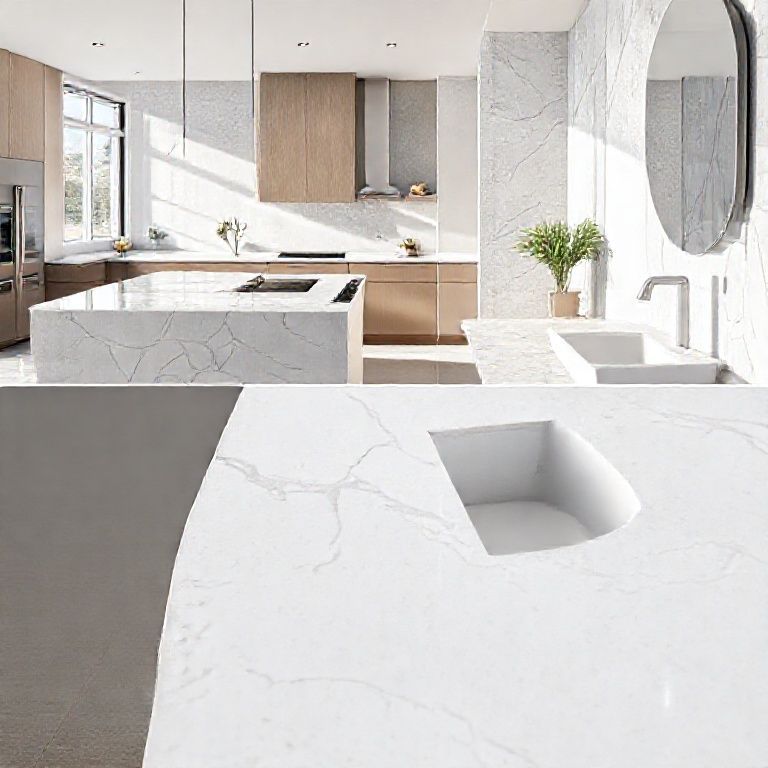
Step 3: Intermediate Sanding
Once the surface is smooth from the initial sanding, switch to a medium grit sandpaper:
Continue Circular Motions: Use the same technique as in the initial sanding phase. Pay Attention to Edges: Make sure to sand around the edges and corners thoroughly.
Step 4: Final Sanding
Switch to fine or extra-fine grit sandpaper for the final sanding:
Smooth Finish: Ensure every part of the countertop is sanded to a smooth finish. Inspect for Imperfections: Look for any remaining scratches or uneven spots and address them with even more fine sandpaper.
Tips for Achieving a Flawless Finish
To polish your artificial stone countertops to perfection, consider these tips:
Use a Damp Cloth: After sanding, wipe the surface with a damp cloth to remove any remaining dust. Avoid Over-Sanding: Over-sanding can damage the surface. Stick to the recommended grit for each step. Regular Maintenance: Keep your countertops clean and free from stains to avoid the need for heavy sanding in the future.
In the next part of our guide, we will explore the polishing techniques and the finishing touches to make your artificial stone countertops shine like new.
The Ultimate Guide to Polishing Artificial Stone Countertops: Finishing Techniques and Maintenance
Building on our previous discussion on sanding artificial stone countertops, this part of the guide will focus on the finishing techniques that will bring out the best in your polished surfaces. We’ll also cover essential maintenance tips to keep your countertops looking pristine for years to come.
Applying the Final Polish
Once your artificial stone countertops have been sanded to a smooth finish, the final polish is the key to achieving a showroom-quality look. Here are the steps to apply the final polish:
Step 1: Select the Right Polishing Compound
Choosing the right polishing compound is crucial:
High-Quality Polish: Opt for a high-quality stone polish that is specifically designed for artificial stone. This ensures a streak-free, high-gloss finish. Avoid Harsh Chemicals: Steer clear of abrasive or overly harsh chemicals that can damage the surface.
Step 2: Application
Applying the polish correctly will yield the best results:
Use a Soft Cloth: Dip a soft, lint-free cloth into the polishing compound. Avoid using too much product to prevent it from dripping or pooling on the surface. Apply in Circular Motions: Gently rub the polish onto the countertop in small, circular motions. This helps to evenly distribute the compound and ensures an even finish.
Step 3: Buffing
After the polish has dried, buffing will bring out the shine:
Use a Clean Cloth: Take a clean, soft cloth and buff the surface in the same circular motion. Remove Excess Polish: Buffing helps to remove any excess polish and reveals the true shine of the countertop.
Maintenance Tips to Keep Your Countertops Pristine
Proper maintenance is essential to prolong the life and beauty of your artificial stone countertops. Here are some tips to ensure your countertops remain in top condition:
Regular Cleaning
Daily Wipe-Down: Use a damp cloth to wipe down the countertops daily, removing any spills and everyday grime. Mild Cleaners: Choose mild, non-abrasive cleaners to avoid scratching the surface.
Stain Prevention
Immediate Cleanup: Clean up spills immediately to prevent stains from setting in. Use Coasters and Trivets: Protect the surface from heat and liquids by using coasters, trivets, and oven mitts.
Occasional Deep Cleaning
Deep Clean Monthly: Occasionally deep clean your countertops with a stone-specific cleaner to remove any built-up grime. Follow Instructions: Always follow the manufacturer’s instructions for cleaning products to avoid damaging the surface.
Addressing Common Issues
Even with proper care, issues can sometimes arise. Here’s how to address common problems:
Scratches
Minor Scratches: For minor scratches, use a fine-grit sandpaper (600-800) to gently sand the affected area. Deeper Scratches: For deeper scratches, consider using a stone polishing kit that includes various polishing compounds and buffers.
Stains
Immediate Action: For stains, act quickly. Use a stone-specific cleaner and follow the instructions on the product label. Avoid Harsh Chemicals: Avoid using bleach or other harsh chemicals that can damage the surface.
Chips and Cracks
Professional Repair: Chips and cracks should be addressed by a professional to ensure the repair does not damage the surrounding area. Temporary Fixes: For minor chips, a clear epoxy can be used as a temporary fix until professional repair is possible.
Final Thoughts
Achieving and maintaining a flawless finish on your artificial stone countertops involves a combination of proper sanding techniques, the right polishing compounds, and diligent maintenance. By following the steps outlined在掌握了基本的砂纸打磨和抛光技巧后,您将能够更深入地了解如何维护和延长人造石台面的寿命。
这不仅可以保持台面的美观,还能确保其耐用性和功能性。
深入理解打磨与抛光的步骤
准备工作 安全措施:在开始打磨和抛光之前,确保您佩戴了适当的个人防护装备,如手套和护目镜,以保护自己免受粉尘和化学物质的伤害。戴上口罩或使用空气净化器,以避免吸入粉尘。 通风环境:确保工作区域的良好通风,以便快速排出粉尘和化学物质的蒸汽。 选择合适的工具 电动砂纸机:这种工具可以帮助您更均匀地进行打磨,减少手工时的疲劳和可能的错误。
抛光机:在最后的抛光阶段,使用抛光机可以使工作更加高效和精确。 精细打磨 逐步打磨:从粗糙的砂纸(如80-120号)开始,逐步向更细的砂纸(如320-400号)过渡。每次打磨后,用清水或专用清洁剂擦拭台面,以确保下一步的打磨能更加高效。 均匀擦拭:在每次打磨之间,用干净的布擦拭台面,以确保没有残留的灰尘和碎屑。
最终抛光 抛光剂的使用:在使用抛光机时,涂抹适量的抛光剂于台面,然后开始抛光。抛光剂能够帮助提升光泽度,使台面看起来更加新焕。 均匀抛光:保持抛光机在台面上的均匀移动,避免重复抛光同一区域,以防止损伤表面。
定期维护和保养
定期的维护和保养是确保人造石台面长期美观和耐用的关键。
日常清洁 使用温和的清洁剂:每天使用温水和中性清洁剂清洁台面,避免使用含有酸性或强碱性的清洁剂,这些可能会对人造石表面造成损害。 立即处理溅洒物:立即擦拭溅洒的液体,以避免它们在表面上晾干并形成污渍。 周期性保养 使用石材保护剂:每隔几个月,使用专门为人造石设计的保护剂进行保养。
这些保护剂可以增加表面的耐污性和防水性。 避免高温物品:尽量避免将热锅或高温物品直接放在台面上,使用烤盘或垫子可以有效防止台面受损。
常见问题及解决方法
污渍和染色 原因:酸性或碱性物质、油污、或长期未清理的溢出液体。 解决方法:使用温和的清洁剂及时清理,并在污渍干燥后立即处理。 划痕和损伤 原因:使用硬质餐具或在台面上划伤。 解决方法:轻微划痕可以用细砂纸轻轻打磨,但深度划痕建议寻求专业修复。
通过以上步骤和方法,您将能够有效地维护和打磨人造石台面,使其保持最佳状态。这不仅能提升您的生活质量,还能增加您家居环境的整体美感。