Understanding the Causes and Preventive Measures for Yellowing Quartz Countertops
Quartz countertops are a popular choice among homeowners and restaurateurs alike for their durability, beauty, and low maintenance. However, despite their resilience, quartz can sometimes develop a yellow hue. Understanding why this happens is the first step towards preventing it and knowing how to fix it.
1. The Science Behind Yellowing
Quartz countertops are made from natural quartz infused with color pigments. The yellowing issue typically arises due to the following reasons:
Heat Damage: Quartz is heat-resistant, but prolonged exposure to high heat can cause discoloration. The intense heat can cause the color pigments within the quartz to break down, leading to a yellow or brown tint. Chemical Reactions: Certain chemicals, including oils, acids, and solvents, can react with the surface of the quartz, leading to yellowing. Cooking oils, citrus juice, and cleaning agents can be particularly detrimental if not handled properly. Physical Wear: Scratches and impacts can weaken the protective layer of the quartz, making it more susceptible to yellowing.
2. Preventive Measures
To keep your quartz countertops looking their best, follow these preventive measures:
Use Protective Pads: When using hot pans or pots, always use protective pads or trivets to prevent direct heat contact with the countertop. Clean Up Spills Immediately: Oils and other liquids can seep into the surface of the quartz. Wipe up spills immediately with a clean, dry cloth to prevent them from causing discoloration. Use Neutral Cleaners: Avoid using harsh chemicals on your quartz. Opt for mild, neutral cleaners designed for stone surfaces. Vinegar, for example, is too acidic and can harm the quartz. Regular Maintenance: Regular cleaning and maintenance can prevent minor issues from escalating. A gentle wipe-down with a damp cloth and mild soap solution can go a long way.
3. Proper Installation Techniques
Proper installation is crucial for the longevity and appearance of your quartz countertops. Here are some tips to ensure your quartz remains pristine:
Choose the Right Sealer: A high-quality, non-yellowing sealer can provide an extra layer of protection against stains and discoloration. Proper Edge Treatment: Ensure that the edges of the countertop are treated correctly to prevent any gaps that might allow spills to penetrate the surface. Avoid Overheating: During installation, avoid exposing the quartz to excessive heat, which could affect the pigmentation.
4. Choosing Quality Quartz
The quality of the quartz itself plays a significant role in its resistance to yellowing. Here’s what to consider when choosing your quartz countertop:
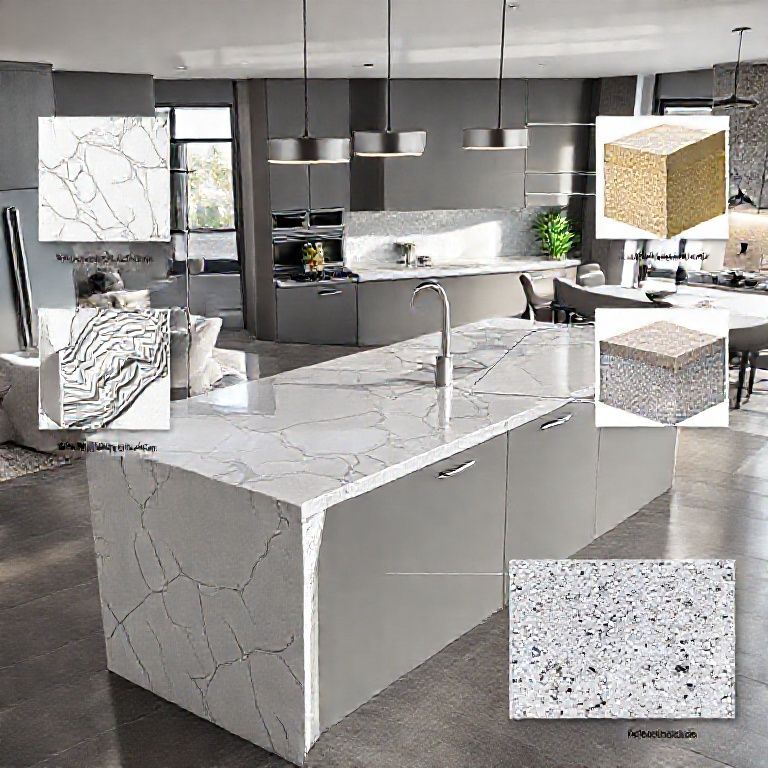
Look for High-Grade Quartz: Higher-grade quartz is more resistant to discoloration and has a better color stability. Check Manufacturer’s Warranty: A comprehensive warranty can provide assurance that the quartz is of high quality and the manufacturer stands behind their product.
By understanding the causes of yellowing and following these preventive measures, you can keep your quartz countertops looking fresh and new. In the next part, we’ll delve into detailed cleaning and repair methods to effectively tackle any yellowing that may occur.
Cleaning, Repairing, and Maintaining Your Quartz Countertops
While preventive measures are crucial, there are instances where yellowing does occur. Don’t worry; this section will provide you with detailed cleaning and repair methods to restore the beauty of your quartz countertops.
1. Cleaning Your Quartz Countertops
Regular cleaning is essential to maintaining the pristine look of your quartz countertops. Here’s how to clean them properly:
Mild Soap and Water: For everyday cleaning, a simple mixture of mild soap and water works wonders. Dampen a cloth with the solution and gently wipe the surface of the countertop. Avoid using abrasive sponges or pads. Neutral Cleaners: For tougher spots, use a neutral cleaner specifically designed for stone surfaces. Follow the manufacturer’s instructions for application and avoid using too much product. Avoid Harsh Chemicals: Never use vinegar, bleach, or other acidic or alkaline cleaners on quartz as they can damage the surface and cause yellowing.
2. Dealing with Persistent Stains
For stubborn stains that don’t go away with regular cleaning, try these methods:
Baking Soda Paste: Mix baking soda with a small amount of water to form a paste. Apply the paste to the stained area and let it sit for a few minutes before gently scrubbing with a soft cloth. Rinse thoroughly with water. Hydrogen Peroxide: For organic stains like coffee or red wine, apply a small amount of hydrogen peroxide directly to the stain. Let it sit for a few minutes and then wipe away with a clean cloth. Avoid using too much hydrogen peroxide as it can be too harsh on the surface. Commercial Cleaners: If home remedies don’t work, consider using commercial cleaners specifically formulated for quartz. Always follow the manufacturer’s instructions to avoid damaging the surface.
3. Repairing Yellowed Quartz
If yellowing has set in, here’s how to repair it:
Professional Cleaning: Sometimes, professional cleaning is necessary to remove deep-set stains. Contact a professional stone cleaning service that specializes in quartz. Re-sealing: Re-sealing your quartz countertop can help prevent future yellowing and restore its shine. Use a high-quality, non-yellowing sealer and follow the manufacturer’s instructions carefully. This will create a protective layer that guards against future discoloration. Laser Cleaning: For severe cases of yellowing, laser cleaning might be the best option. A professional technician can use a laser to remove the yellowed layer without affecting the integrity of the quartz.
4. Regular Maintenance
Regular maintenance will keep your quartz countertops looking their best. Here’s a simple routine to follow:
Weekly Cleaning: Wipe down your countertops with a mild soap and water solution once a week to remove any spills and residues. Monthly Deep Clean: Perform a deeper clean once a month using a neutral cleaner to remove any built-up grime. Inspect for Damage: Regularly inspect your countertops for any scratches or impacts that might weaken the surface. Address these issues promptly to prevent further damage.
5. Addressing Specific Issues
Here are some tips for tackling specific problems related to yellowing:
Heat Spots: If heat spots have caused yellowing, avoid placing hot objects directly on the countertop. Use trivets and ensure that your cooktop is clean. Chemical Spills: In the event of a chemical spill, clean it immediately with a neutral cleaner to prevent the chemicals from penetrating the quartz and causing discoloration. Physical Wear: If scratches or impacts have caused yellowing, consider professional laser cleaning to restore the surface.
By following these detailed cleaning and repair methods, you can effectively tackle yellowing on your quartz countertops and keep them looking immaculate. Regular maintenance and professional care will ensure that your countertops remain a beautiful focal point in your kitchen for years to come.
In conclusion, while quartz countertops are generally low-maintenance, they do require some care to keep them looking their best. By understanding the causes of yellowing and following the preventive and repair methods outlined in this guide, you can ensure that your quartz countertops remain a stunning feature in your home.