The Ultimate Guide to Quartz Countertops for Your Kitchen: Pricing, Benefits, and Installation
When it comes to kitchen renovations, one of the most transformative updates you can make is installing quartz countertops. Known for their durability, aesthetic appeal, and easy maintenance, quartz countertops are a top choice for many homeowners. But before you dive into this luxurious upgrade, it’s essential to understand the costs involved, the benefits of choosing quartz, and what the installation process entails. This guide will provide you with all the information you need to make an informed decision.
Understanding Quartz Countertop Pricing
One of the primary concerns when considering quartz countertops is the cost. On average, quartz countertops cost between $40 and $80 per square foot. However, it’s essential to note that prices can vary based on several factors:
Type of Quartz: Different brands and types of quartz can have significant price differences. Some high-end brands might cost more due to their superior quality and design features.
Customization: Custom colors and patterns can add to the overall cost. While these options can make your kitchen unique, they also require additional time and expertise from the installer.
Installation Complexity: The complexity of the installation process can affect the cost. If your kitchen layout is intricate, or if additional work is needed to prepare the surface, this could increase the overall price.
Labor Costs: Depending on your location, labor costs can vary. Urban areas may have higher labor costs compared to rural locations.
To provide a more tangible understanding, let’s convert the cost per square foot into a cost per square meter, considering that 1 square foot is equal to approximately 0.0929 square meters:
$40 per square foot = $40 * 0.0929 = $3.72 per square meter $80 per square foot = $80 * 0.0929 = $7.43 per square meter
So, the price range for quartz countertops per square meter is roughly between €37.20 and €74.30.
Benefits of Choosing Quartz Countertops
Quartz countertops offer a myriad of benefits that make them an excellent choice for kitchen renovations:
Durability: Quartz is one of the hardest natural materials available, making it highly resistant to scratches, dents, and impact. This means your countertops will maintain their sleek appearance for years to come.
Low Maintenance: Unlike granite, quartz does not require sealing. This means there is no risk of staining from acidic foods, and you can clean your countertops with simple soap and water.
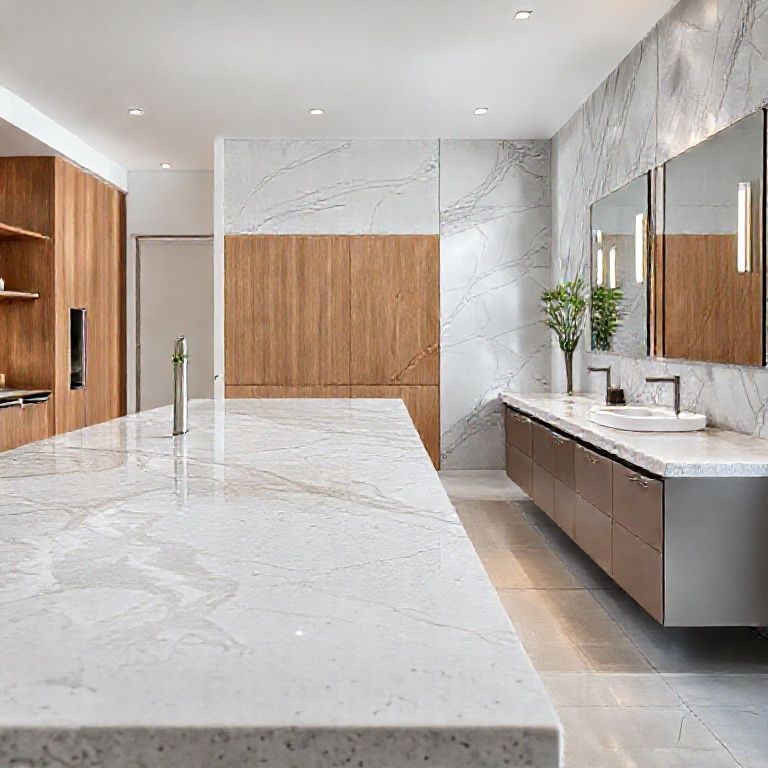
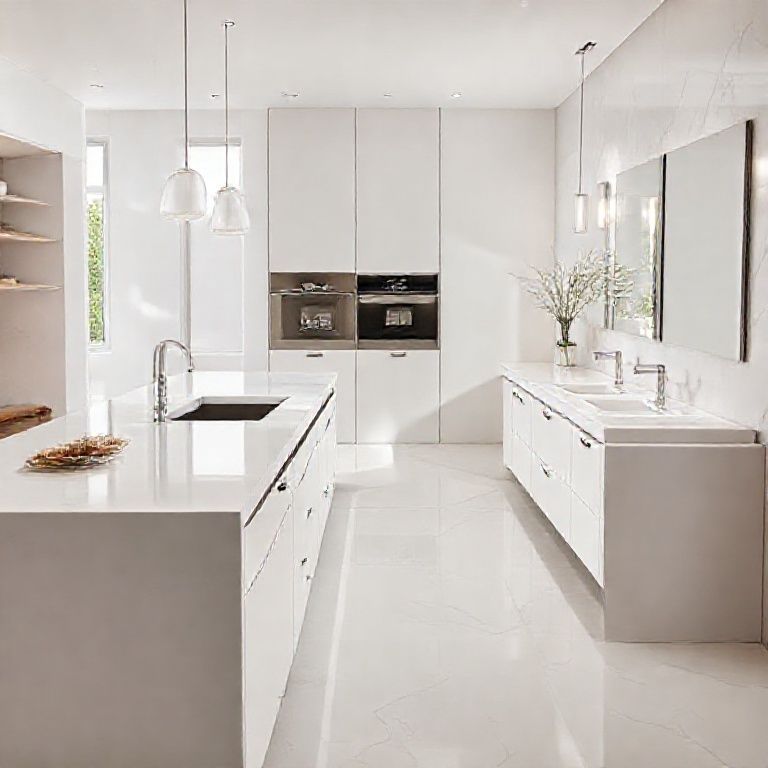
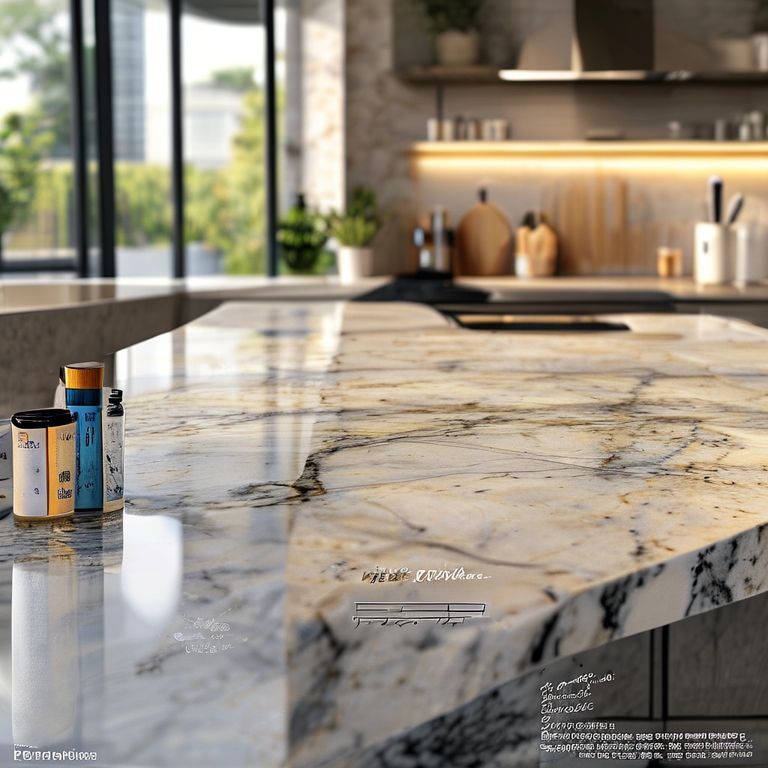
Variety of Colors and Patterns: Quartz comes in a wide range of colors and patterns, allowing you to choose a style that perfectly matches your kitchen decor. From classic marble looks to contemporary designs, there’s a quartz option for every taste.
Affordability: Despite its high-end look, quartz is often more affordable than other luxury countertops like granite or marble. This makes it a fantastic option for those looking to achieve high-end aesthetics without breaking the bank.
Eco-Friendly: Quartz is a sustainable option as it is made from 94% natural stone and only 6% resin. This makes it an eco-friendly choice compared to other synthetic materials.
Easy Installation: Quartz is relatively easy to install, which means the process can be quicker and less disruptive compared to other types of countertops.
The Installation Process
Installing quartz countertops is a process that requires careful planning and execution. Here’s a step-by-step guide to help you understand what to expect:
Planning and Design: The first step in the installation process is planning. This includes selecting the type of quartz and designing the layout. You’ll work closely with a professional to choose the best option for your kitchen.
Preparation: Before installation, the surface needs to be prepared. This involves removing old countertops and any other materials that might interfere with the new installation. The surface must be clean and level to ensure a smooth finish.
Cutting and Fitting: Once the surface is ready, the quartz pieces are cut to fit the kitchen area. Precision is key here, as any mistakes can affect the overall appearance and durability of the countertops.
Installation: The installation process typically involves securing the quartz pieces to the cabinet tops using adhesive or mechanical fasteners. Professionals use specialized tools to ensure that the pieces are securely fastened and that there are no gaps.
Finishing Touches: After installation, the edges of the quartz countertops are finished to prevent chipping and to ensure a clean, professional look. This might include applying a sealant to protect the edges.
Cleaning: Once the installation is complete, a professional cleaner will clean the countertops to remove any residue from the installation process. This leaves you with a pristine, ready-to-use surface.
Conclusion
Investing in quartz countertops is a decision that can significantly enhance the beauty, functionality, and value of your kitchen. With their durability, low maintenance, and wide range of aesthetic options, quartz countertops are a popular choice for homeowners looking to upgrade their kitchen space.
Understanding the cost per square meter, the benefits of choosing quartz, and the installation process will help you make an informed decision. Whether you’re a homeowner planning a renovation or a professional in the industry, this guide provides valuable insights into why quartz countertops are a top choice for modern kitchens.
Stay tuned for the second part of this guide, where we’ll delve deeper into the installation process, provide tips for choosing the best quartz countertops, and discuss long-term maintenance and care for your new kitchen space.
The Ultimate Guide to Quartz Countertops for Your Kitchen: Pricing, Benefits, and Installation (Continued)
In the first part of this guide, we explored the cost, benefits, and basic installation process of quartz countertops. Now, let’s dive deeper into the installation process, provide tips for choosing the best quartz countertops, and discuss long-term maintenance and care for your new kitchen space.
Detailed Installation Process
While the basic steps of installing quartz countertops are straightforward, there are several detailed aspects that can affect the outcome. Understanding these nuances will help you ensure a successful installation.
Surface Preparation: Proper surface preparation is crucial. The area where the quartz will be installed must be clean, level, and free of any debris or old materials. This includes removing old countertops, cabinets, and any other obstructions. A clean and even surface ensures that the adhesive can bond properly with the quartz.
Cutting Quartz to Fit: Accurate cutting is essential for a seamless installation. Professionals use specialized saws and tools to cut the quartz to fit your kitchen space. Precision is key, as even a small error can lead to gaps or misalignments that affect the overall appearance.
Adhesive Application: Once the quartz pieces are cut to size, the adhesive is applied to the surface. The type of adhesive used will depend on the specific requirements of the installation. It’s important to use a high-quality adhesive that provides a strong bond and ensures durability.
Placing the Quartz: The quartz pieces are carefully placed onto the adhesive. Professionals use clamps and spacers to hold the pieces in place while the adhesive sets. This ensures that the pieces are aligned correctly and that there are no gaps.
Curing Time: After the quartz pieces are placed, there is a curing time required for the adhesive to set properly. This process can take several hours to a full day, depending on the adhesive used and the environmental conditions. During this time, it’s important to avoid any pressure on the countertops to prevent shifting or misalignment.
Finishing Edges: Once the adhesive has cured, the edges of the quartz countertops are finished. This involves removing any excess adhesive, filling any gaps, and smoothing the edges. Professionals use specialized tools and techniques to ensure a clean, professional finish.
Sealing and Cleaning: After installation, the quartz countertops are sealed to protect them from stains and damage. Professionals use a high-quality sealant that provides a durable finish. Finally, the countertops are cleaned to remove any residue from the installation process, leaving you with a pristine, ready-to-use surface.
Tips for Choosing the Best Quartz Countertops
Choosing the right quartz countertops involves considering several factors to ensure that you select a product that meets your needs and preferences.
Quality: Look for high-quality quartz from reputable manufacturers. High-quality quartz is more durable, has fewer imperfections, and offers a more refined appearance.
Color and Pattern: Quartz comes in a wide range of colors and patterns. Choose a color and pattern that complements your kitchen decor and matches your personal style. Consider how the quartz will look over time and how it will withstand daily use.
Customization OptionsTips for Choosing the Best Quartz Countertops (Continued)
In the previous part, we discussed the importance of quality and the variety of colors and patterns available in quartz countertops. Here, we’ll delve further into additional considerations to help you make an informed choice:
Brand Reputation: When selecting quartz countertops, it’s beneficial to choose a brand with a strong reputation for quality and customer satisfaction. Brands that have been in the market for a long time often have a track record of producing reliable and high-quality products.
Installation and Warranty: Consider the installation process and the warranty offered by the manufacturer. A reputable brand will provide professional installation services and offer a warranty that covers any defects or issues that may arise after installation.
Sustainability: Opt for quartz that is sustainably sourced. Look for manufacturers that use environmentally friendly practices and materials. This is an important factor for those who are environmentally conscious and want to make a positive impact.
Customization: Many quartz manufacturers offer customization options, including color mixing, pattern creation, and edge finishing. If you have a specific vision for your kitchen, discuss your ideas with the manufacturer to see if they can be realized.
Price Range: While it’s important to choose high-quality quartz, it’s also crucial to stay within your budget. Compare prices from different manufacturers and consider the total cost, including installation, customization, and any additional services.
Long-Term Maintenance and Care
Proper maintenance and care are essential to keep your quartz countertops looking their best and to ensure their longevity. Here are some tips for maintaining your quartz countertops:
Regular Cleaning: Clean your quartz countertops regularly with a mild soap and water solution. Avoid using harsh chemicals or abrasive cleaners that can scratch the surface.
Immediate Stain Removal: Stains should be removed as soon as they occur. Use a soft cloth and a mild cleaner to wipe away spills immediately. For tougher stains, use a specialized quartz cleaner.
Avoiding Heat Damage: While quartz is heat resistant, it can still be damaged by extremely hot pots and pans. To prevent this, use pot holders and move hot items carefully. Additionally, avoid placing hot items directly on the countertop when transferring them from the stove to the sink.
Using Coasters and Trivets: To protect your countertops from heat and spills, always use coasters under drinks and trivets under hot dishes. This prevents direct contact with the quartz surface and reduces the risk of stains and scratches.
Regular Sealing: Although quartz does not require sealing like granite, it’s still a good idea to apply a protective coating periodically. This can help to maintain the shine and protect against stains.
Avoiding Sharp Objects: To prevent scratches, avoid using sharp objects on your quartz countertops. Instead, use cutting boards or other soft surfaces for cutting and chopping.
Conclusion
Quartz countertops are an excellent investment for anyone looking to enhance the beauty, functionality, and value of their kitchen. With their durability, low maintenance, and wide range of aesthetic options, quartz countertops are a top choice for modern kitchens.
Understanding the detailed installation process, choosing the best quartz countertops based on quality, brand reputation, and customization options, and following proper maintenance and care tips will ensure that your quartz countertops last for years to come.
By following this comprehensive guide, you’ll be well-equipped to make an informed decision about installing quartz countertops in your kitchen, ensuring a successful and satisfying renovation experience.
Stay tuned for additional insights and tips on kitchen renovations and home improvement projects!