${part1}
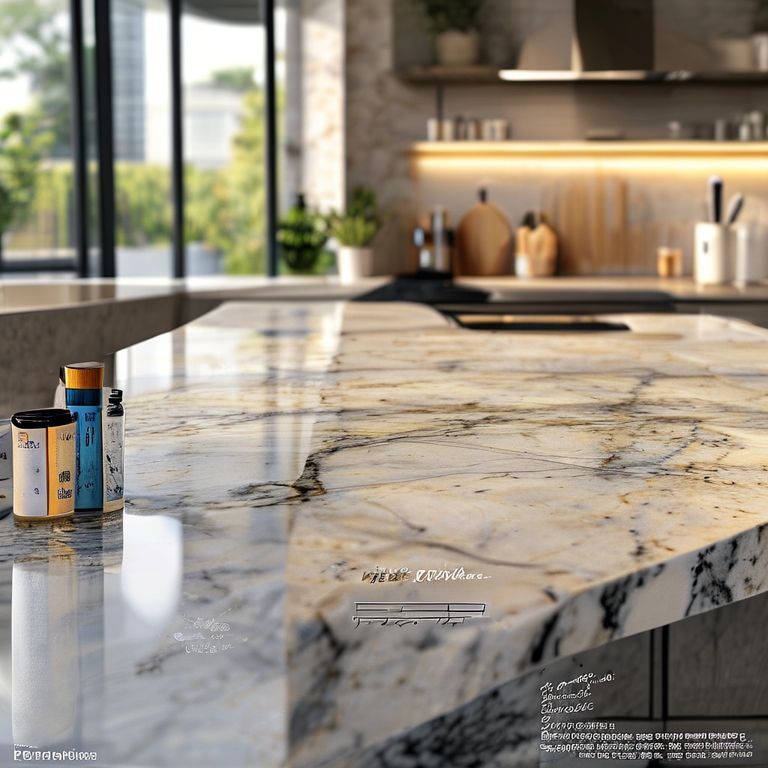
In the realm of modern kitchen and bathroom design, quartz countertops have surged in popularity, captivating homeowners with their blend of style, durability, and low maintenance. As a man-made stone, quartz is a composite material crafted from 90% quartz, blended and fused together under high temperatures and pressure. This results in a unique substance that combines the best features of natural stone with the versatility of modern materials. In this part, we will explore the myriad advantages of quartz countertops, setting the stage for a more detailed analysis in the second part.
Unmatched Durability and Strength
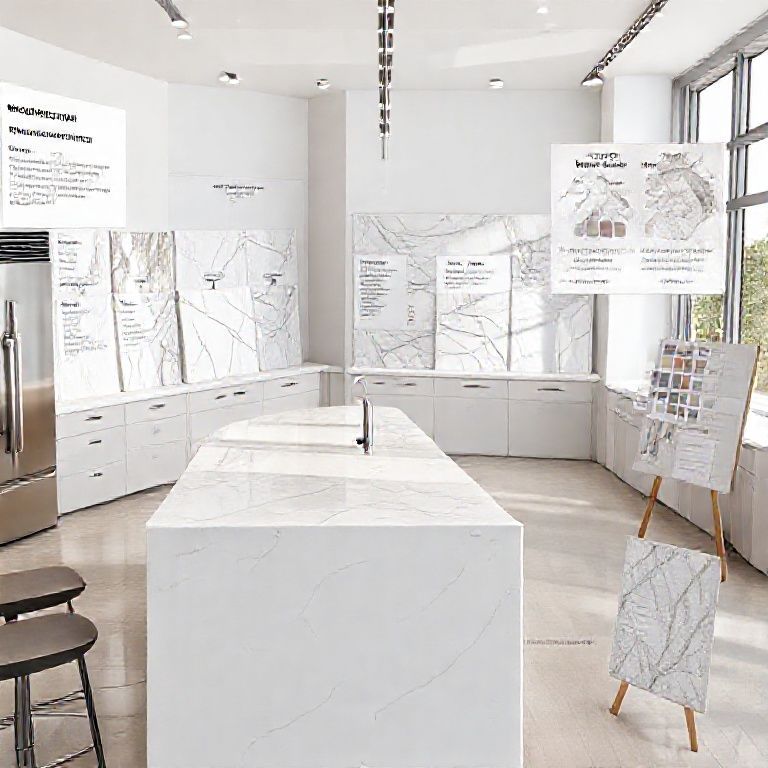
One of the standout features of quartz countertops is their exceptional durability. The high-pressure process used in their creation ensures a strong, monolithic structure that is resistant to scratches, dents, and impacts. Unlike natural stone, quartz does not have any natural grain lines, meaning it will not absorb stains or liquids. This makes it incredibly tough and long-lasting, often outlasting other countertop materials such as granite, marble, and even solid wood.
Aesthetic Versatility
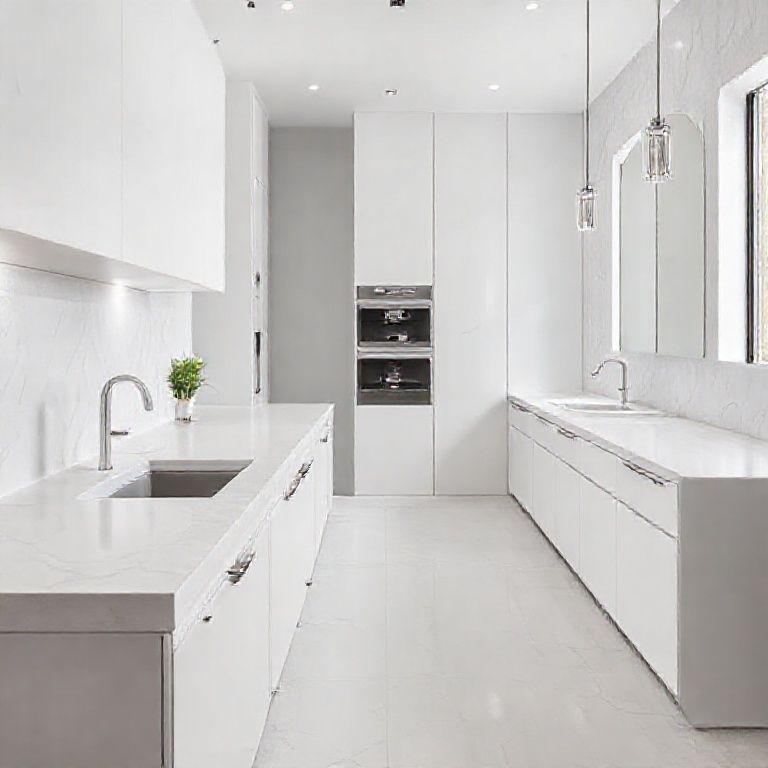
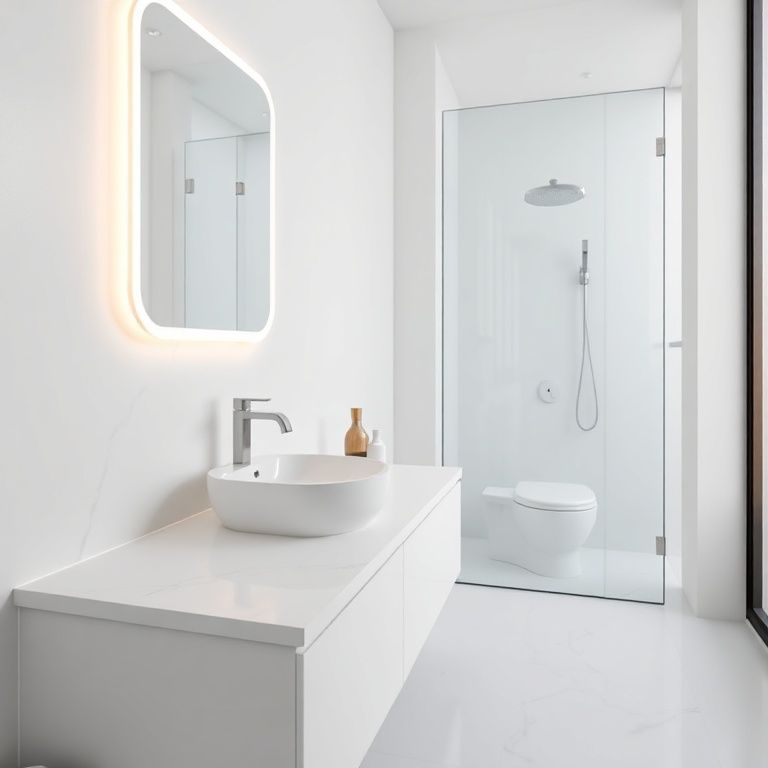
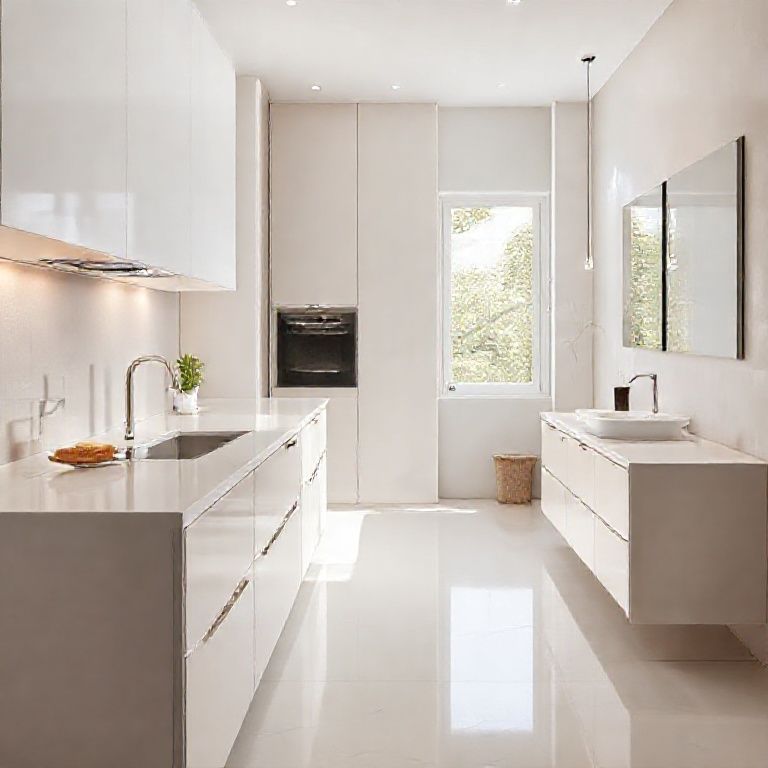
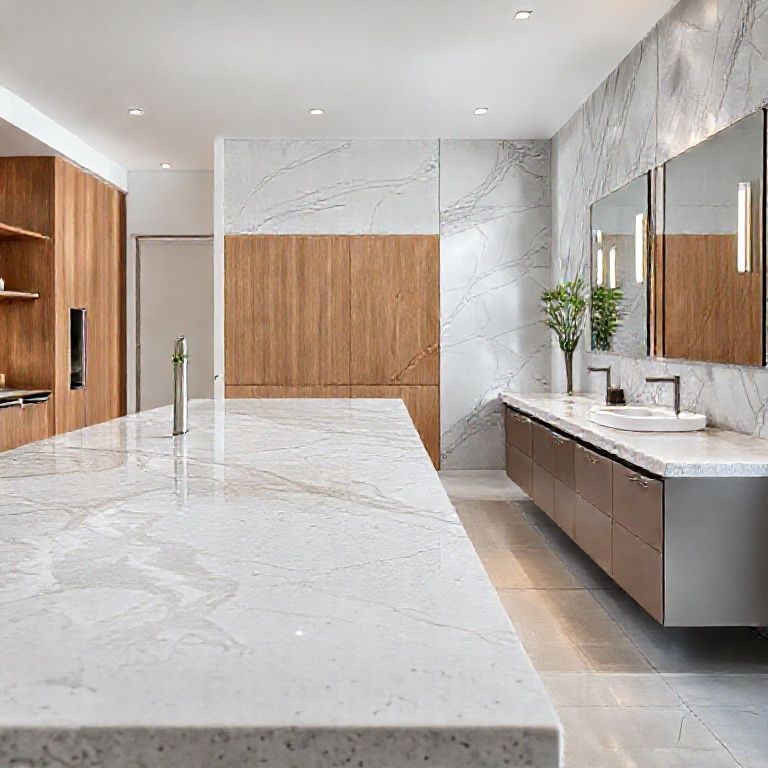
Quartz offers an extensive range of colors and patterns, allowing designers and homeowners to mimic the look of various natural stones, metals, and even wood. This versatility means you can choose a quartz color that perfectly matches your existing decor or goes against the grain to create a bold, contemporary look. From classic marbled finishes to sleek, modern black and white designs, quartz provides endless possibilities for aesthetic customization.
Superior Maintenance
Quartz countertops are a dream to maintain. Unlike granite or marble, which require regular sealing to prevent staining, quartz needs no special treatment. A simple wipe-down with a mild detergent and water is usually sufficient to keep them looking pristine. This low-maintenance feature makes quartz an excellent choice for busy households and those who prefer a hassle-free cleaning routine.
Affordability
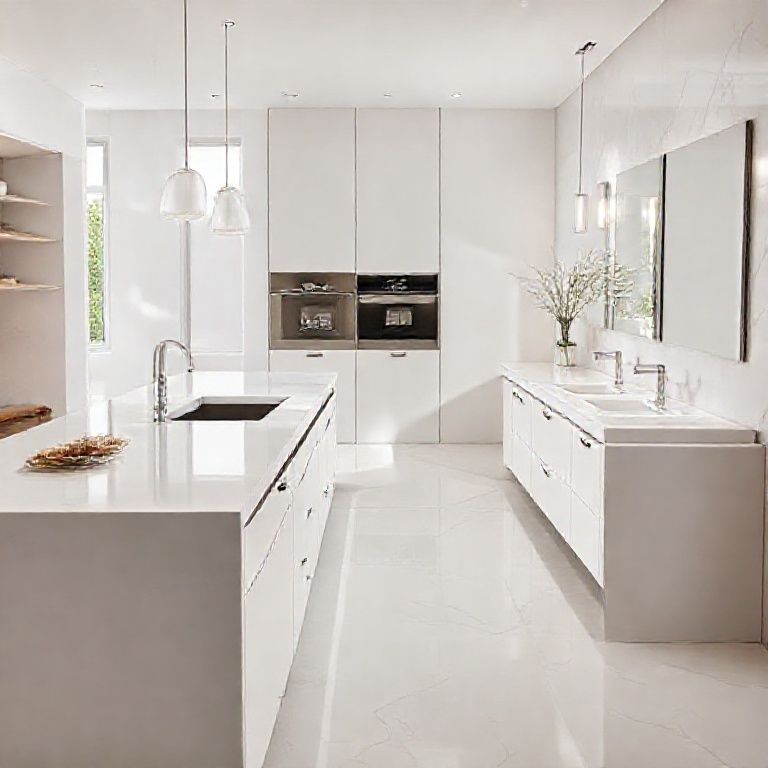
When it comes to luxury, quartz countertops strike an impressive balance between high-end quality and affordability. While they may not be the least expensive option, quartz offers a more budget-friendly alternative to natural stone countertops like marble and granite. This makes it accessible for a wider range of homeowners looking to upgrade their kitchen or bathroom without breaking the bank.
Enhanced Safety
Quartz countertops are non-porous, which means they do not absorb liquids or chemicals. This is a significant advantage in terms of safety, particularly in the kitchen. The non-porous surface prevents bacteria and germs from settling, making quartz a healthier option compared to porous materials like wood and certain types of stone. Additionally, the smooth surface of quartz reduces the risk of injury from sharp objects, as it does not have the sharp edges that can sometimes be found in natural stone.
Easy to Clean
One of the biggest benefits of quartz is its simplicity in cleaning. Unlike natural stone, which can be prone to staining and etching, quartz does not require any special cleaning products. A simple sponge and water are often enough to maintain its pristine look. This ease of cleaning is particularly beneficial for busy families and anyone who values a clean and organized kitchen or bathroom.
Environmentally Friendly
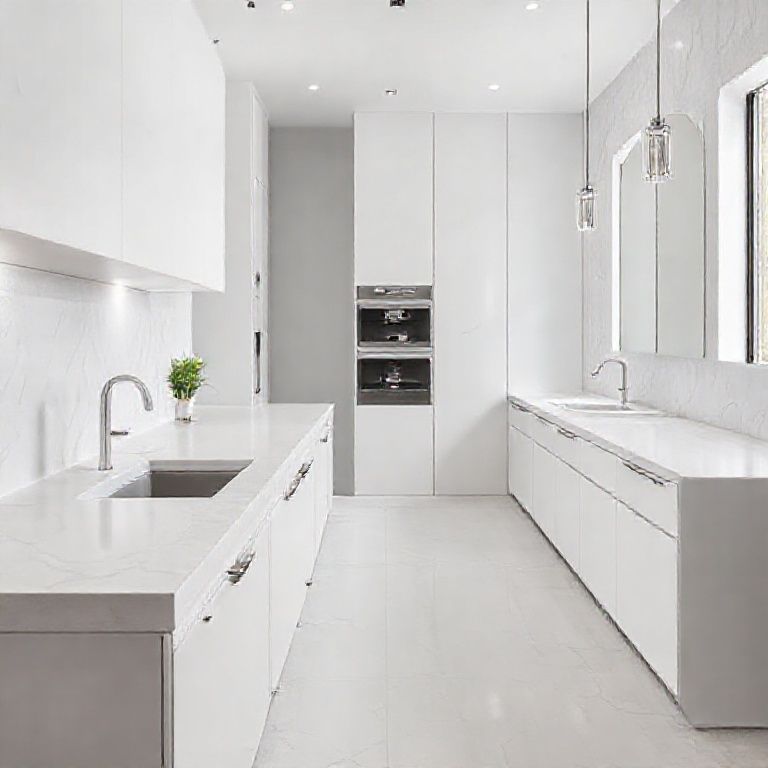
Quartz countertops are also a more sustainable choice compared to natural stone options. Since they are made from recycled materials, they significantly reduce the demand for mining natural stone, which can have a considerable environmental impact. Additionally, the production process for quartz is more energy-efficient, resulting in lower carbon emissions compared to the quarrying and processing of natural stone.
Customizability
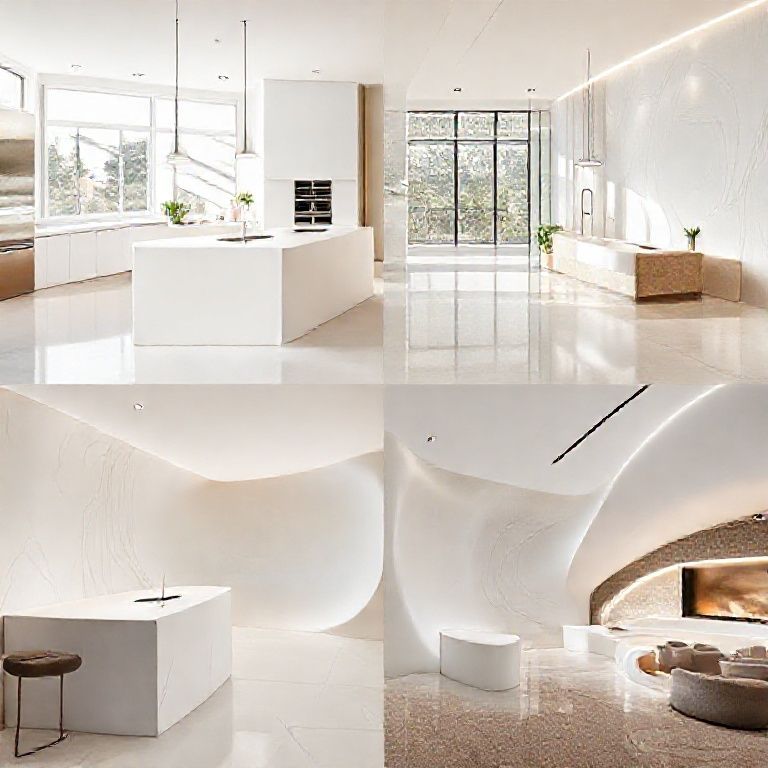
Another standout feature of quartz is its customizability. Because quartz is manufactured, it allows for a high degree of customization in terms of color, size, and design. You can create custom shapes, patterns, and even unique textures that can complement your overall design scheme. This level of flexibility means that quartz can be tailored to fit any vision, whether you are looking for a simple, sleek look or something more elaborate and intricate.
Installation and Versatility
The installation of quartz countertops is straightforward, making them an excellent choice for DIY enthusiasts or those looking for a relatively simple installation process. Whether you are doing a do-it-yourself project or hiring a professional, quartz can be installed over a variety of surfaces, including wood, concrete, and even other countertops. This versatility makes it a practical choice for both new constructions and renovations.
${part2}
While quartz countertops come with a host of advantages, it’s equally important to consider their potential drawbacks to make a well-informed decision. In this second part, we will delve into the less frequently discussed aspects of quartz, providing a balanced perspective that will help you weigh all factors before making your choice.
Initial Cost and Installation
While quartz is generally more affordable than natural stone, it still comes with a premium price tag compared to some other materials like laminate or composite. The cost can vary depending on the color, pattern, and customization level. Additionally, while the installation process for quartz is relatively simple, professional installation is often recommended to ensure a flawless finish and avoid potential issues.
Heat Sensitivity
Although quartz is incredibly durable, it is not entirely impervious to all forms of damage. One notable drawback is its sensitivity to extreme heat. While it can withstand everyday kitchen use, prolonged exposure to very high temperatures, such as those from a lit stove or direct contact with a hot pan, can cause the surface to discolor or crack. This is less of an issue with tempered quartz, but it’s still something to keep in mind if you frequently work with high heat in the kitchen.
Weight
Quartz countertops are generally heavier than some other countertop materials. This increased weight can make installation more challenging, especially for DIY projects. While professional installation will alleviate this issue, it’s something to consider if you are planning a significant remodel and are looking for a lighter option.
Limited Customization
While quartz offers extensive customization options, it is not as versatile as some natural stones when it comes to achieving very unique or highly irregular designs. Custom patterns and shapes are possible, but achieving a truly one-of-a-kind design might be more challenging compared to natural stone, which can often be carved and shaped in a highly individualized manner.
Environmental Impact
While quartz is more sustainable than some natural stone options, the manufacturing process still involves energy and materials that can have environmental impacts. The high-pressure and high-temperature processes used to create quartz do consume a significant amount of energy and produce emissions. While this is less of an issue compared to the environmental impact of quarrying natural stone, it is something to consider in the context of overall sustainability.
Potential for Surface Damage
Although quartz is highly resistant to stains and scratches, it is not completely invulnerable. While the surface is generally very hard and resistant to most forms of damage, extreme impacts or prolonged exposure to very high heat can still cause damage. This is less of an issue with tempered quartz but is something to be aware of if you have a particularly active kitchen environment.
Maintenance
While quartz countertops are low maintenance, they are not completely maintenance-free. While daily cleaning is usually simple, occasional deep cleaning may be necessary to maintain the surface’s shine and prevent any potential buildup of grime or residue. While this is not a major drawback, it’s important to factor in the time and effort required for occasional deep cleaning.
Aesthetic Limitations
While quartz offers a wide range of colors and patterns, it may still fall short for those looking for the unique beauty of natural stone. Some people prefer the organic, natural look of granite, marble, or other stones, which quartz can sometimes struggle to replicate perfectly. The uniformity of quartz means it cannot fully capture the unique, natural beauty that comes from the irregularities of natural stone.
Longevity Concerns
While quartz is a durable and long-lasting material, some people may have concerns about its longevity compared to natural stone. However, with proper care and maintenance, quartz countertops can last for decades, often outlasting many other countertop materials. The primary concern is typically related to heat damage, which can be mitigated with tempered quartz and proper installation practices.
Installation Challenges
While the installation process for quartz is relatively straightforward, it does require careful handling to avoid potential damage. Quartz is a hard and brittle material, which means it can be prone to chipping or cracking if not handled properly during installation. This can be a particular concern for DIY installations, although professional installation will typically avoid these issues.
In conclusion, quartz countertops offer an impressive array of benefits, from unmatched durability and aesthetic versatility to superior maintenance and affordability. However, it’s essential to consider the potential drawbacks, such as heat sensitivity, weight, and some limitations in customization and sustainability. By weighing these factors carefully, you can make an informed decision that will best suit your needs and preferences, ensuring that your new countertops are both beautiful and functional for years to come.