The Ultimate Guide to Repairing Artificial Stone Countertop Cracks with the Best Adhesives
Artificial stone countertops are renowned for their durability, low maintenance, and aesthetic appeal, making them a popular choice for both kitchens and bathrooms. However, despite their resilience, these countertops can occasionally develop cracks. Fortunately, with the right adhesive and some know-how, repairing these cracks is both straightforward and highly effective. This guide will walk you through the most effective methods and top-quality adhesives for fixing cracks in artificial stone countertops.

Understanding Artificial Stone Countertops
Before diving into the repair process, it’s crucial to understand what artificial stone is and why it might crack. Artificial stone, also known as composite stone, is a synthetic material made from a blend of minerals, resins, and pigments. Its composition gives it a stone-like appearance and texture while being far more durable than natural stone. Despite its strength, it can crack due to heavy impacts, thermal stress, or manufacturing imperfections.
Types of Cracks in Artificial Stone Countertops
There are various types of cracks that can appear on an artificial stone countertop, and the repair method often depends on the type of crack:
Surface Cracks: These are minor cracks that only affect the surface layer of the stone. Deep Cracks: These extend deeper into the material and can be more challenging to repair. Chips and Chips: Small pieces missing from the surface can sometimes indicate underlying cracks.

Selecting the Right Adhesive
Choosing the right adhesive is pivotal for a successful repair. Here are some of the best adhesives for artificial stone countertops:
1. Epoxy Adhesive
Epoxy adhesives are among the strongest and most versatile options for repairing cracks in artificial stone. Known for their high tensile strength and durability, epoxies bond well with a variety of materials, including composite stones. When selecting an epoxy adhesive, look for one that is specifically formulated for stone repairs. These come in two-part kits that require mixing the resin and hardener before application.
2. Polyurethane Sealant
Polyurethane sealants are another excellent choice for repairing cracks in artificial stone. They offer strong adhesion, flexibility, and resistance to water and chemicals. Polyurethane sealants are particularly useful for cracks that are subject to constant stress or exposure to moisture.
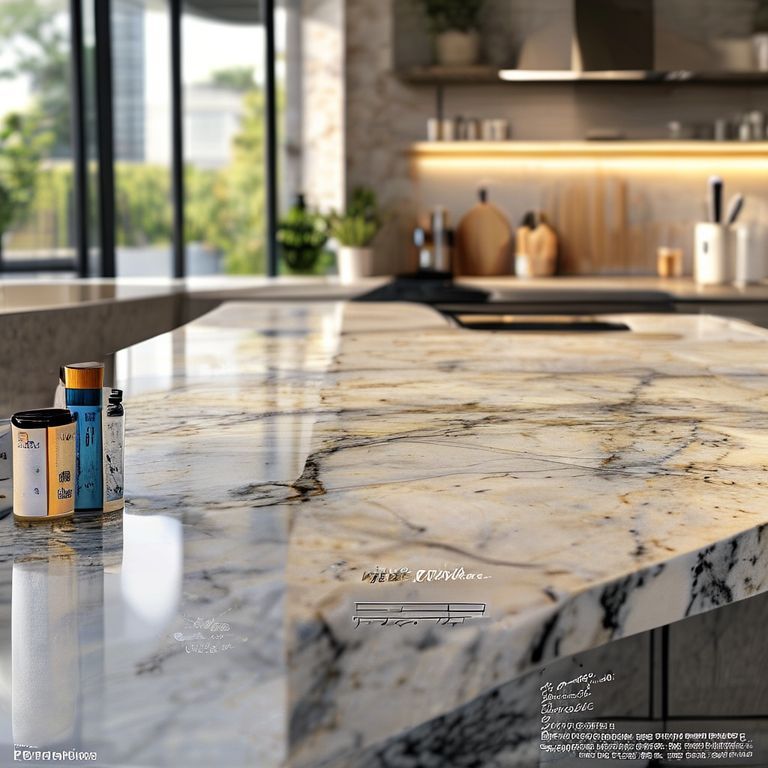
3. Two-Component Acrylic Adhesive
Two-component acrylic adhesives are known for their excellent bonding strength and ability to fill deep cracks effectively. They are also resistant to water, chemicals, and temperature changes, making them ideal for countertops in high-traffic areas.
Preparation for Repair
Proper preparation is key to ensuring a successful repair. Here are the steps to follow before applying any adhesive:
Clean the Area: Thoroughly clean the cracked area using a mild detergent and water. Ensure there is no grease, oil, or residue on the surface. Dry the Surface: Allow the area to dry completely before beginning the repair process. Sand the Crack: Lightly sand the edges of the crack to create a rough surface. This will help the adhesive bond better. Inspect the Crack: Determine the depth and width of the crack to choose the appropriate adhesive and ensure it can adequately fill the gap.
Repair Process
Step-by-Step Guide to Using Epoxy Adhesive
Mix the Epoxy: Follow the manufacturer’s instructions to mix the epoxy resin and hardener. Typically, this involves using a mixing stick to combine equal parts of resin and hardener in a container. Apply the Epoxy: Using a spatula or a brush, apply a thin, even layer of epoxy to the crack. Ensure that the epoxy penetrates the entire depth of the crack. Clamp the Crack: If the crack is large, use clamps to hold the pieces together while the epoxy cures. This ensures a tight bond. Let it Cure: Allow the epoxy to cure according to the manufacturer’s instructions, which can range from several hours to overnight.
Step-by-Step Guide to Using Polyurethane Sealant
Clean and Prepare the Crack: Ensure the crack is clean and dry. Lightly sand the edges if necessary. Apply the Sealant: Use a caulking gun to apply a bead of polyurethane sealant into the crack. Fill the crack completely, ensuring no gaps remain. Smooth the Surface: Use a damp finger or a caulking tool to smooth the sealant and remove any excess. Cure the Sealant: Allow the sealant to cure as per the manufacturer’s recommendations, typically around 24 hours.
Final Touches and Maintenance
After the adhesive has cured, it’s essential to finish the repair to ensure longevity and aesthetic appeal:
Polish the Area: Use a stone polish or a similar product to match the finish of the surrounding countertop. Regular Maintenance: Regularly clean the countertop with a stone-safe cleaner to maintain its appearance and prevent future cracks.
Conclusion
Repairing cracks in artificial stone countertops is a manageable task with the right adhesive and some patience. By understanding the types of cracks, selecting the appropriate adhesive, and following a detailed repair process, you can restore your countertop to its original beauty. Whether you choose epoxy, polyurethane, or acrylic adhesive, these materials provide strong, durable solutions that will keep your countertops looking great for years to come.
Stay tuned for the second part of this guide, where we will delve deeper into advanced repair techniques and additional tips for maintaining your artificial stone countertops.
Advanced Techniques for Repairing Artificial Stone Countertop Cracks
Building on the foundational knowledge from the first part, this section will explore advanced techniques for repairing complex cracks in artificial stone countertops. Whether you’re dealing with deep fissures, multiple cracks, or intricate designs, mastering these methods will ensure your countertops remain flawless and durable.
Handling Complex Cracks
Deep Cracks and Fissures
Deep cracks and fissures in artificial stone countertops can be particularly challenging to repair. These cracks often require more than just a standard adhesive application. Here’s a step-by-step approach for addressing these complex issues:
Assess the Damage: Before starting the repair, carefully assess the depth and width of the crack. Determine if the crack is straight or if it has multiple branches. Clean Thoroughly: Deep clean the area around the crack. Use a degreaser to remove any oils or residues that could prevent proper adhesion. Use a Crack Filler: For deep cracks, consider using a crack filler specifically designed for stone repairs. These products often contain fibers or other materials that help to reinforce the repair. Apply Epoxy Reinforced Adhesive: For added strength, use an epoxy adhesive reinforced with fibers. Mix the epoxy according to the manufacturer’s instructions and apply it into the crack. Use clamps to hold the pieces together while the epoxy cures. Smooth and Cure: After the epoxy has cured, smooth the surface with a stone polish or a similar product to blend it with the surrounding countertop.
Multiple Cracks and Chips
When dealing with multiple cracks or chips, a systematic approach is essential to ensure a clean and professional repair:
Isolate Each Crack: Begin by addressing each crack individually. Clean and prepare each area thoroughly before moving on to the next. Use a Multi-Component Adhesive: For multiple cracks, consider using a multi-component adhesive that offers strong bonding and flexibility. These adhesives often provide better filling capabilities for complex repairs. Apply and Clamp: Apply the adhesive to each crack and use clamps to hold the pieces together. Ensure that the clamps exert even pressure to prevent further damage. Cure and Polish: Allow the adhesive to cure fully. Once cured, polish the repaired areas to match the surrounding finish.
Expert Tips for Precision Repair
Using Specialized Tools
To achieve a precise repair, consider using specialized tools designed for stone countertop repairs:
Caulking Gun: A high-quality caulking gun is essential for applying adhesives accurately and in the right amount. Mixing Stick: Use a mixing stick to ensure the adhesive components are thoroughly combined. Clamps: Various sizes of clamps can help hold cracked pieces together during the curing process.
Matching the Finish
修复后的保养和维护
定期清洁: 使用专用的石材清洁剂和软布来清洁台面。避免使用酸性或碱性清洁剂,这些可能会损害石材表面。 定期进行清洁,可以延长台面的使用寿命,并保持其美观。 涂抹护理剂: 每隔几个月,可以使用石材护理剂来保护台面表面。护理剂不仅能增加光泽,还能形成一层保护膜,抵御污渍和损伤。
防止溅洒: 在烹饪时,尽量使用不粘锅具和垫上锅盖来减少溅洒。 使用石材专用的切菜板,以减少厨具与台面直接接触,防止划伤。 处理溢出物: 烹饪或冲洗食物时,溢出的液体应及时清理。如果是难以清理的污渍,使用适当的清洁剂来处理,避免长期残留。
预防性措施
使用石材保护垫: 在台面上进行烹饪或其他活动时,使用石材保护垫可以避免直接接触台面,从而减少可能造成的划痕和损伤。 避免使用钢丝球和钢丝刷: 钢丝球和钢丝刷虽然能有效清洁,但它们可能会对石材表面造成划伤,最好避免使用。 小心搬运重物: 在台面上搬运重物时,确保物品放置在平坦的区域,并尽量避免直接撞击台面。
专业维修
如果你发现修复后的区域仍然有问题,或者遇到无法自行解决的情况,建议寻求专业的石材维修服务。专业人员有经验和专业设备,可以确保修复工作的高质量。