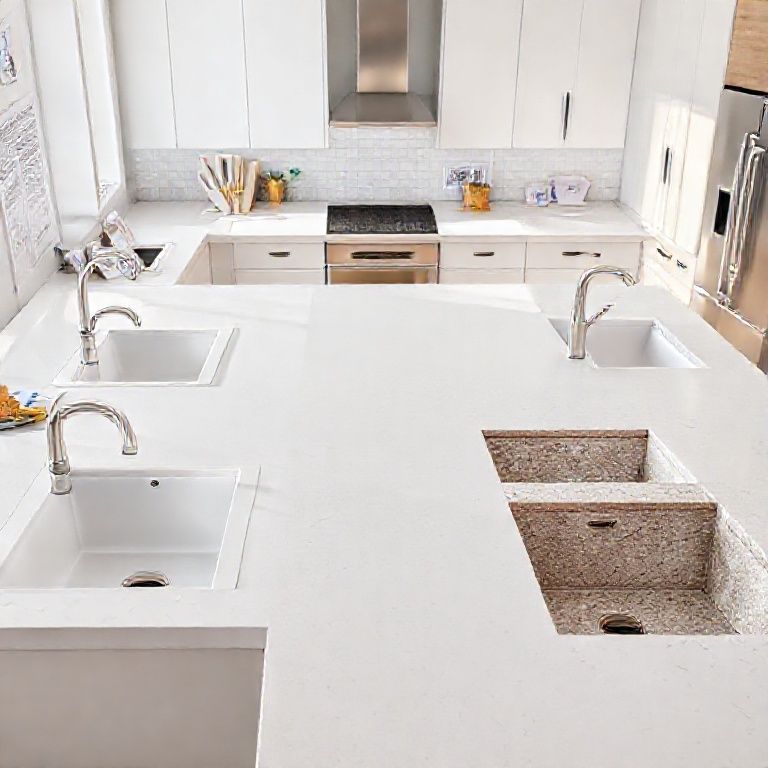
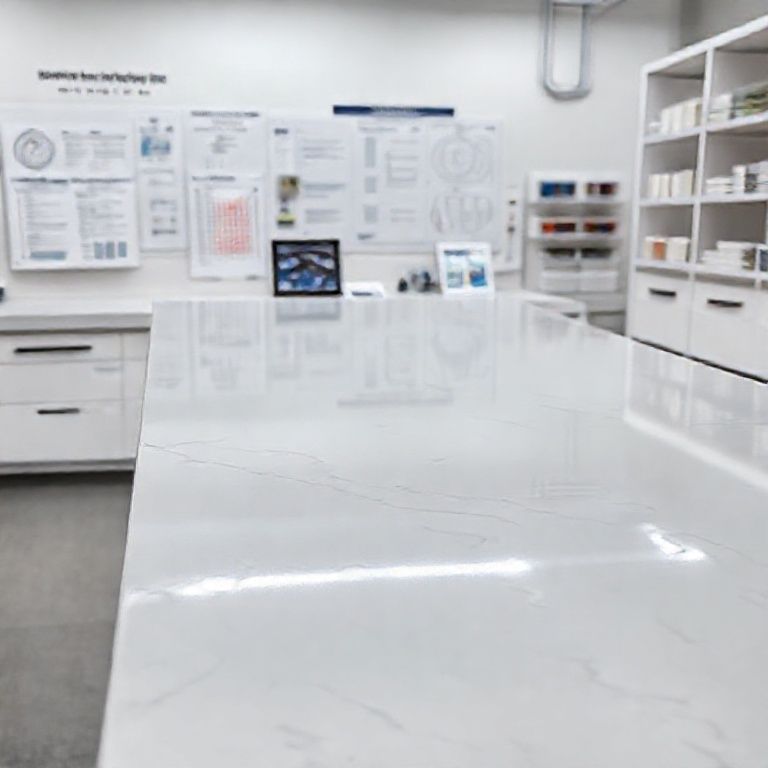
In today’s world of modern kitchen and bathroom design, artificial stone countertops have become a popular choice for their durability, aesthetics, and ease of maintenance. However, like any material, they can develop cracks over time due to various factors such as heavy objects, thermal shock, or even manufacturing defects. Understanding how to repair cracks in artificial stone countertops is essential for maintaining their beauty and functionality.

Understanding the Causes of Cracks in Artificial Stone Countertops
Before diving into the repair process, it’s important to understand why cracks occur in artificial stone countertops. These materials, often made from a combination of natural stone dust and resin, can be prone to cracking if subjected to:
Heavy Objects: Dropping a heavy item or placing a hot pot directly on the surface can cause immediate cracking. Thermal Shock: Rapid temperature changes, such as placing a hot item on a cold surface, can lead to cracks. Manufacturing Defects: Occasionally, cracks can be due to imperfections in the manufacturing process.
Tools and Materials Needed for Repair
To repair cracks in artificial stone countertops, you’ll need a few specific tools and materials:
Epoxy Resin: This is the primary material for repairing cracks. Choose a high-quality, clear epoxy resin specifically designed for stone. Mixing Tools: Small spatulas or mixing sticks for applying the epoxy. Sandpaper: Fine-grit sandpaper for smoothing out the epoxy after it cures. Protective Gear: Gloves, goggles, and a mask to protect yourself during the repair process. Cleaning Supplies: A soft cloth and a cleaner suitable for stone surfaces to ensure the area is clean before applying the epoxy.

Step-by-Step Repair Process
Now that you have your materials ready, let’s delve into the repair process:
Preparation: Clean the Area: Start by thoroughly cleaning the cracked area with a suitable cleaner. Ensure it is free from dust, grease, and any other contaminants. Dry Completely: Allow the area to dry completely before proceeding. Apply the Epoxy Resin: Mix the Epoxy: Follow the manufacturer’s instructions to mix the epoxy resin. Typically, this involves combining the resin and hardener in a designated container. Apply the Epoxy: Using the spatula, apply a thin layer of epoxy to the crack. Make sure to fill the crack completely. Smooth the Surface: Use the spatula to smooth the epoxy over the crack, ensuring it is level with the surrounding surface. Cure the Epoxy: Allow to Cure: Let the epoxy cure as per the instructions on the packaging. This usually takes several hours, but it’s essential to follow the specific curing time recommended for the product you are using. Finishing Touches: Sand the Area: Once the epoxy has cured, use fine-grit sandpaper to smooth out the surface. This will ensure a seamless finish that blends with the rest of the countertop. Clean Again: Wipe down the area with a clean, dry cloth to remove any dust from sanding.
Preventative Measures
Preventing cracks in artificial stone countertops is always better than repairing them. Here are some tips to help keep your countertops in top condition:
Use Coasters: Always use coasters or trivets for hot items to prevent thermal shock. Avoid Sharp Objects: Do not drag heavy or sharp objects across the surface to avoid causing cracks. Regular Maintenance: Regularly clean and maintain your countertops to prevent the buildup of grime and debris that could lead to cracks.

Conclusion
Repairing cracks in artificial stone countertops doesn’t have to be a daunting task. With the right tools, materials, and techniques, you can restore your countertops to their original beauty and functionality. Remember, understanding the causes of cracks and taking preventative measures can go a long way in maintaining the longevity of your stone surfaces. Stay tuned for the second part of our guide where we will cover more advanced repair techniques and additional maintenance tips.
Advanced Repair Techniques and Maintenance Tips for Artificial Stone Countertops
In our first part, we covered the basics of repairing cracks in artificial stone countertops. Now, let’s delve deeper into more advanced repair techniques and additional maintenance tips to ensure your countertops remain pristine for years to come.
Advanced Epoxy Repair Techniques
While the basic epoxy repair method is effective, there are advanced techniques that can provide even better results:

Two-Part Epoxy System: Enhanced Strength: Two-part epoxy systems offer greater strength and durability compared to single-part systems. They involve mixing two components to create a stronger bond. Application: Use a mixing container to thoroughly mix the epoxy components according to the manufacturer’s instructions before applying it to the crack. Color-Matched Epoxy: Aesthetic Perfection: For a flawless finish, choose an epoxy that matches the color of your artificial stone countertop. This ensures that the repaired area blends seamlessly with the surrounding surface. Application: Apply the color-matched epoxy using the same method as standard epoxy but take extra care to match the hue perfectly. Silicone Sealant: Waterproofing: Silicone sealant can be used in conjunction with epoxy to provide an additional layer of waterproofing and protection. Application: After curing the epoxy, apply a thin layer of silicone sealant over the repaired area to enhance its durability and protect against future damage.
Professional Repair Services
While DIY repairs are often sufficient for minor cracks, more extensive damage may require professional intervention. Here’s when to consider professional repair services:
Large or Multiple Cracks: If your countertop has multiple or large cracks, a professional can provide a more durable and aesthetically pleasing repair. Complex Repairs: Professionals have specialized tools and techniques that can handle intricate repair jobs, ensuring a seamless finish. Warranty Considerations: Many manufacturers offer warranties on their countertops. DIY repairs may void the warranty, so consulting a professional can sometimes be more beneficial.
Maintenance Tips to Extend the Life of Your Countertops
Proper maintenance is key to keeping artificial stone countertops looking and functioning their best. Here are some advanced maintenance tips:
Regular Cleaning: Daily Cleaning: Wipe down the countertop daily with a damp cloth and a mild cleaner. Avoid harsh chemicals that can damage the stone surface. Deep Cleaning: Every few months, use a stone-specific cleaner to deep clean the surface. Follow with a rinse and dry with a soft cloth. Avoiding Abrasive Cleaners: Soft Cloths: Always use non-abrasive, soft cloths to clean your countertops. Avoid sponges or any cleaning tools that could scratch the surface. Avoiding Steel Wool: Never use steel wool or any abrasive scrubbers on your artificial stone countertops as they can cause significant damage. Sealing the Surface: Regular Sealing: Depending on the level of exposure to moisture and food spills, consider periodically sealing the countertop. A high-quality stone sealant can provide an extra layer of protection. Application: Apply the sealant according to the manufacturer’s instructions, usually involving a thorough cleaning followed by a light sanding before application. Proper Use of Utensils: Using Coasters and Trivets: Always use coasters or trivets for hot items to prevent thermal shock and potential cracking. Avoiding Sharp Objects: Do not drag heavy or sharp objects across the surface to avoid causing cracks.
Conclusion
Repairing cracks in artificial stone countertops can be a straightforward task with the right approach and materials. Advanced techniques like color-matched epoxy and silicone sealants can provide superior results. For extensive damage, professional repair services are a reliable option. By incorporating regular maintenance practices such as regular cleaning, avoiding abrasive cleaners, and periodic sealing, you can ensure your countertops remain in pristine condition for years to come.
Artificial stone countertops are a beautiful and durable choice for your kitchen and bathroom, but like any material, they require proper care and attention. By following these expert tips and techniques, you can keep your countertops looking and functioning their best.
Final Thoughts
Understanding and implementing the right techniques for repairing cracks in artificial stone countertops is crucial for maintaining their beauty and functionality. Whether you opt for a DIY approach or seek professional help, the key is to address issues promptly to prevent further damage. Regular maintenance and proper care will ensure your countertops remain a stunning focal point in your home for many years to come.