The Ultimate Guide to Repairing Cracks in Artificial Stone Countertops with Adhesives: Does It Really Work?
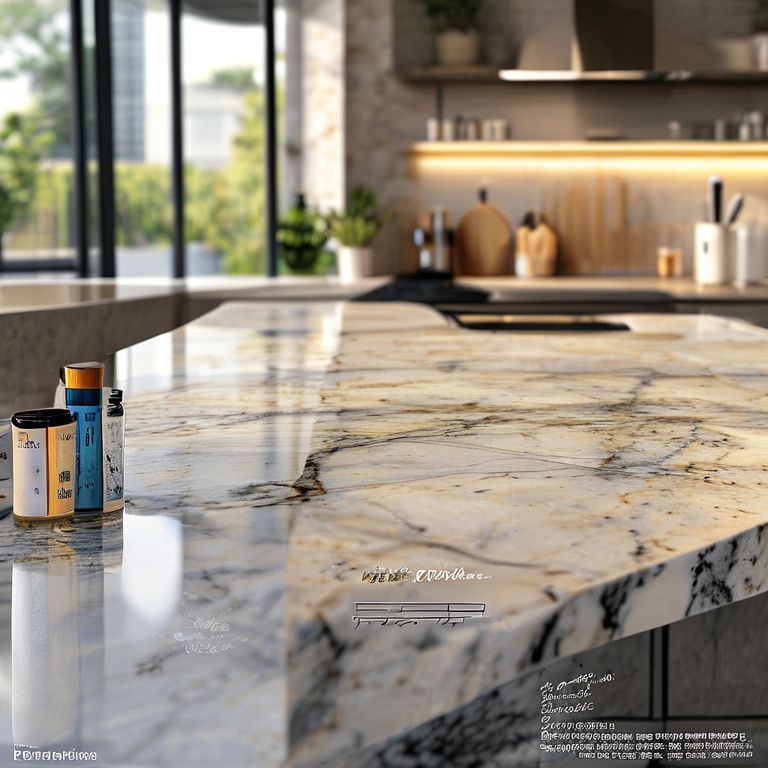
Artificial stone countertops have surged in popularity due to their durability, aesthetic appeal, and low maintenance requirements. However, even the most robust materials can develop cracks over time, whether from heavy objects, improper installation, or natural wear and tear. When cracks appear, the question often arises: “Can we fix them using specialized adhesives, and does it really work?” This guide will explore the ins and outs of repairing cracks in artificial stone countertops with adhesives, providing you with detailed, expert insights to restore your countertops to their former glory.
Understanding Artificial Stone Countertops
Before diving into repair methods, it’s crucial to understand what artificial stone countertops are. These countertops are made from a mixture of natural stone powders, such as limestone or marble, combined with resins and pigments. The result is a material that mimics the appearance of natural stone while offering enhanced durability and resistance to stains and scratches.
Identifying Crack Types
Not all cracks are created equal, and the type of crack will dictate the best repair method. Common types include:
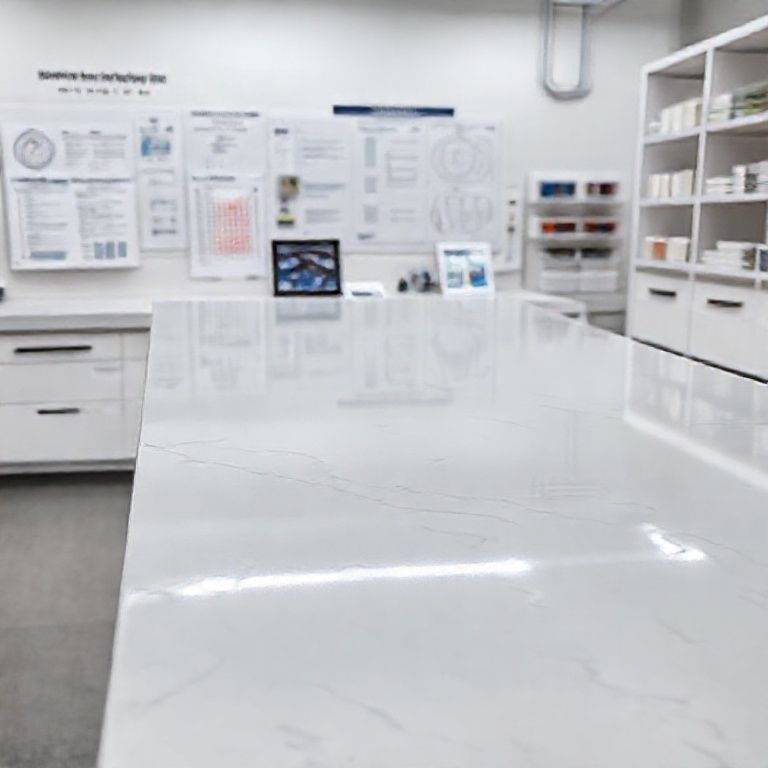
Surface Cracks: Small, superficial cracks on the surface of the countertop. Deep Cracks: Cracks that extend deeper into the material, often caused by impact or excessive weight. Hairline Cracks: Tiny, thin cracks that may be barely visible but can lead to larger issues if left untreated.
Understanding the type of crack will help you determine whether an adhesive is the right solution and which adhesive to use.
The Role of Adhesives in Crack Repair
Adhesives are specially formulated to bond with artificial stone materials, providing a durable and aesthetically pleasing repair. These adhesives are designed to penetrate deep into the cracks and create a strong bond, ensuring that the repair holds up over time.
Benefits of Using Adhesives for Crack Repair
Durability: Adhesives provide a long-lasting bond that can withstand everyday use. Aesthetic Appeal: High-quality adhesives offer a seamless repair that blends with the existing countertop surface. Ease of Use: Most adhesives are user-friendly and can be applied with minimal tools or equipment. Cost-Effective: Repairing a crack with adhesives is often more affordable than replacing the entire countertop.
Choosing the Right Adhesive
When selecting an adhesive for repairing artificial stone countertops, consider the following factors:
Compatibility: Ensure the adhesive is specifically designed for artificial stone. Bonding Strength: Look for adhesives with high bonding strength to ensure a durable repair. Ease of Application: Choose an adhesive that is easy to apply and cure. Finish: Opt for an adhesive that matches the color and finish of your countertop for a seamless repair.
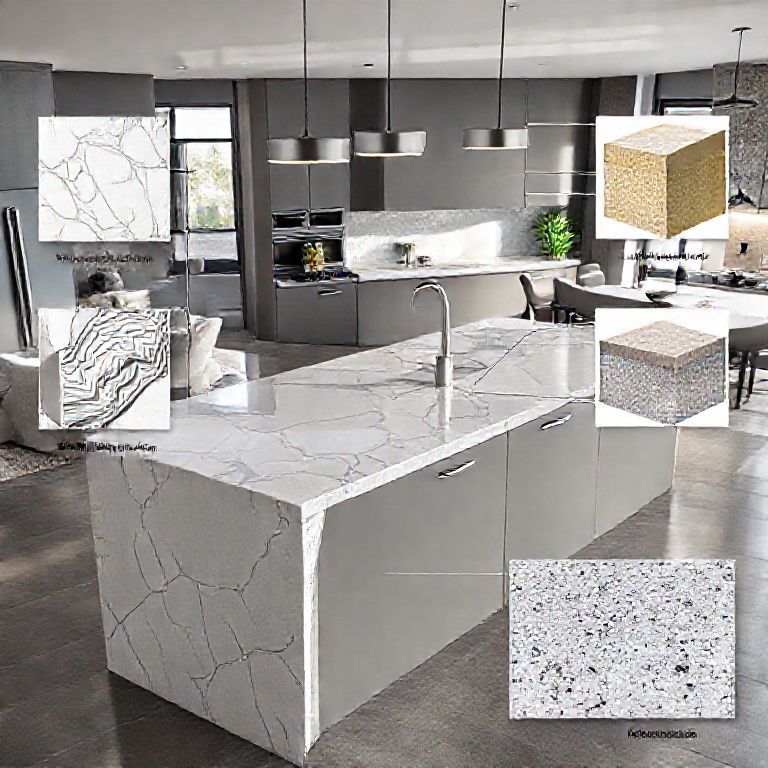
Popular brands like Loctite, Gorilla Glue, and Mapei offer specialized adhesives for stone countertops.
Step-by-Step Repair Process
Repairing cracks in artificial stone countertops using adhesives is a straightforward process. Here’s a step-by-step guide to ensure a successful repair:
Clean the Area: Thoroughly clean the cracked area with a damp cloth to remove any dust, dirt, or debris. Allow the area to dry completely.
Prepare the Crack: Use a sharp utility knife or a similar tool to widen the crack slightly. This helps the adhesive penetrate deeper into the crack.
Apply the Adhesive: Using a syringe or a caulking gun, apply the adhesive into the crack. Follow the manufacturer’s instructions for the correct amount and application technique.
Smooth the Adhesive: Once the adhesive is applied, use a clean, dry cloth or a spatula to smooth it out and ensure it fills the crack completely.
Cure the Adhesive: Allow the adhesive to cure as per the manufacturer’s instructions. This usually involves leaving the area undisturbed for a specific period.
Inspect the Repair: After curing, inspect the repair to ensure the adhesive has fully bonded and the crack is sealed. Clean any excess adhesive with a damp cloth.
Final Touches: If necessary, use a matching sealant or polish to restore the countertop’s finish and ensure it blends seamlessly with the surrounding surface.
Long-Term Maintenance and Prevention
To ensure the longevity of your repaired countertops, follow these maintenance tips:
Regular Cleaning: Clean your countertops regularly to remove spills and stains promptly. Use a gentle cleaner suitable for artificial stone. Avoid Sharp Objects: Place heavy objects on trivets or pads to prevent direct impact that can cause cracks. Use Protective Pads: Place coasters, hot pots, and other heat sources on protective pads to avoid thermal shock. Inspect Regularly: Regularly inspect your countertops for any signs of cracks or damage and address them promptly to prevent further issues.
By following these guidelines, you can maintain the beauty and integrity of your artificial stone countertops for years to come.
The Ultimate Guide to Repairing Cracks in Artificial Stone Countertops with Adhesives: Does It Really Work?
In the previous part, we explored the fundamentals of repairing cracks in artificial stone countertops using specialized adhesives. Now, let’s delve deeper into the effectiveness of these adhesives, addressing common concerns and providing expert advice to ensure a successful repair.
Evaluating the Effectiveness of Adhesive Repairs
When it comes to repairing cracks in artificial stone countertops, the effectiveness of adhesives largely depends on several factors:
Crack Size and Depth: Adhesives work best on smaller cracks or hairline fissures. For larger, deep cracks, adhesives may not provide a strong enough bond, and professional repair services might be required.
Adhesive Quality: Using a high-quality adhesive specifically designed for artificial stone is crucial. Lower-grade adhesives may not bond as effectively, leading to a weaker repair.
Application Technique: Proper application technique is essential for a successful repair. Applying too much adhesive or not following the manufacturer’s instructions can result in a poor bond.
Cure Time: Adhesives need sufficient time to cure properly. Skipping the recommended cure time can compromise the strength of the repair.
Common Concerns and Solutions
Many homeowners have concerns about the durability and aesthetic appeal of adhesive repairs. Here are some common concerns and expert solutions:
Concern 1: Adhesive Visibility
Problem: Some people worry that the adhesive will be visible and ruin the aesthetic appeal of the countertop.
Solution: Choose an adhesive that matches the color of your countertop. High-quality adhesives are designed to blend seamlessly with the existing surface. Apply the adhesive thinly and evenly to minimize any visible difference.
Concern 2: Adhesive Peeling or Discoloration
Problem: Over time, some adhesives may peel or discolor, compromising the repair.
Solution: Use a reputable brand known for its durability and longevity. Follow the manufacturer’s instructions carefully to ensure proper application and curing. If discoloration occurs, gently clean the area with a mild cleaner suitable for artificial stone.
Concern 3: Insufficient Bond Strength
Problem: Adhesives may not provide enough bond strength for larger cracks or impact damage.
Solution: For larger cracks, consider professional repair services or using a stronger, structural adhesive designed for heavy-duty repairs. If adhesives are insufficient, structural fillers or epoxy may be more appropriate.
Advanced Repair Techniques
While adhesives are effective for many crack repairs, some situations may require advanced techniques:
Structural Fillers: For deep or large cracks, structural fillers can provide a stronger bond. These fillers are designed to fill large gaps and provide a more robust repair.
Epoxy: Epoxy is a high-strength adhesive often used in professional settings. It offers superior bonding strength and is suitable for larger, more severe repairs.
Composite Repair Kits: These kits often include a combination of adhesive, filler, and polishing compounds to provide a comprehensive repair solution.
Professional Repair Services: For complex repairs or when unsure about the best approach, hiring a professional repair service can ensure the job is done correctly.
Expert Tips for Successful Repairs
To maximize the effectiveness of adhesive repairs, follow these expert tips:
这些方法可以在遇到更大或更复杂的裂缝时特别有用。
1. 结构填充材料
结构填充材料(也称为结构填缝剂)是专门设计用来填补和修复大裂缝的材料。这类填充材料具有更高的强度和耐久性,适合用于需要承受更大压力的区域。
步骤:
清洁裂缝区域,确保没有灰尘、油脂或其他杂质。 使用钢刷或砂纸将裂缝表面打磨光滑。 将结构填充材料挤入裂缝中,尽量填满整个裂缝。 用抹刀将多余的填充材料抹平,使其与台面表面齐平。 等待填充材料完全干燥,通常需要几小时。
2. 环氧树脂
环氧树脂是一种强力粘合剂,广泛用于修复各种材料的裂缝和破损。它具有出色的强度和耐久性。
步骤:
将环氧树脂和硬化剂按照说明书上的比例混合。 用注射器将混合物挤入裂缝中,确保填满裂缝。 用抹刀将多余的树脂抹平,使其与台面表面齐平。 等待树脂完全固化,通常需要24小时。
3. 专业修复工具和设备
对于大面积或特别复杂的裂缝,专业修复工具和设备可能是最佳选择。这些设备可以提供更精确和更持久的修复效果。
常用设备:
高压注塑机:用于注入高强度填充材料。 电动打磨机:用于准备裂缝表面。 研磨机:用于抛光和平整修复后的表面。
步骤:
使用电动工具准备裂缝表面,清洁和打磨。 根据设备说明书操作设备,将高强度修复材料注入裂缝。 使用研磨机抛光修复后的表面,使其与台面表面齐平。
4. 预防措施
为了避免未来再次出现裂缝,采取以下预防措施也是非常重要的:
避免冲击:避免在台面上放置过重或尖锐物品。 合适的清洁:使用适当的清洁剂和工具清洁台面,避免使用过猛的清洁方法。 定期检查:定期检查台面,发现早期裂缝及时修复。 保护措施:在台面上放置保护垫或垫子,尤其是在放置热锅具或重物时。
5. 专业修复服务
如果你不确定如何进行复杂的修复,或者裂缝特别严重,考虑聘请专业修复服务。专业人员具备经验和专业设备,可以提供更持久和美观的修复效果。
步骤:
联系专业修复服务公司,描述问题的详细情况。 安排技术人员到现场检查和评估损坏情况。 根据评估结果,与技术人员讨论修复方案和费用。 在确认方案后,由专业人员进行修复。
希望这些信息能帮助你更全面地了解如何修复人造石台面裂缝。如果你有任何具体问题或需要进一步的建议,请随时告知!