Understanding Artificial Stone Countertops and Their Common Issues
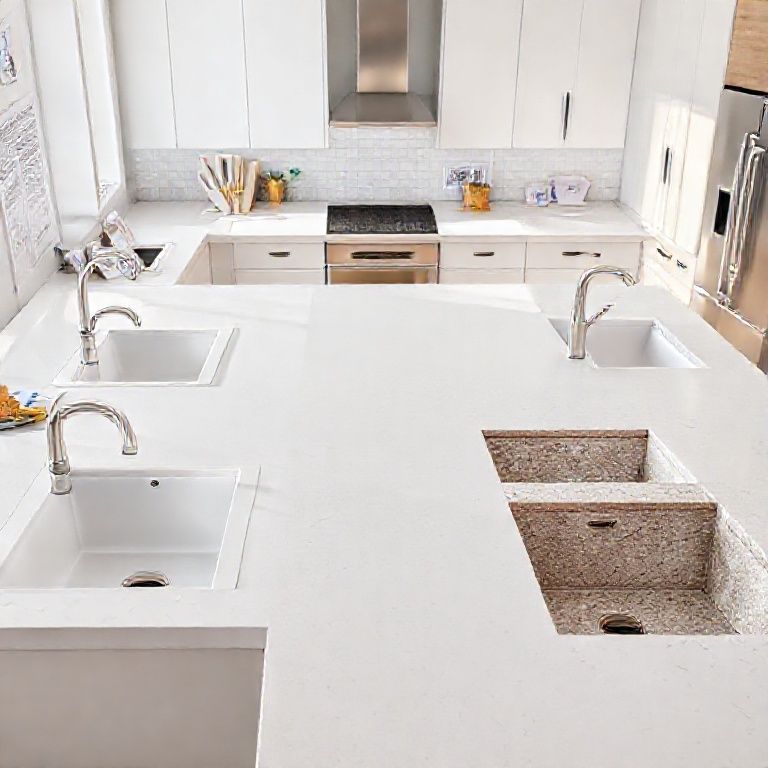
Artificial stone countertops are a popular choice for modern kitchens and bathrooms due to their durability, aesthetic appeal, and relatively low maintenance. Composed of a blend of natural stone powder, resin, and other additives, these countertops mimic the look of natural stone while offering enhanced resistance to scratches and stains. However, despite their robustness, artificial stone countertops can still develop cracks over time due to various factors such as accidental impacts, improper installation, or even normal wear and tear.

Why Cracks Occur in Artificial Stone Countertops
Artificial stone is a composite material that, while durable, is not invincible. Cracks can occur for several reasons:
Impact Damage: Even a minor drop or impact can cause a crack, especially if the countertop wasn’t properly secured to the cabinet or structure. Thermal Stress: Rapid changes in temperature can cause expansion and contraction, leading to cracks. Manufacturing Flaws: Occasionally, manufacturing defects can result in weak spots that are more susceptible to cracking. Installation Errors: Improper installation techniques can result in misalignment or uneven weight distribution, causing stress points that lead to cracks.
The Importance of Repairing Cracks
Ignoring cracks in artificial stone countertops can lead to more severe issues over time. Not only do cracks compromise the aesthetic appeal of your kitchen or bathroom, but they can also lead to water infiltration, which can damage the underlying structure and cause mold growth. Additionally, visible cracks can make your countertops look outdated and poorly maintained.

Choosing the Right Adhesive for Repair
Selecting the right adhesive for repairing cracks in artificial stone countertops is crucial for ensuring that the repair is both durable and aesthetically pleasing. Here are some key considerations when choosing an adhesive:
Compatibility: The adhesive must be compatible with the specific type of artificial stone you have. Not all adhesives work equally well with all types of composite materials. Bonding Strength: The adhesive should have strong bonding capabilities to effectively repair cracks without the risk of the repair itself failing. Ease of Application: An easy-to-use adhesive can save you time and effort, making the repair process more manageable. Aesthetic Match: The color and finish of the adhesive should match the artificial stone to ensure a seamless repair.
Top Adhesives for Artificial Stone Countertop Repair
Several high-quality adhesives are specifically designed for repairing artificial stone countertops. Here are some of the best options available:

Epoxy Resins: Epoxy resins are renowned for their exceptional bonding strength and durability. They are particularly effective for repairing deep cracks and provide a strong, long-lasting bond. Epoxy resins are available in a variety of colors, allowing for a perfect match to the artificial stone.
Polyurethane Adhesives: Polyurethane adhesives are another excellent choice for artificial stone repair. They offer excellent bonding strength and are resistant to water, making them ideal for kitchen and bathroom countertops. Polyurethane adhesives are also easy to apply and come in various shades to match your countertop.
Silicone Sealant: While silicone sealant is not typically used for major repairs, it can be very effective for smaller cracks and joints. Silicone sealants provide excellent flexibility and water resistance, making them suitable for areas where movement is expected.

PVC Cement: For repairs involving PVC elements in your artificial stone countertop, PVC cement can be an effective adhesive. It is strong and flexible, providing a durable bond that can withstand regular use.
Application Techniques
Using the right adhesive is only part of the equation; the application technique is equally important for a successful repair. Here are the steps to follow when repairing cracks in artificial stone countertops:
Preparation: Clean the cracked area thoroughly to remove any dirt, grease, or debris. Use a mild detergent and a soft cloth to ensure the surface is clean and dry before applying the adhesive.
Mixing: If you are using a two-part adhesive like epoxy resin, mix the components according to the manufacturer’s instructions. Ensure that you achieve a uniform consistency.
Application: Apply the adhesive directly into the crack using a syringe or a caulking gun. Apply a thin, even layer to ensure complete coverage of the crack. For larger cracks, you may need to apply multiple layers, allowing each layer to dry before applying the next.
Smoothing: Use a clean, dry cloth to smooth the adhesive over the crack. This helps to eliminate air bubbles and ensures a seamless finish.
Curing: Allow the adhesive to cure as per the manufacturer’s instructions. This may take several hours or even days, depending on the product used.
Finishing: Once the adhesive has fully cured, you can sand the area lightly if necessary to achieve a smooth finish. For a perfect match, consider using a colored adhesive that matches your countertop.
In the next part, we will delve deeper into advanced repair techniques, troubleshooting common issues, and maintenance tips to keep your artificial stone countertops looking pristine.
Advanced Techniques and Maintenance Tips for Long-Lasting Results
In the previous part, we covered the basics of repairing cracks in artificial stone countertops and introduced some of the best adhesives and application techniques. Now, let’s dive deeper into advanced repair methods and maintenance tips to ensure your repairs not only look great but also last for years to come.
Advanced Repair Techniques
While basic repair methods are often sufficient for minor cracks, larger or more complex cracks may require advanced techniques to achieve a seamless and durable repair. Here are some advanced methods to consider:
Crack Injection: For deep and extensive cracks, crack injection is an effective technique. This involves injecting a specialized adhesive directly into the crack using a syringe. The adhesive fills the crack and hardens, providing a strong bond that can withstand regular use. This method is particularly useful for large, irregular cracks that are difficult to repair with standard application techniques.
Crack Filling: For cracks that are wide or deep, a crack filling technique may be necessary. This involves removing a small section of the artificial stone around the crack and filling the gap with a specialized filler or composite material. Once the filler has cured, the area can be sanded and polished to match the surrounding surface.
Surface Bonding: For cracks that run along the surface of the countertop, surface bonding is an effective technique. This involves applying a thin layer of adhesive to the crack and pressing the edges together firmly to create a bond. This method is ideal for small to medium-sized surface cracks.
Troubleshooting Common Repair Issues
Even with the best adhesives and techniques, there are common issues that can arise during the repair process. Here’s how to troubleshoot and resolve these problems:
Uneven Color: If the repaired area doesn’t match the color of the countertop, consider using a color-matched adhesive or a specialized colorant mixed into the adhesive to achieve a seamless blend.
Adhesive Bubbles: If air bubbles form during application, gently remove them with a needle or a fine tool while the adhesive is still wet. Once the adhesive has cured, sanding the area lightly can help smooth out any imperfections.
Weak Bond: If the repair doesn’t hold, ensure that the surface was properly cleaned and prepared before application. In some cases, additional reinforcement may be necessary, such as using a mesh or fabric impregnated with adhesive to provide extra support.
Maintenance Tips to Prolong Your Repairs
To ensure that your repairs last as long as possible, it’s important to follow proper maintenance practices. Here are some tips to keep your artificial stone countertops in top condition:
Regular Cleaning: Clean your countertops regularly using mild detergents and soft cloths. Avoid using abrasive cleaners or scrubbers that can scratch the surface.
Immediate Repair: Address any new cracks or chips immediately to prevent them from worsening. Small repairs are easier and less costly than dealing with larger, more extensive damage.
Avoiding Impact: To prevent cracks from occurring in the first place, avoid placing heavy objects directly on the countertop without a trivet or coaster. Always use cutting boards, pots, and pans with soft pads to reduce the risk of impact damage.
Heat Management: Be cautious with hot pots and pans. Allow them to cool slightly before placing them on the countertop to reduce the risk of thermal stress.
Professional Help: For complex repairs or if you’re unsure about the best approachto extend the advice on maintaining and prolonging the life of repairs for artificial stone countertops:
Use Appropriate Cutting Boards and Tools
When working with artificial stone countertops, it’s crucial to use the right tools and materials. Always use wooden or plastic cutting boards rather than glass or metal ones to avoid scratches and chips. When cutting through the countertop, use a fine-grit diamond blade instead of a steel blade, which can cause abrasions.
Temperature Control
Artificial stone can be sensitive to extreme temperatures. Avoid placing hot pots and pans directly on the surface. If you need to use a hot item, place it on a trivet or a thick cloth to distribute the heat evenly and reduce the risk of thermal shock.
Avoid Sharp Objects
Sharp objects like knives, scissors, and even some types of paper can scratch the surface of artificial stone. Always use dull knives for cutting food and place a soft cloth under any sharp objects when placing them on the countertop.
Sealant Application
While artificial stone doesn’t require regular sealing like natural stone, applying a high-quality sealant can protect the surface from stains and spills. This is especially useful if your countertop is exposed to a lot of moisture or acidic substances.
Regular Inspections
Regularly inspect your countertops for any signs of wear, chips, or cracks. Early detection of minor issues can prevent them from becoming major problems that require extensive repairs.
Proper Storage
If you have a countertop in a location where it’s not in constant use, like in a workshop or garage, make sure it’s properly stored. Protect it from extreme temperatures, humidity, and physical impact.
Using Protective Covers
In areas where the countertop is frequently exposed to heavy use, consider using protective covers or pads under items that are placed on the surface. This can include pot holders, coasters, and cutting mats.
Maintenance of Edges and Corners
Edges and corners are often more prone to damage due to their exposed nature. Regularly check these areas for any chips or cracks. Use corner protectors if necessary to shield these vulnerable spots.
Professional Maintenance
Periodic professional maintenance can help identify potential issues before they become major problems. Professionals can also perform deep cleaning and apply protective treatments that enhance the durability and appearance of your countertop.
By following these advanced maintenance tips and using the right techniques for repairs, you can ensure that your artificial stone countertops remain in excellent condition for years to come, maintaining both their beauty and functionality.