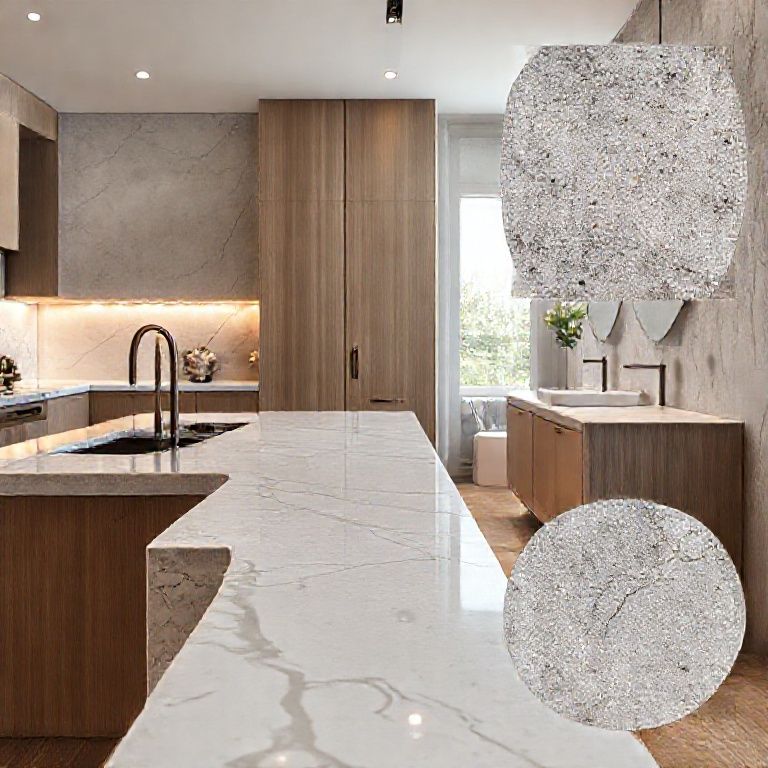
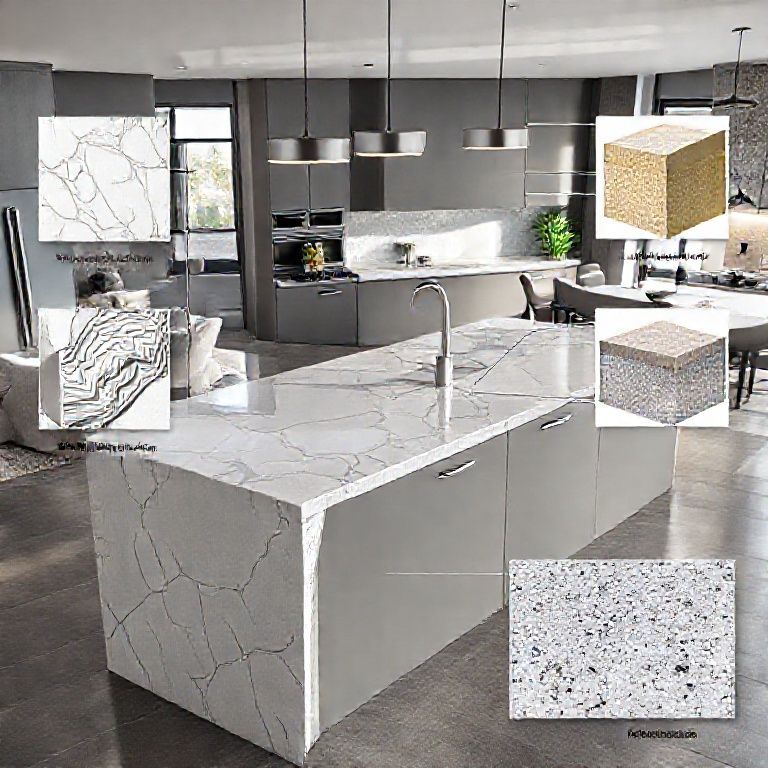
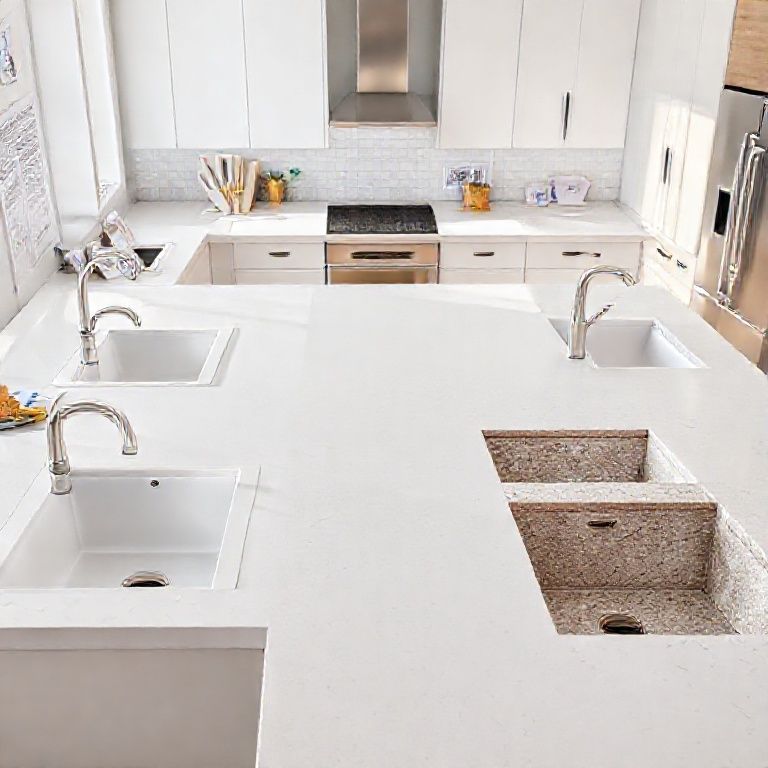
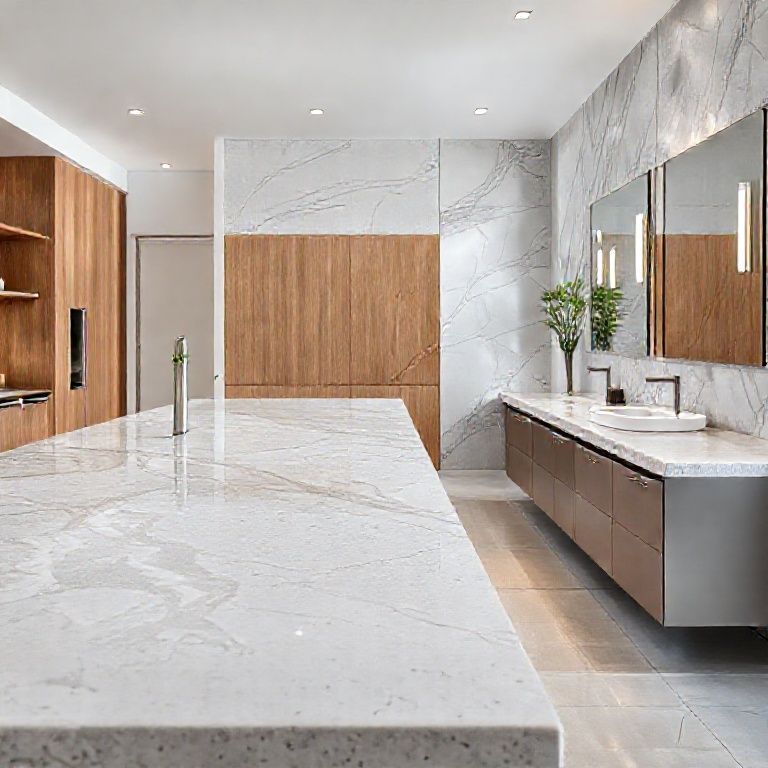
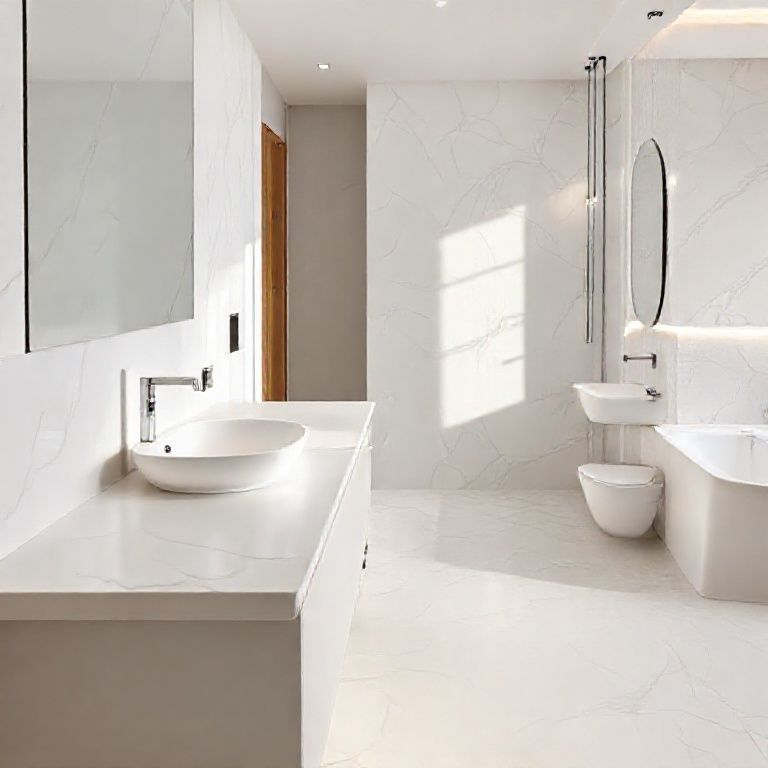
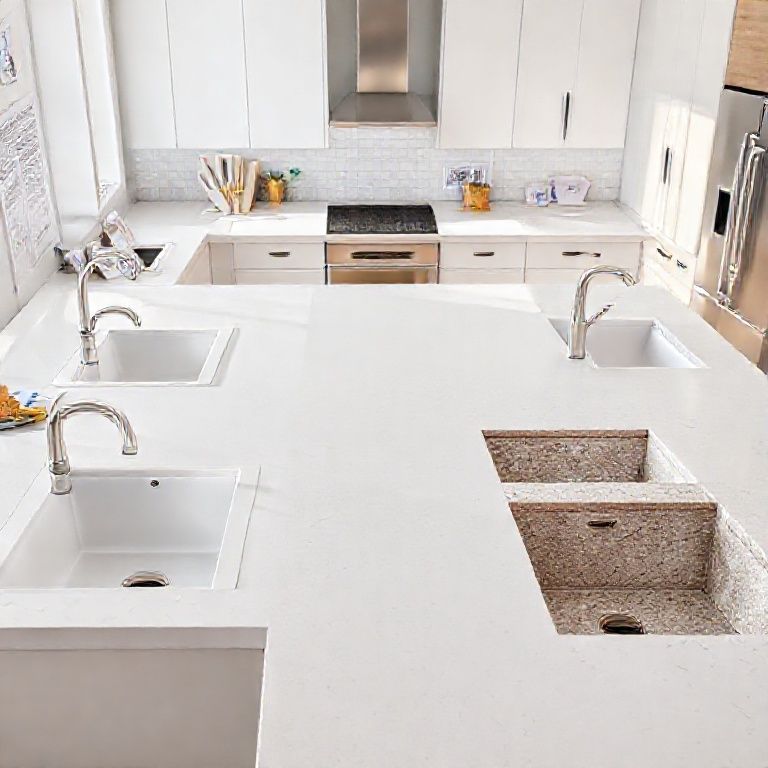
Discover the secrets to maintaining your artificial stone countertops. This comprehensive guide dives into the nuances of repairing cracks and the question of whether marble polish is the right choice for your needs. Explore professional techniques, effective products, and expert tips to ensure your countertops look as good as new.
artificial stone countertops, crack repair, marble polish, countertop maintenance, stone surface repair, countertop resurfacing, crack fixing techniques, polishing stone surfaces, countertop care, home renovation tips
The Ultimate Guide to Repairing Cracks in Your Countertops: Is Marble Polish the Answer?
When it comes to home renovation and maintaining the aesthetics of your kitchen or bathroom, artificial stone countertops are a popular choice due to their durability, low maintenance, and stunning appearance. However, despite their robustness, these countertops can develop cracks over time due to various factors such as heavy objects, thermal shock, or even manufacturing defects. Addressing these cracks promptly is essential to preserve the integrity and appearance of your countertops. One of the questions that often arises is: should you use marble polish to repair cracks in artificial stone countertops? Let’s dive into the intricacies of crack repair and explore whether marble polish is the right tool for the job.
Understanding Artificial Stone Countertops
Artificial stone, often made from a blend of natural stone powders, acrylic, and other binding agents, is designed to mimic the appearance and durability of natural stone. These countertops are popular for their resistance to stains, scratches, and thermal shock, making them an excellent choice for high-traffic areas. However, like all materials, they are not indestructible. Cracks can occur due to several reasons, including improper installation, accidental drops, or even the natural aging process.

Identifying and Assessing Cracks
Before diving into the repair process, it’s crucial to identify the type and severity of the crack. Cracks in artificial stone countertops can vary in size and location, and the repair method may differ accordingly. Here are some common types of cracks:
Surface Cracks: Minor hairline cracks on the surface that do not penetrate deeply into the stone. Deep Cracks: Cracks that extend through the stone and might expose the binding agents underneath. Chips and Breaks: Larger cracks or pieces that have broken off from the countertop.
Assessing the crack involves determining its depth, length, and whether it’s isolated or part of a larger network. This evaluation will guide you in choosing the appropriate repair method.
Repairing Cracks: Professional Techniques
Repairing cracks in artificial stone countertops requires precision and the right tools to ensure a seamless finish. Here are some professional techniques used for repairing these types of cracks:
Epoxy Resin Method: One of the most effective methods for repairing cracks in artificial stone countertops is using epoxy resin. Epoxy resin is a two-part adhesive that, when mixed, forms a strong bond that can fill and repair cracks. Here’s how to use it: Clean the Area: Thoroughly clean the crack and surrounding area to remove any dust, dirt, or debris. Mix the Epoxy: Follow the manufacturer’s instructions to mix the epoxy resin. Apply the Epoxy: Using a syringe or a small brush, apply the epoxy into the crack, filling it completely. Smooth the Surface: Once the epoxy has been applied, use a clean, damp cloth to smooth the surface, ensuring it blends seamlessly with the countertop. Cure the Epoxy: Allow the epoxy to cure as per the manufacturer’s instructions. This usually involves leaving the area undisturbed for a specific period. Polyurethane Sealant: For a more durable and long-lasting repair, polyurethane sealant can be used. This method is particularly effective for deep cracks and larger breaks. Clean and Prepare: Clean the crack area and allow it to dry completely. Apply Sealant: Using a caulking gun, apply a generous amount of polyurethane sealant into the crack. Smooth and Cure: Smooth the sealant with a damp cloth and allow it to cure fully. Filler and Sanding: For minor surface cracks or chips, a filler can be applied, followed by sanding to achieve a smooth finish. Clean and Fill: Clean the area and fill the crack or chip with a stone filler. Sand Smooth: Once the filler has dried, sand the area until it’s smooth and blends seamlessly with the countertop.
The Role of Marble Polish in Countertop Repair
Marble polish is traditionally used for maintaining the appearance of natural marble surfaces. It’s designed to clean, shine, and protect the stone’s natural oils and surface. However, when it comes to artificial stone countertops, the question arises: is marble polish an effective or suitable choice for repair?

Pros of Using Marble Polish:
Cleaning: Marble polish can help clean the surface of artificial stone, removing dirt and grime that might obscure the repair. Smear: When applied to a fresh repair, marble polish can help to blend the repaired area more seamlessly by smoothing out the surface.
Cons of Using Marble Polish:
Chemical Composition: Marble polish often contains ingredients that can be too harsh for artificial stone, potentially causing damage or discoloration. Ineffectiveness: The polish may not penetrate deep cracks or provide the structural integrity needed for a proper repair.
Alternative Polishes and Waxes
For maintaining the appearance of your repaired artificial stone countertops, it’s better to use products specifically designed for stone surfaces. Here are some alternatives:
Stone Wax: Stone wax is formulated to protect and shine stone surfaces without the harsh chemicals found in marble polish. It can help maintain the countertop’s appearance and provide a protective layer.
Acrylic-Based Cleaners: Cleaners designed for acrylic or composite surfaces can effectively clean and maintain artificial stone without damaging it.
Stone-Specific Polishes: There are polishes specifically made for artificial stone that can provide a high-gloss finish and protect the surface.
Regular Maintenance and Prevention
Preventing cracks in the first place involves regular maintenance and proper care. Here are some tips to help keep your artificial stone countertops in top condition:
Use Cutting Boards: Always use cutting boards to protect the surface from scratches. Avoid Sharp Objects: Don’t place sharp objects directly on the countertop. Clean Properly: Use appropriate cleaning products and avoid abrasive cleaners. Temperature Control: Avoid placing hot pots or pans directly on the surface to prevent thermal shock.
By understanding the nature of artificial stone countertops and employing the right repair techniques, you can ensure that your kitchen or bathroom remains a pristine and beautiful space for years to come.
The Ultimate Guide to Repairing Cracks in Your Countertops: Is Marble Polish the Answer?
Advanced Repair Techniques and Long-term Care
In the first part of this guide, we explored the basics of identifying and repairing cracks in artificial stone countertops. Now, let’s delve deeper into advanced techniques and long-term care to ensure your repairs last and your countertops remain in excellent condition.
Advanced Repair Methods
Laser Repair: Laser repair is an advanced method used for precise and effective crack repair in artificial stone countertops. This technique involves using a laser to melt and fuse the stone material, effectively sealing the crack and restoring the surface. Process: A laser is used to heat and melt the stone around the crack, creating a smooth surface. Once the area cools, the surface is polished to blend seamlessly with the countertop. Benefits: This method provides a high level of precision and can repair even the most intricate cracks without affecting the surrounding surface. Composite Injection: Composite injection involves injecting a specially formulated resin into the crack, which then hardens and seals the crack from within. Process: A small hole is drilled into the crack, and the composite resin is injected into the crack using a syringe. Once injected, the resin is allowed to cure, filling and sealing the crack. Benefits: This method is particularly effective for deep cracks and provides a strong, durable repair. Resurfacing: For extensive damage or when the repair methods mentioned above are not sufficient, resurfacing the countertop might be necessary. This involves grinding down the damaged area and applying a new layer of artificial stone material. Process: The damaged area is ground down to a smooth surface, and a new layer of stone material is applied and polished. Benefits: This method provides a completely new surface, eliminating the need for extensive repairs.
Choosing the Right Repair Method
Selecting the appropriate repair method depends on the type and severity of the crack, as well as the desired outcome. Here’s a quick guide to help you choose the right method:
Minor Surface Cracks: Epoxy resin or polyurethane sealant. Deep Cracks: Composite injection or laser repair. Extensive Damage: Resurfacing.
Long-term Care and Maintenance
Proper maintenance is key to extending the life of your repaired countertops and preventing future cracks. Here are some tips for long-term care:
在谈到长期护理和维护后,我们可以深入探讨一些更具体的日常维护技巧和一些常见的问题以及它们的解决方法。
日常维护技巧
定期清洁: 方法:使用专用的石材清洁剂或中性肥皂和温水。避免使用钢丝球或其他硬质刷子,以免刮伤表面。 频率:每周清洁一次,以防止污渍积累。 擦拭溢出物: 方法:使用干净的、柔软的布快速擦拭溢出的食物或饮料。 频率:立即处理,以防止污渍渗入表面。
避免使用玻璃器皿: 方法:使用耐热的硅胶或陶瓷烤盘,而不是玻璃烤盘,以减少热膨胀和缩水的风险。
常见问题及解决方法
污渍和染色: 问题:油漆、咖啡、红酒等液体可能导致污渍或染色。 解决方法:用温水和中性洗涤剂立即擦拭,避免污渍渗入表面。对于顽固污渍,可以使用专门的石材污渍去除剂。 划痕和刮痕: 问题:硬物(如刀具、玻璃器皿)可能划伤石材表面。 解决方法:尽量避免使用硬质物品。
对于轻微划痕,可以尝试使用专门的石材修复膏进行修复,然后抛光。 漏水和潮湿: 问题:如果水滴长期不被清理,可能导致漏水或者潮湿。 解决方法:确保水滴和液体立即被擦拭干净,并且检查水管和下方的橡胶垫是否完好无损。 气味问题: 问题:石材表面可能会积累油脂和食物气味。
解决方法:使用专门的石材除油剂,并经常通风以减少异味。
专业维护建议
定期专业清洁: 频率:每6个月进行一次专业清洁,以确保表面的深层清洁和保护。 检查和维护接缝: 方法:定期检查石材之间的接缝,确保没有松动或裂缝。使用专业的填缝剂定期维护接缝。 使用保护垫: 方法:在放置重物或热物品时,使用陶瓷或硅胶垫,以避免热损伤和划伤。
结论
通过以上的维护技巧和解决常见问题的方法,您可以有效地延长人造石台面的使用寿命,保持其美观和功能性。定期的小心维护和及时的问题处理是保持台面如新的关键。如果问题较为复杂,建议寻求专业人士的帮助。