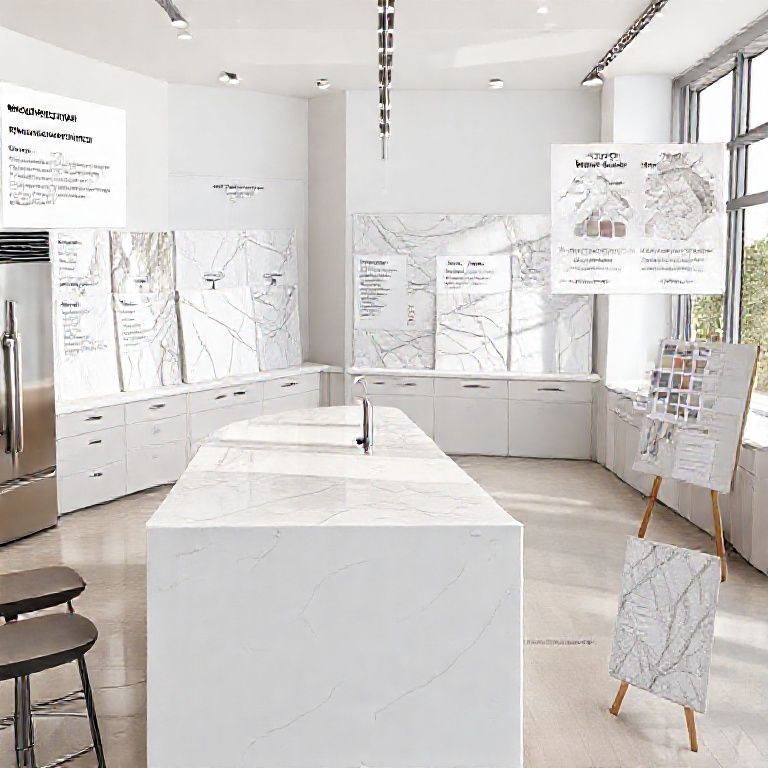
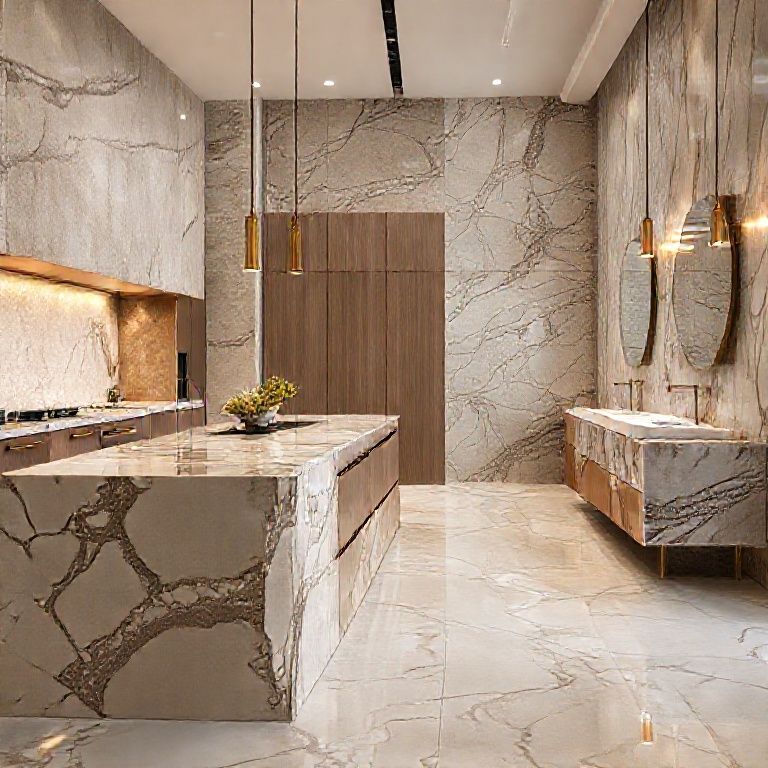
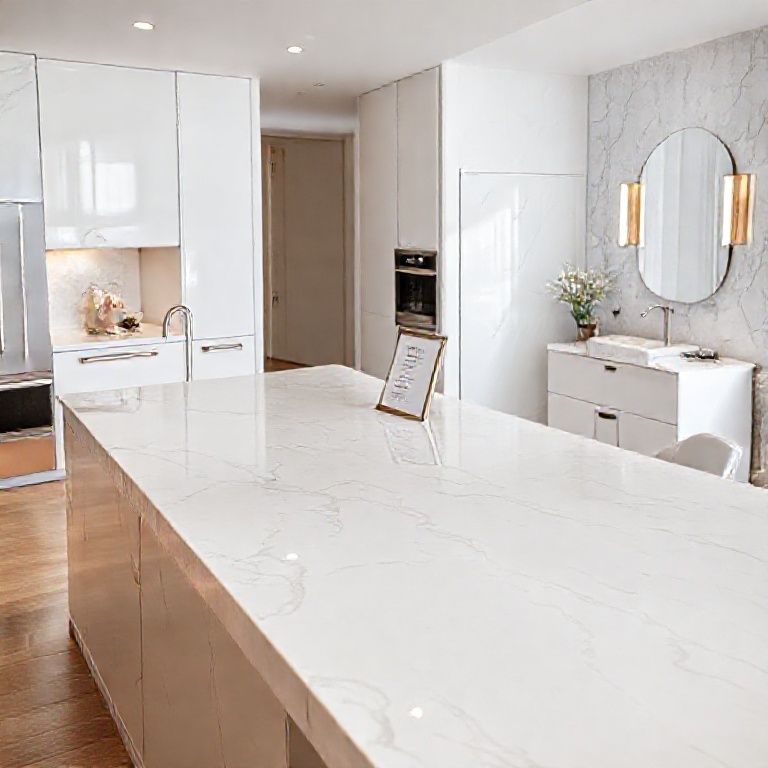
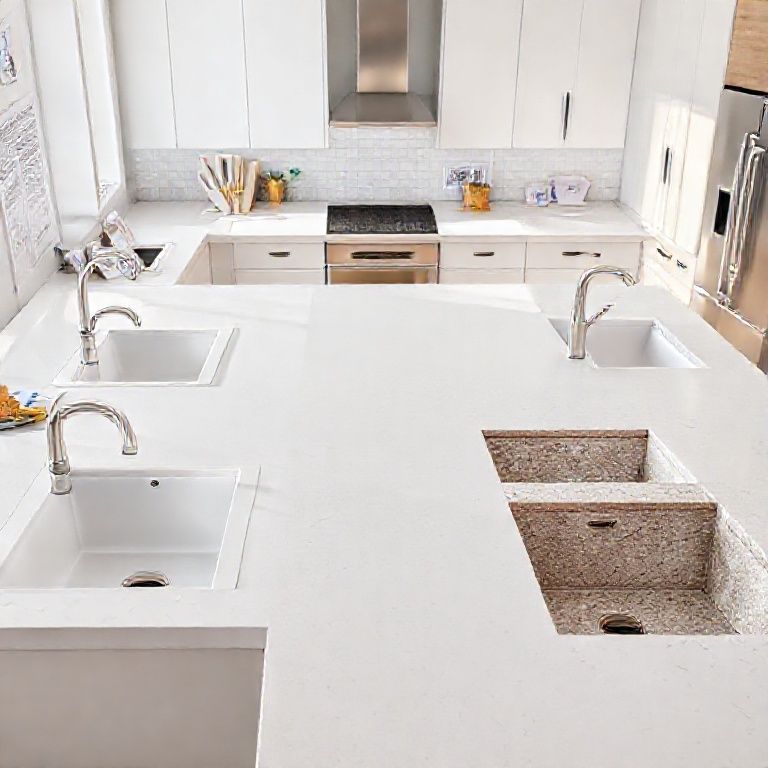
The Ultimate Guide to Restoring Your Artificial Stone Countertops: Part 1
Artificial stone countertops have become a popular choice for kitchens and bathrooms due to their durability, low maintenance, and stunning aesthetic appeal. However, even the most resilient surfaces can suffer from scratches, stains, and wear over time. Fortunately, with the right techniques and tools, you can restore your artificial stone countertops to like-new condition. In this part of our guide, we will delve into identifying common issues, selecting the right repair materials, and the preliminary steps necessary for effective restoration.
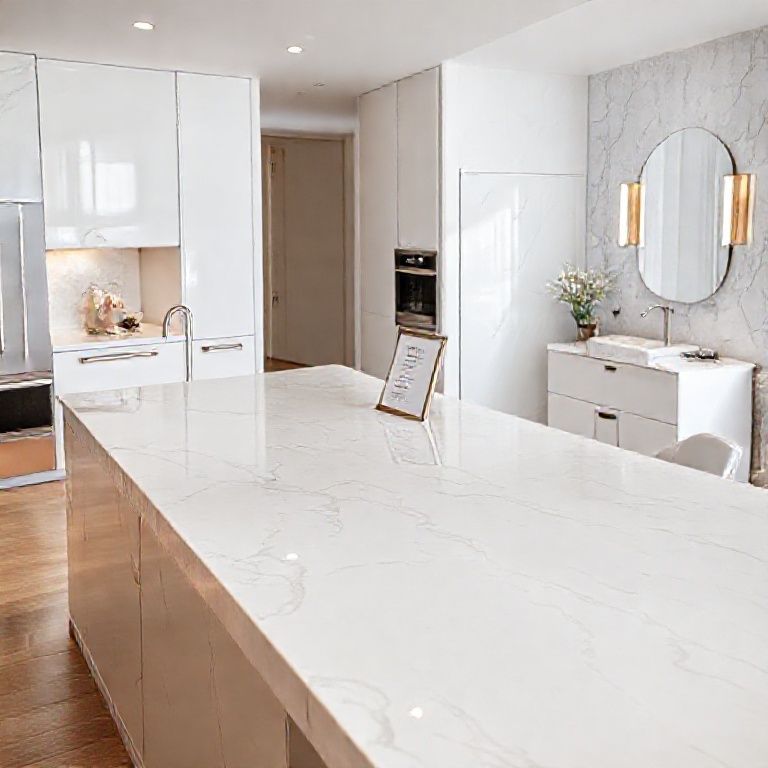
Identifying Common Issues
Before diving into the restoration process, it’s crucial to understand the common problems that affect artificial stone countertops:
Scratches: These can occur from everyday use, such as placing hot pots or pans on the surface. Stains: Spills from food, drinks, or cleaning agents can leave unsightly marks. Chips and Cracks: While rare, they can happen from accidental impacts or improper handling. Surface Degradation: Over time, the surface can become dull or lose its original sheen.
Recognizing these issues early will help you determine the appropriate restoration method. For minor scratches and stains, simple cleaning and polishing may suffice. However, for more severe damage like deep scratches or cracks, professional-grade repair kits will be required.
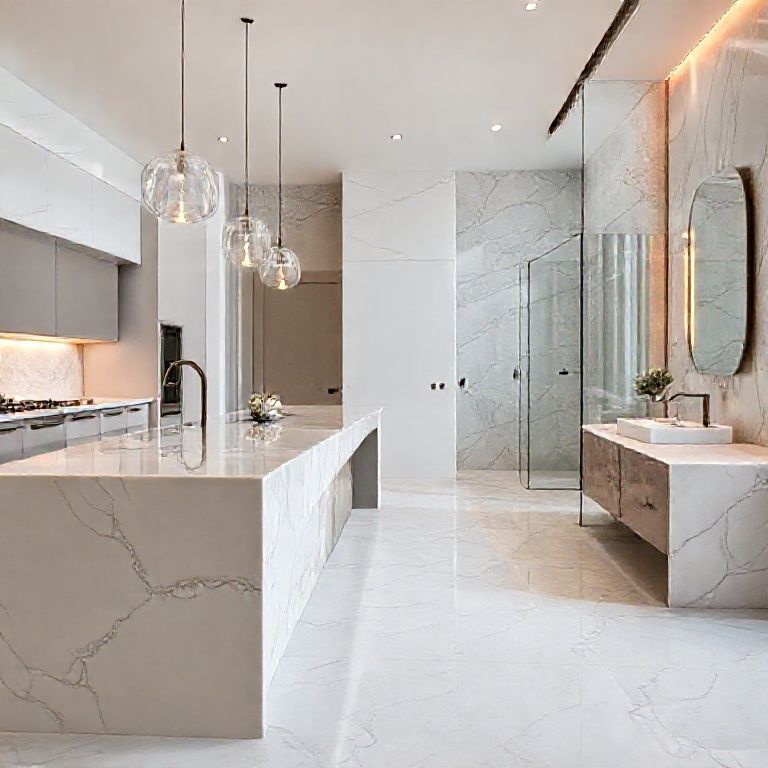
Selecting the Right Repair Materials
Choosing the correct materials is a critical step in the restoration process. Here’s what you’ll need:
Cleaning Supplies: Use a mild detergent and a soft cloth to clean the surface thoroughly before starting the repair process. Avoid harsh chemicals that can damage the stone. Scratch Repair Kits: These kits usually contain a series of polishing compounds and abrasive pads. Choose a kit based on the severity of the scratch – finer compounds for minor scratches and coarser ones for deeper scratches. Fillers and Sealers: For chips and cracks, use a stone filler that matches the color of your countertop. After filling, apply a high-quality sealer to protect the repaired area. Polishing Compounds: To restore shine, use a polishing compound that is specifically designed for artificial stone surfaces.
Preliminary Steps
Before you start the repair process, ensure you take the following preliminary steps:
Surface Preparation: Clean the countertop thoroughly to remove any dirt, grime, or oil. This ensures that the repair materials adhere properly. Safety Gear: Wear gloves and safety goggles to protect yourself from chemicals and abrasive particles. Area Protection: Use painter’s tape to mask off areas around the damage to prevent unwanted staining or scratching.
Conclusion
Understanding the common issues that affect artificial stone countertops and selecting the appropriate materials are crucial first steps in the restoration process. With the right approach and tools, you can significantly enhance the appearance and longevity of your countertops. In the next part of this guide, we will provide detailed steps on how to effectively repair scratches, stains, and other damage, ensuring your artificial stone countertop looks as good as new. Stay tuned for more expert tips and insights.
The Ultimate Guide to Restoring Your Artificial Stone Countertops: Part 2
Building on the preliminary steps and material selection from the first part of this guide, we now delve into the detailed techniques for repairing scratches, stains, chips, and cracks on artificial stone countertops. Whether you’re dealing with minor imperfections or more significant damage, this part will provide you with the knowledge and confidence to restore your countertops to their former glory.
Repairing Scratches
Scratches are one of the most common issues with artificial stone countertops, often caused by placing hot objects directly on the surface. Here’s how to repair them effectively:

Assess the Scratch: Determine the depth and width of the scratch. This will help you choose the appropriate compound for polishing.
Polishing Process:
Start Coarse: Begin with a coarse polishing compound to remove the scratch marks. Use a soft cloth or a polishing pad to apply the compound in circular motions. Progress Finer: Once the scratch is less visible, switch to a finer polishing compound to smooth out the surface. Final Polish: Finish with a high-shine polishing compound to restore the countertop’s original luster.
Buff the Surface: Use a clean, dry cloth to buff the area thoroughly, ensuring no polishing compound residue remains.
Addressing Stains
Stains can mar the appearance of artificial stone countertops and are often caused by food spills, beverages, or cleaning agents. Here’s how to tackle them:
Immediate Action: For fresh spills, wipe them up immediately with a clean, damp cloth to prevent staining. Cleaning Solution: Mix a mild detergent with water to create a cleaning solution. Use a soft cloth to gently scrub the stained area. Baking Soda Paste: For stubborn stains, create a paste using baking soda and water. Apply the paste to the stain and let it sit for a few minutes before gently scrubbing. Rinse and Dry: Rinse the area with clean water and dry it thoroughly with a clean cloth to prevent water spots.
Fixing Chips and Cracks
While less common, chips and cracks can occur from accidental impacts or improper handling. Here’s how to repair them:
Fill the Crack: Use a stone filler that closely matches the color of your countertop. Apply the filler into the crack using a small spatula or a similar tool. Smooth the Surface: Once the filler is dry, use a fine-grit sanding block or a sanding sponge to smooth the filler until it blends seamlessly with the countertop. Seal the Area: Apply a high-quality sealer over the repaired area to protect it from future damage and stains.
Restoring Surface Degradation
Over time, artificial stone countertops can lose their shine and become dull. To restore the surface:
Clean Thoroughly: Start by cleaning the entire countertop with a mild detergent and a soft cloth to remove any dirt or grime. Use a Polishing Compound: Apply a polishing compound specifically designed for artificial stone. Use a soft cloth or polishing pad to apply the compound in circular motions. Buff to Shine: Once the compound has been evenly distributed, use a clean, dry cloth to buff the surface until it regains its original shine.
Maintenance Tips
To prevent future damage and maintain the appearance of your artificial stone countertops, follow these maintenance tips:
Use Coasters: Always place hot pots, pans, and other heat-generating items on coasters to prevent scratches. Avoid Abrasive Cleaners: Use mild, non-abrasive cleaners to avoid damaging the surface. Regular Cleaning: Clean the countertop regularly with a mild detergent to remove spills and stains promptly. Proper Utensils: Use wooden or silicone utensils instead of metal when cutting or preparing food to prevent scratches.
Conclusion
Restoring your artificial stone countertops doesn’t have to be a daunting task. With the right techniques, materials, and a bit of patience, you can bring your countertops back to their original beauty. Whether you’re repairing scratches, addressing stains, fixing chips, or restoring the surface, following these detailed steps will ensure a flawless finish. For more expert tips and visual guidance, check out our detailed video tutorial. Happy restoring!
By following this comprehensive guide, you’ll be equipped with the knowledge and tools to effectively restore your artificial stone countertops, ensuring they remain beautiful and functional for years to come.