The Ultimate Guide to the Differences Between Artificial Stone and Quartz Countertops
When it comes to designing modern kitchens and bathrooms, choosing the right countertop material is paramount. Two of the most popular choices today are artificial stone and quartz countertops. Both materials boast a sleek, natural appearance and are known for their durability. However, they offer different benefits and are suited to different needs. Let’s delve into the distinctions between these two exquisite materials.
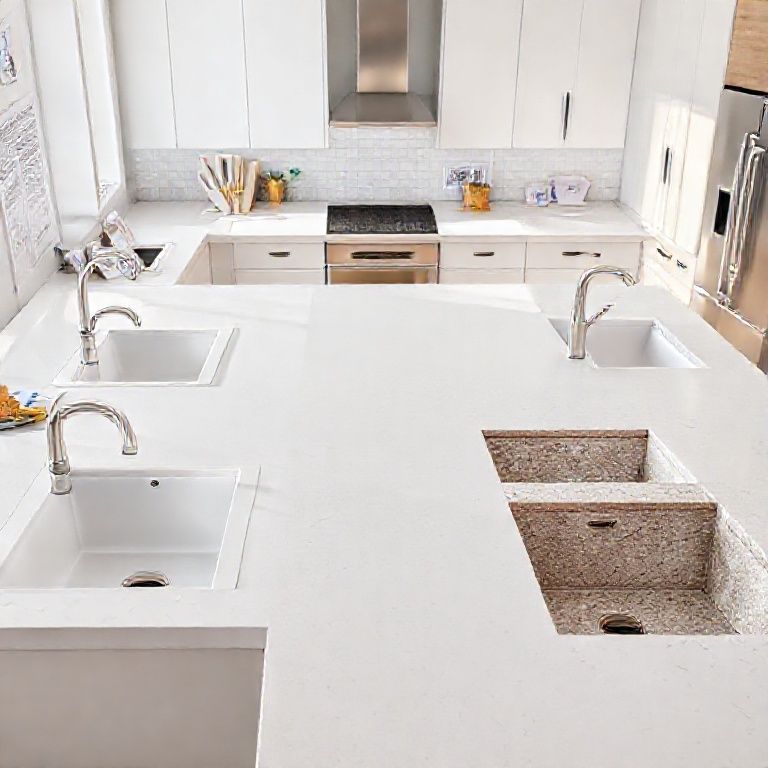
Material Composition and Manufacturing
Artificial Stone: Artificial stone, often referred to as cultured stone, is a composite material made from a mixture of natural stone powder, such as marble or limestone, combined with resin. This mixture is then molded into a form and cured under heat and pressure. The result is a material that closely mimics the appearance of natural stone while offering significant advantages in terms of durability and maintenance.
Quartz: On the other hand, quartz is an entirely synthetic material composed of 94% pure quartz crystal, with the remaining 6% made up of resin and other bonding agents. Quartz countertops are manufactured through a process called compression molding, where the quartz powder and resin are combined and heated until they fuse together. This results in a homogeneous, ultra-smooth surface that is both durable and aesthetically pleasing.
Aesthetic Appeal
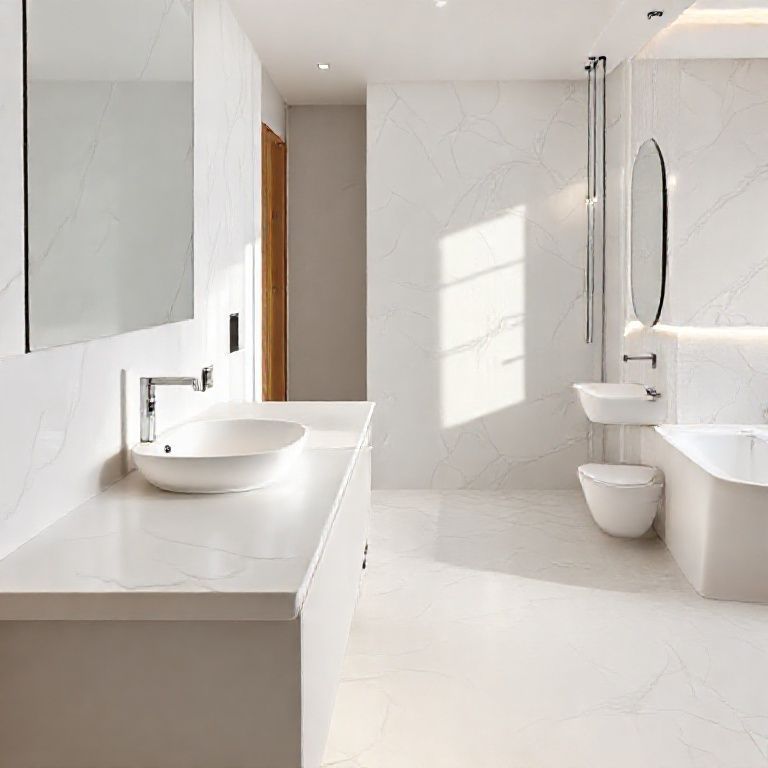
Artificial Stone: Artificial stone is renowned for its versatility in design. It can be crafted to resemble various types of natural stone, including marble, granite, and limestone. This versatility allows for an extensive range of colors and patterns, making it a popular choice for those who want to replicate the look of natural stone without the high cost and maintenance.
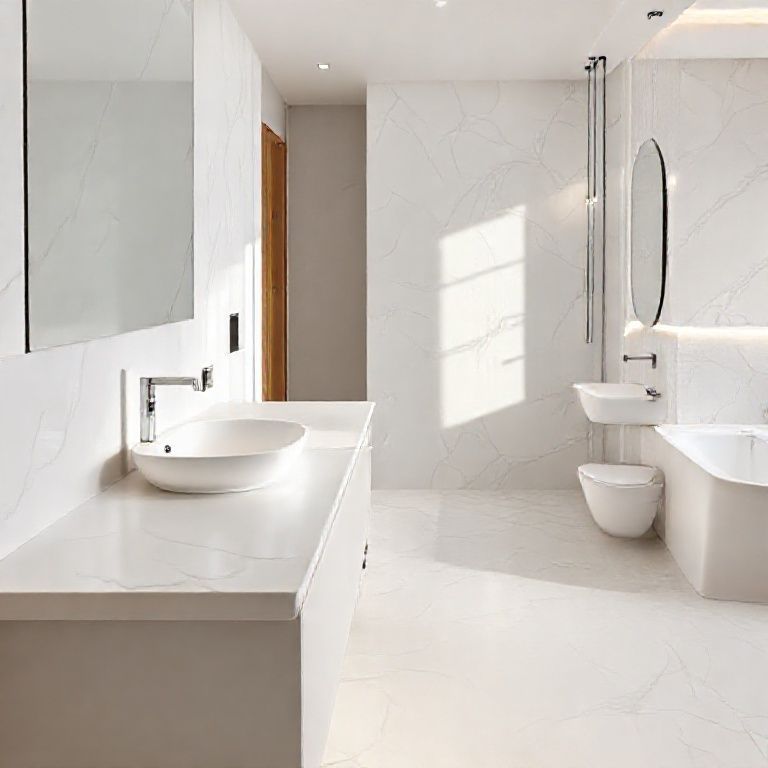
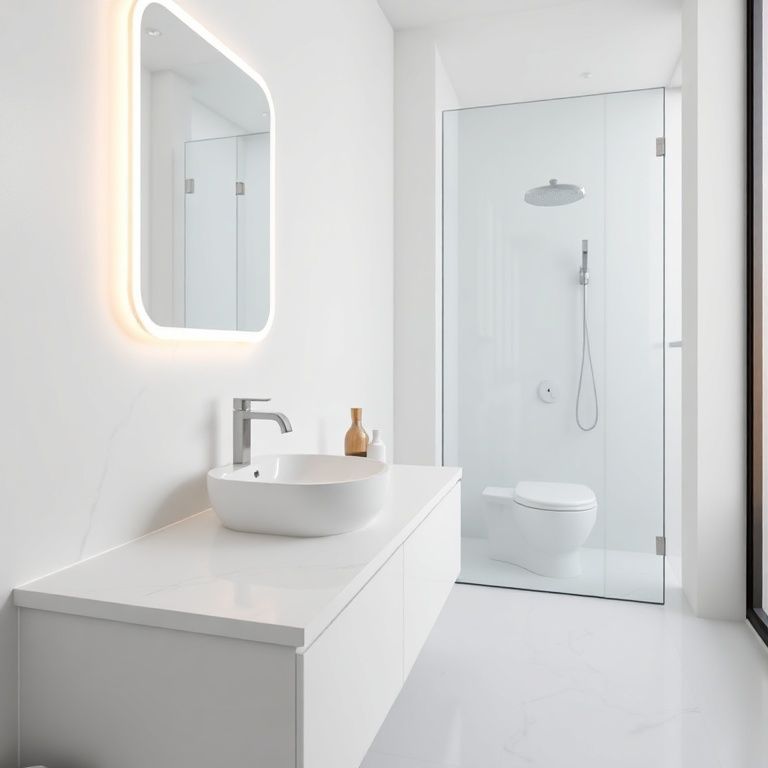
Quartz: Quartz, with its unique crystalline structure, offers an unmatched level of uniformity and a sleek, modern appearance. It comes in an array of colors and patterns, but its defining feature is its consistent, flawless finish. The high-pressure manufacturing process ensures that each piece of quartz is identical, which contributes to its iconic look and feel.
Durability and Maintenance
Artificial Stone: One of the key advantages of artificial stone is its resilience. It is highly resistant to scratches, stains, and thermal shock. This makes it an excellent choice for high-traffic areas where durability is paramount. However, because it contains natural stone powder, it can be susceptible to etching if exposed to acidic substances over time. Proper sealing can mitigate this risk, but it does require regular maintenance to maintain its appearance.
Quartz: Quartz is virtually indestructible. It is the most scratch-resistant countertop available, making it ideal for kitchens and bathrooms where heavy use is the norm. Its surface is so hard that even knives cannot leave scratches. Additionally, quartz does not stain, leach chemicals, or support bacterial growth. It is also resistant to high temperatures, meaning it won’t etch or crack when exposed to hot pots and pans. Regular cleaning with mild soap and water is all the maintenance quartz requires.
Cost Considerations
Artificial Stone: The cost of artificial stone can vary depending on the complexity of the design and the quality of the materials used. Generally, it is more affordable than high-end natural stone options, making it accessible for a wide range of budgets. However, the cost of maintenance and potential need for resealing can add to the overall expense over time.
Quartz: Quartz countertops tend to be on the higher end of the price spectrum due to their sophisticated manufacturing process and superior quality. While the initial investment is greater, the long-term savings in maintenance and durability make quartz an excellent choice for those looking for a high-end, low-maintenance option.
Applications and Suitability
Artificial Stone: Artificial stone is versatile and can be used in various settings, from kitchen countertops to bathroom vanities and even outdoor furniture. Its ability to mimic natural stone makes it a popular choice for those who want the look of luxury stone without the high cost. It is particularly suitable for environments where aesthetics are important, and durability is a secondary concern.
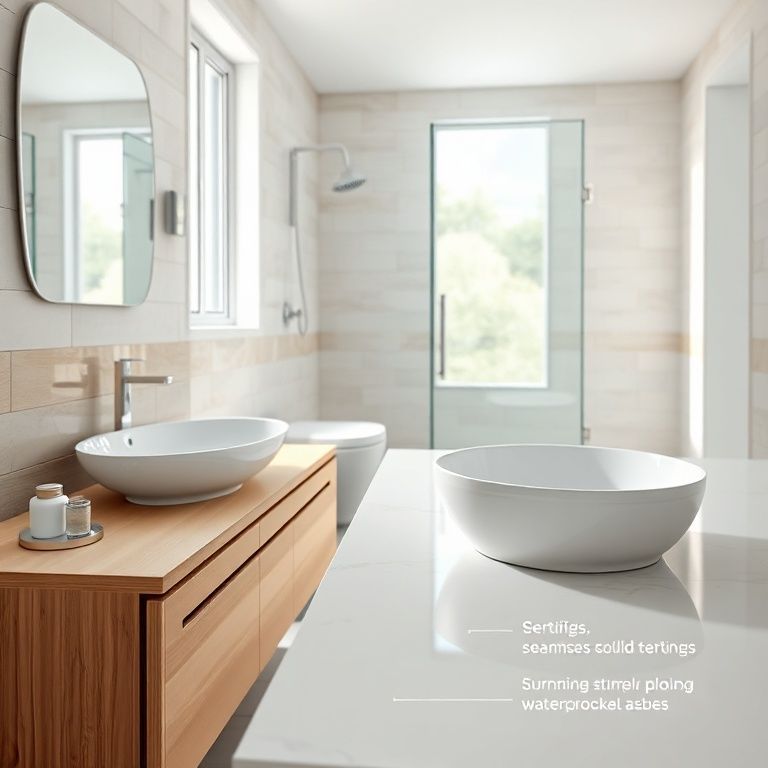
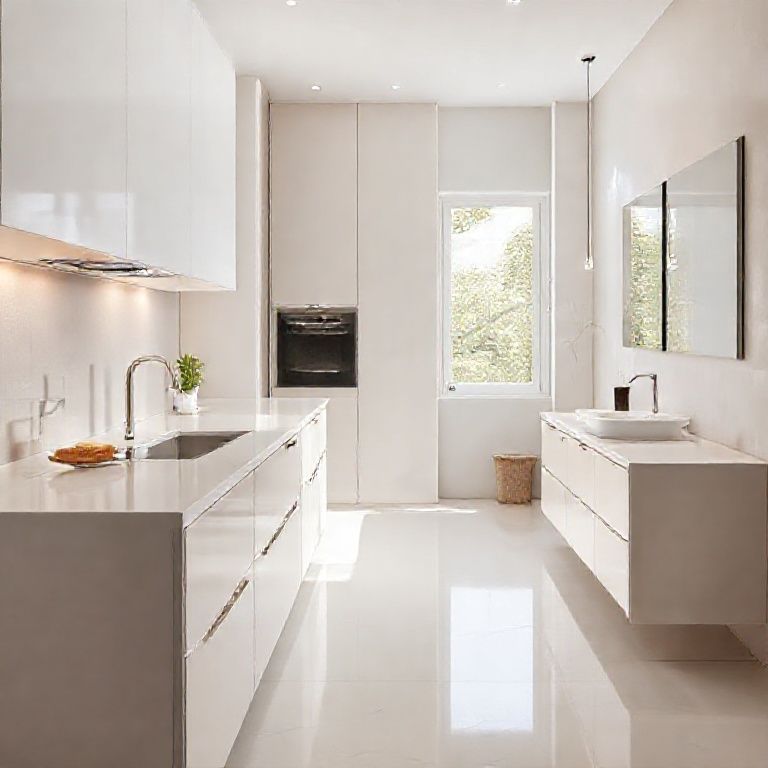
Quartz: Quartz is the go-to material for high-end kitchens and bathrooms. Its durability, low maintenance, and aesthetic appeal make it perfect for spaces that require a sleek, modern look and where heavy use is common. It is also an excellent choice for commercial spaces like cafes, restaurants, and offices where durability and ease of cleaning are critical.
Conclusion
Choosing between artificial stone and quartz countertops comes down to a few key factors: budget, aesthetic preferences, and intended use. Both materials offer unique benefits that cater to different needs. Artificial stone provides a cost-effective, versatile option that closely mimics natural stone, while quartz offers unparalleled durability, a flawless finish, and low maintenance. Understanding these differences can help you make an informed decision that best suits your lifestyle and design vision.
In the next part of our guide, we will explore more in-depth aspects such as installation, environmental impact, and long-term performance of these two countertop materials.
The Ultimate Guide to the Differences Between Artificial Stone and Quartz Countertops
In our previous section, we covered the basic differences between artificial stone and quartz countertops, focusing on their material composition, aesthetic appeal, durability, and maintenance. Now, let’s dive deeper into additional critical aspects such as installation, environmental impact, and long-term performance to provide a comprehensive understanding of these two materials.
Installation and Professional Expertise
Artificial Stone: Installing artificial stone countertops typically requires a skilled professional who is familiar with the material’s specific needs. Since artificial stone can vary in thickness and weight depending on the design, it is crucial to ensure that the installation process is handled by someone experienced in working with composite materials. Proper installation involves securing the countertop to the cabinets using appropriate fasteners and ensuring a seamless integration with existing fixtures.
Quartz: Quartz countertops are known for their ease of installation. Due to their high-pressure manufacturing process, quartz pieces are exceptionally uniform in thickness and weight, which simplifies the installation process. Most quartz countertops can be installed using standard countertop installation techniques, and many professionals find that quartz requires less specialized expertise compared to artificial stone. The smooth, flat surface of quartz also makes it easy to integrate with various backsplash designs and other elements.
Environmental Impact
Artificial Stone: Artificial stone is made from a combination of natural stone powder and resin, which means it has a lower environmental impact compared to traditional natural stone extraction processes. However, the resin used in its manufacturing can sometimes contain volatile organic compounds (VOCs), which can contribute to indoor air pollution. It is essential to choose high-quality artificial stone products that minimize the use of harmful resins and ensure that proper ventilation is provided during installation and use.
Quartz: Quartz countertops are entirely synthetic, meaning they do not involve the extraction of natural stone. This eliminates concerns related to mining and the environmental footprint associated with natural stone quarrying. Additionally, because quartz is a man-made product, it is designed to minimize the use of harmful chemicals in its production process. The manufacturing of quartz also tends to have a lower carbon footprint compared to natural stone extraction and processing.
Long-Term Performance
Artificial Stone: Artificial stone has a good track record in terms of long-term performance. Its durability, coupled with proper maintenance, allows it to withstand daily use over many years. However, as mentioned earlier, the natural stone powder in artificial stone can be susceptible to etching over time, particularly from acidic substances. Regular sealing and maintenance are necessary to ensure that the surface remains intact and visually appealing. Despite this, with proper care, artificial stone can last for decades.
Quartz: Quartz is renowned for its exceptional long-term performance. Its durability and resistance to scratches, stains, and thermal shock make it a virtually indestructible material. Quartz countertops can last for decades without showing signs of wear, provided they are cleaned properly. The material’s ability to maintain its pristine appearance over time is one of its most significant advantages. This longevity, combined with low maintenance, makes quartz an excellent choice for those looking for a long-lasting, high-performance countertop.
Cost-Benefit Analysis
Artificial Stone: While artificial stone is generally more affordable than high-end natural stone options, it is important to consider the long-term costs. Although the initial purchase price may be lower, the need for periodic resealing and potential for etching can add to the overall expense over time. However, for those on a budget but still wanting a high-quality appearance, artificial stone offers a good balance of cost and performance.
Quartz: The higher upfront cost of quartz countertops is often justified by their long-term benefits. The durability, low maintenance, and resistance to damage mean that quartz requires minimal upkeep over its lifespan. This translates to significant savings in maintenance costs over time, making it a cost-effective choice in the long run. The initial investment is greater, but the longevity and performance of quartz make it a worthwhile expenditure for many homeowners.
Ideal Use Cases
Artificial Stone: Artificial stone is ideal for those who want the look of natural stone but are concerned about cost and maintenance. It is particularly well-suited for kitchens, bathrooms, and other areasIdeal Use Cases (continued)
Artificial Stone: Artificial stone is particularly suitable for areas where aesthetics are paramount, and durability is a secondary concern. Its versatility in mimicking natural stone makes it an excellent choice for design-focused projects where the cost of natural stone is prohibitive. It is also a great option for spaces that do not experience heavy use, such as home offices, where the lower maintenance and lower cost are advantageous.
Quartz: Quartz countertops are the perfect choice for high-traffic areas where durability and ease of cleaning are critical. Kitchens, especially those with heavy use, benefit greatly from the scratch, stain, and chemical resistance of quartz. Bathrooms, commercial spaces like cafes and restaurants, and even outdoor furniture can benefit from the longevity and low maintenance of quartz. Its consistent, flawless finish also makes it ideal for modern, minimalist designs.
Conclusion
When deciding between artificial stone and quartz countertops, it’s essential to consider the specific needs of your space, your budget, and your long-term maintenance preferences. Artificial stone offers a cost-effective, aesthetically pleasing alternative to natural stone, with the added benefit of versatility in design. However, its susceptibility to etching and the need for regular maintenance may not be ideal for every environment.
On the other hand, quartz countertops provide unmatched durability, ease of cleaning, and a sleek, modern appearance that can last for decades with minimal upkeep. The higher initial cost is often justified by the long-term benefits and the peace of mind that comes with knowing your countertops will remain pristine and functional over time.
Ultimately, both materials have their unique advantages and are suited to different applications. By understanding these differences, you can make an informed decision that best suits your lifestyle, design vision, and budget.
In summary, artificial stone is an excellent choice for those looking for a cost-effective, versatile option with a natural stone appearance, while quartz offers unparalleled durability and low maintenance for high-end, long-lasting countertops.