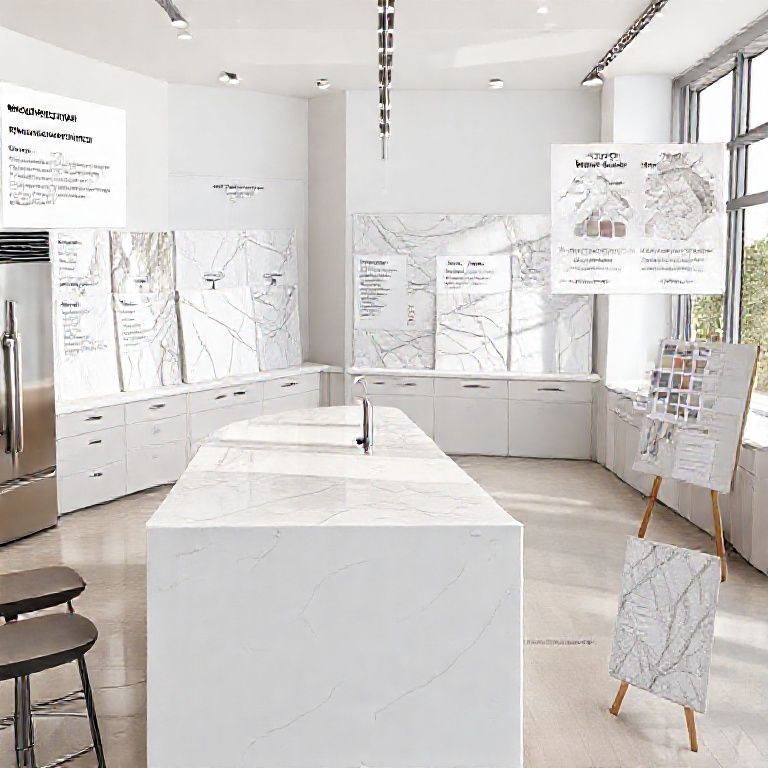
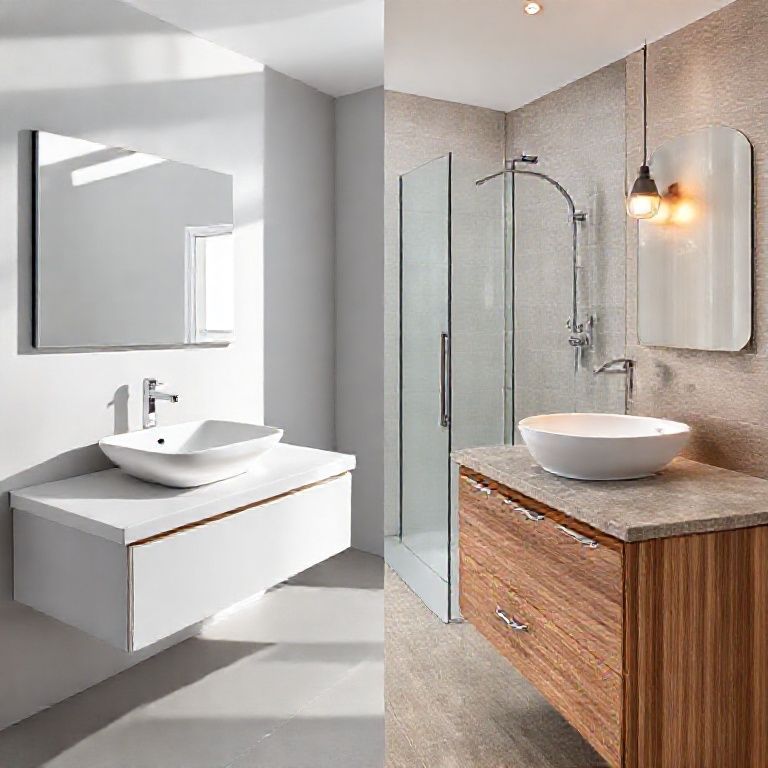
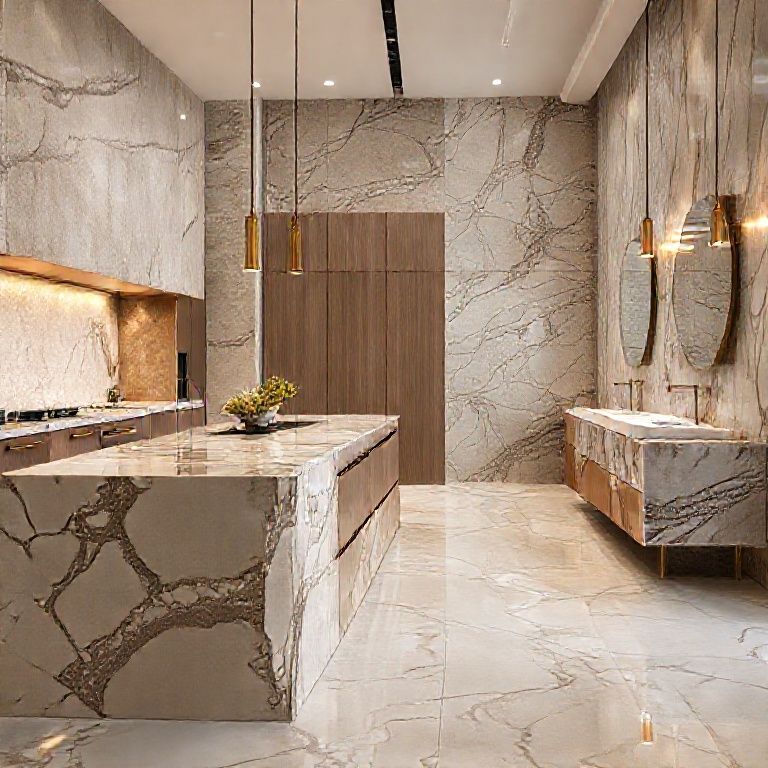
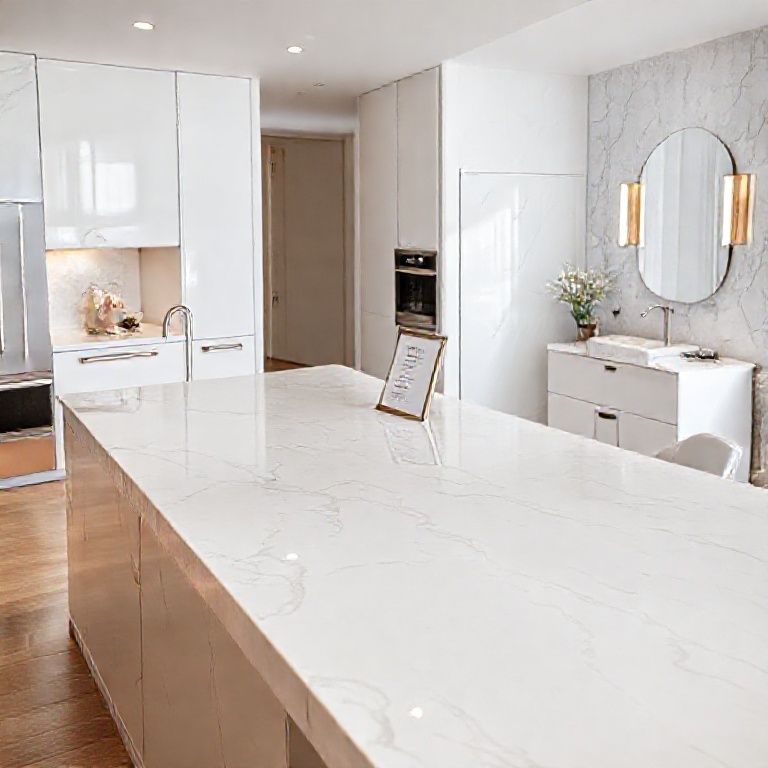
Discover everything you need to know about the thickness of artificial stone countertops in this comprehensive guide. From material selection to installation tips, we break down everything in two engaging parts for your convenience. Dive into the world of durability, aesthetics, and functionality as we explore the ideal thickness for your next kitchen or bathroom renovation.
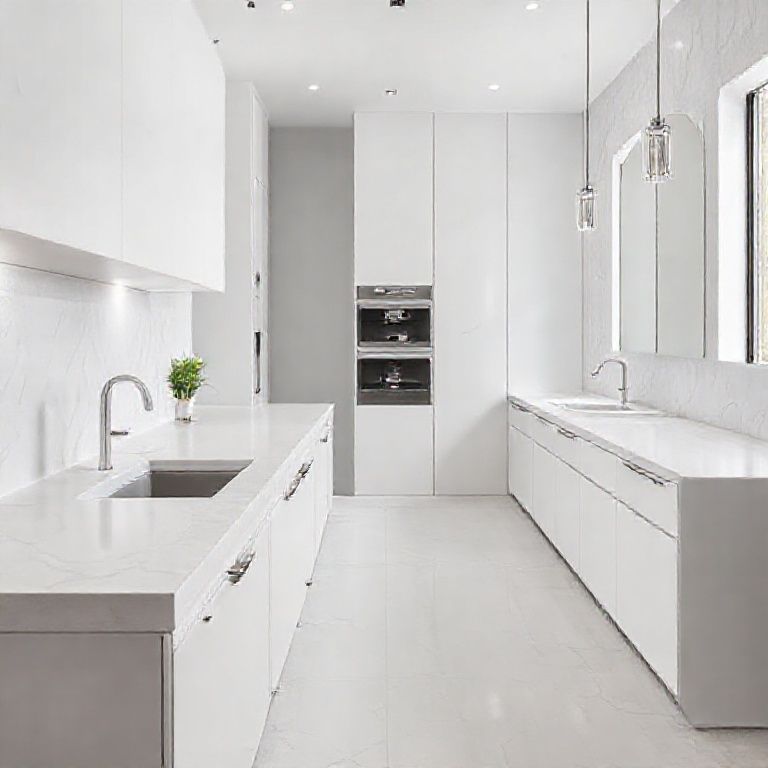
artificial stone countertop, thickness of artificial stone, countertop thickness, kitchen countertop, bathroom countertop, stone countertop benefits, durable countertops, countertop installation
The Ultimate Guide to the Thickness of Artificial Stone Countertops
Artificial stone countertops have become an increasingly popular choice for modern kitchens and bathrooms. Known for their durability, beauty, and ease of maintenance, these countertops are a game-changer in home renovation projects. One of the most frequently asked questions about artificial stone countertops, however, is regarding their thickness. In this first part of our guide, we will delve into the ideal thickness of artificial stone countertops, why it matters, and how to choose the best thickness for your space.
Why Thickness Matters
When it comes to artificial stone countertops, thickness is not just a matter of aesthetics but also functionality and durability. The thickness of a countertop directly affects its strength, weight, and overall performance. Here are some key reasons why the thickness of your artificial stone countertop matters:
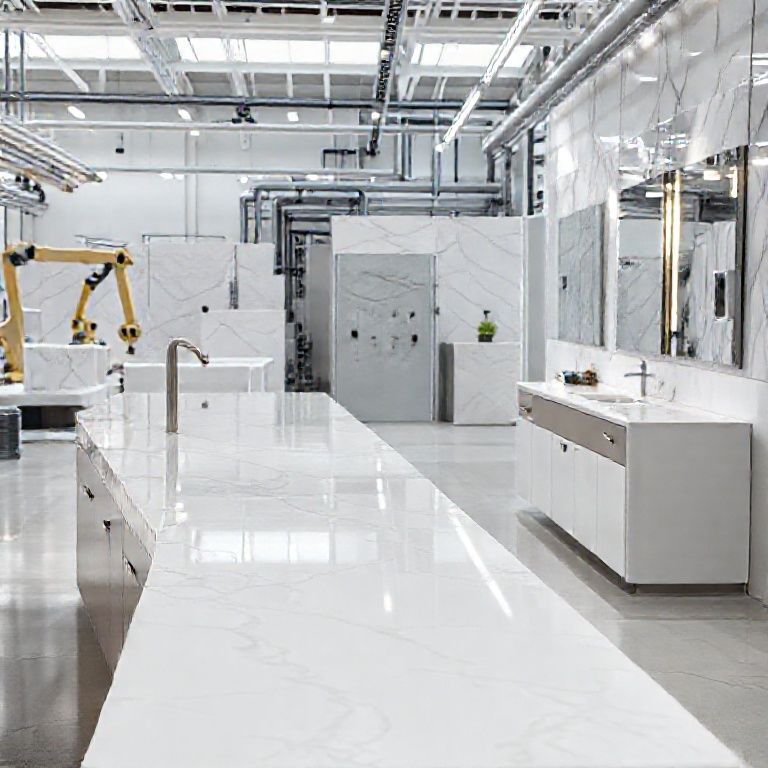
Durability and Strength: The thickness of an artificial stone countertop plays a crucial role in its ability to withstand everyday wear and tear. Thicker countertops are generally more durable and less prone to scratches, chips, and cracks. They can handle heavy use without showing signs of wear, making them an excellent choice for high-traffic areas like kitchens.
Weight: Thicker countertops are heavier, which can affect installation and structural support. However, this weight also contributes to the stability and longevity of the countertop. Heavier countertops are less likely to warp or bend over time, providing a more stable surface.
Aesthetic Appeal: The thickness of a countertop can influence its overall look and feel. Thinner countertops offer a sleek, modern appearance that can fit into minimalist designs. On the other hand, thicker countertops can provide a more substantial, traditional aesthetic that some homeowners prefer.
Standard Thickness Options
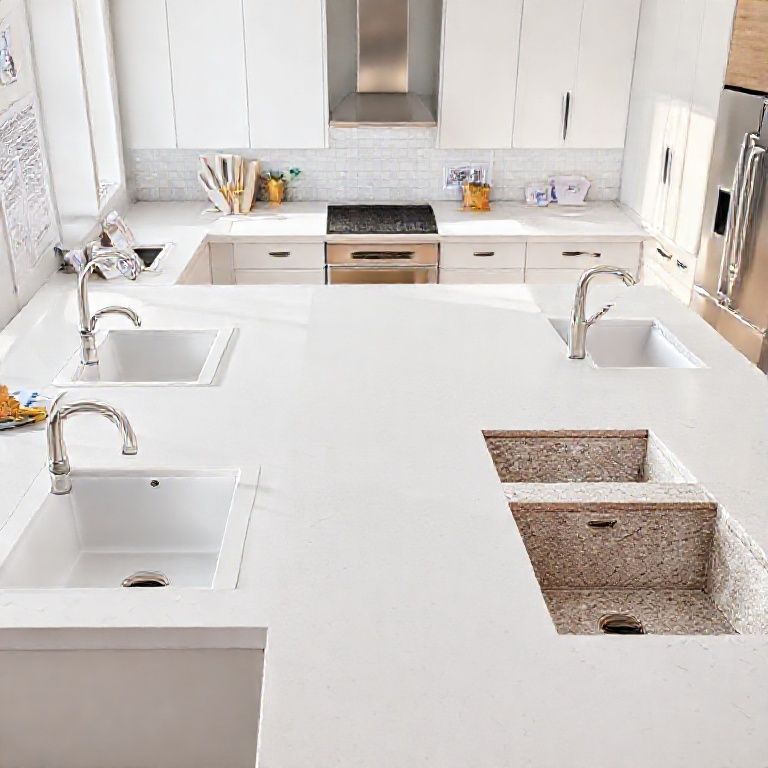
Artificial stone countertops are available in various thicknesses, typically ranging from 1 inch to 2 inches. Here’s a breakdown of the most common thickness options and their respective benefits:
1-inch Thickness: A 1-inch thick artificial stone countertop is perfect for those who want a sleek, modern look. This thickness is ideal for spaces where weight is a concern, such as upper cabinets or areas where the countertop needs to fit into a tight space. While it offers good durability, it might not be the best choice for high-traffic areas that require extra strength.
1.5-inch Thickness: A 1.5-inch thick countertop strikes a balance between aesthetics and durability. It offers a substantial look without the added weight of thicker options. This thickness is versatile and suitable for most kitchen and bathroom applications, providing excellent strength and resistance to scratches and chips.
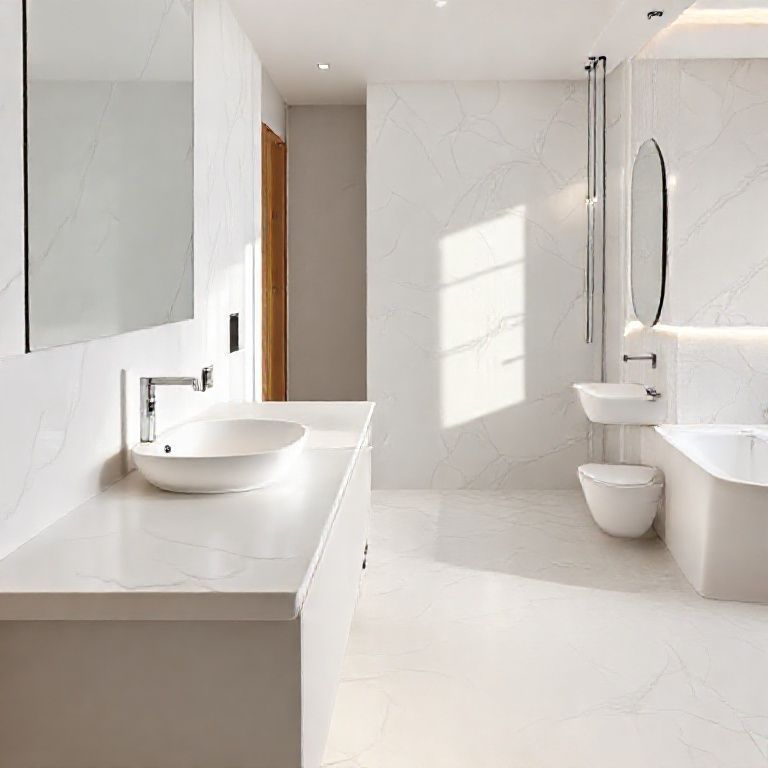
2-inch Thickness: A 2-inch thick artificial stone countertop is the thickest and most durable option. It is ideal for areas that experience heavy use, such as countertops in kitchens where cutting, cooking, and food preparation take place. The added thickness provides exceptional durability, making it an excellent choice for long-lasting performance.
Factors to Consider When Choosing Thickness
When selecting the thickness of your artificial stone countertop, consider the following factors to ensure you make the best choice for your space:
Usage: Determine how the countertop will be used. High-traffic areas like kitchen islands and countertops benefit from thicker, more durable options. Lighter usage areas, such as backsplashes, might be better suited to thinner options.
Installation: The thickness of the countertop will affect the installation process. Thicker countertops require more robust support structures and may need specialized installation techniques. Discuss these requirements with your contractor to ensure a smooth installation process.
Aesthetics: Consider the overall design of your space. Thinner countertops offer a modern, minimalist look, while thicker ones provide a more traditional, substantial appearance. Choose the thickness that complements your design vision.
Weight and Stability: Thicker countertops are heavier and provide better stability. If your space has limited structural support, a thicker countertop might be necessary to ensure stability and prevent warping.
Conclusion
Choosing the right thickness for your artificial stone countertop is a critical decision that impacts durability, aesthetics, and functionality. Whether you opt for a sleek 1-inch option or a robust 2-inch choice, understanding the importance of thickness will help you make an informed decision that meets your needs and enhances your home renovation project.
In the next part of this guide, we will explore additional factors to consider when selecting artificial stone countertops, including material selection, installation tips, and maintenance requirements. Stay tuned for more detailed insights into creating the perfect countertop for your space.
The Ultimate Guide to the Thickness of Artificial Stone Countertops
Welcome back to the second part of our comprehensive guide on the thickness of artificial stone countertops. In this part, we will dive deeper into material selection, installation tips, and maintenance requirements to ensure that you make the best choice for your home renovation project. We’ll also address some frequently asked questions and provide expert advice on maximizing the performance and longevity of your artificial stone countertop.
Material Selection: Beyond Thickness
While thickness is an important consideration, it’s just one aspect of what makes an artificial stone countertop. Material selection plays a crucial role in determining the overall quality, durability, and appearance of your countertop. Here’s what to consider when selecting the material for your artificial stone countertop:
Composition: Artificial stone countertops are typically made from a blend of natural stone aggregates and resins. The composition of the stone can affect its color, texture, and durability. Look for high-quality materials that offer a good balance of strength and aesthetic appeal.
Color and Design: The color and design of your countertop are essential for achieving the desired look in your kitchen or bathroom. Artificial stone comes in a wide range of colors and patterns, allowing you to mimic natural stone or opt for unique, custom designs. Consider the overall design scheme of your space when selecting the color and pattern of your countertop.
Durability: The durability of the material is crucial for long-term performance. Look for countertops made from high-quality resins and aggregates that offer excellent resistance to scratches, stains, and chips. Some brands offer additional treatments or coatings to enhance durability and provide extra protection against wear and tear.
Installation Tips for Artificial Stone Countertops
Proper installation is key to ensuring the longevity and performance of your artificial stone countertop. Here are some essential tips to keep in mind during the installation process:
Professional Installation: While DIY installation is possible, it’s often best to hire a professional for a precise and secure fit. Professionals have the experience and tools needed to ensure that your countertop is installed correctly, providing optimal stability and performance.
Support Structures: Thicker countertops require more robust support structures to prevent warping and ensure stability. Work with your contractor to determine the appropriate support structures for your countertop’s thickness and ensure they are installed correctly.
Sealing and Finishing: After installation, it’s important to seal and finish your artificial stone countertop to protect it from stains and scratches. Follow the manufacturer’s instructions for sealing and reapply the sealer periodically to maintain the countertop’s appearance and durability.
Adhesive and Fasteners: Use high-quality adhesives and fasteners recommended by the countertop manufacturer. Proper adhesive and fastener selection can prevent issues such as shifting or loosening over time.
Maintenance Requirements
Proper maintenance is essential for keeping your artificial stone countertop looking and performing its best. Here are some key maintenance tips to follow:
Regular Cleaning: Clean your countertop regularly with mild soap and water to remove everyday spills and stains. Avoid using harsh chemicals that can damage the surface. For tougher stains, use a specialized cleaner recommended by the countertop manufacturer.
Immediate Spill Management: Address spills immediately to prevent stains and damage. Blot up liquid spills with a clean, dry cloth and wipe away any residue. For tougher spills, use a suitable cleaner as soon as possible.
Avoiding Sharp Objects: Avoid using sharp objects on your countertop, as they can cause scratches and chips. Use cutting boards and other protective barriers when cutting or preparing food.
Periodic Sealing: Reapply the sealer periodically to maintain the countertop’s protective coating. Follow the manufacturer’s guidelines for the frequency and method of sealing to ensure optimal protection.
Frequently Asked Questions
Here are some common questions about the thickness of artificial stone countertops, along with expert answers to help you make the best choice for your space:
Can I install a thicker countertop in a small kitchen? Yes, you can install a thicker countertop in a small kitchen. While the added weight may require more robust support structures, a thicker countertop can provide excellent durability and stability. Ensure your support structures are adequate to handle the weight.
选择合适的厚度和材料
厚度选择:如前所述,厚度主要影响耐用性和稳定性。对于高频使用的区域(如厨房台面),建议选择2英寸厚度的人造石。对于不需要特别高耐用性的区域(如浴室台面),1.5英寸厚度可能就足够了。需要注意的是,厚度虽然影响耐用性,但也要考虑整体设计的协调性。
材料选择:人造石通常由天然石材和树脂混合制成。选择具有高抗摔性和耐刮擦性的人造石,这不仅能延长使用寿命,还能保持美观。某些品牌还会在人造石中添加特殊的防污处理,这在厨房等容易出现油污的地方尤为重要。 安装和固定 专业安装:由于人造石的重量和安装技术要求,建议由专业人员进行安装。
专业人员不仅能确保人造石台面的平整和水平,还能有效防止未来出现的问题如台面倾斜、松动等。 固定方法:在安装人造石台面时,需要使用适当的粘合剂和固定件来确保台面的稳固性。通常,建筑胶或者专业级粘合剂可以达到良好的固定效果。需要预留一定的边缘空间,以便于日后的维护和清洁。
后期维护和保养 日常清洁:人造石台面通常非常耐污,但为了保持其美观,建议每天用中性清洁剂和温水擦拭。避免使用钢丝球、热水和强酸强碱清洁剂,以免对表面造成损伤。 定期处理:建议每隔几个月使用专业的保护剂对人造石台面进行处理,以保持其光泽和防污性能。
具体的保护剂可以咨询人造石供应商或专业人员。 特殊注意事项 防摔设计:在高频使用区域,建议在人造石台面下方设计防摔垫,以在发生意外时保护台面和下方结构。 防火性能:人造石台面一般具有良好的防火性能,但在高温环境下仍需注意避免直接暴露在高温火源下,以防止热损伤。
通过以上步骤,可以确保你选择和使用的人造石台面既美观又耐用,并能在日常使用中表现出色。如果你有更多具体的问题或需要进一步的咨询,欢迎随时提问。