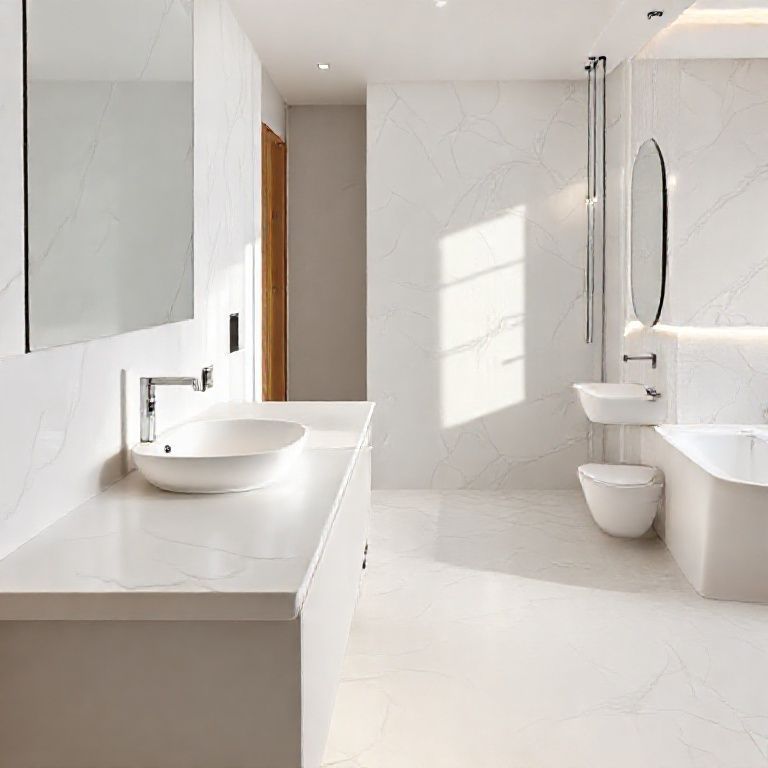
The Composition and Benefits of Artificial Marble
In the realm of modern materials, artificial marble stands out as a revolutionary product that has transformed the way we perceive and use stone in both residential and commercial settings. Known for its durability, aesthetic appeal, and versatility, artificial marble, or composite stone, has become a popular choice for many design projects. Let’s delve into what makes artificial marble such a compelling option.

What is Artificial Marble?
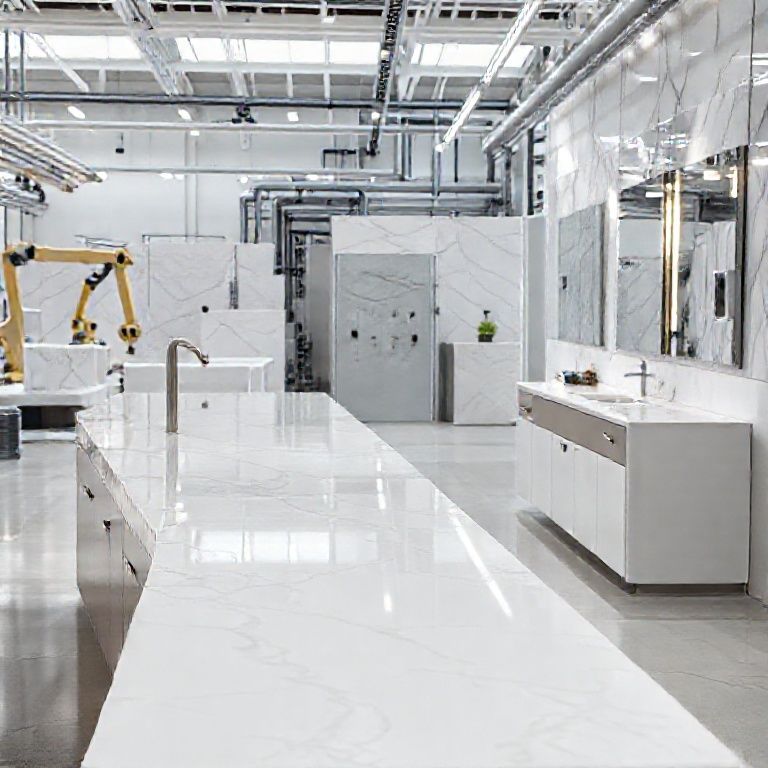
Artificial marble, also known as composite stone, is a man-made material that mimics the appearance and texture of natural marble. Unlike natural stone, which is quarried and has a unique pattern, artificial marble is created in a factory setting, allowing for consistent, customized designs. It typically consists of a mixture of minerals, pigments, and resins that are bonded together under high pressure and temperature to create a solid, monolithic surface.
Composition of Artificial Marble
The key components of artificial marble include:
Minerals: The primary mineral used is often calcium carbonate, similar to that found in natural marble. This gives artificial marble its characteristic luster and color. Pigments: High-quality pigments are used to achieve the desired color and pattern. These pigments are mixed into the resin and mineral base, ensuring a consistent and vibrant finish. Resins: Polymer resins are used to bind the minerals together. These resins provide the structural integrity and durability of the material. Fillers and Additives: Various fillers and additives may be included to enhance specific properties like hardness, color consistency, and resistance to staining.
Benefits of Artificial Marble
Artificial marble offers several advantages that make it a preferred choice for many design applications:
Durability and Strength
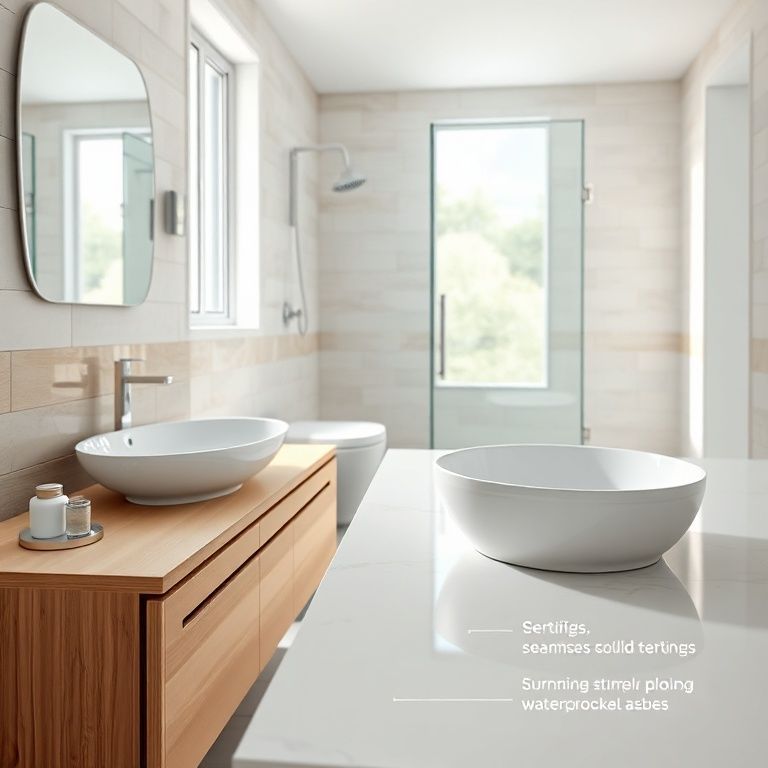
Artificial marble is highly resistant to scratches, chips, and impact, making it an excellent choice for high-traffic areas like kitchens and bathrooms. Its strength allows it to withstand heavy use without degrading, ensuring long-lasting performance.
Aesthetic Appeal
One of the most significant benefits of artificial marble is its aesthetic versatility. Designers can create custom colors, patterns, and textures that mimic natural marble or offer unique designs that are impossible to achieve with natural stone. This flexibility allows for endless creative possibilities in design.
Low Maintenance
Artificial marble surfaces are easy to clean and maintain. They resist stains, spills, and bacteria, making them ideal for both residential and commercial environments. A simple wipe with a damp cloth and mild detergent is often sufficient to keep the surface looking pristine.
Cost-Effectiveness
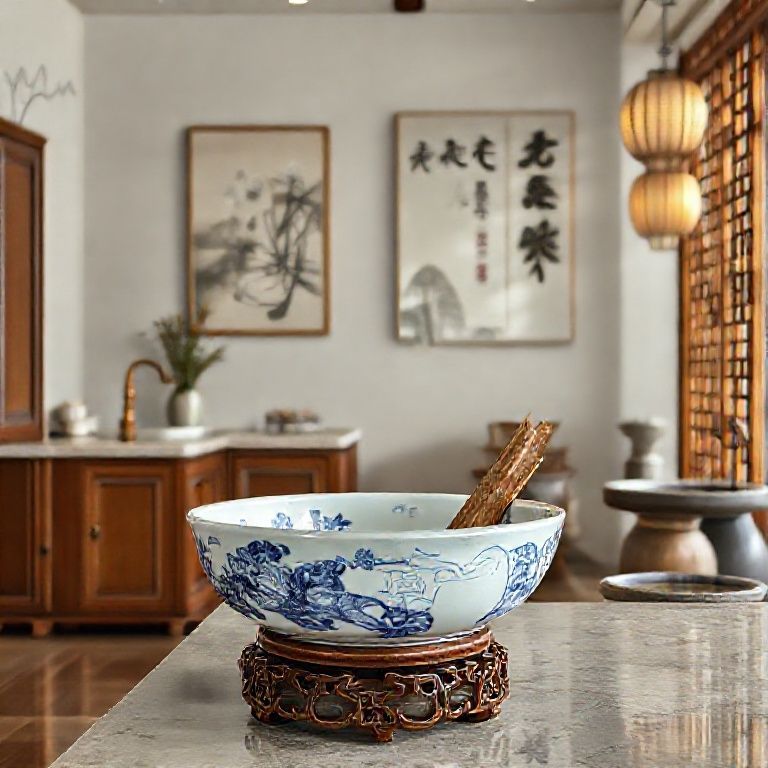
While the initial cost of artificial marble may be higher than some other materials, its durability and low maintenance requirements result in long-term cost savings. The longevity of artificial marble means that it requires less frequent replacement compared to natural stone, which often needs maintenance or re-cutting over time.
Environmental Considerations
Artificial marble is an eco-friendly option when compared to natural stone. Since it doesn’t require mining, it reduces the environmental impact associated with quarrying and transportation. Additionally, it can be produced using recycled materials, further minimizing its ecological footprint.
Versatility in Applications
Artificial marble is incredibly versatile and can be used in a wide range of applications:
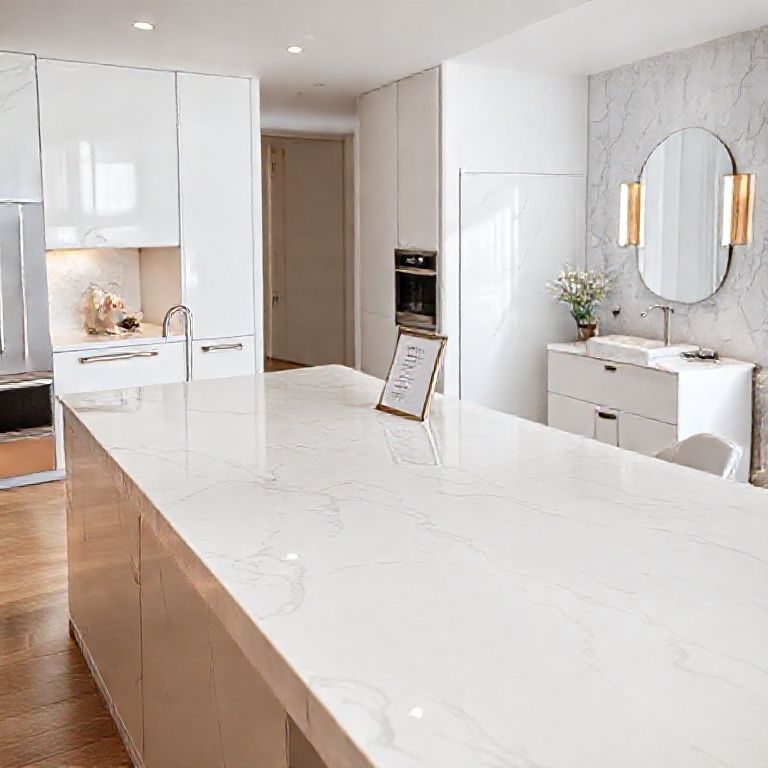
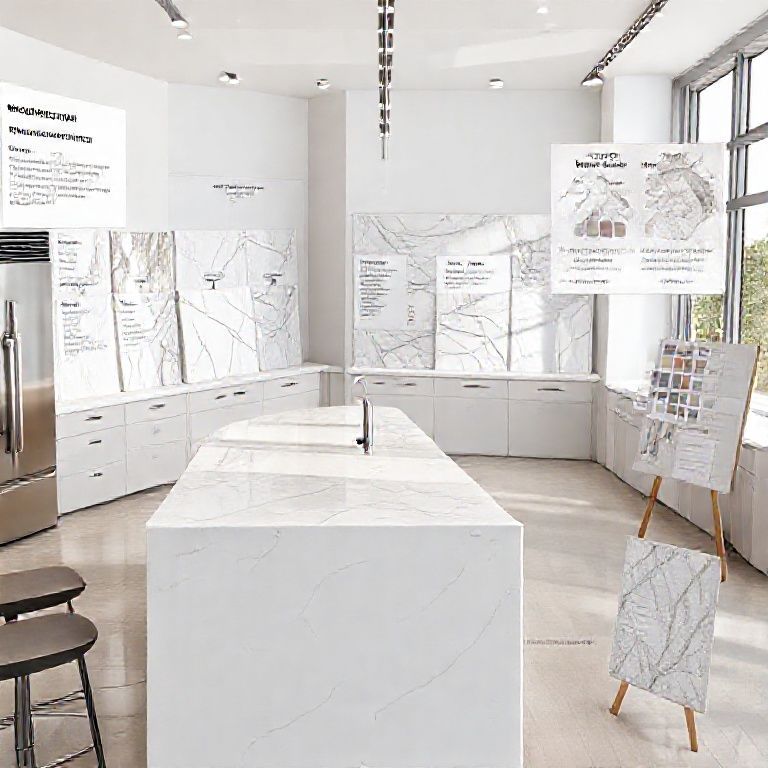
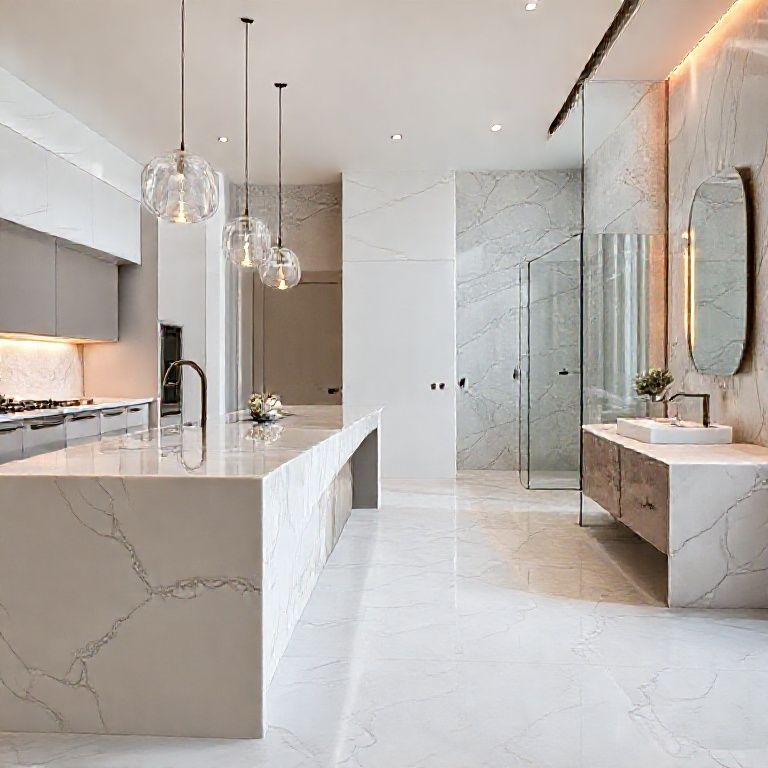
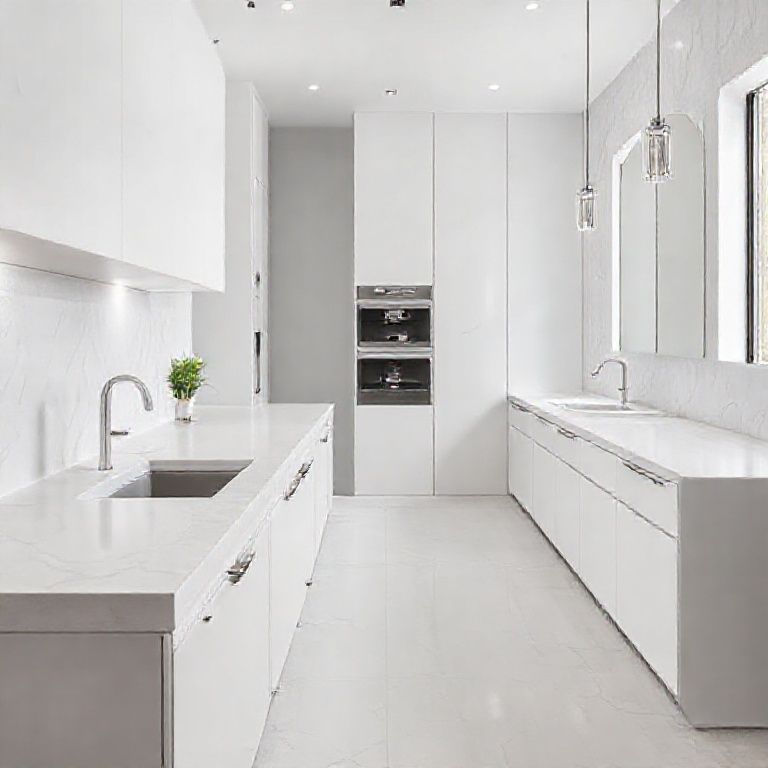
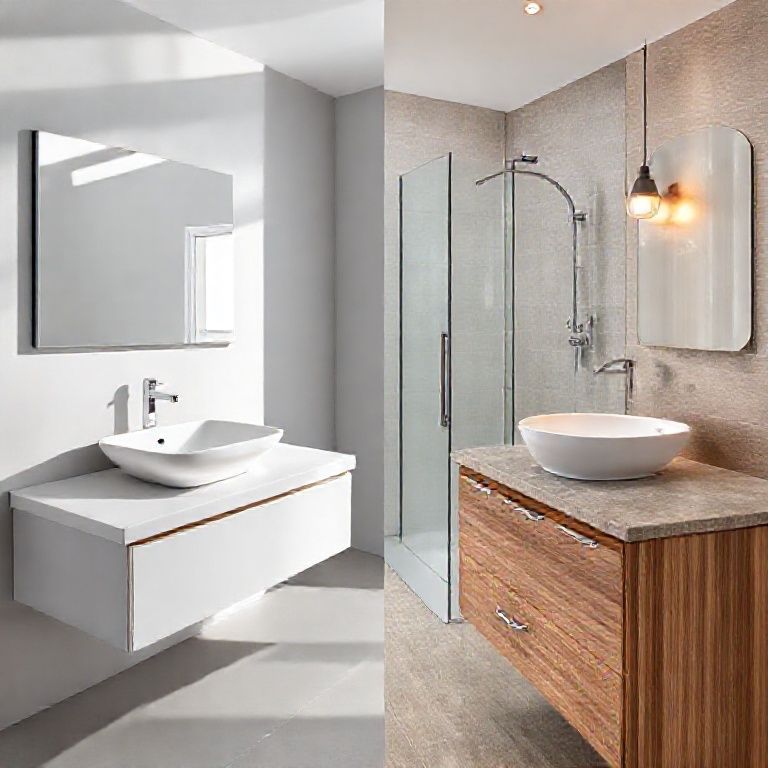
Countertops: The most common use, offering a stunning marble-like appearance that’s easy to maintain. Sinks: Its durability makes it an excellent choice for kitchen and bathroom sinks. Vanity Tops: Provides a luxurious look for bathroom vanities. Wall Cladding: Used for decorative wall panels and backsplashes. Furniture: Ideal for creating custom pieces like tabletops, bar tops, and other furniture elements.
Conclusion
In summary, artificial marble is a remarkable material that combines the beauty and luxury of natural marble with enhanced durability, low maintenance, and cost-effectiveness. Its composition allows for a wide range of colors, patterns, and textures, making it a versatile choice for various design applications. As we continue to explore more about artificial marble in the next part of this guide, we’ll delve into its installation, maintenance tips, and current design trends.
Installation, Maintenance, and Design Trends of Artificial Marble
In the previous part, we explored the composition and benefits of artificial marble. Now, let’s delve deeper into how to install, maintain, and make the most of this versatile material in modern design. This comprehensive guide will provide you with all the knowledge you need to make informed decisions about incorporating artificial marble into your projects.
Installation of Artificial Marble
Preparation
Before installing artificial marble, thorough preparation is essential to ensure a successful outcome. Here are the steps to follow:
Surface Preparation: The surface where the artificial marble will be installed must be clean, smooth, and free from any debris. If it’s a countertop, ensure that the underlying structure is sturdy and capable of supporting the weight of the marble.
Cutting: Artificial marble can be cut using a tile cutter or a wet saw. Precision is key to ensure that the pieces fit perfectly. It’s advisable to work with a professional to get accurate cuts.
Adhesive Selection: Use a high-quality adhesive specifically designed for installing composite stone. The adhesive should be applied evenly to ensure strong bonding.
Installation: Place the first piece of artificial marble on the adhesive and press it firmly. Use a rubber mallet to gently tap the piece into place, ensuring it adheres well. Continue with the remaining pieces, spacing them evenly and using spacers to maintain consistent gaps.
Curing: Allow the adhesive to cure according to the manufacturer’s instructions. This process ensures that the adhesive bonds properly and securely.
Tools Needed
Tile cutter or wet saw Rubber mallet Spacers High-quality adhesive
Maintenance of Artificial Marble
Maintaining artificial marble is relatively straightforward, given its low-maintenance nature. Here’s how to keep your artificial marble surfaces looking their best:
Regular Cleaning: Wipe the surface with a soft cloth dampened with warm water and mild dish soap. For tougher stains, use a cleaner specifically designed for composite stone.
Avoiding Abrasives: To prevent scratches and damage, avoid using abrasive cleaning tools or harsh chemicals. These can degrade the surface over time.
Immediate Stain Removal: Promptly clean up spills and stains to prevent them from setting in. Most stains can be removed with a gentle cleaner, but for tougher spots, a specialized stone cleaner may be necessary.
Sealing: Although artificial marble is resistant to stains, sealing the surface periodically can provide an additional layer of protection. Use a high-quality sealer designed for composite stone.
Avoiding Heat: To prevent discoloration from heat, avoid placing hot pots, pans, or other heated items directly on the surface. Use trivets or heat-resistant pads instead.
Design Trends with Artificial Marble
Artificial marble continues to evolve and adapt to contemporary design trends, offering designers and homeowners innovative and stylish options. Here’s a look at some of the latest trends:
Custom Colors and Patterns
One of the most exciting aspects of artificial marble is its ability to be customized. Designers are increasingly creating unique colors and patterns that reflect current design trends. From bold, vibrant hues to intricate, marble-like designs, the possibilities are endless. This flexibility allows for bespoke designs that cater to individual tastes and preferences.
Minimalist Designs
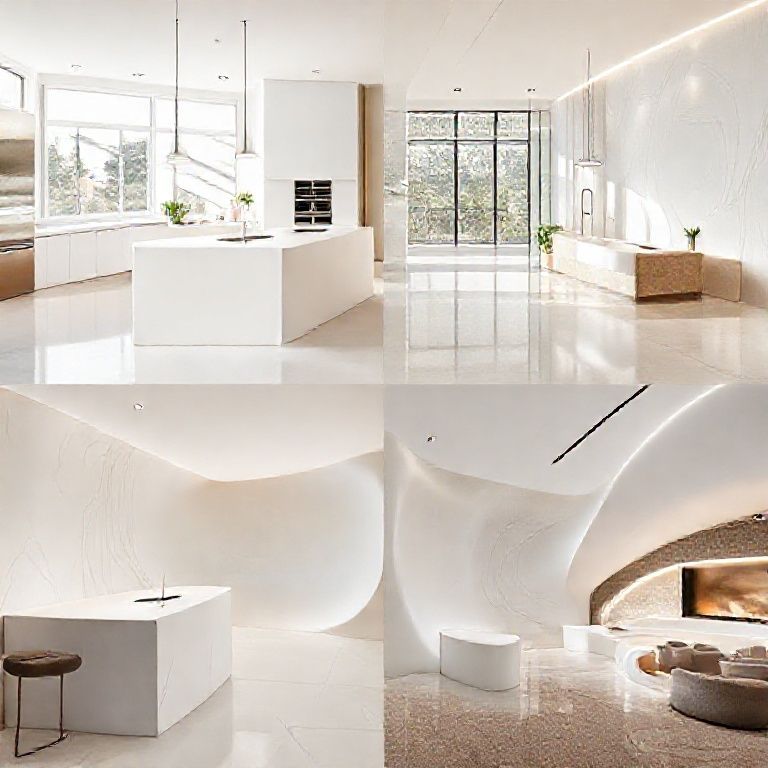
Minimalism remains a popular trend, and artificial marble fits perfectly within this aesthetic. Its clean lines and smooth surfaces make it ideal for minimalist designs that emphasize simplicity and functionality. Whether it’s a sleek kitchen countertop or a minimalist bathroom vanity, artificial marble can deliver a modern, uncluttered look.
Sustainable Design
With a growing emphasis on sustainability, artificial marble stands out as an eco-friendly choice. Its production process often uses recycled materials and avoids the environmental impact associated with quarrying natural stone. Designers are increasingly incorporating artificial marble into sustainable design projects that prioritize eco-friendly materials and practices.
Textured Finishes
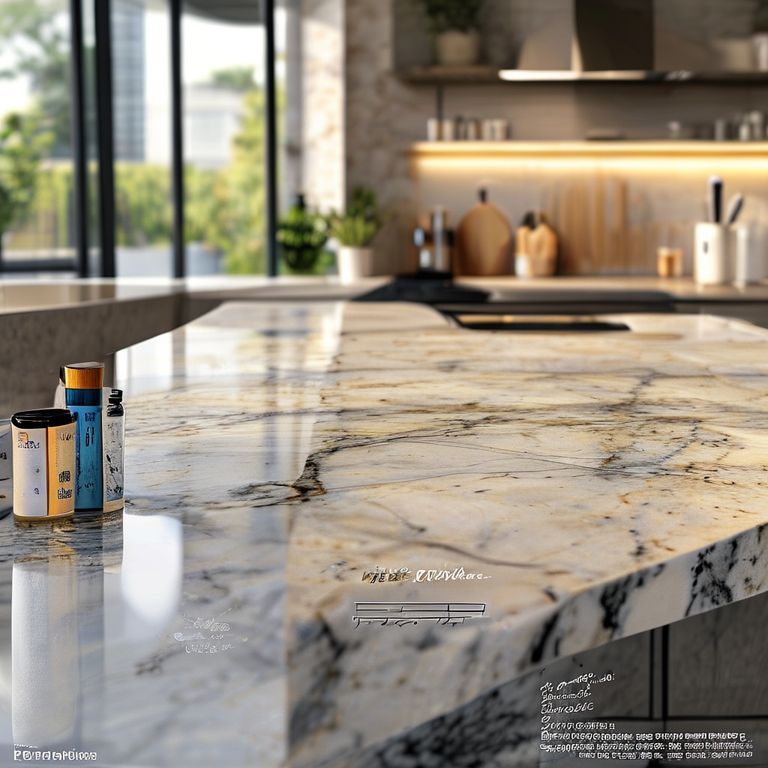
Textured finishes have been gaining popularity, and artificial marble can be engineered to achieve various textural effects. From matte to glossy, designers can select finishes that complement their overall design vision. Textured surfaces add depth and visual interest, making artificial marble a versatile option for both modern and traditional designs.
Multifunctional Uses
Artificial marble’s versatility extends beyond traditional uses. It’s being integrated into multifunctional surfaces and custom pieces. For example, innovative designs now include artificial marble integrated into furniture, outdoor furniture, and even architectural elements. Its durability and aesthetic appeal make it a suitable choice for a wide range of applications.
Conclusion
Artificial marble continues to revolutionize the world of design with its blend of durability, aesthetic appeal, and versatility. From installation to maintenance, understanding the nuances of this material ensures that you can make the most of its benefits in your projects. As design trends evolve, artificial marble remains a flexible and innovative choice that can meet the demands of both contemporary and traditional design styles.
Whether you’re renovating your home or designing a commercial space, artificial marble offers a range of options that can enhance beauty, functionality, and sustainability. Embrace the future of design with artificial marble and discover继续探讨人造大理石的应用和设计趋势,我们可以深入了解如何在各种家居和商业环境中最大限度地利用这一材料的优势。
人造大理石不仅在现代设计中受到欢迎,还在多个领域展现出其独特的优势。
在家居设计中的应用
厨房和浴室
人造大理石在厨房和浴室中的应用尤其广泛。它的耐刮擦、耐污渍和易于清洁的特性使其成为这些高频使用区域的理想选择。人造大理石台面不仅美观,还能提供一种持久的、不易变色的外观,这在厨房和浴室等潮湿环境中尤为重要。
客厅和餐厅
在客厅和餐厅,人造大理石常被用于制作桌面、吧台和装饰墙面。其多样的颜色和纹理选择使设计师可以创造出与空间风格完美契合的独特设计。无论是现代简约风格还是传统古典风格,人造大理石都能轻松融入。
地板和墙面
虽然人造大理石主要用于台面,但它也可以用于地板和墙面。特别是在商业空间,如零售店和办公楼,人造大理石地板和墙面能够提供一种高档、持久的视觉效果。
在商业设计中的应用
零售店和购物中心
在零售店和购物中心,人造大理石常被用于展示台、售货柜和卖场装饰。其耐用性和易清洁性使其成为高流量区域的理想选择。人造大理石可以根据品牌形象定制独特的颜色和纹理,从而提升品牌的视觉冲击力。
办公楼和会议室
在办公楼和会议室,人造大理石常用于办公桌、会议桌和接待台。这些应用不仅需要材料的耐用性,还需要视觉上的高级感。人造大理石能够提供一种专业、高端的环境,有助于提升企业形象。
医疗和教育设施
在医疗和教育设施中,人造大理石的抗菌和易清洁特性非常重要。这些环境需要材料不仅耐用,还必须能够维护高标准的卫生条件。人造大理石的使用能够满足这些需求,同时保持美观。
未来趋势
智能家居集成
随着智能家居技术的发展,人造大理石在家居中的应用也在不断创新。未来,我们可能会看到更多智能功能集成在人造大理石表面,如可调节的照明、内置的音响系统等。这些创新将进一步提升人造大理石的功能性和美观性。
环保和可持续性
环保和可持续性是当今设计的重要趋势之一。人造大理石在这一领域表现出色。其生产过程中使用的再生材料和低排放工艺使其成为环保设计的理想选择。人造大理石的长寿命特性减少了材料的频繁更换,从而减少了资源消耗和环境影响。
定制化设计
随着技术的进步和设计需求的多样化,人造大理石的定制化设计也在不断发展。设计师们可以通过3D打印和其他先进技术,创造出前所未有的复杂和个性化设计。这种定制化趋势使人造大理石在高端定制家具和装饰品中的应用越来越普遍。
结论
人造大理石作为一种多功能、美观且易于维护的材料,在家居和商业设计中拥有广泛的应用前景。其耐用性、易清洁性和多样化的设计选择使其成为现代设计中的一个重要材料。随着智能家居技术、环保意识和定制化设计的发展,人造大理石将在未来的设计中扮演更加重要的角色。
无论是在家庭环境还是商业空间,人造大理石都能为我们带来更美好的生活和工作体验。