The Ultimate Guide to Understanding Synthetic Stone Countertops: What You Need to Know
When it comes to kitchen and bathroom renovations, choosing the right material for your countertops is crucial. Among the various options available, synthetic stone countertops have gained significant popularity due to their durability, aesthetic appeal, and cost-effectiveness. But what exactly is synthetic stone, and why is it such a sought-after choice? This guide will delve into the intricacies of synthetic stone countertops, breaking down their material composition, benefits, and how they stack up against other popular options.

What is Synthetic Stone?
Synthetic stone, often referred to as quartz, is a composite material made from 90% natural stone aggregates and 10% resin binder. This unique blend of natural stone and resin creates a solid surface that mimics the appearance of traditional stone while offering superior durability and maintenance benefits. Unlike natural stone, synthetic stone is manufactured in a controlled environment, allowing for consistent quality and a wide range of colors and patterns.
Material Composition
The primary component of synthetic stone is natural stone, which can include quartz, granite, or basalt. These minerals are crushed and mixed with a polymer resin binder. The resulting mixture is then poured into molds and cured under heat and pressure, creating a solid, monolithic surface. The resin binder not only holds the stone aggregates together but also enhances the material’s strength and resistance to various types of wear and damage.
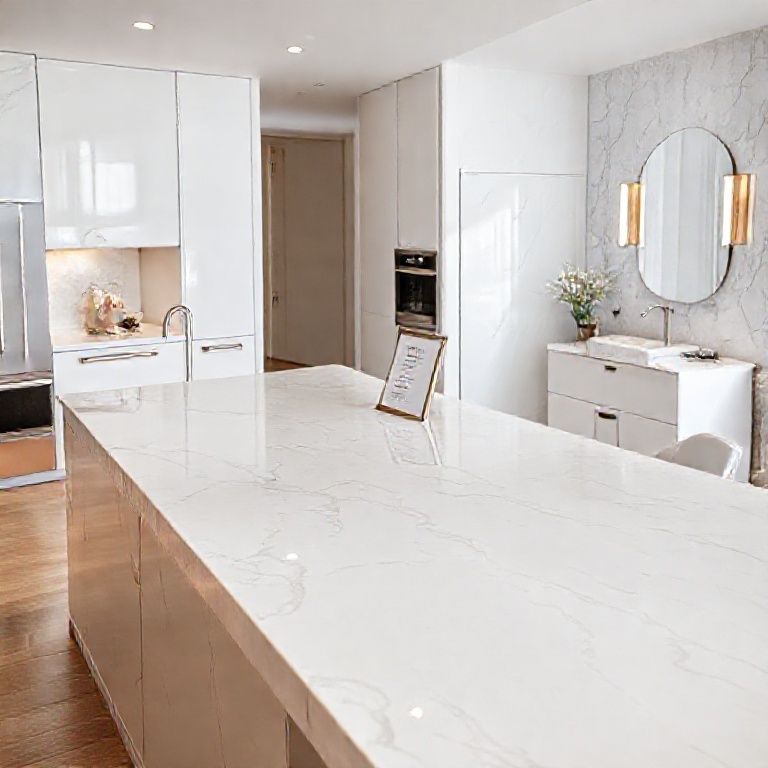
One of the key advantages of synthetic stone is its ability to replicate the look of high-end natural stone without the associated costs and maintenance issues. The resin binder used in the manufacturing process allows synthetic stone to be molded into intricate designs and finishes, giving it a realistic appearance that can rival marble or granite.
Benefits of Synthetic Stone Countertops
1. Durability and Strength
One of the primary benefits of synthetic stone countertops is their exceptional durability. The high-pressure curing process used in their manufacturing makes them incredibly strong, capable of withstanding heavy use and impact. Synthetic stone is also highly resistant to scratches, making it a practical choice for high-traffic areas like kitchens and dining rooms.
2. Stain Resistance
Synthetic stone countertops are virtually stain-proof. The resin binder creates a smooth, non-porous surface that prevents stains from penetrating the material. Unlike natural stone, which can be prone to staining and requires regular sealing, synthetic stone requires minimal maintenance. Simply wipe it down with a damp cloth and mild cleaner, and it’s good as new.
3. Water Resistance
While synthetic stone is not completely waterproof, it is highly water-resistant. The resin binder and the natural stone aggregates used in its composition create a surface that repels water, making it easy to clean and maintain. This makes synthetic stone an excellent choice for kitchens, bathrooms, and even outdoor spaces where moisture is a concern.
4. Versatility in Design
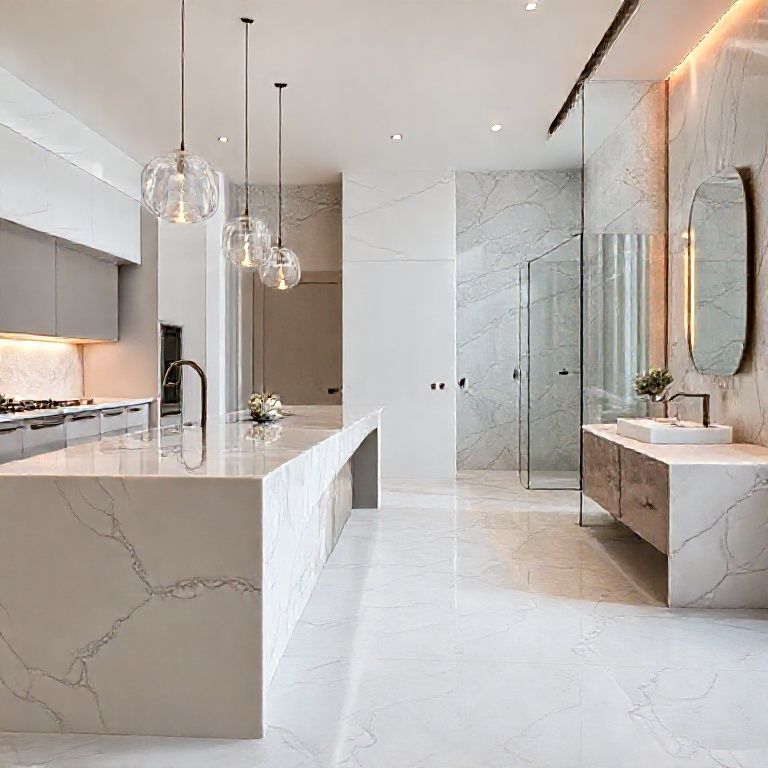
One of the biggest advantages of synthetic stone is its versatility in design. Manufacturers can create a vast array of colors, patterns, and textures, allowing for endless customization options. Whether you want a sleek, modern look or a traditional, natural stone appearance, synthetic stone can be tailored to meet your aesthetic preferences.
5. Cost-Effectiveness
Compared to natural stone, synthetic stone is significantly more affordable. The manufacturing process, while still high-quality, is less expensive, which translates to a lower cost for consumers. Additionally, the lower maintenance requirements and resistance to damage mean that synthetic stone can save you money in the long run.
The Ultimate Guide to Understanding Synthetic Stone Countertops: What You Need to Know
Maintenance and Care
Maintaining synthetic stone countertops is straightforward and requires minimal effort. Here are some tips to ensure your synthetic stone stays looking its best:

1. Regular Cleaning
The best way to keep your synthetic stone countertop looking pristine is to clean it regularly. Use a damp cloth and mild soap to wipe down the surface after each use. For tougher stains, a mixture of water and vinegar can be effective. Avoid using harsh chemicals or abrasive cleaners, as these can scratch the surface.
2. Avoid Sharp Objects
To prevent scratches and damage, avoid using sharp objects on your synthetic stone countertop. Cutting boards, knives, and other sharp items should be placed on a protective mat or cutting board to minimize impact.
3. Sealing
While synthetic stone does not require regular sealing like natural stone, it’s still a good idea to apply a protective sealant periodically. This will help to enhance the surface’s durability and repel potential stains. Look for a high-quality sealant specifically designed for synthetic stone.
Comparing Synthetic Stone to Other Countertop Materials
To help you make an informed decision, let’s compare synthetic stone countertops to some of the other popular options on the market:
1. Granite
Granite is a popular choice for countertops due to its natural beauty and durability. However, it requires regular sealing to prevent stains and can be susceptible to scratches and chips. Synthetic stone, on the other hand, offers a similar aesthetic at a lower cost with less maintenance.
2. Marble
Marble is known for its luxurious appearance and natural veins. However, it is highly porous, making it prone to staining and requires regular sealing. Synthetic stone offers a marble-like appearance without the maintenance hassle.
3. Laminate
Laminate countertops are affordable and come in a variety of colors and patterns. However, they are not as durable as synthetic stone and can be scratched and damaged easily. Synthetic stone’s durability and resistance to wear make it a superior choice for high-traffic areas.
4. Concrete
Concrete countertops are strong and can be customized in terms of color and texture. However, they are not as visually appealing as synthetic stone and can be prone to cracking. Synthetic stone offers a polished, aesthetically pleasing surface without the risk of cracking.
Installation and Design Considerations
1. Installation
Installing synthetic stone countertops is relatively straightforward. The material is available in large slabs that can be cut to fit your specific countertop dimensions. Unlike natural stone, which may require specialized cutting and fitting, synthetic stone can often be installed by a professional with basic skills.
2. Design Flexibility
Synthetic stone’s versatility allows for endless design possibilities. Whether you want a sleek, modern look or a traditional, rustic style, synthetic stone can be molded and finished to match your vision. It can also be cut into various shapes and sizes to create custom designs and features.
3. Environmental Impact
Synthetic stone is an eco-friendly choice compared to natural stone. The manufacturing process for synthetic stone uses less energy and produces fewer emissions. Additionally, synthetic stone can be recycled at the end of its life cycle, reducing its environmental impact.
Conclusion
Synthetic stone countertops offer a compelling combination of durability, beauty, and low maintenance. From their robust material composition to their versatile design options, synthetic stone stands out as a top choice for kitchen and bathroom renovations. Whether you’re looking to save on costs or seeking a low-maintenance alternative to natural stone, synthetic stone provides a practical and aesthetically pleasing solution.
In the next part of this guide, we will explore specific brands and manufacturers of synthetic stone countertops, as well as provide tips on how to choose the right synthetic stone for your home renovation project. Stay tuned for more insights into making the best choice for your countertop needs!