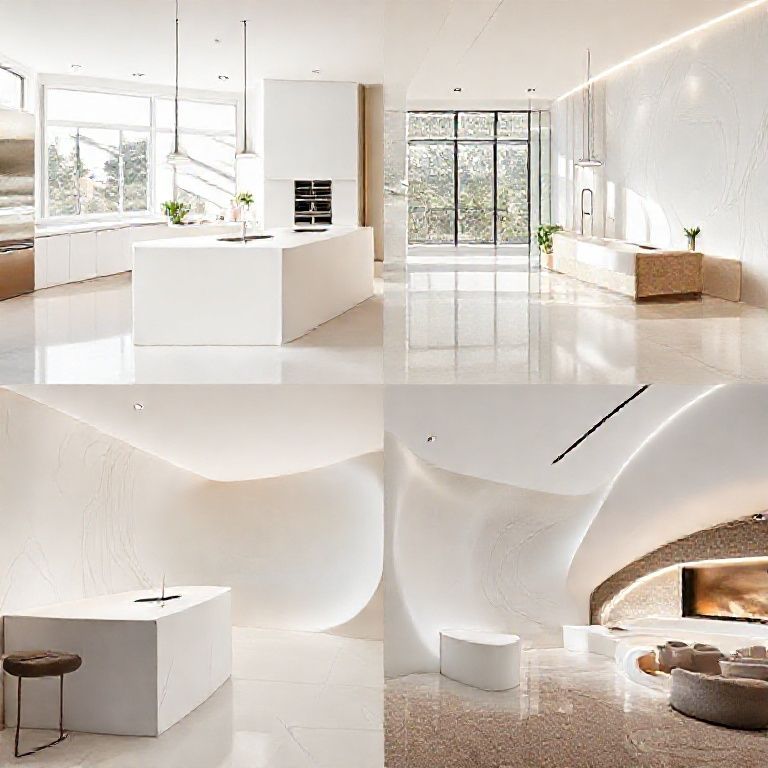
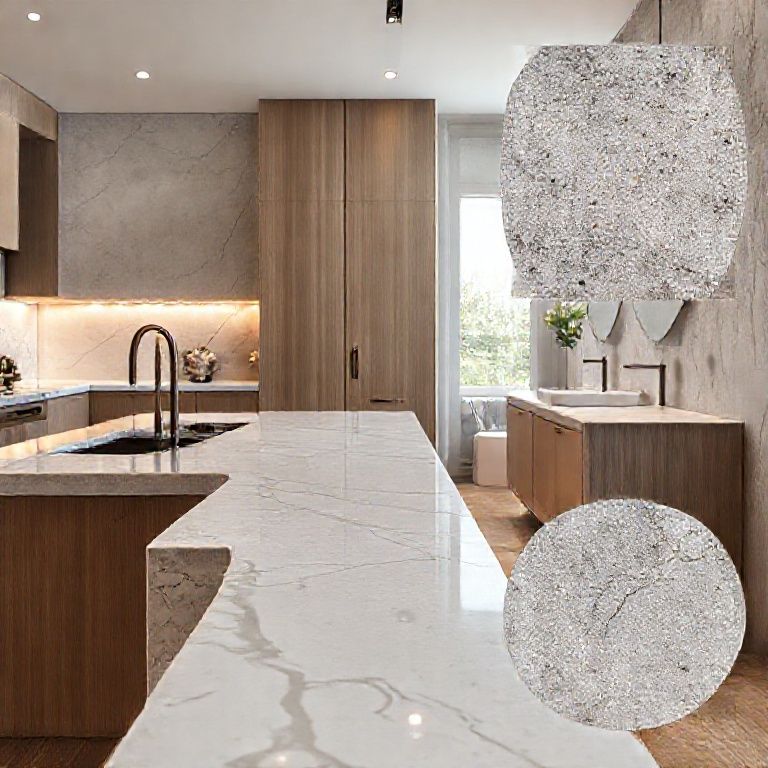
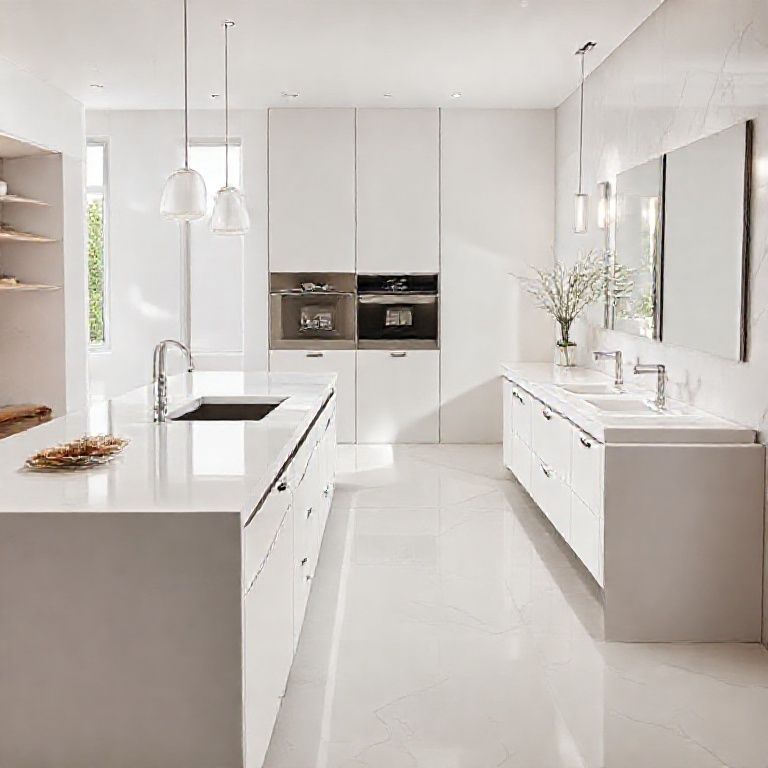
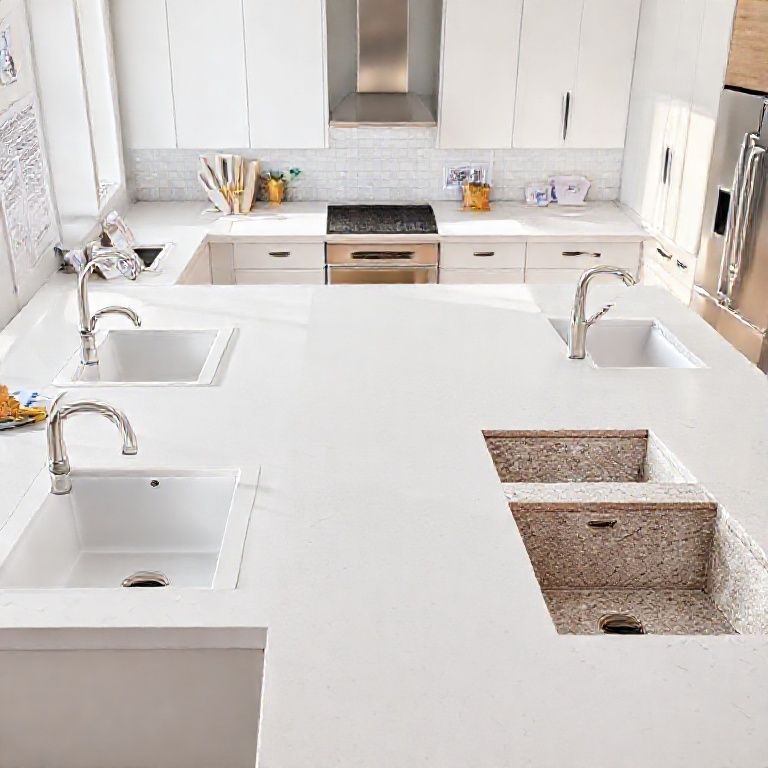
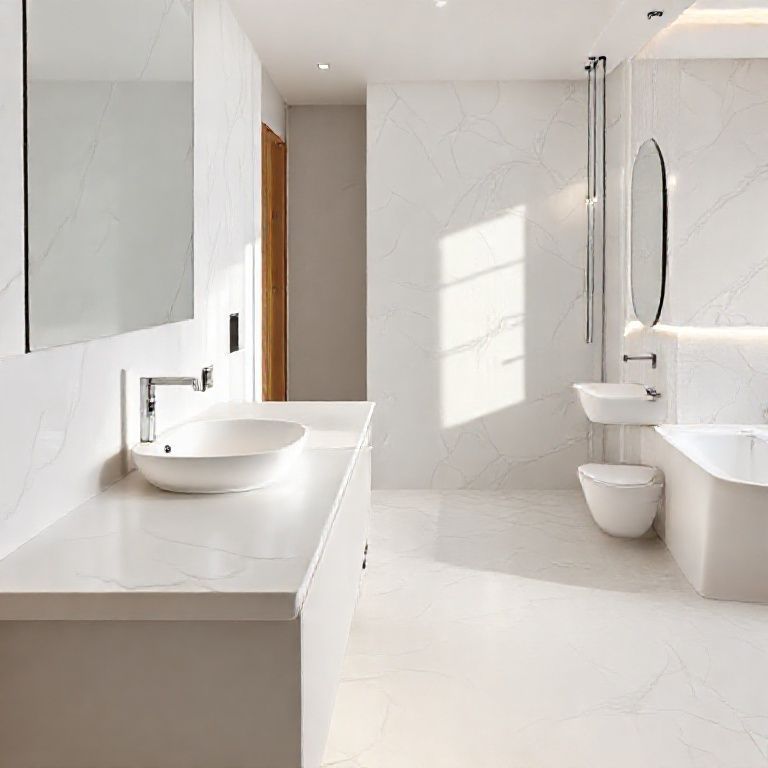
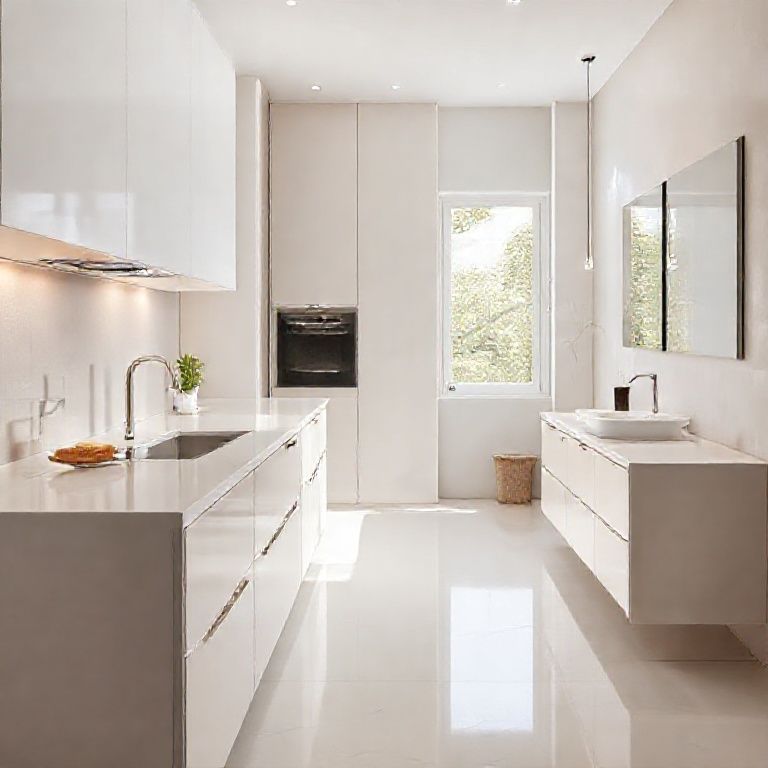
When it comes to selecting the perfect material for your kitchen or bathroom countertop, artificial stone has emerged as a popular choice due to its durability, aesthetic appeal, and versatility. One of the critical factors to consider when choosing artificial stone countertops is their thickness. The thickness of artificial stone countertops is not just a matter of aesthetics but also a crucial element that impacts the functionality, durability, and installation process. This first part of our guide will explore the material properties of artificial stone, the importance of thickness, and various installation techniques.
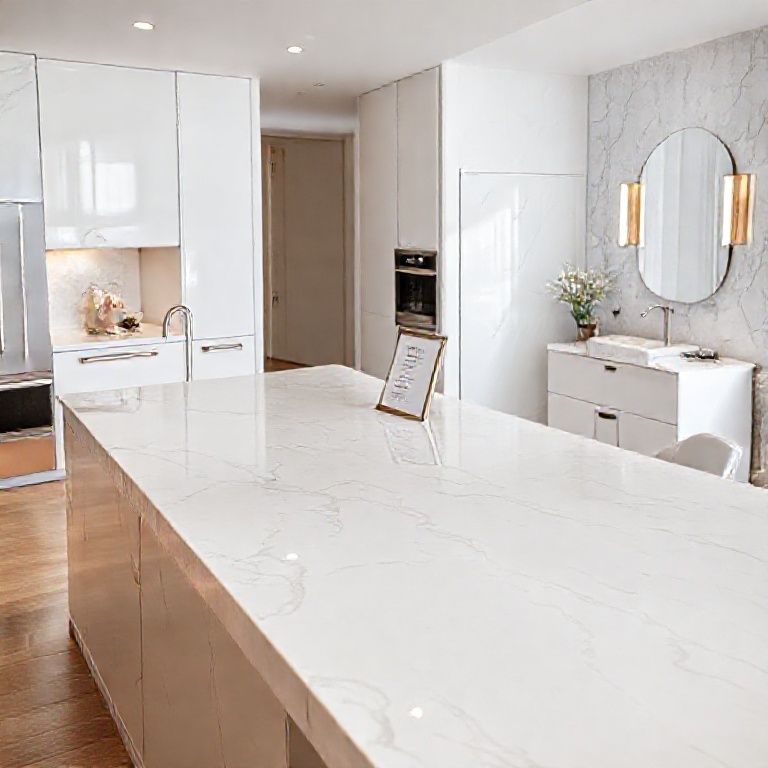
Understanding Material Properties
Artificial stone, also known as engineered stone, is a composite material made from natural stone powder, water, and resin. This combination results in a material that retains the visual appeal of natural stone while offering superior strength and resistance to scratches, stains, and heat.
Material Composition:
Stone Powder: The primary component, giving the stone its color and texture. Resin: Acts as a binding agent that holds the stone powder together. Water: Used to create a slurry that facilitates the mixing process.
Advantages of Artificial Stone:
Durability: Artificial stone is highly resistant to scratches, stains, and thermal shock, making it a long-lasting choice for countertops. Maintenance: Low maintenance compared to natural stone, as it does not require sealing or special cleaning agents. Customization: Available in a wide range of colors and patterns to suit any design preference.
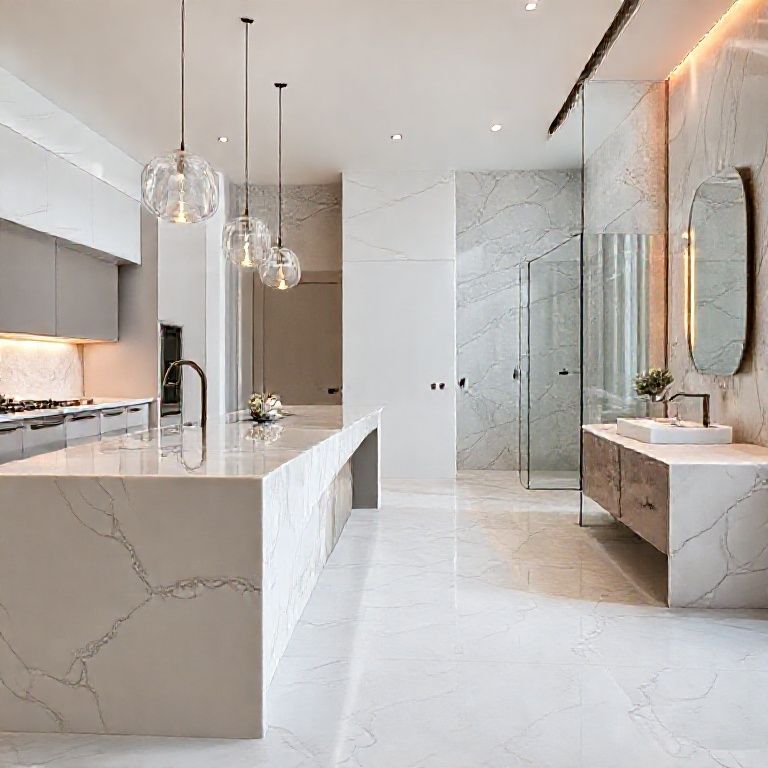
Importance of Countertop Thickness
The thickness of artificial stone countertops is a vital consideration that affects several aspects of their use and installation.
Weight:
Thicker countertops are generally heavier, which can affect the choice of installation method and the structural support required.
Durability:
Thickness directly correlates with durability. Thicker countertops tend to be more resistant to wear and tear, offering a longer lifespan.

Functionality:
The thickness can impact the functionality of your countertop. For instance, a thicker countertop might be better for kitchen use where cutting and cooking occur, while a thinner countertop might be more suitable for bathroom sinks or vanities.
Installation:
Thicker countertops may require more robust installation techniques, such as secure anchoring to cabinets or walls to prevent movement and ensure stability.
Installation Techniques
When it comes to installing artificial stone countertops, understanding the appropriate thickness is crucial for ensuring a seamless and durable fit.
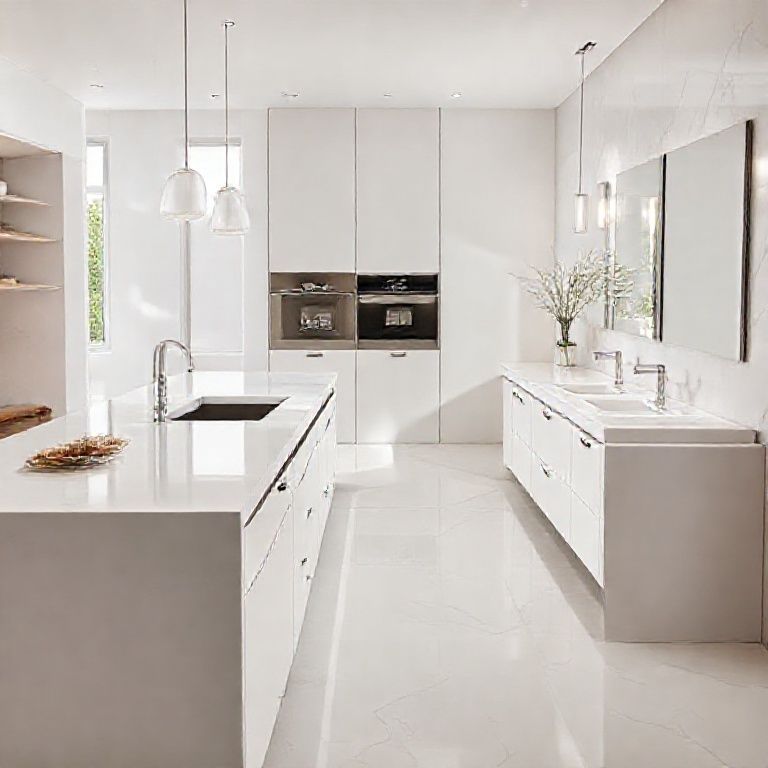
Direct Installation:
This method involves securing the countertop directly to the wall or cabinet. For thicker countertops, a stronger adhesive or mechanical fasteners may be required to ensure a secure bond.
Floating Installation:
In this method, the countertop is not anchored to the wall or cabinet but rests freely on the surface. This is often preferred for thinner countertops due to the reduced weight and ease of installation.
Reinforcement:
For thicker countertops, additional reinforcement might be necessary. This could involve using brackets or additional support structures to ensure the countertop remains stable over time.
Selecting the Right Thickness
Choosing the right thickness for your artificial stone countertop involves considering several factors, including your specific needs, the intended use of the countertop, and the overall design of your space.
Kitchen Countertops:
For kitchen countertops, a thickness of 2 to 3 centimeters is generally recommended. This range provides a good balance of durability and ease of installation while being lightweight enough to handle the daily wear and tear of cooking and food preparation.
Bathroom Countertops:
In bathrooms, the countertop thickness can be slightly thinner, typically around 1.5 to 2.5 centimeters. This is often sufficient for sinks and vanities, where the primary use is washing hands and grooming.
Design Considerations:
When choosing the thickness, it’s also important to consider the design and aesthetic of your space. Thicker countertops may offer a more substantial and robust look, while thinner ones can provide a sleek and modern appearance.
Conclusion
The thickness of artificial stone countertops plays a significant role in their overall performance and longevity. By understanding the material properties, the importance of thickness, and various installation techniques, you can make an informed decision that aligns with your specific needs and design preferences. In the next part of this guide, we will delve deeper into the specific thickness recommendations for different types of artificial stone countertops and provide additional insights into maximizing the benefits of your countertop choice.
Stay tuned for Part 2, where we will explore specific thickness recommendations for different types of artificial stone countertops and provide additional insights into maximizing the benefits of your countertop choice.