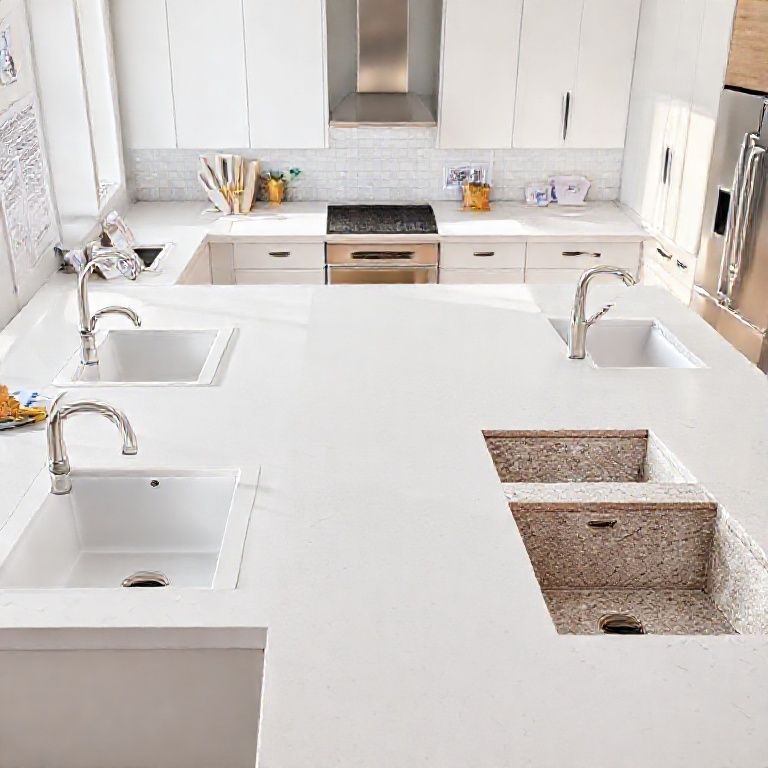
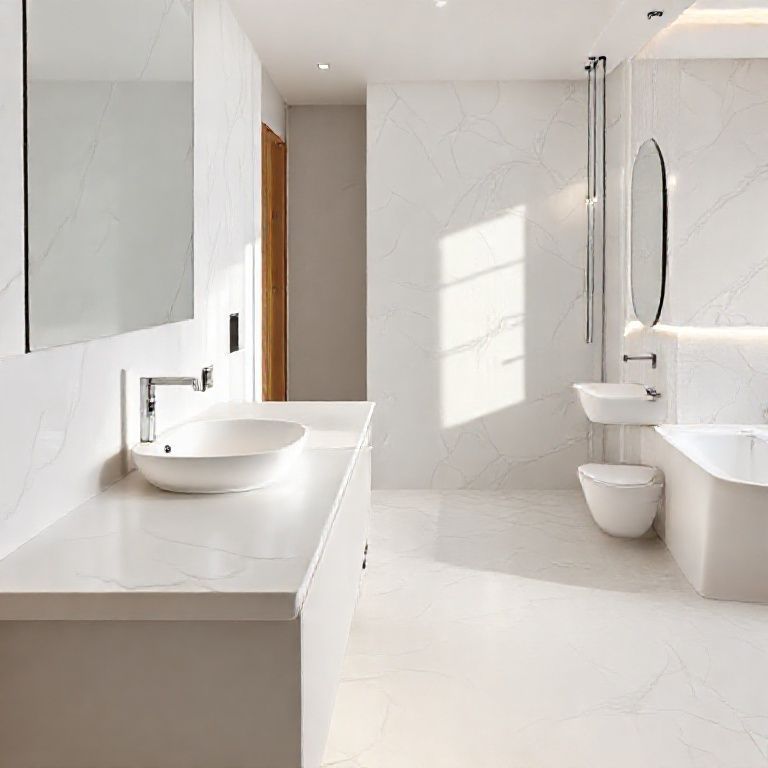
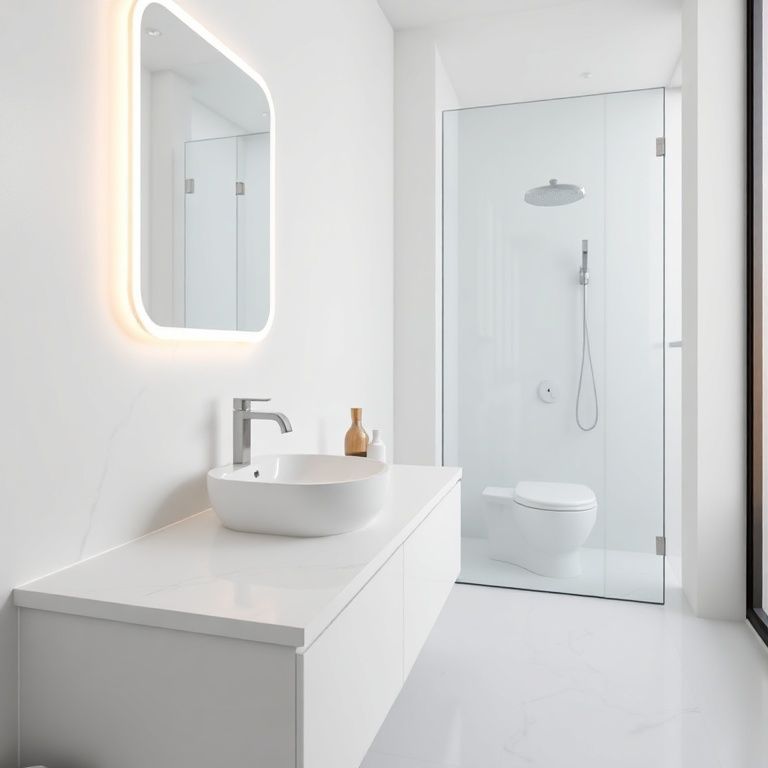
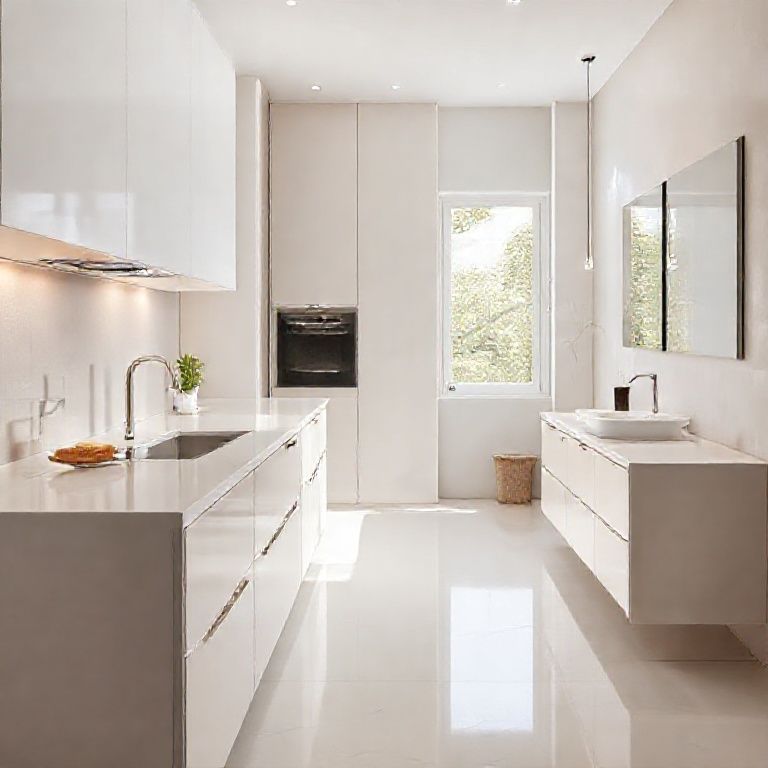
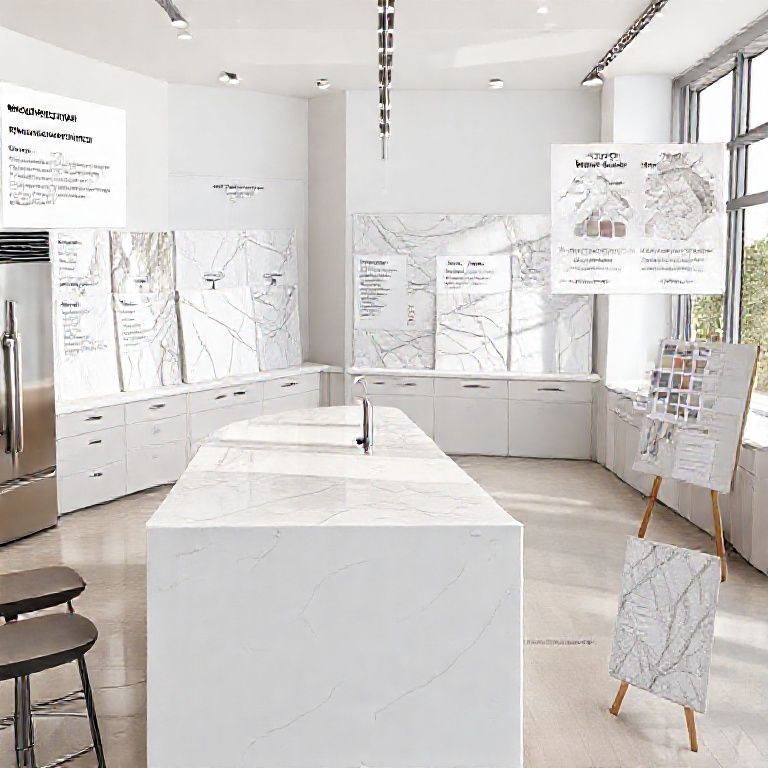
In the contemporary world of home renovation and kitchen/bathroom remodeling, one of the most talked-about topics is the use of artificial stone countertops. These modern marvels have swiftly replaced traditional materials like granite and marble due to their myriad benefits, including durability, cost-effectiveness, and a plethora of color options. However, a crucial aspect that often gets overlooked is the thickness of these countertops. In this first part of our guide, we will delve into what thickness means for artificial stone countertops, the typical thickness ranges, and the advantages and considerations associated with various thicknesses.
What Determines the Thickness of Artificial Stone Countertops?
The thickness of artificial stone countertops primarily hinges on the material composition and the intended use. Artificial stone is a composite material made from a combination of natural stone powder, polymer resins, and various additives. The thickness is usually determined by the manufacturer based on the desired weight, durability, and ease of installation.
Standard Thickness Ranges
Artificial stone countertops typically come in thicknesses ranging from 1 to 2 inches (25 to 50 mm). Here’s a breakdown of what to expect:
1-inch (25mm) Thickness: This is the most common thickness for artificial stone countertops, especially for kitchen and bathroom applications. This thickness strikes a balance between strength and manageability, making it easy to cut and install while maintaining sufficient durability.
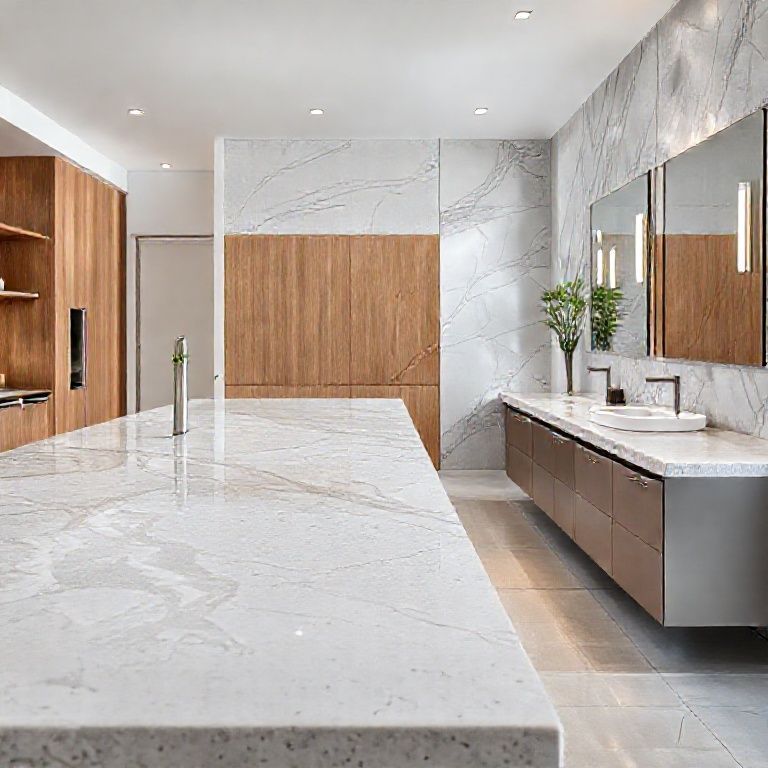
1.5-inch (38mm) Thickness: For higher-end installations or where additional strength is required, a 1.5-inch thickness is often chosen. This is common in commercial kitchens or bathrooms that see heavy use.
2-inch (50mm) Thickness: This is the thickest option and is generally reserved for high-traffic areas or where extreme durability is a top priority. This thickness ensures that the countertop can withstand significant wear and tear.
Advantages of Different Thicknesses
1-inch (25mm) Thickness:
Ease of Installation: Thinner countertops are easier to handle, cut, and install. This makes them a popular choice for DIY projects or for those who want to minimize professional labor costs. Cost-Effective: Thinner countertops are generally less expensive than thicker ones, making them a budget-friendly option. Flexibility: Ideal for custom designs and smaller spaces where weight is a concern.
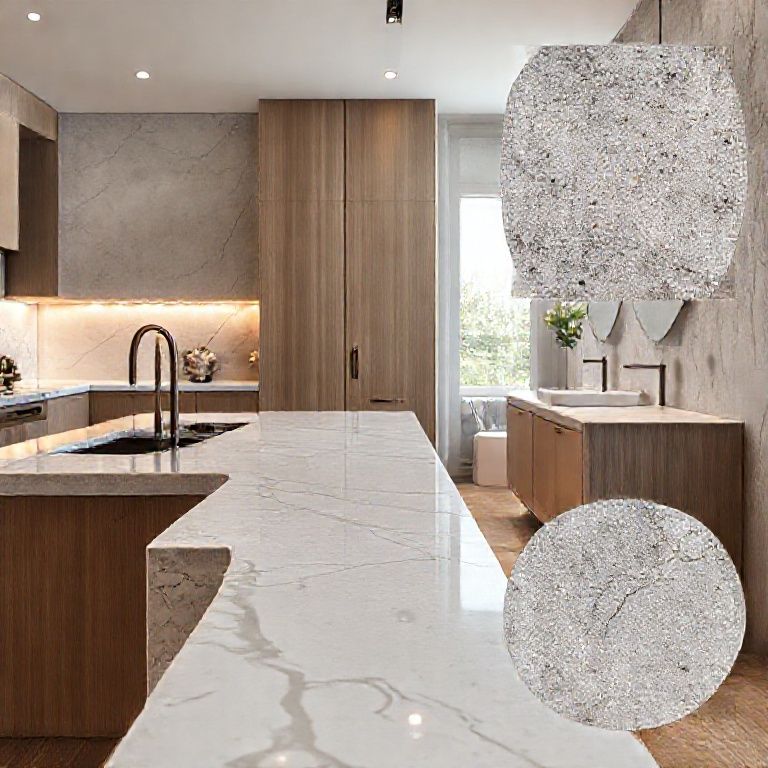
1.5-inch (38mm) Thickness:
Enhanced Durability: Slightly thicker than the standard, these countertops offer increased resistance to scratches, chips, and impacts. Longevity: Better suited for high-traffic areas, making them an excellent choice for commercial kitchens or frequently used household areas.
2-inch (50mm) Thickness:
Ultimate Strength: The thickest option, providing superior durability and resistance to heavy usage. Thermal Stability: Thicker countertops are less likely to crack under extreme temperature changes, making them ideal for areas where hot pots and pans are common.
Considerations When Choosing Thickness
When deciding on the thickness of your artificial stone countertop, several factors must be taken into account:
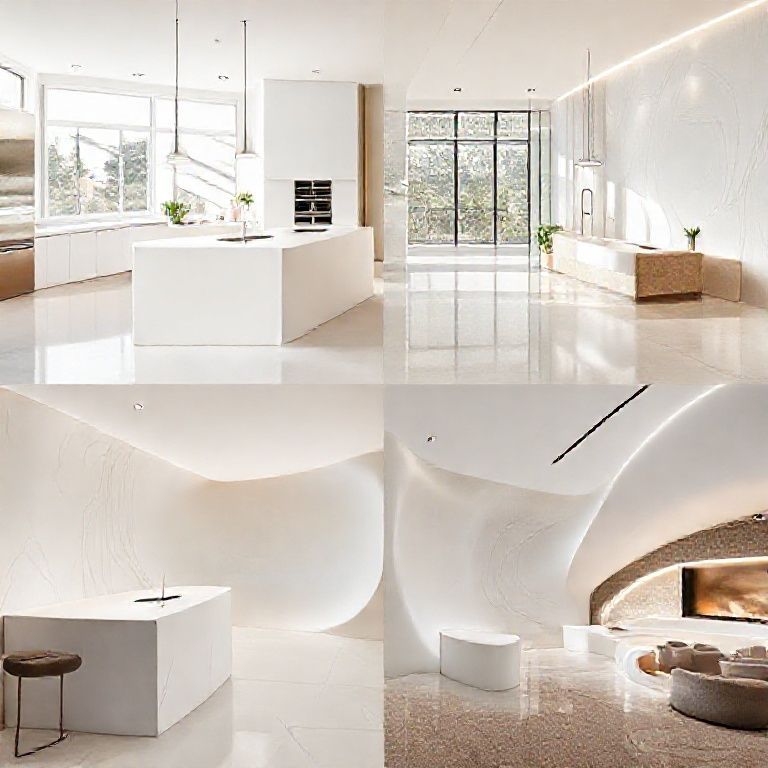
Usage: The primary consideration is the intended use of the countertop. Kitchens and bathrooms that see heavy use benefit from thicker, more durable options. Installation: Thinner countertops are generally easier to install, whereas thicker ones may require more specialized tools and techniques. Weight: Thicker countertops are naturally heavier, which might affect the structural integrity of your cabinetry or countertops. Aesthetics: While thickness doesn’t directly affect the visual appeal, the overall design and thickness play a role in how the countertop fits into the overall aesthetic of the space.
In conclusion, the thickness of artificial stone countertops is a pivotal factor that significantly impacts their functionality and longevity. By understanding the standard thickness ranges and the advantages and considerations of each, you can make an informed decision that best suits your needs. In the next part of this guide, we will further explore the installation process, maintenance tips, and how to choose the right thickness for your specific application.
Continuing our exploration of artificial stone countertops, this second part focuses on the installation and maintenance of these beautiful and durable surfaces, with a particular emphasis on the importance of choosing the right thickness for your specific needs. Whether you’re a DIY enthusiast or planning to hire professionals, understanding how to properly install and maintain your countertop is essential to its longevity and aesthetic appeal.
Installation of Artificial Stone Countertops
When it comes to installing artificial stone countertops, the thickness plays a significant role in both the process and the outcome. Here’s a detailed look at how to ensure a perfect fit and installation:
Preparation:
Surface Preparation: Before installing your countertop, ensure that the surface beneath it is clean, level, and dry. Any imperfections or moisture can lead to issues during installation and compromise the durability of the countertop. Cut to Size: Depending on the thickness, you may need specific tools for cutting. A thicker countertop may require more robust cutting tools to achieve clean, precise cuts.
Installation Methods:
Adhesive Installation: For thinner countertops (1-inch or 25mm), adhesive installation is often the easiest and most common method. Use a high-quality, flexible adhesive suitable for stone surfaces. Follow the manufacturer’s instructions for application and curing times. Mechanical Fasteners: For thicker countertops (1.5-inch or 38mm and above), mechanical fasteners might be required. This method involves securing the countertop to the cabinet or structure with screws or bolts. This provides additional stability and is often used in high-traffic areas.
Finishing Touches:
Sealing Edges: After installation, it’s crucial to seal the edges of the countertop. This prevents moisture penetration and ensures a long-lasting finish. Use a high-quality, stone-specific sealant that is compatible with your countertop material. Cleaning: Clean the surface with a soft cloth and a suitable cleaner immediately after installation to remove any adhesive residue or dust.
Maintenance of Artificial Stone Countertops
Proper maintenance is key to extending the life and maintaining the beauty of your artificial stone countertop. Here are some essential tips:
Daily Cleaning:
Use Appropriate Cleaners: Avoid using harsh chemicals or abrasive cleaners that can scratch the surface. Instead, use a mild stone cleaner or a mixture of water and vinegar. Immediate Cleaning: Clean up spills immediately to prevent stains and damage. Even water can cause discoloration over time if left to dry on the surface.
Handling Heat:
Use Trivets or Pot Holders: To prevent thermal shock, always use trivets or pot holders when placing hot items on the countertop. Cool Down Before Handling: Allow hot pots and pans to cool down slightly before placing them on the countertop to avoid sudden temperature changes.
Regular Maintenance:
Inspect Regularly: Periodically check for any signs of wear, scratches, or cracks. Early detection can prevent minor issues from becoming major problems. Re-Seal Edges: Depending on the manufacturer’s recommendations, you may need to re-seal the edges periodically to maintain the integrity and appearance of the countertop.
Choosing the Right Thickness for Your Needs
When deciding on the thickness of your artificial stone countertop, it’s important to consider the specific needs and usage of the space. Here are some guidelines:
Kitchen Countertops:
1-inch (25mm): Ideal for standard kitchen countertops where ease of installation and cost-effectiveness are prioritized. 1.5-inch (38mm): Suitable for areas that see heavy use, such as cooking islands or breakfast bars. 2-inch (50mm): Best for high-traffic areas or where maximum durability is essential.
Bathroom Countertops:
1-inch (25mm): Perfect for standard bathroom countertops where durability and ease of installation are key. 1.5-inch (38mm): A good choice for areas that see frequent use, like vanities or sinks. 2-inch (50mm): Recommended for high-traffic bathrooms or where the countertop will bear additional weight, such as a medicine cabinet.
Commercial Applications:
厨房用人造石台面:
1-inch (25mm): 适用于普通厨房台面,安装简便且成本较低。 1.5-inch (38mm): 适合用于高频率使用的厨房区域,如烹饪岛或烹饪台面。 2-inch (50mm): 适用于需要极高耐用性的区域,如专业厨房或高频率使用的商业厨房台面。
浴室用人造石台面:
1-inch (25mm): 适用于普通浴室台面,安装简单,性价比高。 1.5-inch (38mm): 适合用于频繁使用的浴室区域,如洗脸池、洗手台等。 2-inch (50mm): 适用于需要承受更多压力和重量的区域,如药柜台面。
选择人造石台面厚度的其他考虑因素:
重量与结构支持:
更厚的人造石台面更重,因此在安装时需要确保结构支持的稳固性。特别是对于嵌入式台面,要确保底部支撑可以承受其重量。
热稳定性:
较厚的人造石台面在承受高温和冲击力时更具稳定性,但需要确保安装方法和边缘处理能够有效防止热损伤。
设计与美观:
较厚的人造石台面可以提供更高的设计灵活性,适用于需要复杂造型或装饰的设计。
安装技巧与注意事项:
表面处理:
在安装前,确保人造石台面表面光滑、无尘。使用适当的表面处理材料,可以增加耐用性和美观性。
边缘保护:
安装时,边缘处理是关键。可以采用封边处理或使用防护条,以保护边缘不受损伤和磨损。
防水性能:
无论选择哪种厚度的人造石台面,都要确保其防水性能,特别是在浴室和厨房等潮湿环境中。使用防水密封剂对接缝和边缘进行密封。
定期维护:
定期检查和保养人造石台面,及时处理任何磨损或损坏,可以延长其使用寿命。
选择适当厚度的人造石台面不仅关系到其美观和耐用性,还直接影响其实际使用效果。因此,在安装之前,详细了解你的具体需求和使用环境,并根据专业建议选择最佳的厚度,是确保长期满意的关键。