
Delve into the fascinating world of marble with our comprehensive guide that compares artificial and natural marble. Discover their unique qualities, benefits, and drawbacks to determine which type is best for your home decor needs. Perfect for anyone looking to enhance their living space with a touch of elegance.

artificial marble, natural marble, marble comparison, home decor, durability, aesthetics, cost, maintenance, design options, luxury materials
The Ultimate Guide: Artificial vs. Natural Marble – Which Is Right for You?
When it comes to selecting the perfect material for your home decor, marble stands out as a luxurious choice renowned for its timeless elegance and sophisticated appeal. However, the decision between artificial marble and natural marble can be challenging. Both materials have their unique advantages and drawbacks. In this guide, we’ll explore the intricate details to help you determine which type of marble best suits your needs.
Understanding Marble: A Brief Overview
Marble is a metamorphic rock formed when limestone undergoes intense pressure and heat, causing its crystalline structure to transform. This process imbues marble with a striking, veined appearance that has made it a favorite among architects and interior designers for centuries.
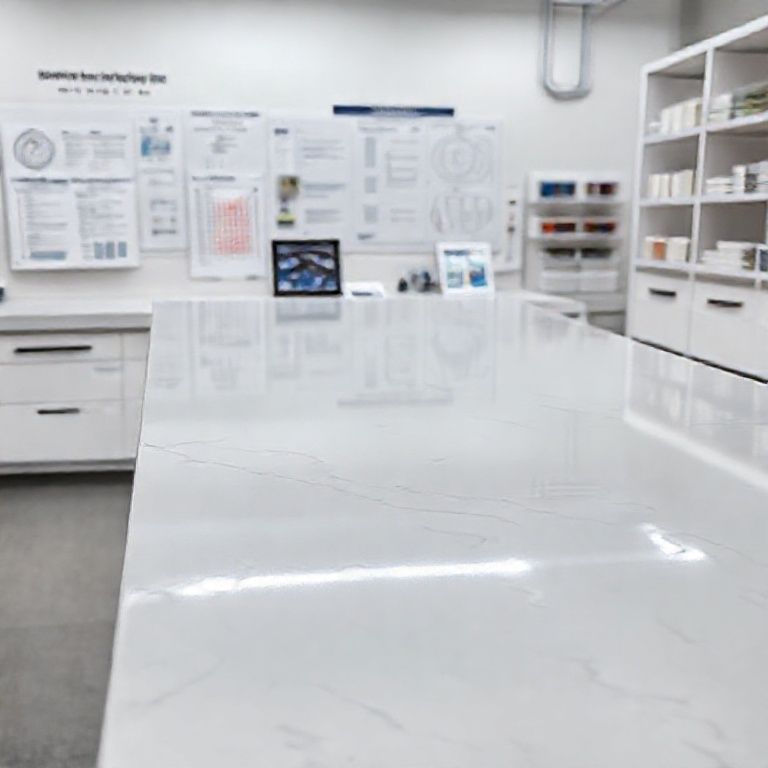
Natural marble is renowned for its unique patterns and colors, which are entirely natural and never exactly the same from one piece to the next. This uniqueness is what makes natural marble so desirable, yet it also comes with certain challenges.
On the other hand, artificial marble, often called engineered or synthetic marble, is a composite material made from a combination of resin, stone chips, and pigments. This blend is meticulously crafted to mimic the appearance of natural marble, offering a range of benefits that natural marble cannot match.
The Aesthetic Appeal
Natural marble is celebrated for its unparalleled beauty. The natural veins and colors that are unique to each piece create a sense of authenticity and exclusivity. Whether it’s the classic white Carrara marble with its subtle veining or the bold and colorful Calacatta, natural marble offers a visual feast that can elevate any space.
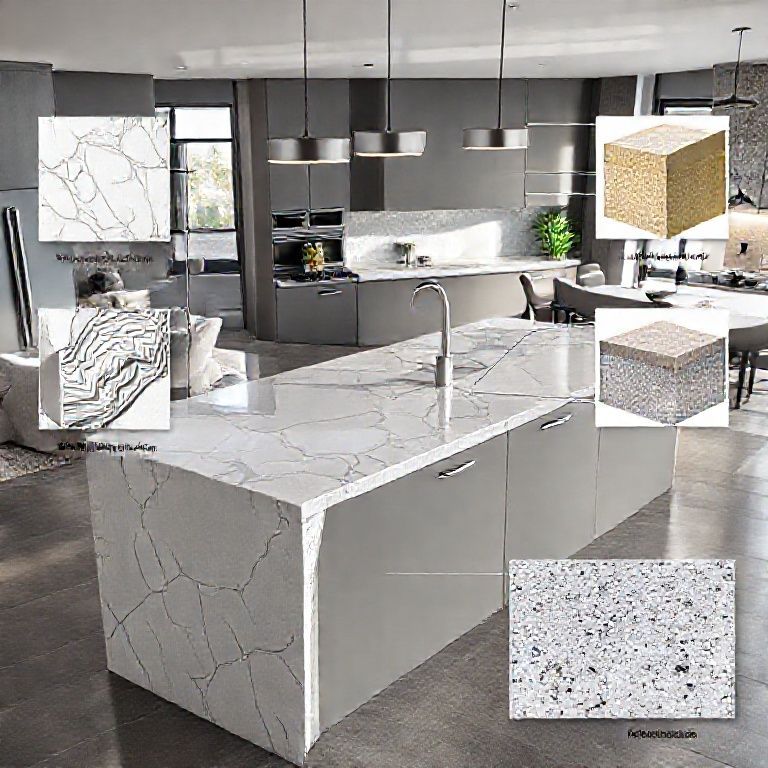
Artificial marble, while not as naturally occurring, can be engineered to mimic the appearance of natural marble with astonishing accuracy. The process of creating artificial marble allows manufacturers to control the color, pattern, and even the finish, resulting in a product that is consistent and uniform. This means you can achieve a design that matches your exact vision without the variability that comes with natural stone.
Durability and Maintenance
One of the biggest advantages of artificial marble is its durability. Natural marble, while beautiful, is also prone to scratching, staining, and etching from acidic substances. It requires regular maintenance, including sealing to protect its surface. Over time, this can be both labor-intensive and costly.
Artificial marble, however, is highly resistant to staining and etching, making it an excellent choice for high-traffic areas where spills are common. It doesn’t require sealing, which simplifies maintenance and extends the lifespan of the marble. Its robustness makes it ideal for countertops, backsplashes, and other surfaces that need to withstand daily wear and tear.
Cost Considerations
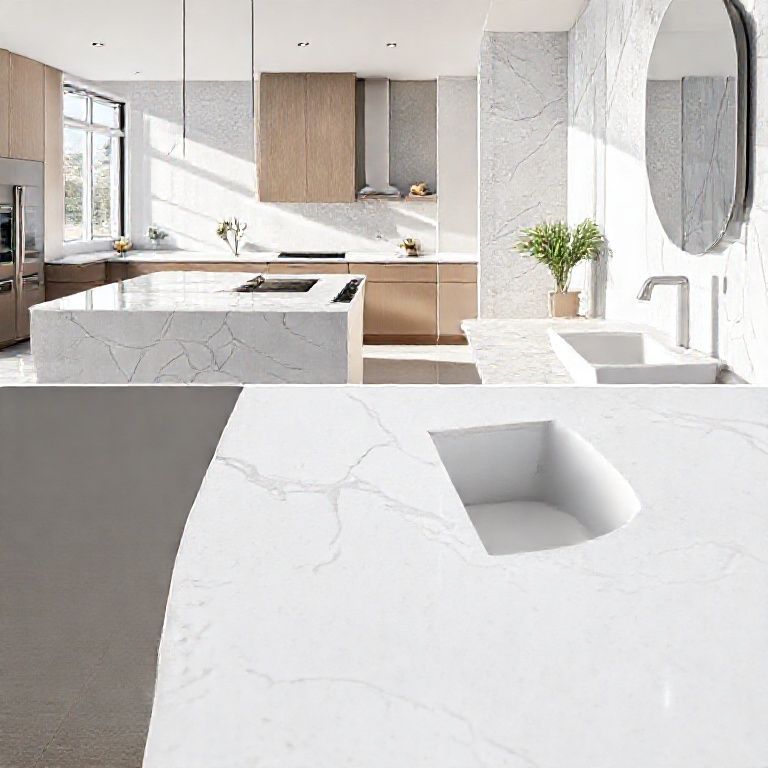
The cost of marble can vary significantly depending on the type, quality, and design. Natural marble is often more expensive due to its rarity and the labor-intensive process required to carve and shape it. Prices can escalate further based on the specific type and quality of marble you choose.
Artificial marble, on the other hand, tends to be more affordable. The manufacturing process and the ability to produce large quantities without the variability of natural stone contribute to its lower cost. This makes it a more accessible option for homeowners and businesses looking for high-quality marble without breaking the bank.
Design Flexibility
Design flexibility is another area where artificial marble shines. Natural marble’s unique patterns and colors are a double-edged sword. While they add to its charm, they also mean that each piece is different, which can be a challenge when designing a cohesive look.
Artificial marble, with its ability to be engineered to specific designs, offers a level of flexibility that is hard to match. You can create custom patterns and colors that perfectly match your vision. This makes it easier to design a seamless and harmonious look across multiple surfaces in your home or business.
Environmental Impact
The environmental impact is an important consideration for many people today. Natural marble extraction involves significant environmental disruption, including deforestation and habitat destruction. The process also requires substantial energy to transport the marble from its source to where it will be used.
Artificial marble, while still a manufactured product, has a more controlled environmental impact. The materials used in its creation are often recycled, and the production process can be more sustainable. Additionally, since artificial marble can be made locally, it reduces the need for long-distance transportation, which lowers its carbon footprint.
Conclusion
Choosing between artificial and natural marble ultimately boils down to your specific needs, preferences, and budget. Natural marble offers an unparalleled aesthetic appeal and a sense of authenticity that is hard to replicate. It’s perfect for those looking to add a touch of luxury and elegance to their space.
Artificial marble, on the other hand, brings a host of practical benefits that make it an excellent choice for modern interiors. Its durability, ease of maintenance, and design flexibility make it a practical and cost-effective option for many.
In the next part of our guide, we will delve deeper into the specific use cases for each type of marble, offering more detailed insights into where and how each can best be utilized to enhance your living space.
The Ultimate Guide: Artificial vs. Natural Marble – Which Is Right for You? (Continued)
In our previous section, we explored the aesthetic, durability, cost, design flexibility, and environmental impact of artificial versus natural marble. Now, let’s dive deeper into specific use cases and applications to help you determine which type of marble is best for your particular needs.
Use Cases for Natural Marble
Natural marble is often the preferred choice for high-end applications where luxury and authenticity are paramount. Here are some common use cases for natural marble:
1. Kitchen Countertops
Natural marble countertops exude elegance and sophistication, making them a popular choice in high-end kitchens. The unique veining and colors add a touch of natural beauty that can enhance the overall design of the kitchen. However, it’s important to note that natural marble requires regular maintenance to protect its surface from stains and scratches.
2. Bathrooms
Marble’s luxurious appearance makes it a favorite for bathroom vanities, sinks, and even bathtubs. Its natural beauty can add a serene and elegant touch to a bathroom space. However, the same maintenance considerations apply, and it’s often recommended to use a marble-specific sealant to protect the surface.
3. Flooring
Natural marble can be used for flooring in both residential and commercial spaces. While it’s less common due to its maintenance needs and susceptibility to staining, high-end residential areas and important commercial spaces may opt for marble flooring to add a touch of luxury and sophistication.
4. Architectural Features
Natural marble’s unique beauty makes it an excellent choice for architectural features such as columns, arches, and walls. It can add a timeless and elegant touch to any space, whether it’s a home, office building, or public space.
Use Cases for Artificial Marble
Artificial marble’s practical benefits make it a versatile and popular choice for a wide range of applications. Here are some common use cases for artificial marble:
1. Kitchen Countertops
Artificial marble’s durability, resistance to stains and scratches, and ease of maintenance make it an ideal choice for kitchen countertops. It can withstand the daily wear and tear of cooking and cleaning, providing a sleek and modern look that requires minimal upkeep.
2. Bathrooms
In bathrooms, artificial marble is often used for vanities, sinks, and even shower walls. Its resistance to water and stains makes it an excellent choice for high-moisture areas. Plus, its easy maintenance means less time spent cleaning and more time enjoying your bathroom.
3. Backsplashes
Artificial marble is a popular choice for backsplashes due to its durability and aesthetic appeal. It can mimic the look of natural marble while providing the practical benefits of being less prone to staining and easier to clean.
4. Commercial Spaces
In commercial spaces such as hotels, restaurants, and offices, artificial marble is often used for countertops, flooring, and architectural features. Its cost-effectiveness, durability, and ease of maintenance make it a practical choice for high-traffic areas.
5. Custom Designs
Artificial marble’s design flexibility allows it to be used in custom projects where specific patterns and colors are required. It can be engineered to match exact designs, making it perfect for bespoke furniture, decorative elements, and custom installations.
Comparative Analysis
To make an informed decision, let’s compare the two types of marble across various criteria:
1. Aesthetics
Natural Marble: Offers a unique and authentic look with natural veining and color variations. Artificial Marble: Can be engineered to mimic natural marble’s appearance with precision, offering a consistent and uniform look.
2. Durability
Natural Marble: Prone to scratches, stains, and etching, requiring regular maintenance. Artificial Marble: Highly resistant to stains, scratches, and etching, with minimal maintenance required.
3. Cost
Natural Marble: Generally more expensive due to its rarity and the labor-intensive process required. Artificial Marble: More affordable and cost-effective, with the ability to produce large quantities without significant variability.
4. Maintenance
Natural Marble: Requires regular sealing and maintenance to protect its surface. — Artificial Marble: Requires no sealing and minimal maintenance, making it easier to care for.
5. Design Flexibility
Natural Marble: Unique patterns and colors vary with each piece, which can be both a blessing and a challenge for design consistency. Artificial Marble: Offers extensive design flexibility, allowing for custom patterns and colors that match specific design requirements.
6. Environmental Impact
Natural Marble: Extraction involves significant environmental disruption, including deforestation and habitat destruction. The transportation process also contributes to its carbon footprint. Artificial Marble: While still a manufactured product, its production process can be more sustainable, with materials often recycled and localized production reducing transportation emissions.
Final Decision
Choosing between natural marble and artificial marble ultimately depends on your specific needs, preferences, and priorities.
For Luxury and Authenticity: If you value the unique beauty and authenticity of natural marble, and are willing to invest in its maintenance, then natural marble might be the best choice for you. It’s perfect for high-end settings where its beauty and rarity can make a statement.
For Practicality and Cost-Effectiveness: If durability, low maintenance, and cost-effectiveness are your main concerns, artificial marble is likely the better option. Its practical benefits make it suitable for a wide range of applications where it needs to withstand daily use without significant upkeep.
When making your choice, consider the specific environment where the marble will be used. For instance, if it’s a high-traffic area like a kitchen or bathroom, artificial marble’s resistance to stains and scratches might be more beneficial. On the other hand, if you’re looking to add a touch of luxury to a living space or a focal point in a room, natural marble’s unique beauty might be the perfect choice.
Ultimately, both types of marble offer their own unique set of advantages. The key is to weigh these factors based on your specific requirements and preferences to determine which type of marble will best suit your needs.