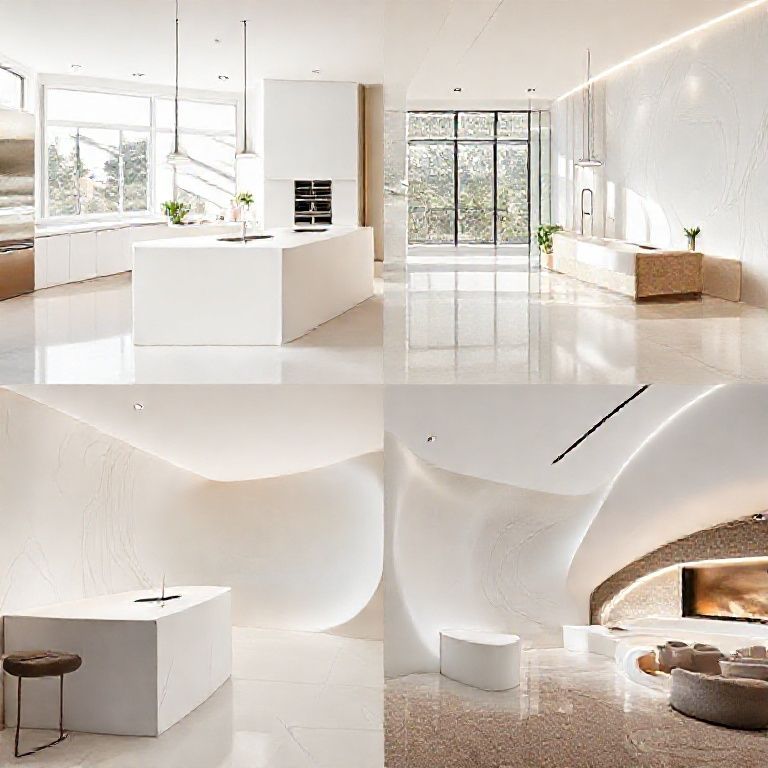
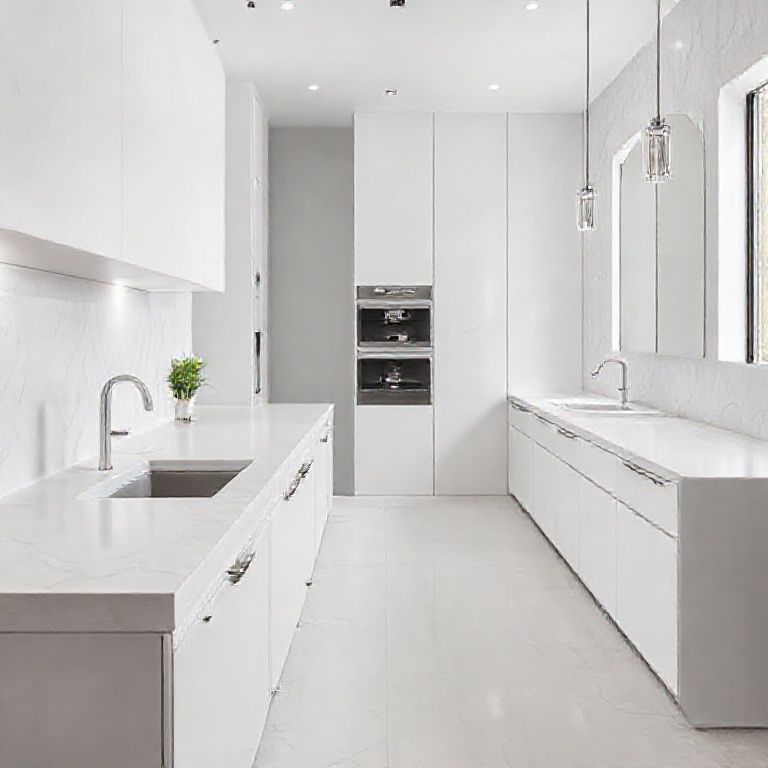
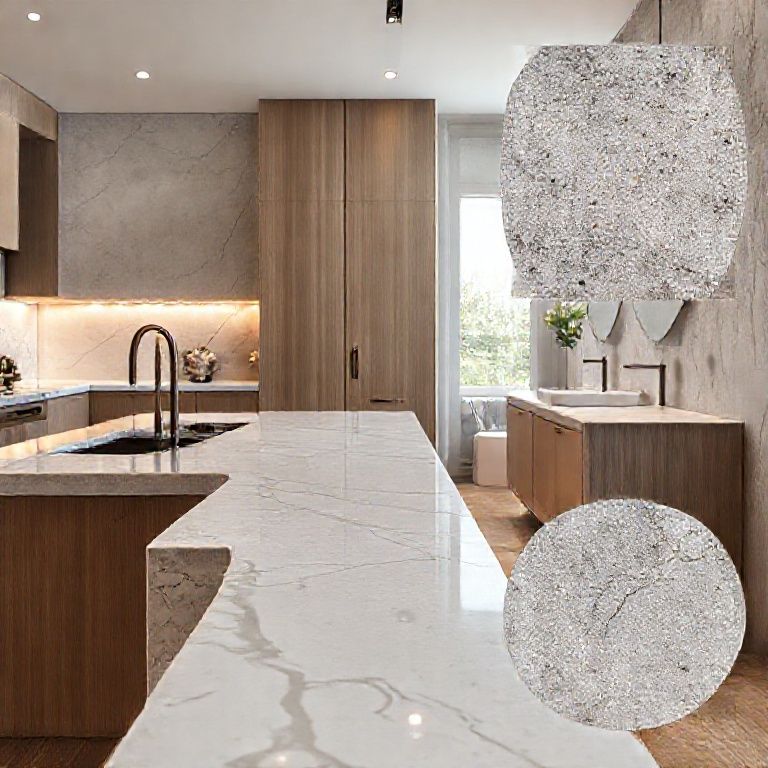
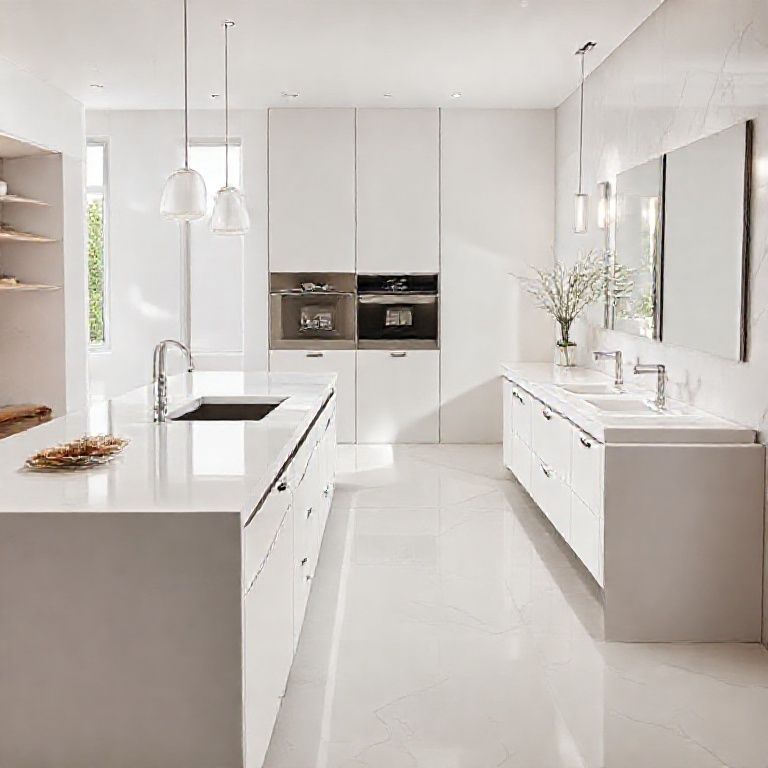
In the world of modern kitchen and bathroom design, the choice between quartz and artificial stone countertops has become a hot topic. This article dives deep into the advantages and disadvantages of both options, providing you with all the information you need to make an informed decision for your next renovation project.
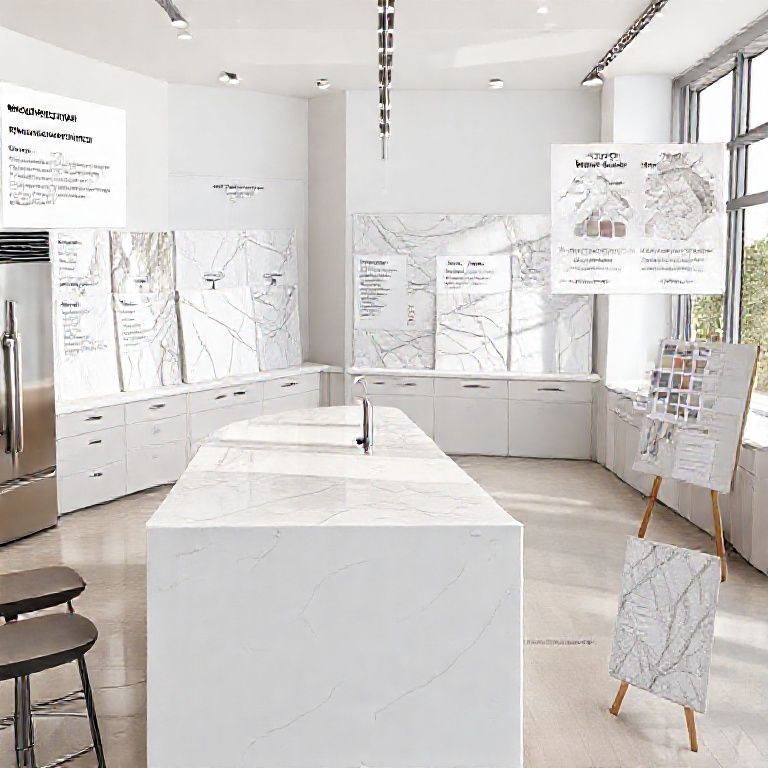
The Aesthetic Appeal and Cost-Effectiveness of Quartz vs. Artificial Stone
Introduction:
When it comes to selecting a countertop for your kitchen or bathroom, aesthetics and cost are two critical factors that influence your decision. This part of our comparison focuses on how quartz and artificial stone countertops stack up in terms of their visual appeal and affordability. Let’s delve into the specifics of each material to understand which might be the best choice for your space.
Aesthetic Appeal:
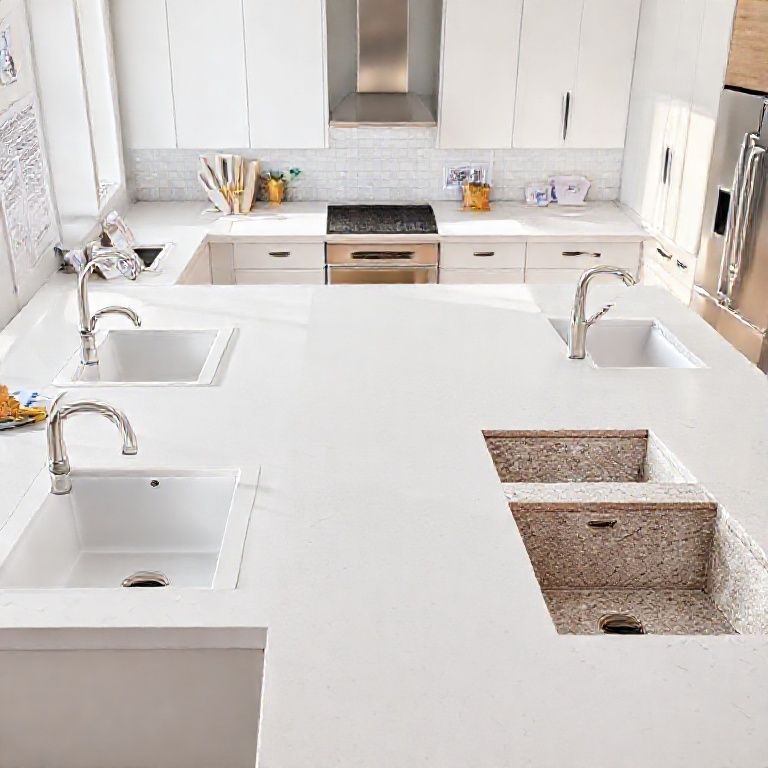
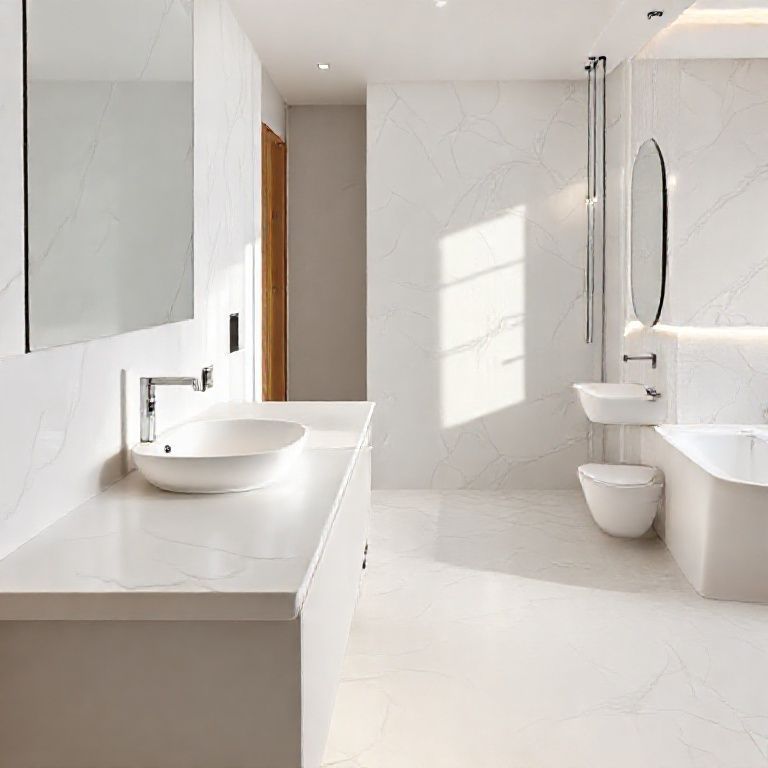
Quartz Countertops: Quartz countertops have revolutionized the market with their stunning visual appeal. Made from 93% pure quartz by weight, these surfaces offer a flawless, uniform look that mimics the beauty of natural stone while being more durable and consistent. Quartz comes in an extensive range of colors and patterns, allowing you to choose a design that perfectly matches your home’s decor.
The sleek, modern look of quartz makes it a popular choice for contemporary kitchens and bathrooms. Its versatility allows for seamless integration into various design styles, from minimalist to lavish, ensuring that it can complement any existing fixtures and cabinetry. Moreover, quartz surfaces are available in various textures, including brushed, honed, and even unique designs like veined patterns that give an authentic stone feel.
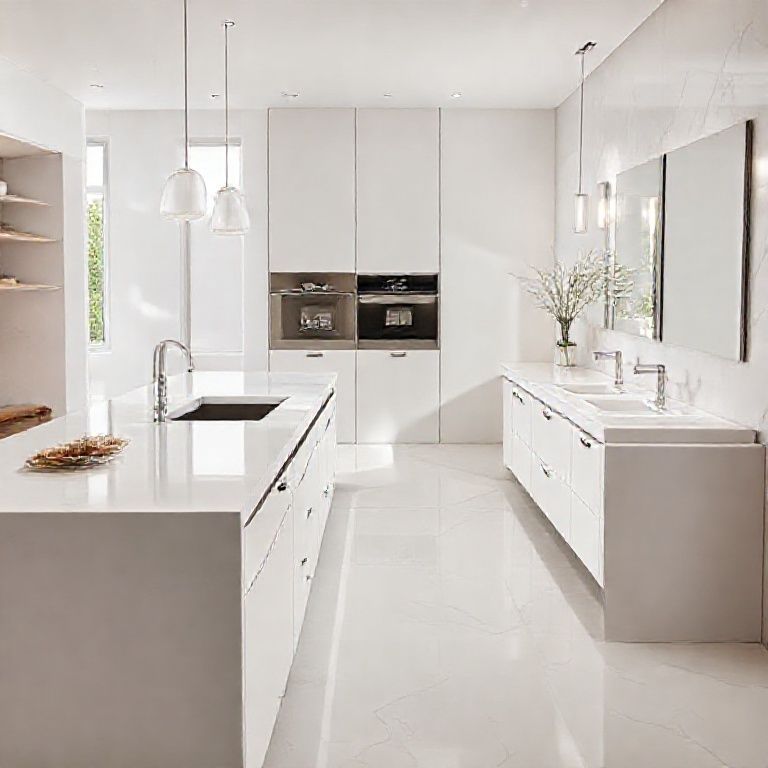
Artificial Stone Countertops: Artificial stone, also known as cultured stone, offers a versatile and customizable alternative to quartz. Composed of a blend of natural stone powders and resins, artificial stone can mimic the look of marble, granite, and other natural stones. While it may not match quartz in sheer consistency, it provides an excellent option for those looking for a more affordable yet visually appealing surface.
Artificial stone countertops are available in an array of colors and designs, making it easier to find a perfect match for your aesthetic preferences. The ability to mold and shape artificial stone allows designers to create custom shapes and intricate designs that may not be feasible with other materials.
Cost-Effectiveness:
Quartz Countertops: While quartz countertops offer unmatched beauty and durability, they come at a premium price. High-quality quartz can be more expensive than other countertop options due to the advanced manufacturing processes and the natural materials involved. However, the long-lasting nature and low maintenance requirements of quartz mean that the initial investment is often justified over time.
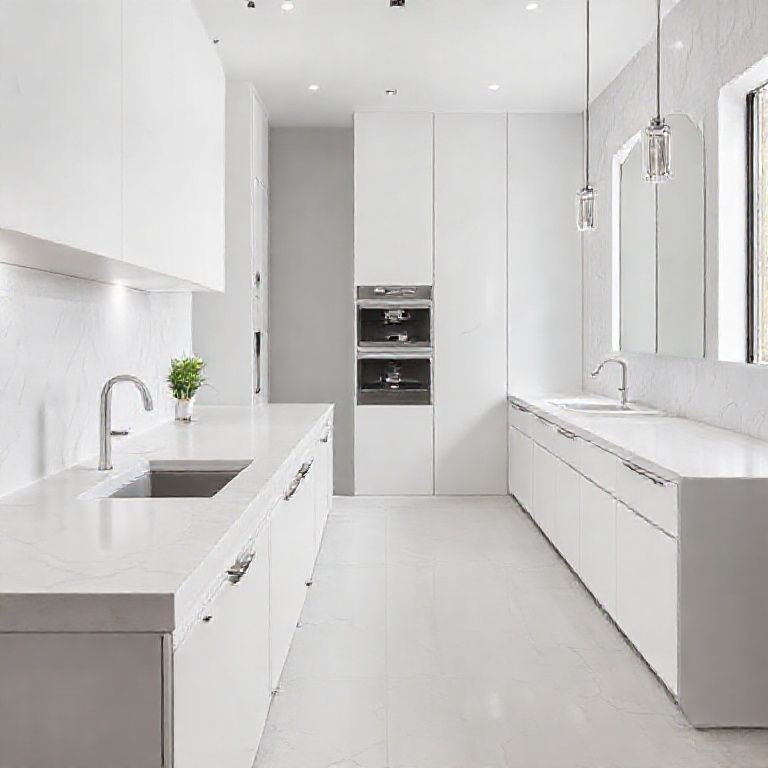
Artificial Stone Countertops: On the other hand, artificial stone countertops tend to be more affordable. The cost-effective nature of artificial stone makes it an attractive option for those who are budget-conscious but still want a stylish and durable countertop. While the upfront cost is lower, it’s essential to consider the longevity and maintenance of the material when evaluating the overall value.
Conclusion:
Both quartz and artificial stone countertops offer unique benefits in terms of aesthetic appeal and cost-effectiveness. Quartz stands out for its flawless, consistent appearance and durability, making it a top choice for those who prioritize high-end aesthetics and longevity. Artificial stone provides a more budget-friendly option with customizable designs that can match a variety of decor styles. Ultimately, the choice between quartz and artificial stone will depend on your specific needs, budget, and design preferences.
Durability, Maintenance, and Long-Term Value of Quartz vs. Artificial Stone
Introduction:
Beyond aesthetics and cost, the durability, maintenance, and long-term value of a countertop play crucial roles in the decision-making process. This part of our comparison will explore the practical aspects of quartz and artificial stone countertops, focusing on their performance, upkeep, and overall lifespan to help you determine which material is the best fit for your home.
Durability:
Quartz Countertops: Quartz is renowned for its exceptional durability. With a hardness rating of 7 on the Mohs scale, quartz is highly resistant to scratches, stains, and heat. This makes it an ideal choice for high-traffic areas where durability is paramount. The manufacturing process that bonds the natural quartz particles together creates a surface that is both strong and virtually unbreakable.
Moreover, quartz’s resistance to scratches means that everyday use won’t leave visible marks or blemishes, preserving its pristine appearance over time. The material’s ability to withstand high temperatures also makes it perfect for cooking areas, as it won’t etch or crack under pots and pans.
Artificial Stone Countertops: Artificial stone is durable but not quite on par with quartz in terms of hardness and scratch resistance. While it is still a robust material that can withstand everyday wear and tear, it is more prone to scratches and minor chips compared to quartz. However, the resin used in artificial stone helps to hold the stone powder together, providing a sturdy surface that is suitable for most household activities.
One advantage of artificial stone is its ability to be repaired. Minor chips and scratches can often be fixed with a touch-up kit, making it easier to maintain its appearance over time. However, for significant damage, artificial stone may require more extensive repairs than quartz.
Maintenance:
Quartz Countertops: One of the biggest advantages of quartz countertops is their low maintenance requirements. Because quartz is non-porous, it repels stains and liquids, making it easy to clean and maintain. A simple wipe with a mild soap and water solution will suffice for everyday cleaning. For tougher spills, a specialized quartz cleaner can be used to ensure the surface remains spotless.
Quartz countertops also do not require sealing, unlike some natural stone surfaces. This means there is no need to apply additional coatings or treatments to protect the surface, reducing the hassle and cost of maintenance over time.
Artificial Stone Countertops: Artificial stone countertops, while durable, require more regular maintenance compared to quartz. They can stain if not cleaned promptly, and while they are generally easy to clean with mild soap and water, tougher spills may require more attention. It’s important to avoid using harsh chemicals or abrasive cleaners, as these can damage the surface.
Sealing is another maintenance consideration for artificial stone. Depending on the type of artificial stone and the level of exposure to moisture and spills, periodic sealing may be necessary to maintain its appearance and protect against stains. While this adds a bit of extra upkeep, it’s generally manageable and not overly time-consuming.
Long-Term Value:
Quartz Countertops: The long-term value of quartz countertops is one of their most compelling features. Due to their durability, low maintenance, and resistance to stains and scratches, quartz countertops retain their appearance and value over many years. This makes them a wise investment for homeowners looking for a high-quality, low-maintenance surface that will withstand the test of time.
Additionally, the aesthetic appeal and versatility of quartz mean that it can easily complement a variety of design styles, further enhancing its long-term value.
Artificial Stone Countertops: Artificial stone countertops offer good long-term value, especially for those on a budget. While they may not match the durability and longevity of quartz, their affordability and customizable designs make them a popular choice for many homeowners. Over time, with proper care and maintenance, artificial stone countertops can still provide a stylish and durable surface.
The need for periodic sealing and potential for minor scratches and chips should be considered when evaluating the long-term value of artificial stone. However, with regular upkeep, artificial stone can still offer a durable and attractive option for many years.
Conclusion:
When it comes to durability, maintenance, and long-term value, both quartz and artificial stone countertops have their unique advantages. Quartz stands out for its unmatched durability, low maintenance requirements, and consistent appearance, making it a top choice for those seeking a high-quality, long-lasting surface. Artificial stone provides a more affordable option with good durability and customizable designs, though it may require more regular maintenance and periodic sealing.
Ultimately, the decision between quartz and artificial stone will depend on your specific needs, budget, and priorities. Both materials offer excellent options for creating a beautiful and functional countertop that can enhance your kitchen or bathroom for years to come.