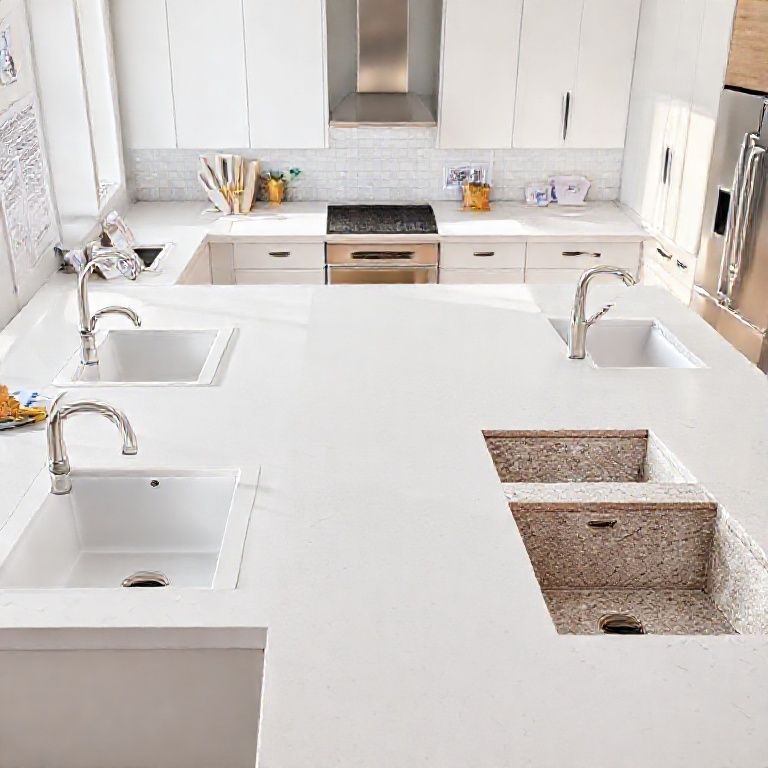
The Ultimate Guide: Countertop Showdown – Is Artificial Stone or Quartz the Better Choice?
Introduction
When it comes to choosing the perfect countertop for your kitchen or bathroom, the decision between artificial stone and quartz can be quite overwhelming. Both materials offer stunning aesthetics and functional benefits, but they also come with their unique set of advantages and disadvantages. In this part of our comprehensive guide, we will delve deep into the specifics of both materials to help you make an informed decision.
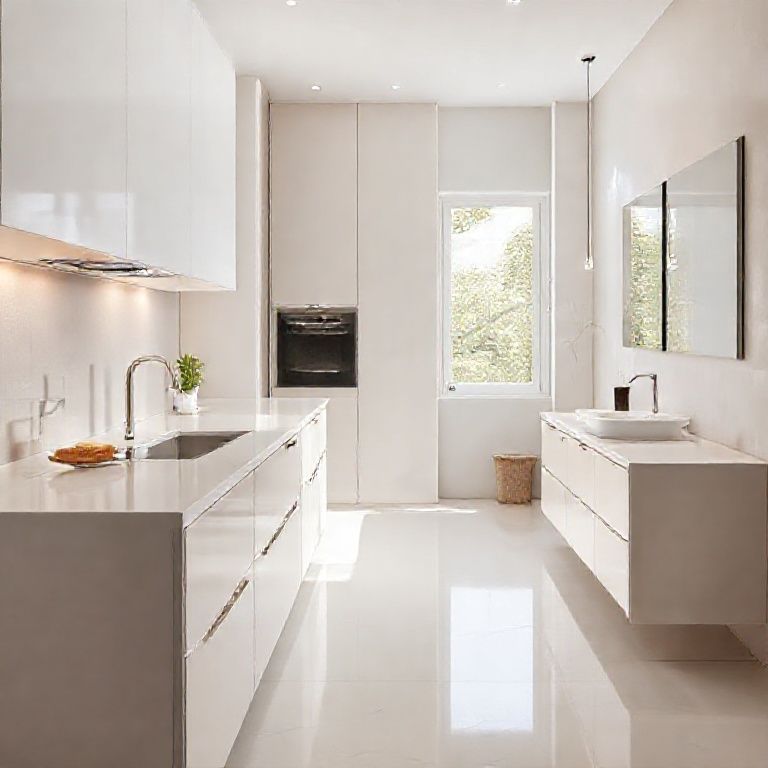
What is Artificial Stone?
Artificial stone, often known as cultured stone, is a composite material made from a mixture of marble dust, polymers, and pigments. It’s designed to mimic the look and feel of natural stone but at a fraction of the cost. This material is known for its versatility, offering an array of colors and patterns that can closely resemble various natural stones.
Advantages of Artificial Stone
Affordability: One of the most significant benefits of artificial stone is its cost-effectiveness. Since it’s made from a combination of materials rather than extracted from natural sources, it’s much more affordable.
Design Flexibility: Artificial stone can be crafted to mimic almost any natural stone, offering a wide range of colors and patterns. This flexibility allows designers and homeowners to choose a look that closely matches their existing decor.
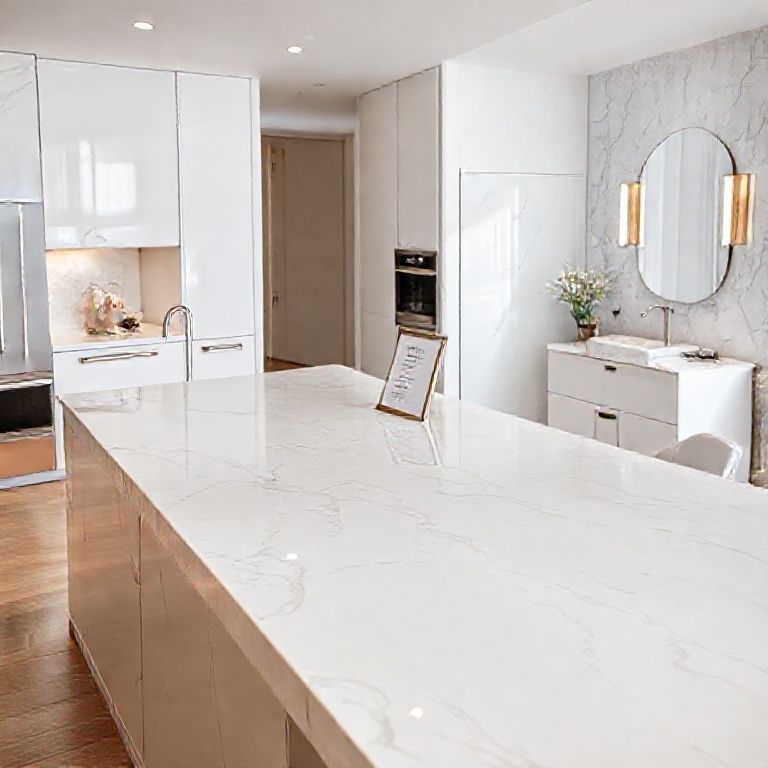
Durability: Despite its lower cost, artificial stone is surprisingly durable. It’s resistant to scratches, stains, and even thermal damage, making it a practical choice for high-traffic areas.
Low Maintenance: Artificial stone countertops are relatively easy to clean. A simple wipe-down with a mild soap and water solution is usually sufficient to keep them looking pristine.
Disadvantages of Artificial Stone
Weight: Artificial stone is heavier than quartz and some other materials, which can be a consideration if you’re planning a renovation that involves moving furniture or appliances.
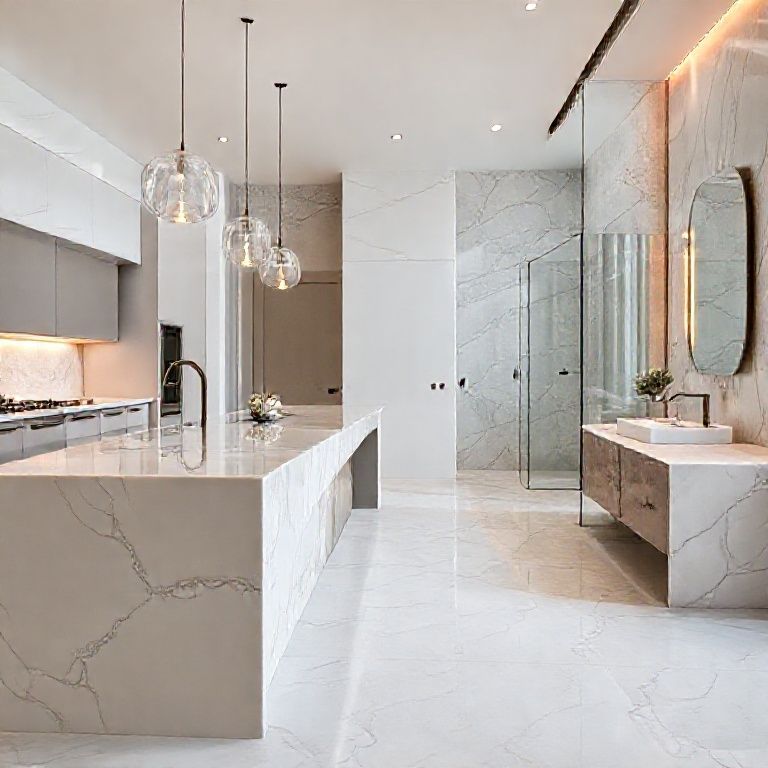
Temperature Sensitivity: Although it’s resistant to thermal damage, extreme temperatures can still affect the appearance of artificial stone. For instance, hot pots and pans can cause discoloration if not used with care.
Longevity: While durable, artificial stone may not last as long as some other materials, especially in high-use areas. Over time, the surface can wear down or become scratched.
What is Quartz?
Quartz is a composite material made from 90% natural quartz and 10% resin and pigment. It’s renowned for its durability, aesthetic appeal, and ease of maintenance. Available in an extensive range of colors and patterns, quartz countertops are a popular choice among homeowners and designers alike.
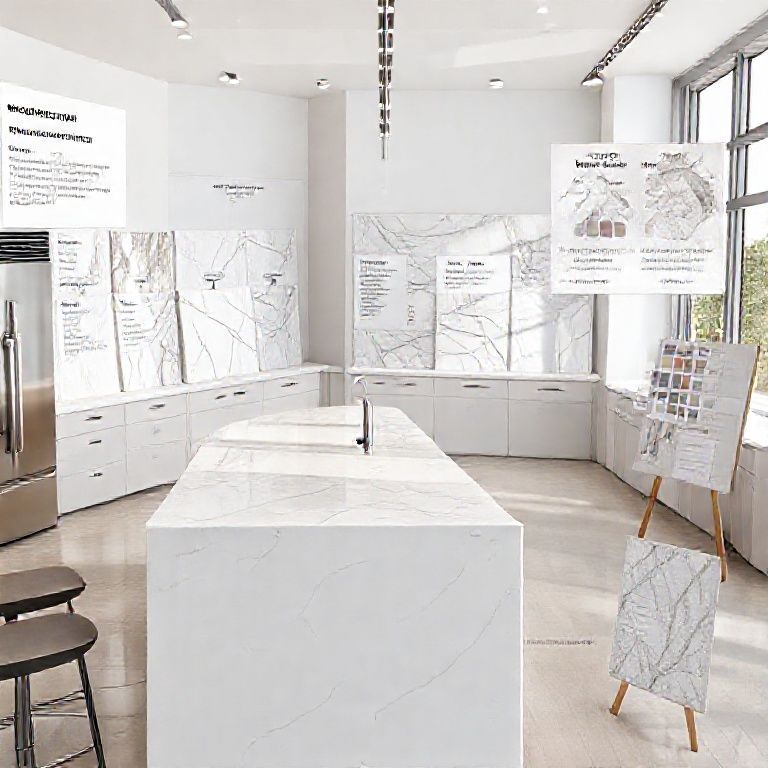
Advantages of Quartz
Durability: One of quartz’s standout features is its extraordinary durability. It’s highly resistant to scratches, stains, and thermal damage, ensuring that it maintains its appearance over time.
Aesthetic Versatility: Quartz offers an incredible array of colors and patterns, making it possible to match any design vision. From classic marble to modern geometric designs, quartz can be customized to fit any aesthetic.
Low Maintenance: Quartz countertops are incredibly easy to clean and maintain. A simple wipe-down with a mild soap and water solution is often all that’s needed to keep them looking their best.
Health Benefits: Quartz is non-porous, which means it doesn’t absorb spills or stains, making it a healthier choice for kitchens and bathrooms. It’s also free from bacteria and mold, reducing the risk of contamination.
Disadvantages of Quartz
Cost: Quartz countertops are more expensive than artificial stone. The premium quality and extensive customization options contribute to their higher price tag.
Weight: Like artificial stone, quartz is heavier than some other materials, which can be a consideration for those planning to move furniture during a renovation.
Installation: Quartz requires a professional installation to ensure a seamless fit and proper sealing, which adds to the overall cost.
Comparison: Durability and Maintenance
When it comes to durability, both artificial stone and quartz are highly resistant to scratches and stains. However, quartz takes the lead in terms of thermal resistance and longevity. The non-porous nature of quartz means it won’t absorb spills, making it easier to keep clean and hygienic.
On the maintenance front, both materials are low-maintenance. A simple wipe-down with a mild cleaner will keep both types looking great. However, quartz’s non-porous surface means fewer cleaning issues over time.
Conclusion
Choosing between artificial stone and quartz ultimately depends on your budget, design preferences, and the level of maintenance you’re willing to undertake. Artificial stone offers a more affordable, versatile option with good durability, while quartz provides unmatched durability, aesthetic flexibility, and low maintenance, albeit at a higher cost.
In the next part of our guide, we’ll explore the installation process, cost considerations, and long-term benefits to further help you decide which material is the best fit for your home.
The Ultimate Guide: Countertop Showdown – Is Artificial Stone or Quartz the Better Choice?
Installation and Cost Considerations
Installation
Artificial Stone
The installation process for artificial stone countertops is generally straightforward. These countertops are typically cut to size and then glued to the cabinet surfaces. While this process is relatively simple, it’s important to hire a professional to ensure a seamless fit and proper sealing.
Quartz
Quartz countertops require professional installation due to their weight and the need for precise fitting. A professional installer will cut the countertop to size, secure it to the cabinet, and ensure that it’s properly sealed to prevent any potential leaks or gaps. The installation process for quartz is more complex and time-consuming compared to artificial stone, which adds to the overall cost.
Cost Considerations
Artificial Stone
Artificial stone countertops are significantly more affordable than quartz. The cost of artificial stone typically ranges from $30 to $50 per square foot. This lower cost makes it an attractive option for those looking to save on their renovation budget without compromising on aesthetics.
Quartz
Quartz countertops are more expensive due to their superior quality and customization options. The cost of quartz countertops generally ranges from $50 to $150 per square foot, depending on the design and color choices. While the initial cost is higher, the durability and low maintenance make it a worthwhile investment for many homeowners.
Long-Term Benefits
Artificial Stone
While artificial stone offers good durability and a range of design options, it may not last as long as quartz. Over time, the surface can wear down, and scratches or discoloration may become more apparent. However, the lower cost of artificial stone means that you may find it easier to replace them more frequently if they start to show signs of wear.
Quartz
The long-term benefits of quartz are hard to overlook. Its durability ensures that it maintains its appearance for many years, and its non-porous surface means it’s resistant to stains, spills, and bacterial growth. This makes quartz an excellent choice for those looking for a low-maintenance, long-lasting countertop. Additionally, the investment in quartz can potentially increase the value of your home due to its premium quality and aesthetic appeal.
Design Options
Artificial Stone
Artificial stone offers a wide range of design options. Because it can be crafted to mimic various natural stones, you can choose a look that closely matches your existing decor. This flexibility allows for a high degree of customization, ensuring that you can find a style that fits your unique taste.
Quartz
Quartz also provides extensive design options. With thousands of colors and patterns available, quartz can be customized to fit any design vision. Whether you prefer a classic look or a modern, sleek design, quartz offers the flexibility to create a countertop that stands out.
Environmental Impact
Artificial Stone
Artificial stone is made from a combination of materials, including marble dust and synthetic polymers. While it offers a cost-effective solution, the production process can have a significant environmental impact. The extraction of marble dust and the manufacturing of synthetic polymers contribute to pollution and resource depletion.
Quartz
Quartz countertops are made from natural quartz, resin, and pigment. While the production process still has environmental impacts, quartz is generally considered more sustainable compared to artificial stone. The use of natural quartz reduces the need for synthetic materials, making it a more environmentally friendly choice.
Conclusion
Choosing between artificial stone and quartz depends on several factors, including your budget, design preferences, and long-term considerations. Artificial stone offers a more affordable, versatile option with good durability, while quartz provides unmatched durability, aesthetic flexibility, and low maintenance, albeit at a higher cost.
When it comes to installation, both materials require professional assistance, but quartz’s complex fitting process adds to its overall cost. In terms of cost, artificial stone is significantly cheaper, making it a great option for those looking to save on their renovation budget. However, quartz’s long-term benefits and environmental sustainability make it a worthwhile investment for many homeowners.
Ultimately, the best choice depends on your individual needs and priorities. Whether you opt for the affordability and flexibility的人造石或者是高耐用性和低维护的石英石,你需要权衡多个方面的因素来做出最佳选择。
1. 预算:
人造石:通常比石英石便宜。人造石的价格一般在 $30 到 $50 每平方英尺,视其外观和质量而定。 石英石:价格较高,通常在 $50 到 $150 每平方英尺。由于其高质量和耐用性,这个价格可能值得。
2. 耐用性和维护:
人造石:尽管耐用,但在高频使用和热源接触下可能会出现表面划痕或变色。人造石的耐用性通常在中等水平。 石英石:石英石非常耐用,不仅能抵抗刮擦和污渍,还能承受高温。它是目前市场上最耐用的台面材料之一。
3. 外观和设计灵活性:
人造石:可以模仿各种天然石材的外观,提供广泛的设计选择。 石英石:同样提供丰富的颜色和图案选择,但其“天然”外观更具原始美感。
4. 安装和维护:
人造石:安装相对简单,可以自己完成,但需要注意一些细节以确保胶水的正确应用。 石英石:由于其重量和需要精确的安装,建议聘请专业人员进行安装。日常维护也相对简单,只需定期擦拭。
5. 环保性:
人造石:生产过程中可能涉及大量的化学物质和资源消耗,环保性不如天然石材。 石英石:由于主要成分为天然石英,其生产环境影响相对较小,但仍需考虑运输和加工过程中的环保问题。
6. 特殊需求:
人造石:适合预算有限且对外观要求不太高的用户,或是希望有多样化设计选择的用户。 石英石:适合那些对耐用性和长期维护要求较高的用户,特别是对高端设计和环保有较高要求的用户。
总结:
如果预算有限且对台面外观和耐用性要求不太高,且希望有设计上的灵活性,人造石是一个不错的选择。 如果你重视台面的耐用性、低维护性和外观,并且愿意为此支付更高的价格,石英石无疑是最佳选择。
无论你最终做出什么样的选择,都建议在购买前多做市场调查,咨询专业人员,以确保选择最适合你需求的台面材料。