Introduction
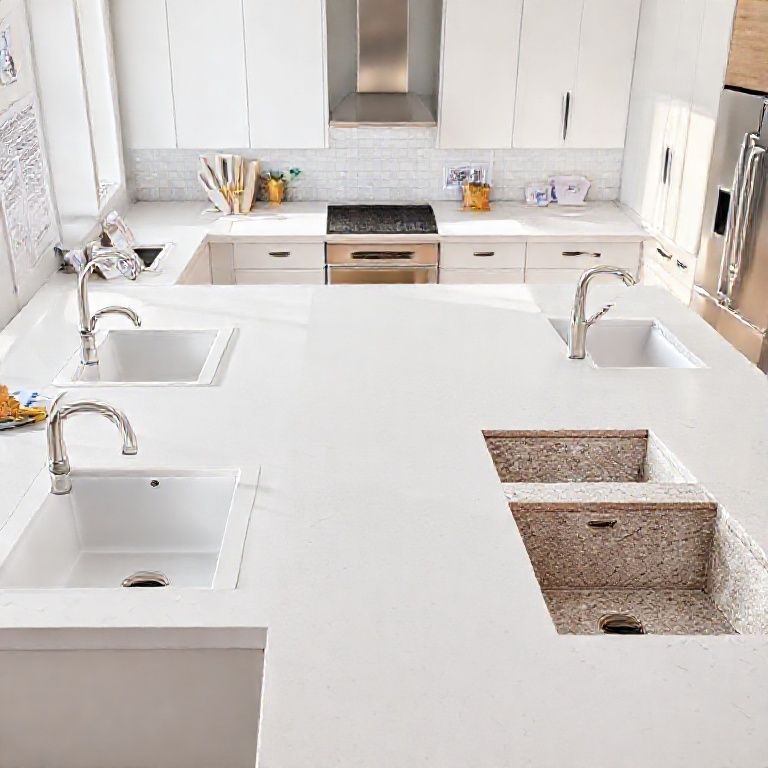
When it comes to choosing countertops for your kitchen or bathroom, the options seem endless. Among the most popular choices are artificial stone and quartz countertops. Both materials offer unique benefits, but which one truly stands out? In this detailed exploration, we will dive into the features, benefits, and long-term value of both artificial stone and quartz countertops to help you make an informed decision.
Artificial Stone Countertops: A Versatile Choice
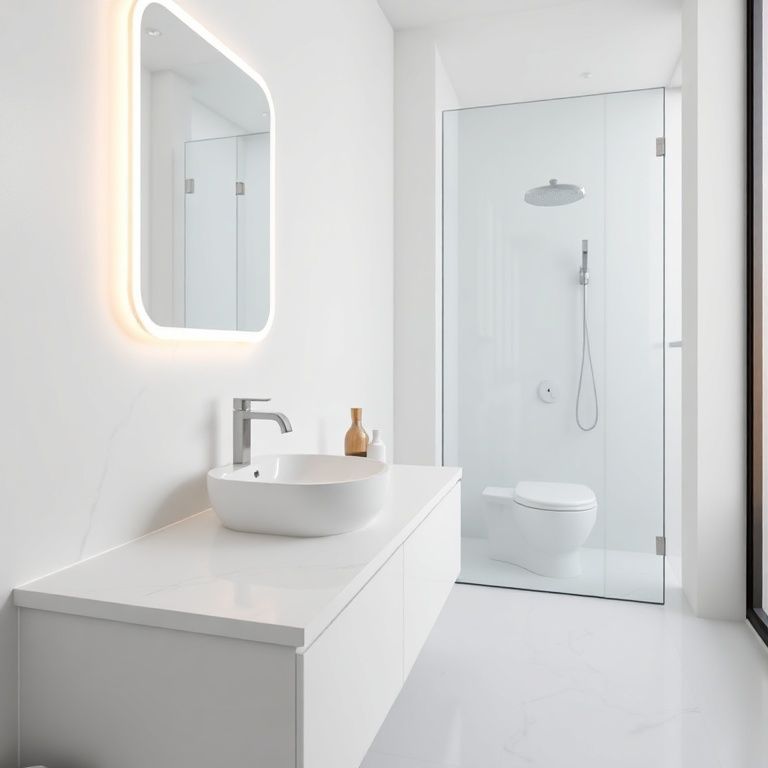
Artificial stone countertops, often referred to as cultured stone, are a blend of natural stone and resin. This unique combination offers several advantages that make it a compelling choice for many homeowners.
Durability and Strength
Artificial stone is known for its impressive durability. It is highly resistant to scratches, stains, and chips, making it a resilient option for high-traffic areas. The resin component provides a strong, cohesive structure that enhances its overall strength. Unlike natural stone, artificial stone does not have the porosity that can lead to staining, which means it holds up well over time even with frequent use.
Customization and Design Flexibility
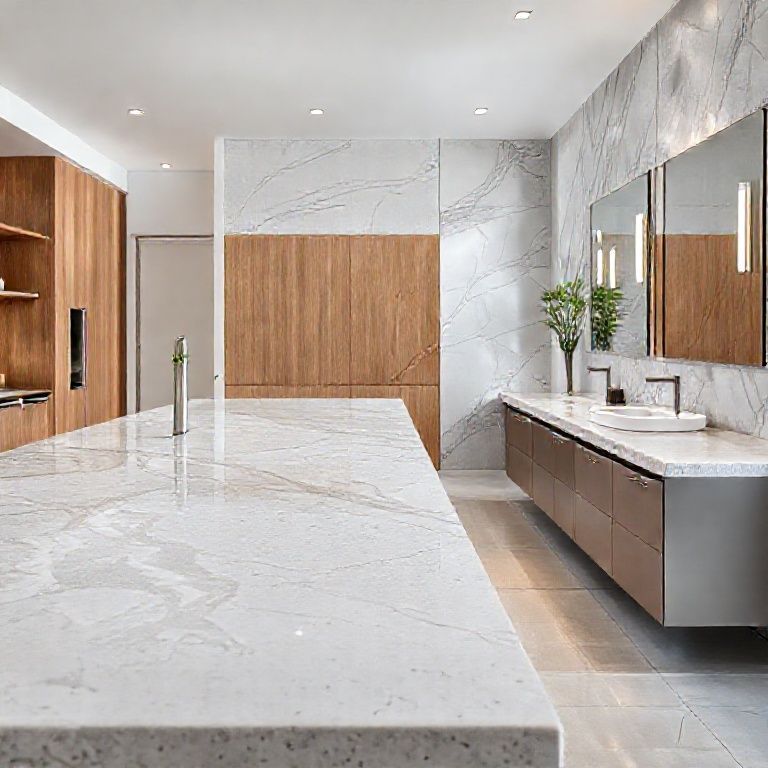
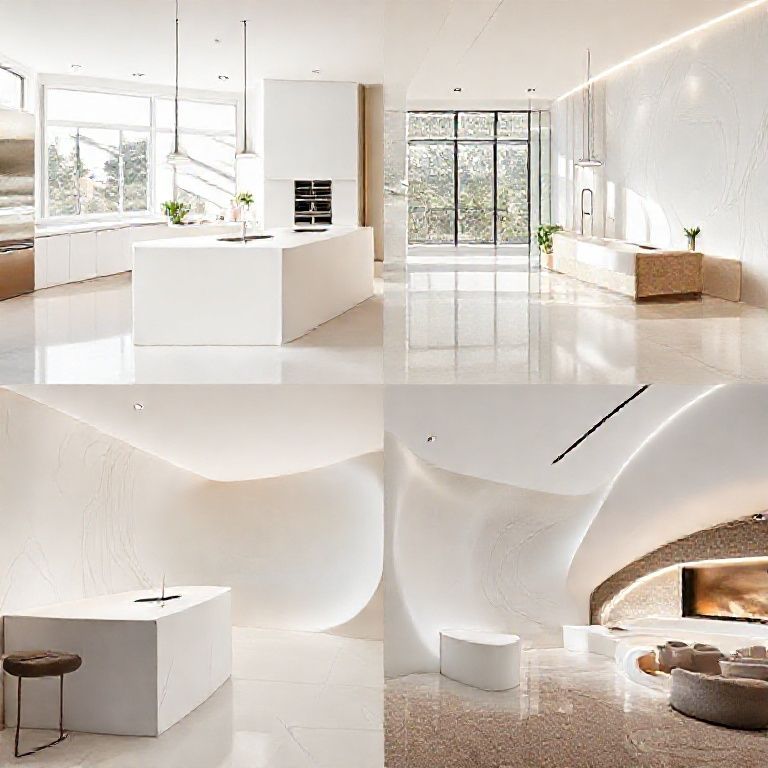
One of the standout features of artificial stone is its versatility in design. It can be crafted to mimic a wide range of natural stone patterns and colors, allowing for a high degree of customization. Homeowners can choose from various textures and finishes to match their unique style and preferences. Whether you want a classic marble look or a bold, modern design, artificial stone can be molded to fit your vision perfectly.
Cost-Effectiveness
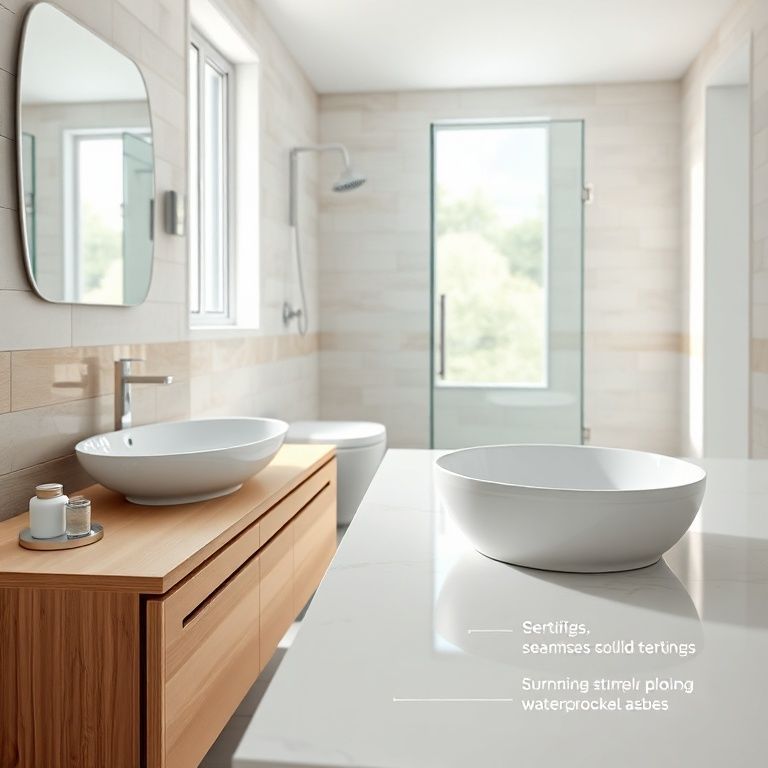
Artificial stone countertops are generally more affordable than their natural stone counterparts. The production process, which includes the blending of resin and stone, makes artificial stone more economical. Additionally, the lower cost is often reflected in the final price, offering excellent value for money. This makes artificial stone an attractive option for those looking to upgrade their space without breaking the bank.
Maintenance and Care
Artificial stone is relatively low maintenance compared to natural stone options. It does not absorb liquids, so spills and stains are less of a concern. Cleaning is straightforward, requiring only mild soap and water. Unlike natural stone, artificial stone does not require sealing, which means less upkeep over time. This simplicity makes artificial stone an excellent choice for busy households.
Quartz Countertops: The Modern Marvel
Quartz countertops have gained immense popularity in recent years due to their combination of aesthetic appeal and practical benefits. Manufactured by combining 94% natural stone with a resin binder, quartz offers a unique set of features that make it a top contender in the countertop market.
Unmatched Durability
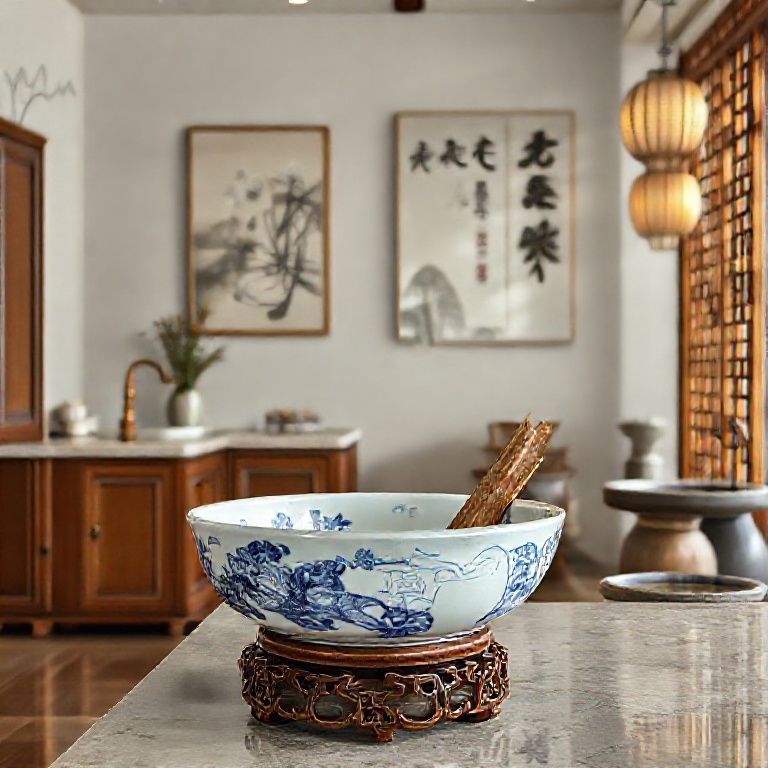
Quartz is renowned for its exceptional durability. It is virtually indestructible, with a Mohs hardness rating of 7, which is comparable to granite. This means that quartz countertops are highly resistant to scratches, stains, and chips. The resin binder ensures that the natural stone particles are held tightly together, providing a seamless, flawless surface that is both beautiful and resilient.
Aesthetic Appeal
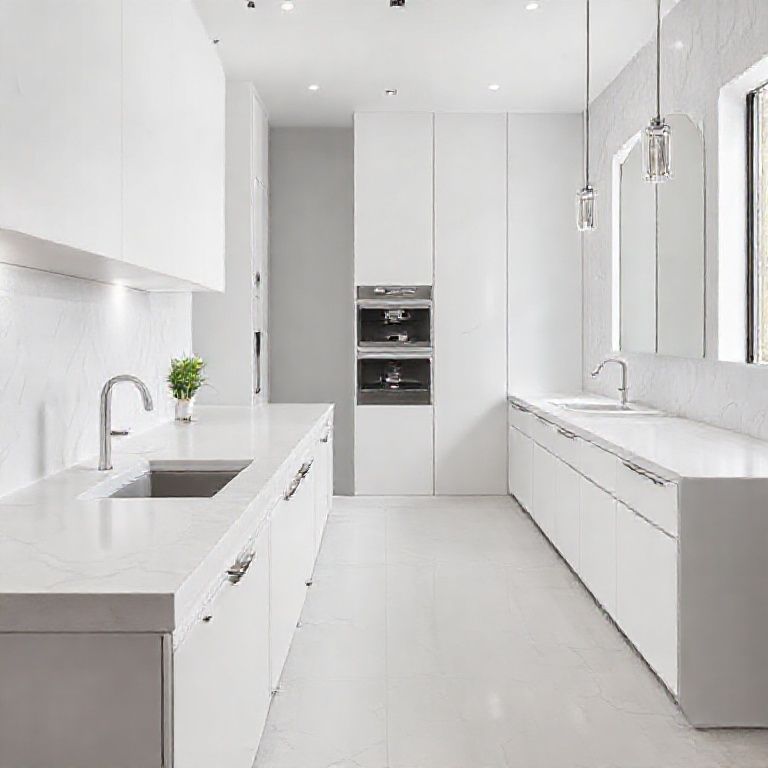
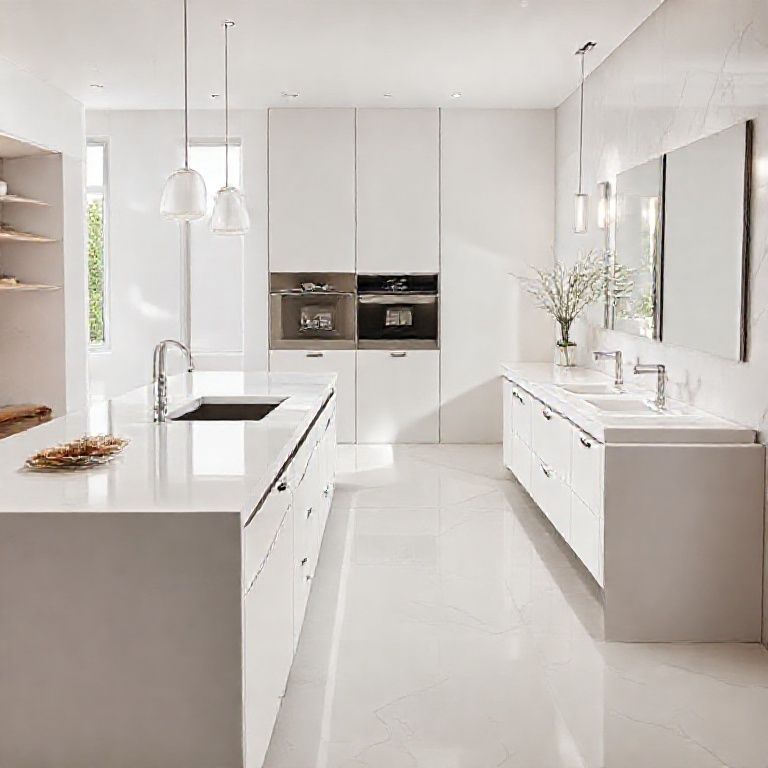
Quartz countertops offer an unparalleled level of design flexibility. With over 50 million possible color and pattern combinations, quartz can be customized to match any decor style. Whether you prefer a classic, understated look or a bold, vibrant design, quartz can be crafted to meet your aesthetic needs. The material’s sleek, modern appearance makes it a popular choice for contemporary homes.
Low Maintenance
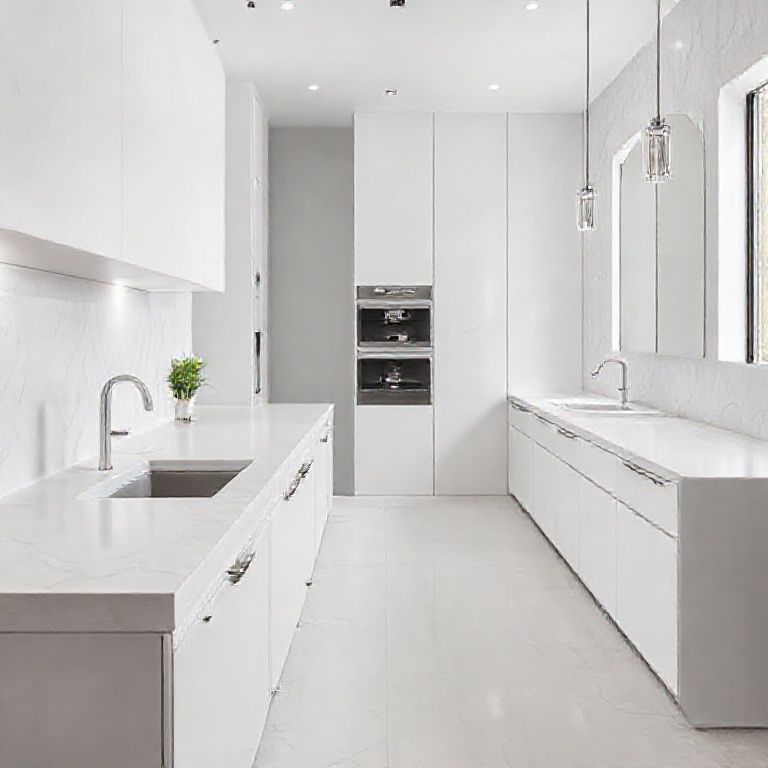
One of the most significant advantages of quartz countertops is their low maintenance. Like artificial stone, quartz does not absorb liquids, so spills and stains are easily wiped away. Cleaning is as simple as using a mild soap and water solution. The material’s non-porous surface means that it does not require sealing or special treatments, which simplifies maintenance and ensures a long-lasting finish.
Cost Considerations
While quartz countertops are generally more expensive than artificial stone, the premium cost is justified by their superior quality and longevity. The advanced manufacturing process and the use of high-quality natural stone contribute to the higher price tag. However, the durability and aesthetic appeal of quartz often make it a worthwhile investment for many homeowners.
Comparative Analysis: Durability and Performance
When comparing the durability and performance of artificial stone and quartz countertops, several factors come into play.
Scratch and Stain Resistance
Both artificial stone and quartz offer excellent scratch and stain resistance. However, quartz’s natural stone component provides a level of resilience that artificial stone cannot match. The Mohs hardness rating of quartz gives it an edge in terms of scratch resistance. While artificial stone is durable, it is not quite as impervious to scratches as quartz.
Heat Resistance
Heat resistance is another critical factor when considering countertops. Artificial stone can withstand high temperatures, making it suitable for areas where cookware and hot dishes are frequently used. Quartz also has excellent heat resistance, maintaining its integrity and appearance even under high heat. Both materials are safe for use with stovetops, ovens, and other heat sources.
Aesthetic Customization
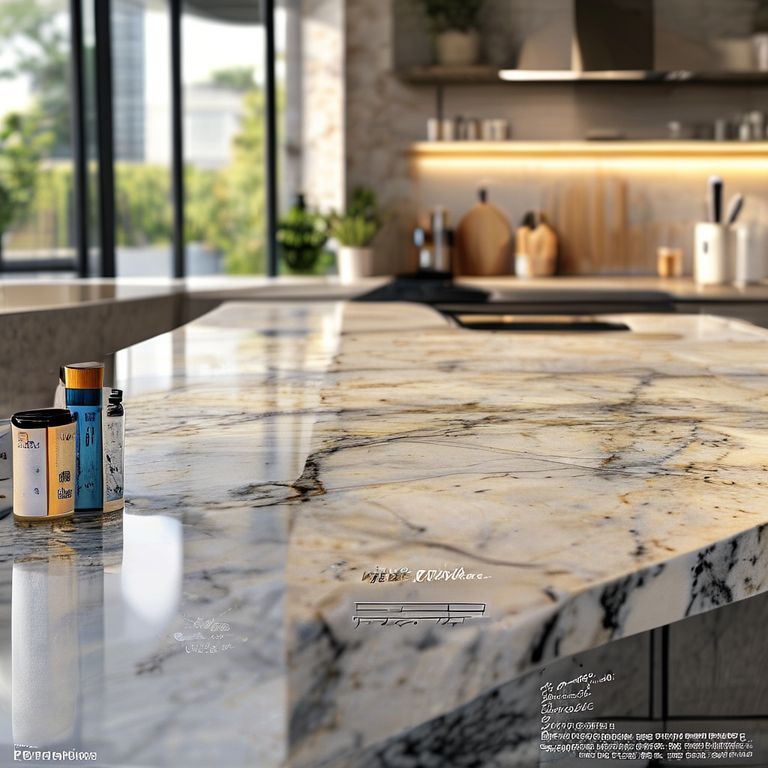
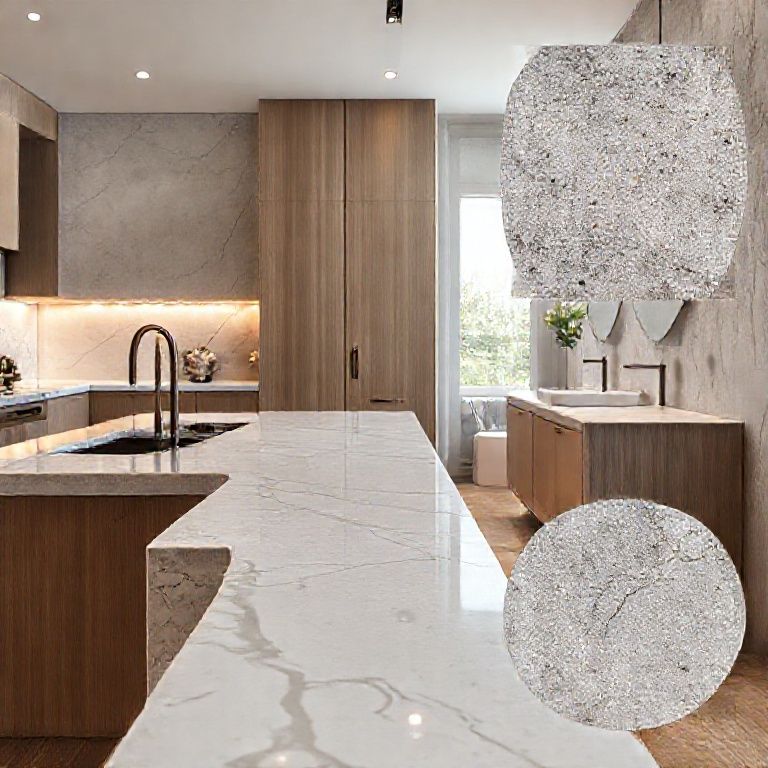
In terms of aesthetic customization, both artificial stone and quartz offer extensive design options. However, quartz’s ability to replicate natural stone patterns with precision gives it a slight advantage. The seamless integration of natural stone particles within the resin matrix allows for incredibly lifelike designs that can mimic everything from marble to granite to exotic stones.
Maintenance and Longevity
Maintenance-wise, both materials are low-effort options, but quartz has the upper hand in terms of longevity. The non-porous nature of quartz means that it is less prone to staining and damage over time. While artificial stone is also low maintenance, quartz’s superior durability ensures it holds up better in the long run.
Conclusion
In the battle between artificial stone and quartz countertops, both materials bring unique advantages to the table. Artificial stone offers versatility, cost-effectiveness, and ease of maintenance, making it a strong contender for those looking for an affordable, customizable option. Quartz, on the other hand, stands out with its unmatched durability, design flexibility, and low maintenance, making it a superior choice for those willing to invest in premium quality.
Ultimately, the decision between artificial stone and quartz will depend on your specific needs, preferences, and budget. Both materials have their place in the countertop market, and understanding their strengths can help you make an informed choice for your home renovation project.