Understanding the Issue and Introduction to Silicone Sealant
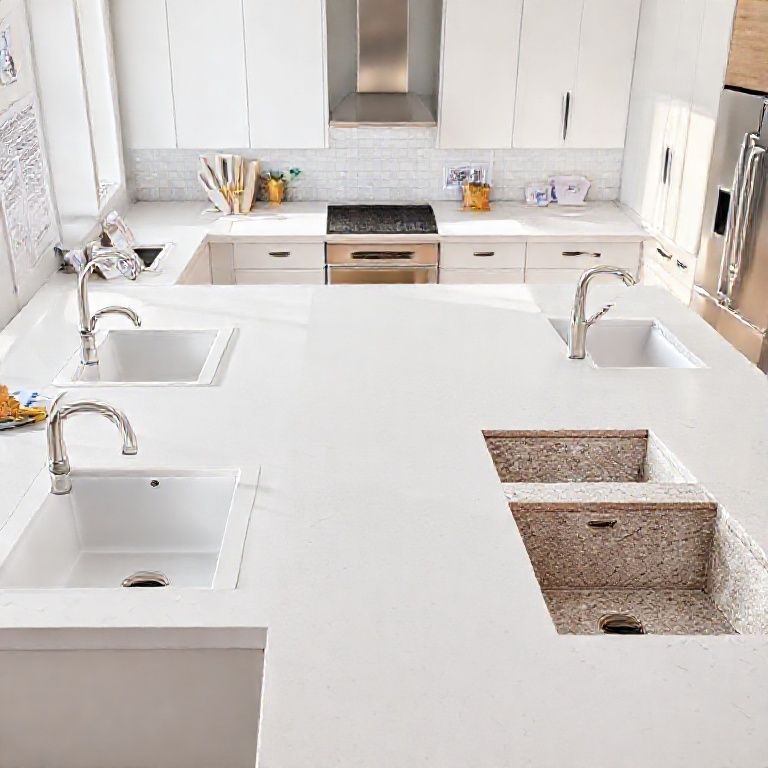
Artificial stone countertops have become incredibly popular due to their durability, aesthetic appeal, and ease of maintenance. However, despite their robustness, these surfaces are not immune to damage. Cracks can form due to a variety of reasons, including impacts, improper installation, or even normal wear and tear. When cracks appear, they not only compromise the visual appeal of the countertop but can also lead to more significant structural issues if left unattended.
The Nature of Cracks in Artificial Stone Countertops
Artificial stone, often made from a blend of natural stone and resins, mimics the look of natural stone while offering superior strength and resistance to stains. While this makes it a favored choice for countertops, it’s not invulnerable. Cracks can emerge from:
Impact Damage: Dropping heavy objects or even a glass bottle can cause immediate cracks. Installation Errors: Incorrect installation techniques can lead to stress points that result in cracks over time. Thermal Shock: Rapid temperature changes can cause expansion and contraction, leading to cracks. Aging and Wear: Natural wear and tear over time can also cause small cracks to develop.
The Role of Silicone Sealant in Repairs
Silicone sealant is a versatile, flexible, and durable substance widely used in various repair applications, including those involving artificial stone countertops. Here’s why silicone sealant stands out as a potential solution:
Flexibility: Unlike traditional caulks, silicone sealant maintains flexibility, which is essential for accommodating the minor movements and shifts in the countertop. Durability: It is resistant to water, UV rays, and chemicals, ensuring longevity even in high-moisture areas like kitchens and bathrooms. Ease of Application: Silicone sealant is user-friendly, with most formulations providing a simple application process suitable for both professional and DIY repairs. Aesthetic Appeal: Available in a variety of colors, silicone sealant can match the countertop’s appearance, providing a seamless repair.
Benefits of Using Silicone Sealant for Crack Repair
When deciding whether to use silicone sealant for repairing cracks in artificial stone countertops, several compelling benefits come to light:
Effectiveness: Silicone sealant can fill and seal cracks effectively, restoring the countertop’s structural integrity. Aesthetic Improvement: Matching the sealant color to the countertop can make the repair virtually invisible. Low Maintenance: Once cured, silicone sealant requires minimal maintenance and can withstand daily wear and tear. Safety: It’s non-toxic and safe to use around food preparation areas, making it suitable for kitchen countertops.

Application Tips for Optimal Results
To ensure that silicone sealant provides the best possible repair, consider these application tips:
Clean the Area: Before applying the sealant, thoroughly clean the crack area to remove any dirt, grease, or debris. Use a mild detergent and a soft brush. Dry Completely: Ensure that the area is completely dry before applying the sealant to avoid any moisture that could interfere with the curing process. Use the Right Tool: Use a caulking gun to apply the silicone sealant. This tool provides a clean, even application and allows for precise control. Smooth the Sealant: As you apply the sealant, use a damp finger or a caulk smoothing tool to smooth out the sealant and remove any air bubbles. Allow Proper Curing Time: Follow the manufacturer’s instructions for curing time. This usually ranges from 24 to 48 hours, depending on the specific product.
Long-Term Considerations
While silicone sealant offers immediate and effective repair solutions, it’s essential to consider long-term durability and maintenance:
Regular Inspections: Periodically inspect the countertop for any new cracks or signs of sealant degradation. Maintenance: Keep the sealant surface clean to prevent dirt and grime from accumulating, which can weaken the sealant over time. Reapplication: Depending on the usage and environmental conditions, reapplication of the sealant may be necessary to maintain the integrity of the repair.
Detailed Insights and Alternatives to Silicone Sealant
In our previous segment, we discussed the potential benefits and application techniques for using silicone sealant to repair cracks in artificial stone countertops. Now, let’s delve deeper into more detailed insights, explore some alternative repair methods, and provide a comprehensive overview of whether silicone sealant is truly worth the investment.
In-Depth Analysis of Silicone Sealant Performance
Durability and Longevity
One of the primary reasons silicone sealant is favored for repairing cracks in artificial stone countertops is its exceptional durability. The material’s flexibility allows it to expand and contract without breaking, which is crucial for maintaining the integrity of the repair over time. This flexibility is particularly beneficial for countertops that experience frequent temperature changes or minor shifts due to natural settling of the building.
Silicone sealants are resistant to various environmental factors, including UV radiation, moisture, and common household chemicals. This resistance ensures that the sealant remains effective and maintains its structural properties even in high-moisture areas like kitchens and bathrooms.
Aesthetic Appeal
The aesthetic appeal of silicone sealant is another significant advantage. Available in a wide range of colors, silicone can be matched to the countertop’s hue, providing a seamless and invisible repair. This capability is especially important for countertops where the appearance is a priority, such as in commercial kitchens or high-end residential spaces.
Alternative Repair Methods
While silicone sealant is a popular and effective choice, it’s worth considering alternative repair methods, especially for those who might have specific needs or preferences:
Epoxy Resin: Epoxy resin is another strong option for repairing cracks in artificial stone. It provides excellent structural reinforcement and can fill larger cracks effectively. However, epoxy is not as flexible as silicone and may require more precise application to avoid uneven surfaces.
Polyurethane Sealant: Polyurethane sealants offer a good balance between flexibility and strength. They are resistant to water and chemicals and provide a durable repair. However, they may not match the aesthetic flexibility that silicone sealant offers.
Replacing the Affected Section: In some cases, especially for extensive damage, it might be more practical to replace the affected section of the countertop rather than attempting a repair. This method ensures a perfect match and eliminates the need for a repair, although it can be more costly and labor-intensive.
Expert Opinions and User Reviews
To provide a well-rounded perspective, let’s consider what experts and users have to say about using silicone sealant for artificial stone countertop repairs:
Expert Opinions
Professional Contractors: Many professional contractors recommend silicone sealant for its versatility and long-term durability. They emphasize the importance of proper application and suggest using high-quality products to ensure optimal results. Industry Standards: According to industry standards, silicone sealant is one of the most recommended materials for repairing stone and composite surfaces due to its ability to withstand various environmental factors.
User Reviews
DIY Enthusiasts: DIY repair enthusiasts often praise silicone sealant for its ease of use and effectiveness. Many reviews highlight the sealant’s ability to match the countertop’s color and its long-lasting nature. Long-Term Satisfaction: Users who have applied silicone sealant for repairs often report high satisfaction with the results, noting the durability and minimal maintenance required over time.
Cost-Benefit Analysis
When considering the cost-benefit of using silicone sealant for repairing cracks in artificial stone countertops, several factors come into play:
Initial Cost: The cost of silicone sealant is relatively low compared to the cost of replacing a section of the countertop or the entire countertop. It’s an affordable solution for minor to moderate repairs. Long-Term Savings: By extending the life of the countertop through effective repairs, silicone sealant can save money in the long run by avoiding the need for costly replacements. Maintenance Costs: Silicone sealant is low-maintenance, requiring minimal effort to keep clean and intact, which adds to its cost-effectiveness over time.
Conclusion
In conclusion, silicone sealant is a highly effective and practical solution for repairing cracks in artificial stone countertops. Its flexibility, durability, and aesthetic appeal make it a top choice for both DIY enthusiasts and professional contractors. While alternative methods are available, silicone sealant stands out for its comprehensive benefits, ease of application, and long-term performance.
更多的应用技巧和注意事项
选择合适的硅胶密封剂
颜色选择:确保所选的硅胶密封剂颜色与台面相匹配,以保证修复后的外观一致。 类型选择:根据裂缝的大小和深度选择不同类型的硅胶密封剂。常见的有一组分和两组分密封剂。一组分密封剂使用简单,但可能在高湿度环境下不如两组分密封剂耐久。 功能选择:选择具有防霉、防菌和抗紫外线等特性的高级硅胶密封剂,这对于厨房和浴室等高湿度区域尤为重要。
准备工作
清洁台面:在进行修补前,确保台面干净无油。可以使用中性清洁剂和水清洗,然后用干布擦干。 修整裂缝:用砂纸或细小的切割工具修整裂缝边缘,使其更加平滑,这样可以帮助密封剂更好地填充裂缝。 检查通风:确保修补区域有良好的通风条件,这有助于密封剂快速干燥。
应用步骤
涂抹工具:使用橡胶管或刷子将硅胶密封剂均匀地涂抹在裂缝上。橡胶管能够更精确地填充细小的裂缝。 填充裂缝:将密封剂涂抹进裂缝内,确保其充分填满。如果裂缝较深,可以多次填充,确保没有空气气泡。 抹平表面:用湿布或密封剂专用抹刀将硅胶密封剂表面抹平,去除多余部分,确保修复后的台面表面平整。
后续处理
等待干燥:根据密封剂说明书,等待密封剂完全干燥。通常需要24小时时间,但建议在完全干燥前避免在该区域进行任何重物操作。 打磨表面:在密封剂完全固化后,可以用砂纸轻轻打磨一下密封剂表面,使其与台面表面更为平滑。 清洁修复区域:用湿布擦拭修复后的区域,去除打磨产生的灰尘。
预防措施和维护建议
避免重物压力:在台面上避免放置过重物品,特别是在裂缝处。 定期检查:定期检查台面,及时发现和处理新的裂缝,以防止问题恶化。 保持清洁:保持台面清洁,避免食物残渣和油污积聚,这些都可能导致裂缝的形成。
结论
硅胶密封剂是修复人造石台面裂缝的一种有效、简便且经济的方法。通过正确的选择、准备和应用步骤,你可以显著延长台面的使用寿命,并保持其美观。如果你定期维护台面,并采取预防措施,修复后的台面将长久保持良好状态。
希望这些详细的建议和技巧能帮助你成功修复人造石台面的裂缝。如果你有任何其他问题或需要进一步的帮助,请随时提出。