The Unpleasant Odor of Synthetic Stone Countertops: Unveiling the Hidden Challenges
The Hidden Challenges of Synthetic Stone Countertops
In recent years, synthetic stone countertops have surged in popularity for their attractive appearance, durability, and relatively low maintenance. Often touted as a superior alternative to traditional granite and marble, these modern fixtures promise a blend of style and practicality that’s hard to beat. However, beneath their glossy surface lies a less discussed issue that can undermine their appeal: the unpleasant odor that sometimes emanates from these countertops.

What Are Synthetic Stone Countertops?
Synthetic stone, also known as cultured stone, is a composite material made from a combination of natural stone, such as marble or limestone, and resin. This mixture is poured into molds to create countertops that mimic the appearance of natural stone while offering greater resistance to stains and scratches. Popular brands like Corian and Cusi are well-known for their high-quality synthetic stone products.
Why Do Synthetic Stone Countertops Have an Unpleasant Odor?
The source of the odor can often be traced back to the manufacturing process. During production, synthetic stone countertops are exposed to various chemicals, including resins, solvents, and other additives. These chemicals are necessary to achieve the desired texture and durability but can leave lingering scents. Here are some key factors contributing to the unpleasant odor:
Volatile Organic Compounds (VOCs): VOCs are emitted from various chemicals used in the manufacturing process. These compounds can include formaldehyde, which is commonly used as a binder in synthetic stone.
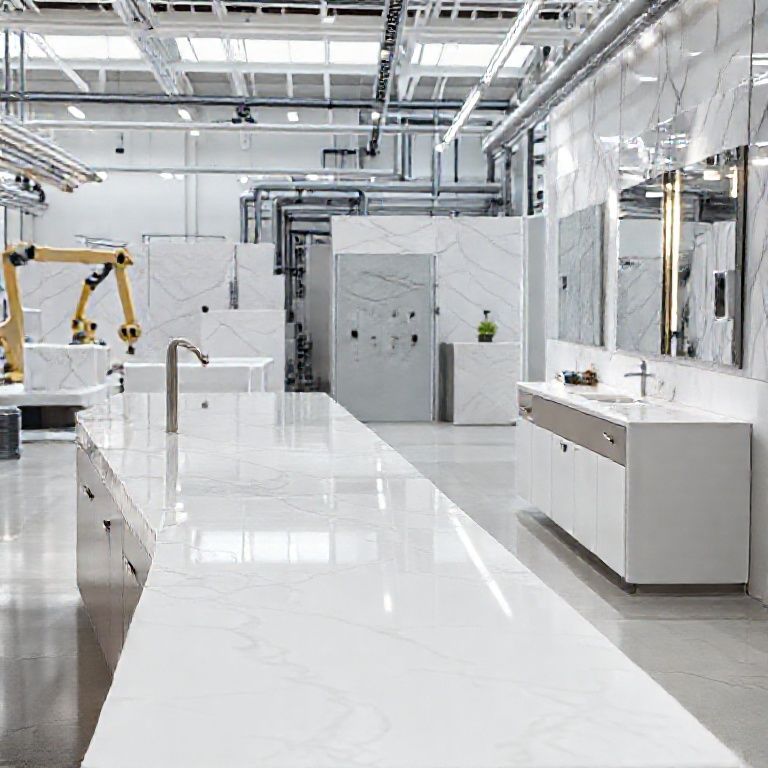
Manufacturing Additives: The resins and other additives used to create synthetic stone can emit strong odors that may not fully dissipate even after the product has been installed.
Moisture and Mold: Improper sealing or inadequate curing can lead to the trapping of moisture, which can promote mold growth and subsequent musty odors.
Immediate and Long-Term Health Impacts
The impact of these odors on health can be significant, especially in confined spaces like kitchens and bathrooms. The following points highlight the potential risks:
Respiratory Issues: VOCs like formaldehyde are known to irritate the respiratory tract, leading to symptoms such as headaches, dizziness, and respiratory problems.
Allergic Reactions: Some individuals may experience allergic reactions to the chemicals used in synthetic stone, resulting in skin irritation, rashes, or other allergic symptoms.
Long-Term Health Risks: Prolonged exposure to VOCs has been linked to more severe health issues, including potential carcinogenic effects.
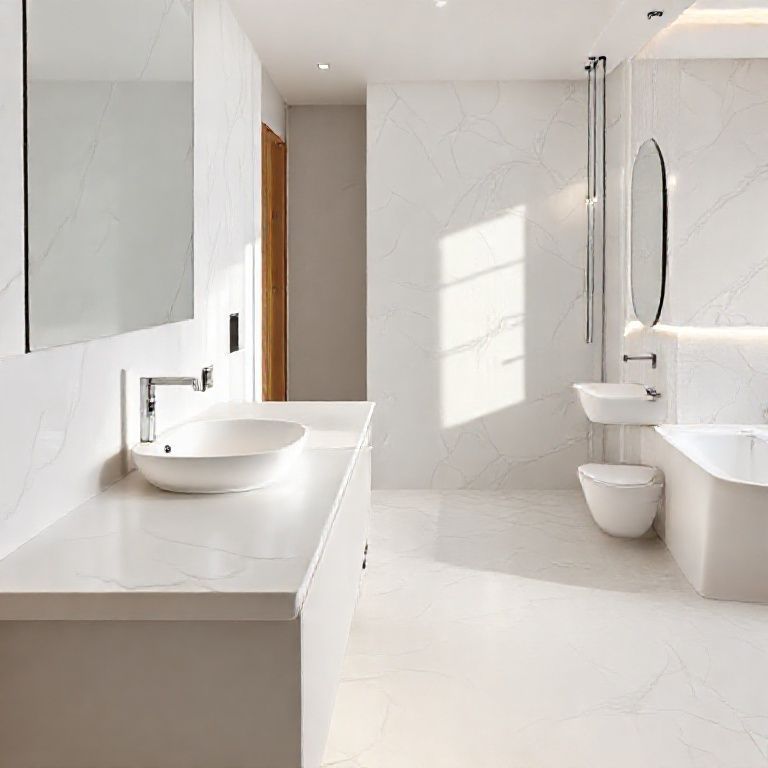
Detecting and Measuring Odors
To truly understand the extent of the odor problem, it’s important to recognize the different ways it can manifest. Here are some methods for detecting and measuring these odors:
Sensory Evaluation: Trained professionals can conduct sensory evaluations to quantify the intensity and character of the odor.
Gas Chromatography: This sophisticated technique can isolate and identify the specific VOCs present in the synthetic stone, providing a detailed chemical profile of the odor.
Olfactometry: This method measures the odor concentration by comparing it to a standard reference, giving a precise measurement of how strong the odor is.
Preventive Measures and Solutions
While the initial installation of synthetic stone countertops may seem straightforward, taking proactive steps can help mitigate the risk of unpleasant odors. Here are some preventive measures and solutions:
Proper Ventilation: Ensuring adequate ventilation during and after installation can help disperse VOCs more quickly, reducing the intensity of the odor.
Quality Products: Opt for high-quality synthetic stone products that have undergone rigorous testing to minimize the use of harmful chemicals.
Post-Installation Treatment: Applying a high-quality sealant immediately after installation can help lock in the finish and reduce the potential for moisture retention, which can contribute to odors.
Air Purification Systems: Installing air purification systems with activated carbon filters can help absorb and neutralize lingering odors.
Customer Experiences and Case Studies
Many homeowners and businesses have reported varying experiences with synthetic stone countertops. Some have found the initial odor to be a minor inconvenience that dissipates over time, while others have faced persistent problems that have impacted their living or working environment. Here are some notable case studies:
Residential Project: In a newly constructed home, the synthetic stone kitchen countertops emitted a strong formaldehyde odor for several weeks, causing respiratory discomfort for the occupants. Proper ventilation and air purification resolved the issue.
Commercial Space: A restaurant with synthetic stone bar and countertop surfaces experienced a musty odor attributed to moisture trapped within the stone. A thorough cleaning and sealing process, along with improved kitchen ventilation, eliminated the problem.
Long-Term Impact: In a high-end office space, synthetic stone used for desks and reception areas led to persistent VOC emissions, prompting a comprehensive review of the material and resulting in a switch to a different, lower-emission product.
Navigating the Odor Challenges of Synthetic Stone Countertops
Having delved into the origins and health impacts of the unpleasant odor emanating from synthetic stone countertops, it’s clear that while these modern fixtures offer many benefits, they are not without their challenges. In this second part, we will explore more in-depth solutions, additional preventive measures, and the broader implications of dealing with these odors.
Advanced Solutions and Technologies
To address the odor problem effectively, several advanced solutions and technologies can be employed:
Advanced Ventilation Systems: High-efficiency particulate air (HEPA) filters and advanced ventilation systems can significantly improve indoor air quality by capturing and removing VOCs.
Activated Carbon: Activated carbon filters are highly effective at absorbing odors and VOCs. These filters can be integrated into HVAC systems or used as standalone air purifiers.
Photocatalytic Oxidation (PCO): This technology uses UV light and a photocatalyst to break down VOCs into less harmful substances. It’s particularly useful in environments where persistent odors are an issue.
Nanotechnology: Emerging technologies based on nanotechnology are being developed to create self-cleaning and odor-neutralizing surfaces that can reduce the need for chemical treatments.
Long-Term Maintenance and Care
To ensure that synthetic stone countertops remain odor-free and maintain their aesthetic appeal, regular maintenance and care are essential. Here are some best practices:
Regular Cleaning: Use mild, non-abrasive cleaners to avoid damaging the surface. Avoid harsh chemicals that can leave residues or attract odors.
Prompt Sealing: Reseal the countertops periodically to maintain a protective barrier against stains and moisture. This step is particularly important if the surface appears to be degrading or losing its luster.
Moisture Control: Keep moisture levels in check to prevent mold growth. Use appropriate dehumidifiers in areas prone to high humidity.
Professional Inspections: Periodic inspections by professionals can help identify early signs of wear, damage, or odors that may not be immediately noticeable.
Environmental and Ethical Considerations
The production and use of synthetic stone countertops also raise environmental and ethical considerations that are worth addressing:
Sustainability: While synthetic stone is generally more sustainable than natural stone due to lower water usage and reduced mining impacts, the chemicals used in its production can still pose environmental risks. Choosing products with lower VOC content and opting for eco-friendly manufacturing processes can mitigate these concerns.
Waste Management: Proper disposal of synthetic stone waste is crucial. Recycling programs and responsible waste management practices can help minimize environmental impact.
Ethical Sourcing: Ensure that the synthetic stone products being used are sourced and manufactured with ethical practices in mind, including fair labor practices and minimal environmental impact.
Future Trends and Innovations
The industry is continually evolving, with ongoing research and development focused on addressing the challenges associated with synthetic stone countertops. Here are some emerging trends and innovations:
Low-VOC Formulations: Manufacturers are developing new formulations that reduce the use of harmful VOCs, offering a safer and more environmentally friendly option.
Biodegradable Materials: Innovations in biodegradable materials are paving the way for synthetic stone alternatives that break down naturally over time, reducing long-term environmental impact.
Smart Countertops: Integration of smart technology into synthetic stone countertops is a burgeoning field. These smart surfaces could include built-in air purifiers, temperature control, and even antimicrobial properties.
Customization and Personalization: Advances in technology are enabling more customization and personalization of synthetic stone, allowing for unique designs and finishes while maintaining functional and aesthetic benefits.
Conclusion: Making Informed Decisions
When choosing synthetic stone countertops, it’s essential to weigh the pros and cons carefully, taking into account not only the aesthetic and practical benefits but also the potential for unpleasant odors. By understanding the causes, health impacts, and preventive measures, homeowners and businesses can make informed decisions that prioritize both style and well-being.
Investing in high-quality products, proper installation, and ongoing maintenance can help ensure that synthetic stone countertops provide the long-lasting beauty and functionality they promise, without the burden of unwanted odors. With continued innovation and awareness, the future looks promising for those looking to enhance their spaces with these versatile materials.当然,继续探讨关于人造石台面(synthetic stone countertops)的问题,我们可以进一步分析一些具体的应用场景、用户反馈以及更多专业建议。
应用场景和用户反馈
家庭厨房和浴室
厨房: 优点: 耐污性: 人造石台面不易沾污,清洁方便。使用后不再需要担心餐具污渍和汁水渗入。 耐热性: 能够承受高温炊具,不易变形。 缺点: 异味: 有些新安装的人造石台面会有明显的化学气味,这是由于制造过程中使用的化学物质残留所致。 维护: 虽然不易污渍,但仍需定期保养和定期重新密封以保持其美观和耐用性。
浴室: 优点: 防水性: 人造石材的防水性能优秀,适合用于浴室台面。 抗菌性: 由于其材质的特点,人造石台面通常具有一定的抗菌功能。 缺点: 异味: 同样可能会有新装修的异味。 硬度和耐刮擦: 尽管人造石表面硬度较高,但仍需避免使用锋利工具直接划过表面。
商业空间
在商业空间,如餐厅、酒店、办公室等,人造石台面也广泛应用,原因如下:
餐厅: 优点: 易清洁: 餐厅高频率使用需要一个易清洁的台面,人造石正好满足这一需求。 经济实惠: 相对于天然石材,人造石更为经济,适合需要频繁更换台面的餐厅。 缺点: 异味: 新安装后的异味问题同样存在。 耐用性: 尽管人造石耐用,但在高频使用场景下,还是需要定期检查和保养。
办公室: 优点: 美观性: 人造石台面外观多样,可以根据办公室的设计风格进行选择。 稳定性: 表面稳定,不会像天然石那样受季节变化影响。 缺点: 维护: 需要定期密封和保养以保持其光泽和防污效果。
专业建议
选择高品质材料: 选择知名品牌和经过认证的高品质人造石材料,这不仅能减少异味问题,还能提升耐用性和美观性。 专业安装: 由专业人员进行安装,确保台面的密封和固定,避免未来出现漏水、渗污等问题。 定期维护: 人造石台面虽然耐用,但仍需定期维护,包括清洁和重新密封。
尤其是在高频使用的场所,如厨房和餐厅,定期维护尤为重要。 避免使用锋利工具: 避免使用锋利工具直接划过台面,以防止划痕和损伤。 空气流通和通风: 新装修后的人造石台面可能会释放一些化学物质,因此在使用前,应保持空气流通,必要时开窗通风。
未来趋势
环保材料: 更多低VOC(挥发性有机化合物)和无毒材料的开发,减少对人体和环境的影响。 智能化: 未来的人造石可能会集成智能技术,如内置加热功能、智能检测和清洁系统等。 个性化定制: 提供更多样化的颜色和纹理选择,以及定制化服务,满足不同消费者的个性化需求。
高效耐用: 研发更加耐用和抗菌的材料,延长使用寿命,减少维护成本。
人造石台面在现代家庭和商业空间中有着广泛的应用,尽管存在一些问题,但通过选择高品质材料、专业安装和定期维护,这些问题是可以被有效控制和解决的。