
The whisper of innovation often begins in quiet laboratories, a subtle hum of discovery that eventually reshapes the very fabric of our environments. In the realm of design and construction, few materials embody this transformative power as elegantly and effectively as man-made stone, or as it’s often referred to in its cultural context, “人造石吧.” This isn’t merely about replication; it’s about reimagining, enhancing, and ultimately, creating. The phrase itself, “人造石吧,” carries a certain invitation, a suggestion to delve into the possibilities, to explore the textures, the colors, and the sheer potential of a material born from human ingenuity. It beckons us to consider a world where the timeless allure of natural stone is amplified by modern science and design sensibility.

The genesis of artificial stone is a fascinating narrative of scientific pursuit. Early pioneers sought to capture the inherent beauty of granite, marble, and other natural formations, but with a desire to overcome their inherent limitations. Natural stones, while undeniably breathtaking, can be porous, prone to staining, require meticulous sealing, and their extraction can carry significant environmental costs. The quest, therefore, was for a material that offered the visual appeal, the tactile richness, and the sense of permanence, but with enhanced performance and greater control over its final characteristics. This led to the development of various composite materials, each with its unique blend of natural minerals, resins, pigments, and binders.
Consider the evolution of quartz surfaces, a prime example of what “人造石吧” represents. By combining finely ground quartz crystals—one of the hardest minerals found in nature—with high-performance polymer resins and vibrant pigments, manufacturers have created a material that is not only visually stunning but exceptionally durable. The resulting slabs possess a consistent veining and color pattern, a stark contrast to the often unpredictable nature of natural stone. This consistency is a boon for designers and architects, allowing for precise planning and predictable outcomes in any project, from a sleek, minimalist kitchen countertop to an expansive, flowing hotel lobby. The quartz particles themselves offer unparalleled resistance to scratches, heat, and stains, making these surfaces a dream for high-traffic areas. The ability to engineer these properties means that “人造石吧” in the form of quartz is not just a surface; it’s a silent workhorse, performing beautifully under the demands of daily life.
Beyond quartz, the landscape of artificial stone is rich and varied. Solid surfaces, often composed of acrylic or polyester resins blended with mineral fillers, offer another compelling facet of “人造石吧.” These materials are renowned for their seamless installation capabilities. Joints can be expertly fused, creating a monolithic appearance that is both aesthetically pleasing and hygienically superior. Think of a seamless laboratory benchtop, a flowing reception desk where form meets function, or a shower enclosure where water has nowhere to hide. This lack of grout lines and seams not only simplifies cleaning but also offers a sophisticated, unbroken visual line that can define a space. The flexibility of solid surfaces also allows for thermoforming, meaning they can be molded into curves and complex shapes, pushing the boundaries of what was once thought possible with stone-like materials. This adaptability is a key reason why “人造石吧” has become a darling of contemporary design, enabling architects to realize ambitious visions.
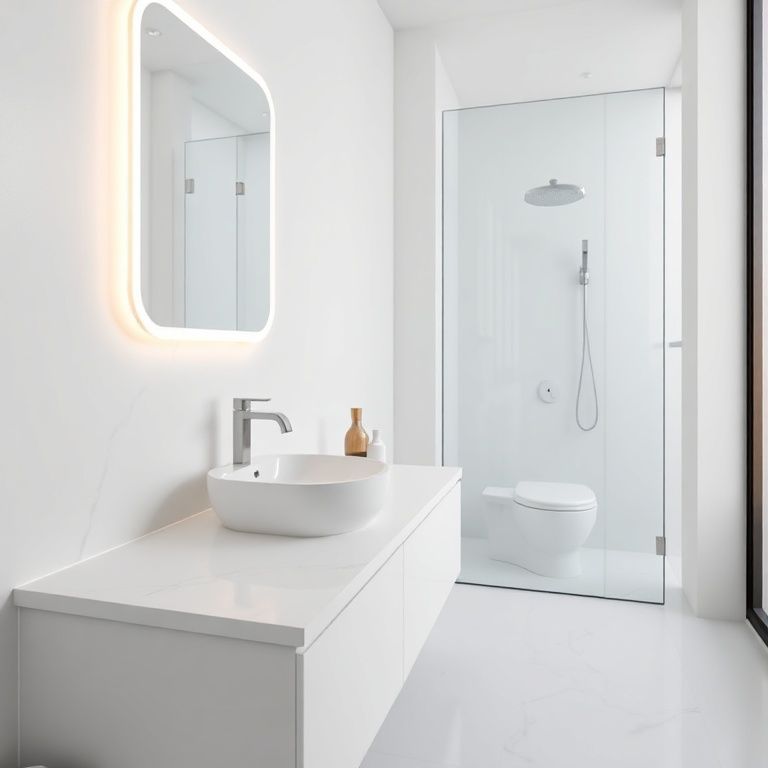
The environmental aspect is also a critical, often overlooked, component of the “人造石吧” story. While the extraction of natural stone can be resource-intensive, the production of engineered materials often allows for greater control over waste. Many manufacturers incorporate recycled content, such as glass or pre-consumer manufacturing scraps, into their formulations. This not only diverts waste from landfills but also reduces the reliance on virgin materials. Furthermore, the durability and longevity of these artificial stones mean that they are less likely to need replacement, contributing to a more sustainable building and design lifecycle. The very act of choosing “人造石吧” can be an environmentally conscious decision, a step towards responsible material selection that doesn’t compromise on beauty or performance. It’s a sophisticated fusion of environmental stewardship and aesthetic excellence, a testament to the thoughtful evolution of materials science.
The appeal of “人造石吧” extends far beyond its practical advantages. It’s about the sensory experience, the visual dialogue it creates within a space. Imagine a kitchen island clad in a dramatic, veined engineered marble, its surface cool and inviting to the touch, reflecting light and becoming the heart of culinary creation and social gathering. Or consider a bathroom vanity in a subtle, textured composite that mimics the organic feel of travertine, yet offers superior water resistance and ease of maintenance. The palette available with artificial stone is virtually limitless, ranging from classic whites and greys to bold jewel tones and intricate, artistic patterns. This vast spectrum empowers designers to precisely match a material to a specific mood or aesthetic, to craft environments that are not just functional but deeply expressive. “人造石吧” isn’t just about filling a space; it’s about defining it, about imbuing it with character and a sense of intentionality. It’s an invitation to play with form, color, and texture, to create spaces that resonate on a deeper, more personal level.
The advent of “人造石吧” has democratized luxury. While rare and exquisite natural stones remain highly sought after, engineered alternatives provide access to comparable aesthetics and superior performance at a more accessible price point. This allows for greater creative freedom, enabling more projects to achieve a high-end look and feel without breaking the bank. It means that stunning surfaces, once reserved for opulent mansions, can now grace the kitchens and bathrooms of many homes, enhancing everyday living and adding lasting value. This accessibility is a fundamental aspect of what “人造石吧” offers—a pathway to beautiful, durable, and high-performing surfaces for a wider audience. It’s an inclusive approach to luxury, making sophisticated design more attainable and bringing the artistry of stone-like materials within reach.
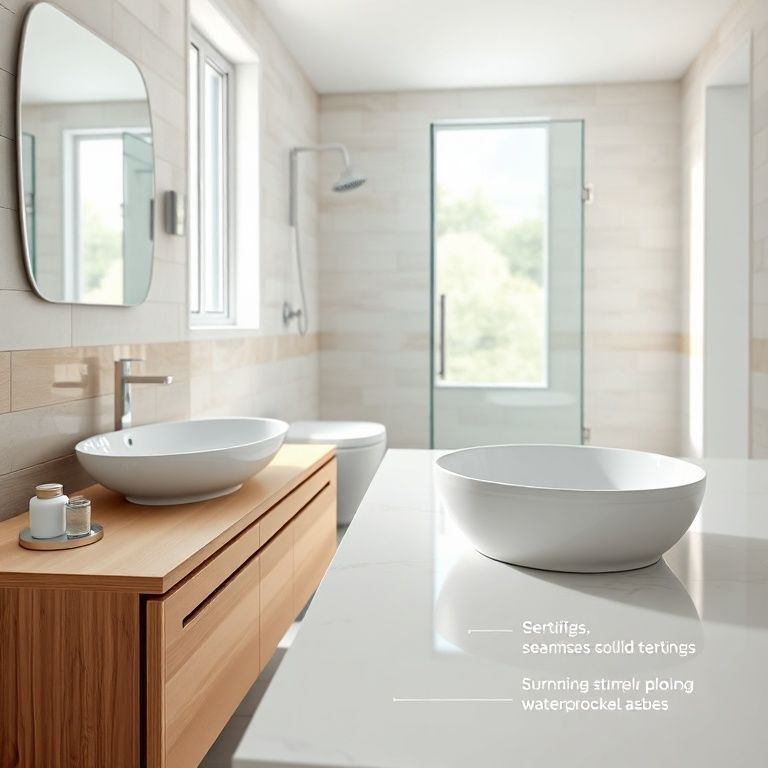
Continuing our exploration into the world of “人造石吧,” we delve deeper into the transformative impact this versatile material has on our built environments, showcasing how innovation translates into tangible beauty and enduring functionality. The phrase “人造石吧” serves as a gateway to understanding a material that has fundamentally altered how we approach surfaces, from the intimate spaces of our homes to the grand stages of commercial architecture. It’s a testament to human ingenuity, a clever fusion of nature’s best qualities with the precision of modern manufacturing.
One of the most compelling aspects of “人造石吧” is its sheer adaptability. Unlike its natural counterparts, which are subject to the geological whims of the earth, engineered stones offer a level of customization that is almost boundless. Manufacturers can meticulously control the color, pattern, and even the texture of the final product. This means that a designer can achieve a specific aesthetic with absolute confidence. For instance, if a project calls for the dramatic veining of Calacatta marble but requires enhanced stain resistance for a busy restaurant kitchen, engineered marble-look quartz can deliver precisely that. The consistency of the material also eliminates the guesswork often associated with natural stone, where variations in shade and pattern can lead to unexpected results and costly adjustments. With “人造石吧,” what you see in the sample is what you get in the finished slab, a predictability that is invaluable in any design or construction endeavor.
The realm of commercial design, in particular, has been revolutionized by the advent of “人造石吧.” Airports, hospitals, hotels, and retail spaces demand materials that are not only aesthetically pleasing but also incredibly resilient and easy to maintain. Engineered quartz and solid surfaces excel in these demanding environments. Think of the sweeping, elegant countertops in a boutique hotel lobby, the durable and hygienic surfaces in a hospital waiting area, or the striking, custom-designed reception desks in corporate offices. These applications showcase the ability of “人造石吧” to withstand high foot traffic, constant cleaning, and the rigors of daily use, all while maintaining their visual appeal. The non-porous nature of many engineered stones makes them inherently resistant to bacteria and mold growth, a critical factor in health-conscious environments. This is where “人造石吧” truly shines, offering a practical solution that doesn’t compromise on sophistication.
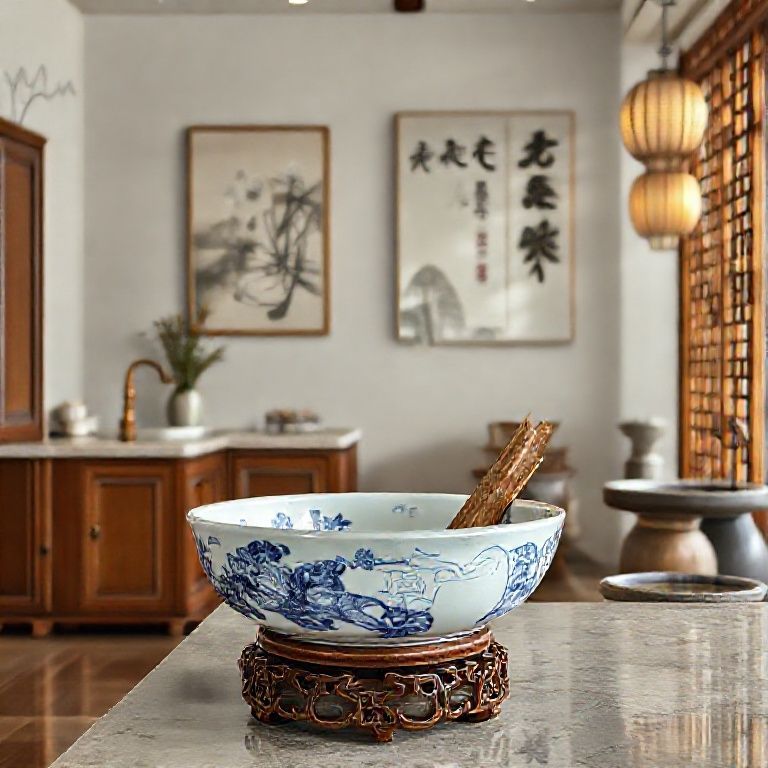
Consider the case of solid surfaces, a significant branch of “人造石吧.” Their unique composition allows for seamless fabrication. Joints can be glued and sanded to be virtually invisible, creating a smooth, continuous surface. This characteristic is a game-changer for hygiene-sensitive areas like healthcare facilities, laboratories, and food preparation zones. A seamless countertop eliminates crevices where dirt and bacteria can accumulate, making cleaning far more effective. Beyond practicality, this seamlessness offers a distinct design advantage, allowing for the creation of flowing, minimalist aesthetics that are highly desired in contemporary interiors. Imagine a waterfall edge on a kitchen island, or a perfectly integrated sink that appears to grow organically from the countertop – these are the hallmarks of what “人造石吧,” in its solid surface form, can achieve. The ability to thermoform these materials further expands their potential, enabling the creation of curved walls, bespoke furniture, and intricate architectural details that would be impossible with traditional stone.
The tactile experience of “人造石吧” also plays a crucial role in its appeal. While often associated with a smooth, polished finish, many engineered stones can be manufactured with textured surfaces that mimic the natural feel of wood grain, brushed metal, or even honed natural stone. This adds another layer of sensory engagement to a space, allowing designers to create environments that are not just visually appealing but also inviting to touch. A kitchen countertop with a subtle texture can provide a more grounding and tactile experience, enhancing the user’s connection to their surroundings. This attention to detail, to the finer nuances of material interaction, is what elevates “人造石吧” from a mere building material to an integral component of thoughtful interior design.
The economic advantages of “人造石吧” are also worth highlighting. While certain high-end engineered stones can be a significant investment, they often offer a more cost-effective solution compared to premium natural stones, especially when factoring in installation, sealing, and long-term maintenance. The predictability of production means less waste during fabrication, and the durability ensures a longer lifespan, reducing the need for frequent replacements. This translates to a better return on investment for homeowners and commercial developers alike. The accessibility that “人造石吧” provides means that the look and feel of luxury are no longer out of reach for many projects, allowing for more ambitious design visions to be realized within budgetary constraints. It’s a smart choice, both aesthetically and financially.
Looking ahead, the evolution of “人造石吧” shows no signs of slowing. Continuous research and development are leading to even more innovative formulations, incorporating advanced manufacturing techniques and sustainable practices. We are seeing an increasing emphasis on recycled content, energy-efficient production processes, and materials with enhanced performance characteristics, such as antimicrobial properties and improved fire resistance. The spirit encapsulated by “人造石吧” is one of perpetual advancement, a drive to create materials that are not only beautiful and functional but also responsible and forward-thinking. It represents a commitment to pushing the boundaries of what is possible, offering designers and consumers alike an ever-expanding palette of options to craft spaces that are inspiring, enduring, and perfectly suited to their purpose. The invitation in “人造石吧” is to embrace this future, a future where material science and aesthetic aspiration converge to create spaces that truly resonate.









