
The heart of any home, the kitchen, is a space that pulsates with life. It’s where culinary masterpieces are born, where families gather to share stories over steaming meals, and where the aroma of freshly brewed coffee often signals the start of a new day. Amidst this vibrant hub, the kitchen countertop stands as a silent, yet crucial, workhorse. It’s the stage for chopping, dicing, kneading, and plating. It withstands spills, hot pans, and the occasional dropped utensil. And when it comes to choosing the right material and, importantly, the right thickness, a question often arises, particularly with the increasingly popular quartz: “Is 1.5cm thick quartz countertop enough?”

This isn’t a question to be answered with a simple yes or no. The “enoughness” of any material, especially one that forms the functional and aesthetic foundation of your kitchen, is a deeply personal and context-dependent evaluation. It’s about balancing aesthetics, durability, budget, and, of course, your own lifestyle. Quartz, a man-made marvel, has surged in popularity for its impressive blend of beauty and resilience. Its non-porous nature means it’s highly resistant to stains, bacteria, and moisture, making it a hygienic choice for food preparation. It also boasts incredible strength and can mimic the look of natural stone like marble or granite with remarkable fidelity, often at a more accessible price point and with greater consistency in pattern and color.
However, the question of thickness, specifically 1.5cm (approximately 5/8 inch), brings us to a point of consideration. In the realm of kitchen countertops, thicker is often perceived as better. Standard countertop thicknesses typically range from 2cm (about 3/4 inch) to 3cm (about 1 1/4 inches). So, when considering a 1.5cm option, it’s natural to wonder if it might be a compromise too far.
Let’s unpack what thickness truly means for a quartz countertop. Primarily, it relates to structural integrity and visual impact. A thicker slab inherently possesses more mass, which can translate to greater perceived strength and a more substantial, luxurious feel. It can also influence how countertops are supported, especially in areas with overhangs for breakfast bars or seating. A thinner slab might require more robust support structures beneath it to prevent sagging or cracking, especially over longer spans.
The appeal of 1.5cm quartz often lies in its advantages for specific applications or design preferences. For instance, in kitchens with a more minimalist or modern aesthetic, a slimmer profile can contribute to a sleeker, less imposing look. It can blend seamlessly into contemporary cabinetry, creating clean lines and an uncluttered visual flow. Furthermore, for certain types of installations, such as waterfall edges where the countertop material cascades down the side of a cabinet, a thinner slab might be more manageable and cost-effective to fabricate. It can also be a consideration for budget-conscious renovations, as thinner slabs generally come with a lower material cost.
But here’s where we need to tread carefully. While 1.5cm quartz is still quartz, and therefore inherently durable, its reduced thickness means it has less inherent structural resistance compared to its thicker counterparts. This doesn’t mean it’s fragile, but it does mean that its performance under stress needs to be carefully considered. Imagine a thin piece of wood versus a thick one; the thin one will flex more readily. Similarly, a 1.5cm quartz countertop might be more susceptible to chipping or cracking if subjected to significant, concentrated impact, such as a heavy pot dropped directly onto an edge or corner.
Moreover, the aesthetic impact of thickness shouldn’t be underestimated. A 3cm countertop often exudes a sense of gravitas and luxury. The edges can be profiled (shaped) in various ways, and the thicker material allows for more intricate and substantial edge details. A 1.5cm countertop, while still elegant, will present a more delicate edge profile. This might be perfectly aligned with a minimalist design, but for those envisioning a grand, traditional, or highly decorative kitchen, it might not deliver the desired visual weight.
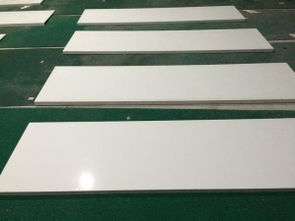
The decision then hinges on a realistic assessment of your kitchen’s usage and your personal preferences. If your kitchen is primarily used for light meal preparation, if you’re meticulous about avoiding harsh impacts, and if you lean towards a sleek, modern aesthetic, then 1.5cm quartz could indeed be “enough.” It offers all the inherent benefits of quartz – stain resistance, hygiene, and a wide range of design options – in a slimmer, potentially more budget-friendly package.
However, if your kitchen is a high-traffic zone where enthusiastic cooking is the norm, if you have young children or pets who might inadvertently cause impacts, or if you aspire to a more robust and traditional kitchen look, then you might find yourself wishing for the added reassurance of a thicker slab. It’s about understanding the trade-offs. The “enoughness” is a personal equation, factoring in how you live, cook, and dream of your kitchen space.

Continuing our exploration into the viability of 1.5cm quartz countertops, it’s crucial to move beyond the theoretical and delve into the practical implications for your kitchen. While the aesthetic considerations and inherent durability of quartz are undeniable, the question of thickness, particularly 1.5cm, necessitates a thoughtful examination of its performance in the real world of daily kitchen life.
One of the primary concerns with any thinner countertop material is its susceptibility to impact and stress. While quartz itself is an incredibly hard and durable engineered stone, its resistance to catastrophic failure – such as cracking or chipping – is directly influenced by its thickness. A 1.5cm slab, while still significantly stronger than many other countertop materials, has less material to absorb and distribute impact forces. This means that an accidental drop of a heavy cast-iron skillet directly onto a corner or edge, or the forceful drag of a heavy appliance across the surface, could potentially pose a greater risk of damage compared to a 2cm or 3cm slab.
This doesn’t mean that 1.5cm quartz is inherently fragile or destined to crumble. The quality of the quartz itself, the manufacturing process, and the installation are all critical factors. However, it does imply a need for a more mindful approach to its use. If you are someone who tends to be very careful in the kitchen, always using cutting boards and trivets, and avoiding forceful impacts, then the risk of damage might be minimal. But for households where the kitchen is a dynamic, sometimes chaotic, environment, the added “beef” of a thicker countertop can provide a greater sense of security and peace of mind.
Support structures also play a significant role in the longevity of any countertop, and this is particularly true for thinner materials. A 1.5cm quartz countertop will likely require more comprehensive support, especially in areas where there is an overhang, such as a breakfast bar or an island with seating. Standard cabinet construction might not be sufficient on its own to bear the full weight and stress of a thin slab over extended spans. This can translate to additional costs for reinforcing the cabinetry, adding extra support brackets, or ensuring that the seams between slabs are meticulously placed over sturdy supports. A 3cm countertop, on the other hand, is generally more self-supporting and can often accommodate larger overhangs without extensive additional reinforcement.
The fabrication and installation process also warrant attention. Working with thinner slabs can sometimes present challenges in achieving perfectly straight edges or intricate edge profiles. While skilled fabricators can certainly achieve beautiful results with 1.5cm quartz, the options for elaborate edge detailing might be somewhat limited compared to thicker materials. For instance, a dramatic ogee or a chunky bullnose edge might look disproportionately delicate or even fragile when executed on a 1.5cm slab. This might be perfectly acceptable for a minimalist design, but for those seeking a more traditional or robust aesthetic, it could be a visual compromise.
Cost is often a compelling factor when considering countertop materials, and thickness is directly linked to price. Generally, thinner slabs of quartz are less expensive than thicker ones. This can make 1.5cm quartz an attractive option for budget-conscious renovations or for those looking to achieve a high-end look without the premium price tag associated with thicker materials. It can be a way to bring the desirable qualities of quartz into a kitchen project that might otherwise be limited to less expensive, less durable options. However, it’s important to factor in the potential for increased support costs, as mentioned earlier, which could offset some of the initial material savings.
Ultimately, the decision of whether 1.5cm quartz countertop is “enough” boils down to a pragmatic assessment of your individual circumstances.
Consider your lifestyle:
Usage intensity: Is your kitchen a culinary battleground or a gentle space for occasional meal prep? Household dynamics: Do you have young children, pets, or a tendency for accidental spills and impacts? Maintenance habits: Are you meticulous about using trivets, coasters, and cutting boards, or is it more of a “use and wipe” approach?
Consider your design vision:
Aesthetic preference: Do you lean towards sleek, minimalist lines, or do you prefer a more substantial, traditional look? Edge profile aspirations: Are you envisioning simple, clean edges, or do you desire more elaborate and decorative edge treatments?
Consider your budget:
Material cost: 1.5cm quartz is generally more affordable upfront. Installation and support costs: Are there additional structural reinforcements needed that might increase the overall project cost?
If your lifestyle is less demanding, your design aesthetic leans towards modern minimalism, and your budget is a primary consideration, then 1.5cm quartz can very well be a suitable and beautiful choice. It offers the core benefits of quartz – its beauty, hygiene, and stain resistance – in a package that can be more accessible.
However, if your kitchen is the bustling epicenter of your home, if you crave the reassuring solidity of a substantial surface, or if your design dreams include more pronounced edge details, then you might find that the added thickness of a 2cm or 3cm quartz countertop provides the durability, visual weight, and peace of mind that truly makes it “enough” for your needs. It’s a decision that requires weighing the practicalities against your personal vision for the heart of your home.









