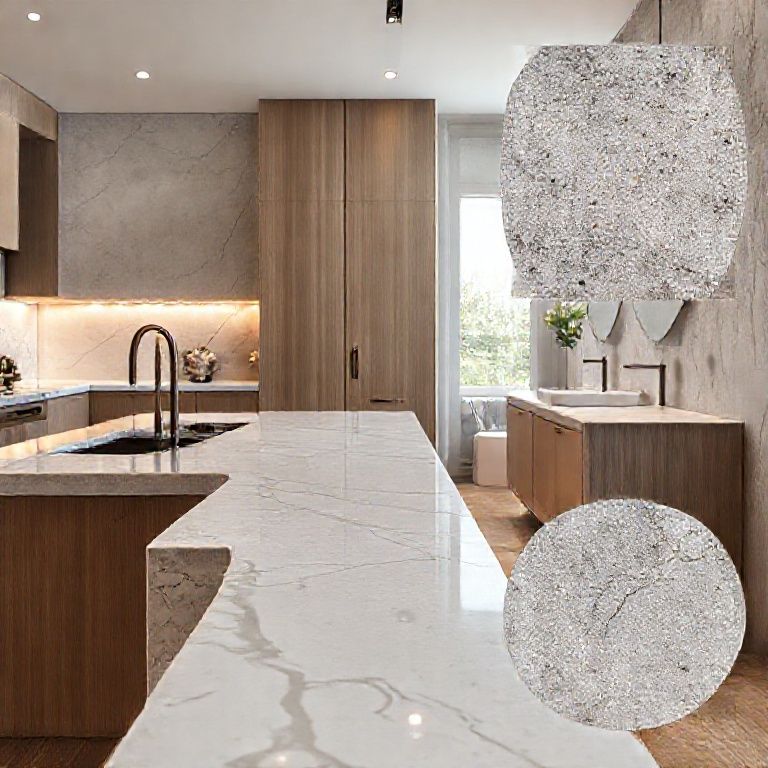
Understanding the Chemistry Behind 84 Disinfectant and Marble
Introduction: Marble, a beloved material for both residential and commercial spaces, is renowned for its timeless elegance and natural beauty. However, when it comes into contact with common household cleaners like 84 disinfectant, the outcome can be far from desirable. This part of the article explores the intricate chemistry behind the interaction between 84 disinfectant and marble, shedding light on how this seemingly innocuous substance can wreak havoc on marble surfaces.
The Composition of 84 Disinfectant: 84 disinfectant, often lauded for its effectiveness against germs and bacteria, is primarily composed of sodium hypochlorite (NaOCl) and other compounds that create a powerful cleaning agent. Sodium hypochlorite is a chlorine-based bleach that acts as a potent disinfectant. While it is effective in killing bacteria, it also poses significant risks when used on marble surfaces.
Marble’s Composition: Marble is a metamorphic rock composed mainly of calcium carbonate (CaCO₃). This material is formed through the intense pressure and heat transformation of limestone over millions of years. Its crystalline structure gives marble its distinctive texture and aesthetic appeal.
The Chemical Reaction: When 84 disinfectant, rich in sodium hypochlorite, comes into contact with marble, a series of chemical reactions occur. Sodium hypochlorite reacts with the calcium carbonate in marble, leading to the formation of calcium hypochlorite (Ca(ClO)₂). This reaction can cause the marble to lose its luster and develop a chalky, discolored appearance. Over time, the repeated use of such disinfectants can lead to significant deterioration of the marble’s surface, resulting in etching, pitting, and a loss of structural integrity.

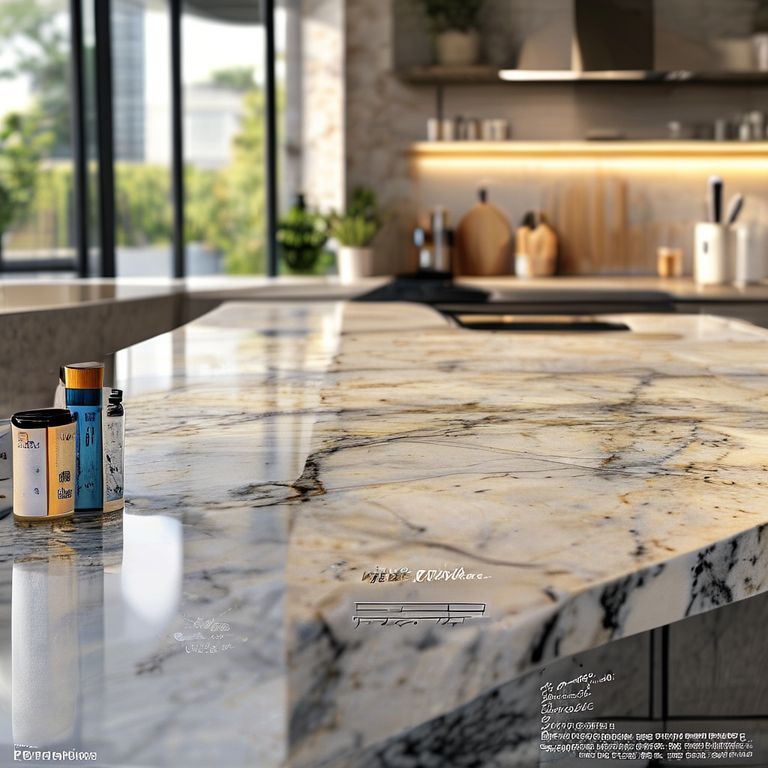
Visible Signs of Damage: One of the most visible signs of 84 disinfectant infiltration into marble is the formation of white, chalky spots. These spots are indicative of the calcium carbonate reacting with the disinfectant, leaving behind a less aesthetically pleasing surface. Additionally, the vibrant sheen of marble can be dulled, giving it an aged and worn appearance. The surface may also become increasingly porous, making it more susceptible to staining and further damage.
Conclusion: Understanding the chemistry behind the interaction of 84 disinfectant with marble is crucial for anyone looking to maintain the beauty and integrity of their marble surfaces. The simple act of disinfecting can, if done improperly, lead to irreversible damage. In the next part of this article, we will explore practical measures to prevent such infiltration and how to properly care for marble to ensure its longevity and splendor.
Protecting Marble from 84 Disinfectant and Ensuring Its Longevity
Introduction: Having explored the chemical interactions between 84 disinfectant and marble, it is now time to turn our attention to the practical steps needed to protect this exquisite material. This part of the article will provide comprehensive guidelines on how to prevent 84 disinfectant infiltration into marble and maintain its pristine condition. From understanding the right cleaning practices to implementing long-term preservation techniques, we will cover all you need to know to safeguard your marble surfaces.

Proper Cleaning Techniques: To protect marble from the damaging effects of 84 disinfectant, it is essential to follow proper cleaning techniques. Here are some key guidelines:
Use pH-Neutral Cleaners: Marble is highly sensitive to acidic and alkaline substances. Opt for pH-neutral cleaners specifically formulated for stone surfaces. These cleaners are designed to clean without altering the chemical composition of the marble.
Avoid Direct Application of Disinfectants: Direct application of 84 disinfectant or any chlorine-based cleaner should be strictly avoided. Instead, use a soft cloth or sponge to apply the cleaner lightly. Avoid soaking the marble surface to prevent the disinfectant from seeping into the porous material.

Rinse Thoroughly: After applying any cleaner, it is crucial to rinse the marble surface thoroughly with clean water. This step removes any residual cleaner that could interact with the marble over time.
Dry the Surface: Pat the marble surface dry with a clean, soft cloth to prevent water spots and further potential chemical reactions. Leaving the surface wet for an extended period can exacerbate the infiltration process.
Preventive Measures: Prevention is always better than cure. Here are some additional measures to protect marble from 84 disinfectant and other potential hazards:
Install Protective Barriers: Use protective barriers such as marble coasters, placemats, and trivets to shield marble surfaces from direct contact with hot liquids, spills, and heavy objects. These barriers help to prevent any potential damage from disinfectants and other chemicals.
Regular Maintenance: Regular maintenance is crucial for preserving the beauty of marble. Clean marble surfaces weekly with a pH-neutral cleaner to remove everyday grime and prevent the buildup of substances that could lead to infiltration.
Immediate Spill Management: In the event of a spill or accidental disinfectant application, act quickly. Wipe the affected area with a damp cloth immediately to minimize the exposure time of the marble to the disinfectant.
Professional Cleaning Services: For those who desire a deeper level of care, professional cleaning services that specialize in marble maintenance can be invaluable. Professionals have access to advanced cleaning tools and products that are specifically designed to clean and protect marble without causing damage.
Long-Term Preservation Techniques: To ensure the longevity of marble surfaces, consider the following long-term preservation techniques:
Sealing the Surface: Periodically, apply a high-quality marble sealant to protect the surface from stains, spills, and chemicals. Sealants form a protective barrier that prevents disinfectants and other substances from penetrating the marble.
Regular Inspections: Conduct regular inspections of marble surfaces to identify any signs of damage or deterioration early. Prompt attention to minor issues can prevent them from becoming more serious problems.
Avoiding Harsh Chemicals: Be mindful of the cleaning products used around marble surfaces. Avoid using harsh chemicals or disinfectants that contain acids, bleaches, or strong alkalines.
Conclusion: Protecting marble from the infiltration of 84 disinfectant and other harmful chemicals requires an understanding of its chemical nature and adherence to proper cleaning and maintenance practices. By following the guidelines outlined in this article, you can ensure that your marble surfaces remain beautiful, enduring, and free from the damaging effects of common household cleaners. In the next part, we will delve into specific case studies and real-life examples of marble care and maintenance to provide further insights and practical tips.
In this captivating exploration, we have journeyed through the chemistry of 84 disinfectant and its impact on marble, and we have provided practical, actionable advice for protecting this timeless material. By understanding and implementing these measures, you can preserve the elegance and integrity of your marble surfaces for years to come.