
The modern landscape of interior design is a testament to innovation, a canvas where functionality meets aesthetic appeal, and where materials play a starring role. Among the most versatile and widely embraced are solid surface and acrylic. While often used interchangeably in casual conversation, these two materials possess distinct characteristics that influence their performance, appearance, and suitability for various applications. Understanding these differences is akin to appreciating the subtle brushstrokes of an artist; it elevates our understanding and empowers us to make informed choices for our living spaces.

At its core, solid surface is a composite material, a meticulously engineered blend of natural minerals, binders, and pigments. The primary component is typically aluminum trihydrate (ATH), derived from bauxite ore, which provides its characteristic durability and fire-retardant properties. This mineral filler is then bound together with acrylic polymers (like polymethyl methacrylate, or PMMA) and polyester resins, forming a homogenous, non-porous slab. The beauty of solid surface lies in its uniformity. Because the color and pattern are present throughout the entire thickness of the material, any scratches or minor damage can often be repaired by sanding and polishing, restoring the surface to its original glory. This seamless repairability is a significant advantage, especially in high-traffic areas like kitchen countertops and bathroom vanities.
Acrylic, on the other hand, often refers more specifically to pure acrylic sheets, primarily made from PMMA. While solid surface contains acrylic as a binder, when we speak of “acrylic” as a distinct material in this context, we’re usually referring to materials where acrylic is the dominant, or even sole, resin component, often in a cast or extruded form. These pure acrylic sheets are known for their exceptional clarity and ability to be molded into complex shapes. They are also incredibly lightweight and impact-resistant. Think of the crystal-clear shower enclosures, the sleek, modern furniture, or even the lenses in your eyeglasses – these often leverage the unique properties of acrylic.
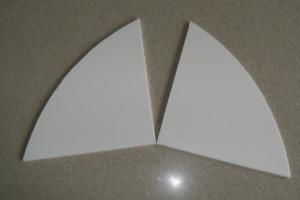
The manufacturing process further distinguishes the two. Solid surface is typically manufactured by pouring a mixture of resins and fillers into molds, which are then cured. This process allows for a wide range of colors, patterns, and even textures to be incorporated, mimicking the look of natural stone, wood, or creating entirely bespoke designs. The non-porous nature is a result of this manufacturing process, meaning it doesn’t absorb liquids, making it inherently hygienic and resistant to staining. This is a crucial factor in kitchens and bathrooms, where spills and moisture are commonplace.
Pure acrylic, in its sheet form, is often produced through casting or extrusion. Casting involves pouring the liquid acrylic monomer between two polished plates to create a sheet of remarkable clarity and optical quality. Extrusion, on the other hand, forces the molten acrylic through a die to create continuous sheets. The final properties of acrylic can be further influenced by additives and manufacturing techniques, allowing for variations in UV resistance, flexibility, and impact strength.
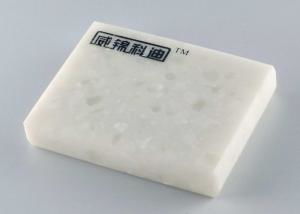
Visually, while both can offer a smooth, sleek appearance, there are subtle differences. Solid surface often has a slightly softer, more matte finish compared to the high-gloss brilliance that pure acrylic can achieve. However, solid surface can also be polished to a high sheen. The patterns within solid surface are engineered to be consistent throughout, giving it a very uniform look. Pure acrylic, especially in its cast form, can exhibit exceptional transparency or can be pigmented to achieve a vast spectrum of colors and opacities. This inherent clarity is something that solid surface, with its mineral fillers, cannot replicate.
The “feel” of the materials can also differ. Solid surface, with its mineral content, often feels denser and cooler to the touch, much like natural stone. Pure acrylic, being a plastic resin, might feel slightly warmer and lighter. These tactile differences, though subtle, contribute to the overall sensory experience of a space.
When it comes to durability, both materials offer excellent performance, but in slightly different ways. Solid surface excels in its resistance to impact and its ability to be seamlessly repaired. Its non-porous nature makes it highly resistant to stains from common household substances like wine, coffee, and grease. However, it can be susceptible to scratching from sharp objects, though, as mentioned, these scratches are typically repairable. High heat can also be a concern for solid surface, and while it has some heat resistance, prolonged exposure to very hot pans can cause damage.
Pure acrylic, particularly cast acrylic, is known for its impressive impact resistance, often outperforming glass in this regard. It’s also remarkably weather-resistant and does not yellow or degrade when exposed to UV light, making it suitable for outdoor applications. However, acrylic is generally softer than solid surface and is more prone to scratching. While it can be polished to remove minor scratches, deep gouges can be more challenging to repair seamlessly compared to solid surface. Like solid surface, acrylic can also be damaged by excessive heat.

The cost factor is also an important consideration. Generally, solid surface falls into a mid-range price point, often more affordable than natural stone but more expensive than laminate. Pure acrylic pricing can vary significantly depending on the thickness, type (cast vs. extruded), and any special finishes or treatments. However, for comparable applications, pure acrylic can sometimes be more cost-effective than solid surface, especially for simpler designs.
In essence, the distinction lies in their composition and manufacturing. Solid surface is a composite engineered for a specific balance of durability, repairability, and aesthetic versatility, with its signature feature being the uniform, non-porous nature throughout its entire depth. Acrylic, in its purer form, emphasizes clarity, moldability, and impact resistance, offering a different set of advantages and a distinct visual and tactile experience.
The divergence between acrylic and solid surface becomes even more pronounced when we delve into their application and installation nuances. Solid surface, due to its homogeneous composition and the presence of mineral fillers, is often fabricated using woodworking tools, albeit with specialized blades designed for composite materials. This makes it relatively easy for fabricators to cut, shape, and join seamlessly. The “seamless” aspect is a hallmark of solid surface installations. When two pieces are joined, the adhesive used is color-matched to the material, and the seam is then sanded and polished to the point where it becomes virtually invisible. This creates a continuous, monolithic appearance, which is highly desirable for countertops, sinks, and backsplashes, as it eliminates grout lines and potential areas where bacteria can accumulate.
The installation of solid surface typically involves templating the desired shape on-site, followed by fabrication in a workshop. The finished pieces are then brought back and adhered to the substrate. Because it’s a relatively dense material, it requires sturdy support, especially for large spans. Integrated sinks are a popular application for solid surface, where the sink basin is molded and seamlessly attached to the countertop, creating a truly unified and easy-to-clean surface. This eliminates the lip found in traditional undermount sinks, which can trap dirt and grime.
Pure acrylic, on the other hand, is often fabricated by cutting sheets with standard woodworking or metalworking tools. Its ability to be heated and thermoformed into intricate curves and shapes opens up a world of design possibilities that are more challenging or impossible with solid surface. This thermoforming process allows for seamless, flowing designs that can be truly sculptural. Think of custom-designed reception desks, artistic wall panels, or even architectural features. Acrylic can also be joined using specialized adhesives that create very strong bonds, though achieving the absolute invisibility of solid surface seams can sometimes be more technically demanding, depending on the specific acrylic and adhesive used.
The installation of acrylic can also be more straightforward in some respects, especially for lighter-weight applications. Its inherent strength and ability to be fabricated into complex forms mean that designers and fabricators have a broader palette of shapes and designs to work with. For instance, creating a curved bar top or a uniquely shaped display case is often more easily achieved with acrylic. When it comes to integrated sinks, while possible with acrylic, they might not always achieve the same seamless, monolithic look as those made from solid surface, unless specifically designed and fabricated with that intention.
When we consider hygienic properties, both materials are non-porous, which is a significant advantage over materials like laminate or unsealed natural stone. This means they do not absorb liquids, preventing the growth of bacteria and mold. This makes them excellent choices for environments where cleanliness is paramount, such as healthcare facilities, laboratories, and of course, kitchens and bathrooms. As mentioned, the seamless nature of solid surface installations further enhances its hygienic credentials by eliminating grout lines and crevices. Pure acrylic, when installed with tight seams and finished appropriately, also offers excellent hygiene.
The range of aesthetic options for each material is vast, but they offer different flavors of design. Solid surface is renowned for its ability to mimic the look of natural materials like granite, marble, and quartz, but without the inherent flaws, porosity, or high maintenance of natural stone. It comes in a spectrum of colors, from subtle neutrals and earthy tones to vibrant hues and intricate patterns that can include veining, flecks, and even translucent effects that allow for backlighting. The ability to create custom colors and patterns for large-scale projects is also a strength of solid surface.
Pure acrylic, with its inherent clarity, offers a unique design dimension. It can be transparent, allowing light to pass through and creating a sense of spaciousness. It can also be opaque in a vast array of colors, often with a brighter, more saturated appearance than solid surface. Special effects like metallic finishes, glitter, or even embedding objects within the acrylic are also possible. The high-gloss finish often associated with acrylic lends itself to contemporary and futuristic designs, adding a touch of sophistication and modern flair. For applications where a crystal-clear or highly reflective surface is desired, acrylic is often the material of choice.
In terms of maintenance, both are relatively low-maintenance. For solid surface, regular cleaning with mild soap and water is usually sufficient. For tougher stains, non-abrasive cleaners can be used. The ability to sand out scratches and imperfections means that solid surface can be rejuvenated over time, extending its lifespan significantly. Pure acrylic also requires gentle cleaning. A soft cloth and mild soap are recommended, as abrasive cleaners or scouring pads can easily scratch the surface. Specialized acrylic cleaners are available that can help maintain its shine and remove minor blemishes. For deeper scratches in acrylic, professional polishing or specialized repair kits might be necessary.
The environmental impact of both materials is a complex topic. Solid surface, particularly those formulations that utilize recycled content and are manufactured with energy-efficient processes, can be considered a more sustainable option. The long lifespan and repairability of solid surface also contribute to its sustainability by reducing the need for frequent replacement. Pure acrylic, being derived from petrochemicals, has a different environmental footprint. However, acrylic is recyclable, and advancements in recycling technologies are making it more feasible to recover and reuse acrylic materials. The durability and longevity of acrylic products also mean they often have a longer service life than some alternative materials, which can offset some of their environmental impact.
Ultimately, the choice between acrylic and solid surface often comes down to a careful consideration of the project’s specific requirements, aesthetic goals, and budget. If the priority is a seamless, highly hygienic surface that can mimic natural stone and is easily repairable, solid surface is an excellent contender. Its ability to be seamlessly integrated with sinks and backsplashes makes it a popular choice for kitchens and bathrooms where a clean, uncluttered look is desired.
If the design calls for exceptional clarity, complex curves, lightweight construction, or a high-gloss, modern aesthetic, then pure acrylic might be the more suitable option. Its ability to be thermoformed into unique shapes opens up creative possibilities for furniture, architectural elements, and decorative features. For applications where extreme impact resistance is a key requirement, such as in public spaces or display cases, acrylic also shines.
In summary, while both acrylic and solid surface are advanced materials that have revolutionized interior design, they are not interchangeable. Solid surface offers a robust, repairable, and seamlessly integrated solution, often with the appearance of natural stone. Pure acrylic provides unparalleled clarity, moldability, and a distinct modern appeal. By understanding their individual strengths and characteristics, designers and homeowners can harness the full potential of these remarkable materials to create spaces that are not only beautiful and functional but also enduring. The nuanced differences between them are the secret ingredients that allow for such a diverse and sophisticated range of applications in our built environment.









