
The allure of quartzite countertops is undeniable. With their mesmerizing patterns, remarkable durability, and heat resistance, they bring a touch of natural elegance and practicality to any kitchen. However, the very nature of natural stone, even one as robust as quartzite, means that it’s not entirely impervious to the occasional culinary mishap. While quartzite is denser and less porous than its marble cousin, it can still absorb liquids, leading to those dreaded infiltrated stains that seem to sink deep into the stone, mocking your every cleaning attempt. These aren’t just surface blemishes; they’re a testament to something seeping into the very fabric of your beautiful countertop.

The common culprits behind these insidious stains are often the usual suspects in any kitchen: red wine that spills during a festive gathering, tomato sauce that splatters from a simmering pot, coffee or tea left to linger, or even cooking oils that find their way where they shouldn’t. The challenge with infiltrated stains is that they don’t just sit on top; they penetrate the microscopic pores of the quartzite, becoming deeply embedded and resistant to standard wiping and scrubbing. This is where the nuance of quartzite care comes into play. It’s not about brute force; it’s about understanding the material and employing the right strategy.
Before we dive headfirst into the arsenal of stain-removal techniques, it’s paramount to establish a baseline of understanding about your quartzite. Not all quartzite is created equal, and some may have been sealed during installation, which offers a protective layer against immediate absorption. However, even sealed quartzite can eventually be compromised, especially with repeated exposure to staining agents. The first, and arguably most crucial, step in tackling any infiltrated stain is to act swiftly. The longer a stain has to seep into the stone, the more challenging it will be to remove. So, if you’ve just had a spill, blot it up immediately with a clean, absorbent cloth. Don’t rub, as this can spread the stain and push it deeper.

Now, let’s talk about the initial approach for a stain that has already had a chance to set. For fresh, mild stains, a simple solution of warm water and a pH-neutral dish soap can often do the trick. This gentle approach is kind to the stone and can lift many everyday spills. Mix a few drops of mild dish soap into a bucket of warm water. Dip a soft cloth into the solution, wring it out thoroughly, and then gently wipe the stained area. Follow up with a clean, damp cloth to rinse away any soap residue, and then dry the area completely with a soft, lint-free towel. This basic cleaning regimen is the first line of defense and should be your go-to for regular maintenance and minor incidents.
However, when the stain has already penetrated, this gentle approach might not be enough. This is where we escalate our efforts, but still with a mindful approach to preserving the integrity of your quartzite. For more persistent stains, especially oil-based ones like those from cooking oil or grease, a poultice is often the most effective solution. A poultice is essentially a paste made from an absorbent material and a cleaning agent. The absorbent material draws the stain out of the stone as it dries. Common absorbent materials include baking soda, talc, or diatomaceous earth. The choice of cleaning agent will depend on the type of stain.

For oil-based stains, the classic combination is baking soda and water. Mix baking soda with just enough water to create a thick, spreadable paste, similar in consistency to peanut butter. Apply this paste generously over the stained area, ensuring it’s completely covered. Then, cover the poultice with plastic wrap and tape down the edges to create a seal. This seal prevents the poultice from drying out too quickly, allowing it to work its magic over an extended period. Leave the poultice in place for at least 24 to 48 hours. Once the time has elapsed, carefully remove the plastic wrap and allow the poultice to dry completely. As it dries, it will absorb the stain from the quartzite.
After the poultice has thoroughly dried, gently scrape it away with a plastic putty knife or spatula. Be careful not to scratch the surface of the quartzite. Rinse the area with a clean, damp cloth and then dry it thoroughly. You may need to repeat this process multiple times for deeply set oil stains. Patience is key here; sometimes, a stubborn stain requires several applications of the poultice to be fully eradicated. It’s a testament to the saying that good things come to those who wait, especially when it comes to restoring the beauty of your countertops.

When dealing with organic stains, such as those from wine, coffee, or tea, a slightly different cleaning agent might be more effective within your poultice. Hydrogen peroxide is often recommended for organic stains. Mix baking soda with 3% hydrogen peroxide to form a paste. Apply it as described above, cover with plastic wrap, and allow it to work its magic for 24 to 48 hours. Again, ensure the poultice dries completely before scraping and rinsing. Hydrogen peroxide has a mild bleaching effect that can help break down and lift these types of colored stains from the stone.
It’s important to always test any cleaning solution or poultice on an inconspicuous area of your countertop first. This could be a corner that’s rarely seen or the underside of an overhang. This preliminary test ensures that the cleaning agent won’t discolor or damage your quartzite. While quartzite is generally resilient, it’s always better to be safe than sorry, especially when dealing with natural stone that has unique characteristics.
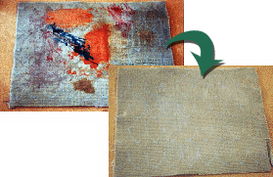
In this initial exploration, we’ve laid the groundwork for understanding infiltrated stains on quartzite and introduced some fundamental, yet effective, DIY approaches. We’ve emphasized the importance of swift action, gentle cleaning for everyday issues, and the power of the poultice for more stubborn, embedded marks. The next part will delve deeper into more advanced techniques, specific stain types, and preventative measures to keep your quartzite looking as stunning as the day it was installed. We’ll also touch upon when it might be time to call in the professionals.
Continuing our journey into the heart of quartzite stain removal, we’ve armed ourselves with the basics: prompt action, gentle soap and water for minor spills, and the versatile poultice using baking soda for oil-based and hydrogen peroxide for organic stains. But what about those particularly stubborn marks, the ones that seem to have waged war on your countertops and are refusing to surrender? Or perhaps you’re dealing with a stain type we haven’t explicitly covered. This is where we refine our strategies and explore some more specialized solutions.
For stains that resist the baking soda and hydrogen peroxide poultices, consider alternatives. For rust stains, which can sometimes appear if metal objects are left on the surface, a commercial rust remover specifically designed for natural stone can be effective. These often contain stronger chemicals, so always follow the product instructions precisely and ensure good ventilation. A poultice using a commercial rust remover is also an option, but again, test in an inconspicuous area first. Some DIY enthusiasts have reported success with a poultice made from talcum powder and a commercial rust stain remover.
Metal polish, surprisingly, can also be a solution for rust stains. Apply a small amount of metal polish to a soft cloth and gently rub the rust spot. Follow immediately with a thorough rinse and drying. The abrasives in the metal polish can help lift the rust, while the chemicals work to break it down.
What about ink stains? If a pen has leaked or a permanent marker has left its mark, act quickly. For fresh ink, rubbing alcohol can sometimes lift it. Apply a small amount to a cotton ball and dab at the stain. Blot with a clean cloth afterward. For older or more stubborn ink stains, a poultice made with mineral spirits or acetone might be necessary. Be extremely cautious with acetone, as it can potentially damage sealants and even some finishes on natural stone. Always test it first and use it sparingly in a well-ventilated area.
Another challenging category can be water spots or hard water deposits. While not technically a “stain” in the sense of discoloration, they can etch the surface and leave dull marks. For these, a very mild acidic cleaner, like diluted white vinegar (use sparingly and rinse immediately), or a specialized hard water remover for stone can be employed. Again, the key is to use the least aggressive method first and to rinse thoroughly to prevent any etching or damage to the sealant.
When contemplating DIY solutions, it’s also worth considering the general state of your quartzite. Has it been sealed? If your quartzite has never been sealed, or if the sealant has worn off over time, it will be much more susceptible to staining. Sealing your quartzite is a crucial preventative measure. Typically, sealers need to be applied every one to two years, depending on usage and the specific product. A good sealant will repel liquids, giving you more time to wipe them up before they have a chance to penetrate. You can test if your quartzite needs sealing by splashing a bit of water on it. If the water beads up, the sealant is likely still effective. If it soaks into the stone, it’s time to reseal.
Choosing the right sealant is important. Look for impregnating sealers specifically designed for natural stone. They penetrate the pores of the stone, providing protection without altering the appearance. Application usually involves cleaning the surface thoroughly, applying the sealant evenly with a cloth or applicator, allowing it to penetrate, and then wiping off any excess.
However, there comes a point where DIY efforts might not yield the desired results, or you might feel hesitant to employ stronger chemicals or methods on your prized countertops. This is when seeking professional help becomes a wise decision. Professional stone restoration companies have access to specialized equipment, more potent cleaning agents, and the expertise to identify the exact nature of the stain and the best course of action. They can often remove stains that homeowners struggle with, and they can also re-polish or re-seal your countertops, restoring them to their original glory.
When considering professional cleaning, inquire about their experience with quartzite specifically. They should be able to discuss their methods and the products they use. It’s also a good idea to get a quote beforehand and to understand what is included in the service.
Prevention, as always, is better than cure. Developing good habits in the kitchen can significantly reduce the likelihood of stained quartzite.
Wipe Spills Immediately: This is the golden rule. Keep a microfiber cloth handy and wipe up any spills the moment they happen. Use Coasters and Trivets: Protect your countertops from hot pots and pans, as well as condensation rings from glasses. Cutting Boards are Your Friend: Avoid cutting directly on your quartzite, even though it’s durable. Knives can scratch the surface, and juices from food can stain. Clean Regularly with the Right Products: Stick to pH-neutral cleaners for daily cleaning. Avoid harsh chemicals, abrasive sponges, and acidic cleaners. Consider a Sealant: As mentioned, ensure your quartzite is properly sealed and reapply as needed.
In essence, tackling infiltrated stains on quartzite is a blend of understanding the material, acting promptly, employing the right techniques for the specific stain, and prioritizing preventative care. While some stains can be daunting, with the right approach and a touch of patience, you can preserve the magnificent beauty of your quartzite countertops for years to come. Remember, your kitchen is a space for creativity and enjoyment, and with proper care, your countertops will remain a stunning backdrop to all your culinary adventures.









