
The Unseen Strength: Is 1.5cm Quartz Stone the Unsung Hero of Your Countertop Dreams?
In the dazzling world of kitchen and bathroom renovations, where aesthetics often take center stage, the question of material thickness can feel like a footnote. We pore over endless slabs of quartz, mesmerized by veining, color palettes, and finishes, envisioning the heart of our homes reimagined. Yet, beneath the surface of this visual feast lies a fundamental aspect that can profoundly impact the longevity and performance of your chosen surfaces: thickness. Specifically, the query “石英石1.5公分厚度可以吗” – essentially, “Is 1.5cm thick quartz stone okay?” – hints at a growing consideration among discerning homeowners and designers. This isn’t just about aesthetics; it’s about engineering, practicality, and the quiet confidence that comes from making an informed choice.
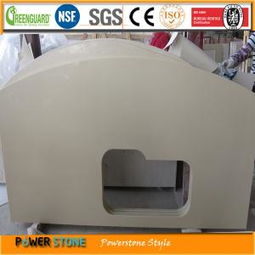
For years, the industry standard for quartz countertops has often leaned towards a more robust 2cm (or even 3cm, which translates to roughly ¾ inch or 1 ¼ inch respectively). This thicker profile has long been associated with superior strength, a certain heft that reassures users of its durability, and a more substantial visual presence. However, as technology advances and fabrication techniques evolve, materials are being engineered to achieve remarkable strength and resilience even at reduced thicknesses. The 1.5cm (approximately ⅝ inch) quartz stone is emerging as a compelling contender, challenging the long-held assumptions about what constitutes an adequate countertop.
The very essence of quartz countertops lies in their composition. Unlike natural stone, which is quarried, quartz surfaces are engineered products. They are typically made from about 90-95% crushed natural quartz, bound together with polymer resins and pigments. This manufacturing process allows for incredible control over the material’s properties, including its strength and density. The crushing and bonding process creates a non-porous, highly durable surface that is resistant to stains, scratches, and heat. When we consider the 1.5cm thickness, we’re essentially asking if this engineered marvel can maintain its integrity and performance when presented in a more slender form.
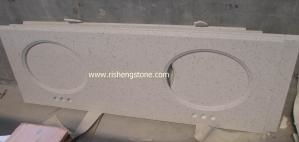
The answer, remarkably, is often yes, but with important caveats and considerations. The performance of 1.5cm quartz is not solely dependent on its thickness but also on the quality of the manufacturing process, the specific resin blend used, and the structural integrity of the underlying support system. Reputable manufacturers invest heavily in R









