
The allure of artificial stone is undeniable. Its consistent beauty, durability, and a kaleidoscope of design options have made it a go-to material for everything from sleek kitchen countertops and sophisticated bathroom vanities to statement flooring and modern wall cladding. But beneath the flawless finish and the impressive performance lies a complex narrative, a story woven from the prices of its fundamental raw materials. Understanding “人造石原材料价格” – the price of artificial stone raw materials – isn’t just an academic exercise for manufacturers; it’s the bedrock upon which the entire industry’s economic viability is built.
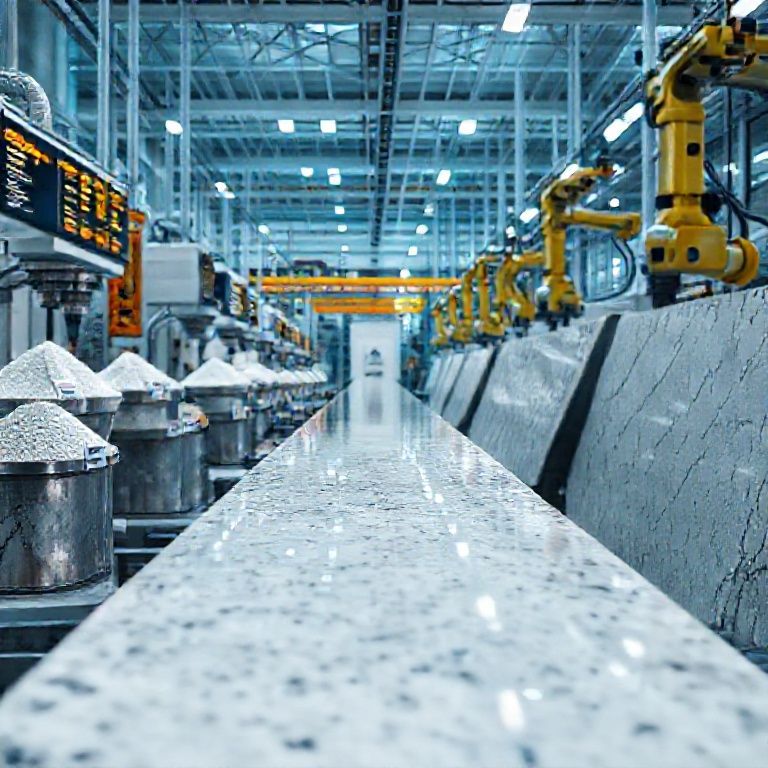
At its core, artificial stone, particularly engineered quartz and solid surface, is a composite material. Its strength and appearance are a carefully orchestrated blend of inorganic fillers and organic binders. The most significant contributors to the raw material cost, and consequently the final product price, are typically resins and fillers. For engineered quartz, the dominant filler is quartz aggregate, often making up over 90% of the material. This crystalline silica, painstakingly quarried and processed, is the backbone of its legendary hardness and resistance to scratching and heat. The price of this quartz aggregate is intrinsically linked to the quality, size, and consistency of the particles, as well as the energy-intensive crushing and sieving processes required to achieve the desired granulometry. Beyond the sheer volume, the purity of the quartz is also a critical factor. Impurities can affect the final color and performance, necessitating either more rigorous purification or the use of lower-grade, less expensive (and potentially problematic) materials.
The other crucial component in engineered quartz is the resin binder. Typically, this is a thermosetting polymer, most commonly unsaturated polyester resin or, increasingly, epoxy resin. These resins bind the quartz particles together, giving the slab its structural integrity and allowing it to be molded into various shapes. The price of these resins fluctuates with the global petrochemical market. Crude oil prices, geopolitical stability, and the intricate supply chains of chemical manufacturers all play a role in determining the cost of the monomers and additives that go into producing these binders. The specific type of resin used also matters; higher-performance resins offering enhanced UV resistance, flexibility, or faster curing times will naturally command a higher price. The manufacturing process itself, including polymerization, requires significant energy and specialized equipment, further contributing to the resin’s cost.
Beyond quartz and resin, pigments are essential for achieving the vast spectrum of colors and patterns that artificial stone offers. From subtle marbling to bold, vibrant hues, these colorants are carefully selected for their stability, lightfastness, and compatibility with the resin system. The cost of pigments can vary dramatically based on their chemical composition. Inorganic pigments, often derived from metal oxides, can be quite stable but may be more expensive. Organic pigments can offer brighter colors but might be less durable under UV exposure. The complexity of the pattern also influences pigment usage; intricate veining or multi-colored designs require more precise application and potentially a greater variety of pigments, driving up costs.
For solid surface materials, the filler composition shifts, though the underlying principles of cost remain similar. While quartz may still be present, acrylic polymers or mineral fillers like aluminum hydroxide (ATH) become more prominent. Aluminum hydroxide, a white powder derived from bauxite ore, is a widely used filler that contributes to the material’s opacity, hardness, and fire-retardant properties. Its price is influenced by the mining and refining of bauxite, as well as the chemical processes needed to produce pure ATH. The particle size and distribution of ATH are also critical for achieving a smooth, homogenous surface and can impact processing efficiency. The resin binder in solid surfaces is often a methyl methacrylate (MMA) or acrylic resin, again linking its price to the petrochemical industry.
The journey of these raw materials from their extraction to their incorporation into the final artificial stone slab is a global one. Bauxite is mined in Australia, Brazil, and Guinea; quartz is abundant in Brazil, the United States, and China; petrochemical feedstocks for resins originate from oil-producing nations. This global sourcing introduces a layer of complexity to price determination. Transportation costs, including shipping and logistics, become significant factors. Fluctuations in fuel prices, container availability, and port congestion can all impact the landed cost of these raw materials. Furthermore, tariffs, trade agreements, and political stability in sourcing regions can create unforeseen price volatilities. Manufacturers often maintain multiple sourcing strategies to mitigate these risks, but the underlying global dynamics are inescapable.
Consider the impact of environmental regulations. The mining of raw materials, the chemical synthesis of resins, and the processing of fillers all have environmental footprints. Increasingly stringent regulations regarding emissions, waste disposal, and water usage can add to the operational costs of raw material suppliers. These costs are inevitably passed down the supply chain, influencing the price of the finished artificial stone. Manufacturers who adopt more sustainable practices or source materials from environmentally responsible suppliers may find their raw material costs reflecting these investments. Conversely, suppliers operating in regions with lax regulations might offer lower prices, but this can come with its own set of ethical and long-term environmental considerations. Ultimately, the price of artificial stone raw materials is not a static number; it’s a dynamic reflection of geological availability, global economic forces, chemical engineering, transportation networks, and evolving environmental landscapes.
Delving deeper into the “人造石原材料价格,” we discover that the journey from raw extraction to a finished slab is far from a simple transaction. It’s a sophisticated interplay of manufacturing processes, technological advancements, and market forces that dictate the final cost. The quality and consistency of the raw materials are paramount, and achieving them often involves significant investment in processing and quality control. For instance, the quartz aggregate used in engineered quartz isn’t just any crushed rock. It needs to be meticulously sorted, screened, and sometimes even treated to ensure a specific particle size distribution and purity. Inconsistent particle sizes can lead to voids in the final slab, compromising its strength and aesthetic appeal. Similarly, the resins need to be formulated with precise chemical compositions to achieve the desired curing properties, hardness, and resistance to degradation.
The manufacturing processes themselves are energy-intensive and capital-heavy. In engineered quartz production, the raw materials are mixed, then vibrated and compacted under vacuum to eliminate air bubbles and create a dense, homogenous slab. This process, often referred to as Vibro-Compaction, requires specialized machinery and significant electrical power. The slabs are then cured, typically in ovens, to solidify the resin. The energy required for heating, vacuum generation, and vibration directly translates into production costs, and by extension, influences the price of the raw materials used. Similarly, solid surface manufacturing involves mixing resins with fillers and pigments, then casting or thermoforming them into sheets or shapes. The curing process and finishing techniques, such as polishing, add further layers of cost.
Technological innovation plays a dual role in shaping raw material prices. On one hand, advancements in extraction and processing technologies can lead to greater efficiency, potentially lowering costs. For example, improved mining techniques can reduce waste and increase yield from ore bodies. More efficient chemical synthesis routes for resins can decrease energy consumption and raw material input. On the other hand, the development of new and improved artificial stone products often necessitates the use of novel or specialized raw materials, which can initially be more expensive. For instance, the development of new pigment technologies for achieving deeper blacks or more vibrant reds, or the creation of resins with enhanced UV resistance for outdoor applications, may come with a premium price tag due to the research and development investment and potentially lower initial production volumes.
The competitive landscape of raw material suppliers also exerts a significant influence on pricing. In regions with a high concentration of raw material producers, competition can drive prices down. Conversely, in areas where resources are scarcer or controlled by a few dominant players, prices may be higher. Manufacturers often engage in strategic sourcing, building long-term relationships with trusted suppliers who can guarantee consistent quality and reliable delivery. These relationships can sometimes lead to more favorable pricing through bulk purchase agreements or long-term contracts, offering a degree of price stability against market volatility. However, the underlying commodity prices and global supply-demand dynamics will always exert their influence.
Market trends and consumer demand are powerful drivers that indirectly impact “人造石原材料价格.” As artificial stone gains popularity and its applications expand, the demand for its constituent raw materials increases. This heightened demand, if not met by a corresponding increase in supply, can lead to price escalations. For instance, a surge in home renovation projects, particularly in key markets like North America and Europe, can create a ripple effect, increasing the demand for quartz aggregate and resins. Manufacturers of artificial stone, facing higher raw material costs, will inevitably pass these increases on to consumers. Conversely, a downturn in the construction or renovation sectors can lead to reduced demand for artificial stone, which can, in turn, soften the demand for raw materials and potentially lead to price decreases, although this is often a slower adjustment.
The concept of “value-added” is also pertinent. While the price of basic raw materials like crude silica or petrochemicals can be measured in commodity markets, the cost of processing them into specific grades of aggregate, high-purity resins, or specialized pigments represents a significant increase in value. Manufacturers of these intermediate products invest heavily in research, development, and specialized equipment. The pricing of these processed materials reflects not just the cost of the base commodity but also the intellectual property, technical expertise, and manufacturing precision involved. For example, the price difference between raw bauxite and refined aluminum hydroxide suitable for use in artificial stone can be substantial, reflecting the energy and chemical processes required.
Furthermore, inventory management and speculation within the supply chain can influence prices. Suppliers who anticipate future demand increases may strategically hold back inventory, leading to temporary price spikes. Conversely, an oversupply can lead to price reductions as suppliers seek to offload stock. The financial markets, with their commodity futures and trading, can also introduce an element of speculative pricing, although the physical supply and demand remain the primary determinants for industrial raw materials.
In conclusion, understanding the “人造石原材料价格” is akin to appreciating the intricate workings of a complex ecosystem. It’s a narrative that encompasses geological realities, the volatile world of petrochemicals, the ingenuity of chemical engineering, the efficiencies of manufacturing processes, the dynamics of global trade, and the ever-present influence of market demand. For consumers, this understanding translates into an appreciation for the true value embedded in every beautiful, durable slab of artificial stone – a value derived not just from its aesthetic appeal but from the global symphony of raw materials and human endeavor that brings it to life.









