
The allure of natural stone is undeniable. It whispers tales of geological time, of ancient pressures and volcanic artistry, culminating in surfaces that are both beautiful and enduring. From the rich veining of marble to the speckled robustness of granite, stone offers a tactile and visual richness that man-made materials often struggle to replicate. When we envision a kitchen countertop, a bathroom vanity, or even a striking accent wall clad in stone, we often focus on the aesthetic – the color, the pattern, the finish. But there’s another, equally significant, consideration that often lurks in the background, influencing everything from installation to structural integrity: weight. Specifically, the weight of a 2.5cm (or approximately 1-inch) thick slab of stone.

This seemingly simple measurement, 2.5cm, is a popular choice for many applications. It strikes a balance between substantiality and manageability. Thicker slabs, while offering a more monumental presence, can become prohibitively heavy and expensive. Thinner slabs, while lighter and more budget-friendly, might lack the perceived solidity or durability desired for certain uses. So, why is understanding the weight of these 2.5cm slabs so important? It’s not just an academic curiosity for geologists or engineers; it’s a practical necessity for homeowners, architects, builders, and designers.
Imagine the logistics of transporting a massive slab of stone from the quarry to your home, then carefully maneuvering it into place within your kitchen. The weight directly impacts the cost of shipping, the type of lifting equipment required, and the labor involved. On a larger scale, the cumulative weight of stone flooring or cladding can have significant implications for the structural load-bearing capacity of a building. Floors need to be able to support the weight without undue stress, and walls might require reinforcement. Even the cabinetry beneath your countertops needs to be robust enough to bear the load.
But here’s where things get fascinatingly complex: “stone” isn’t a monolithic entity. It’s an umbrella term encompassing a vast array of natural materials, each with its own unique composition and, consequently, its own unique density. This density is the key determinant of how much a given volume of stone will weigh. Think of it like comparing a kilogram of feathers to a kilogram of lead. Both weigh the same, but the lead occupies a much smaller volume. Similarly, different types of stone, even when cut to the exact same 2.5cm thickness, will have vastly different weights per square meter.
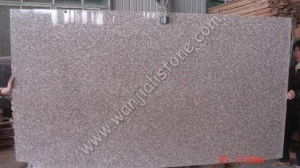
Let’s dive into some of the usual suspects. Granite, celebrated for its durability and resistance to heat and stains, is a popular choice for kitchens. A typical granite slab of 2.5cm thickness will weigh, on average, around 60-75 kilograms per square meter (approximately 12-15 pounds per square foot). This is a substantial heft, reflecting the dense crystalline structure formed during its igneous origins. The exact weight within this range will depend on the specific mineral composition of the granite. For instance, granites with a higher quartz content might be slightly denser than those with more feldspar.
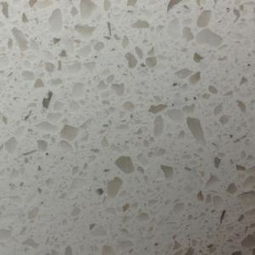
Marble, often associated with luxury and elegance, is another favorite, particularly for bathrooms and statement pieces. While visually stunning, marble is generally less dense than granite. A 2.5cm marble slab typically weighs in the range of 50-65 kilograms per square meter (approximately 10-13 pounds per square foot). This lower density is partly due to its metamorphic origins and its crystalline structure, which can be more porous in some varieties. The more intricate the veining and the more varied the mineral inclusions, the more the density can fluctuate.
Then we have materials like quartzite, which, despite its name, is often a metamorphic rock formed from sandstone and is significantly harder and denser than marble, and often denser than granite. A 2.5cm quartzite slab can easily weigh between 65-80 kilograms per square meter (approximately 13-16 pounds per square foot), sometimes even more. Its strength and durability often translate to a greater heft.
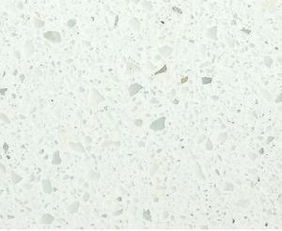
Engineered stone, commonly known as quartz countertops, offers a different paradigm. While not natural in the same sense as granite or marble, these slabs are engineered using a high percentage of natural quartz crystals (often over 90%) bound together with resins and polymers. This process allows for precise control over density and consistency. A 2.5cm quartz slab typically weighs around 60-70 kilograms per square meter (approximately 12-14 pounds per square foot), often falling within a tighter, more predictable range than its natural counterparts. The binding agents contribute to its weight and also its remarkable uniformity.
Beyond these common choices, there are other natural stones that present their own weight profiles. Travertine, with its characteristic pitted surface and earthy tones, is generally lighter, often weighing around 45-60 kilograms per square meter (approximately 9-12 pounds per square foot) for a 2.5cm slab. This is due to its sedimentary formation, where layers of calcium carbonate are deposited, often creating air pockets or voids that reduce its overall density.

Limestone, another sedimentary rock, also tends to be on the lighter side, with weights similar to travertine, perhaps 40-55 kilograms per square meter (approximately 8-11 pounds per square foot) for a 2.5cm slab. Its porosity can vary significantly, impacting its density and thus its weight.
Even within the same type of stone, variations exist. Consider a particular variety of granite, say, “Black Galaxy.” Its appearance, characterized by small, reflective flecks, suggests a certain mineral composition. Another granite, “Imperial White,” with its bolder patterns and varied mineral inclusions, will likely have a subtly different density. This means that two slabs of granite, both 2.5cm thick and both measuring one square meter, might not weigh precisely the same. Factors like the specific quarry, the geological conditions under which the stone formed, and even subtle differences in the polishing process can contribute to these variations.
This is why, when you’re specifying stone for a project, it’s always best to get precise figures from your supplier for the specific material you’ve chosen. They can often provide the exact weight per square meter or per square foot for their slabs. This information is invaluable for planning. For a large-scale renovation, knowing the total weight of stone needed can help in ordering appropriate lifting equipment for installation. For new construction, it’s crucial for engineers to calculate the floor and wall loads accurately.
The thickness of 2.5cm is a good starting point, but it’s the material’s inherent density that truly dictates the final heft. So, the next time you admire a beautiful stone surface, take a moment to appreciate not just its visual appeal, but also the unseen weight and the geological story it carries within its very substance. It’s a testament to the power of nature, meticulously shaped and brought into our homes.
Continuing our exploration into the weight of 2.5cm stone slabs, we’ve established that “stone” is a diverse category, and its density is the primary driver of its weight. This understanding is not merely theoretical; it has tangible, practical implications that ripple through every stage of a building or renovation project. From the initial design concept to the final polish, the weight of the chosen material plays a crucial role.
Let’s delve deeper into how these weight considerations translate into real-world scenarios. For architects and structural engineers, understanding the load-bearing capacity of a building is paramount. When designing a new structure, they meticulously calculate the maximum weight that floors, beams, and foundations can safely support. If a design incorporates extensive use of heavy stone, such as granite or dense quartzite for flooring and wall cladding on multiple levels, these loads must be factored in. Failure to do so could lead to structural issues, ranging from sagging floors to more serious compromises in the building’s integrity. This is where the precise weight data for a 2.5cm slab becomes indispensable. A difference of even a few kilograms per square meter, when multiplied across hundreds or thousands of square meters, can significantly alter the overall structural load.
For homeowners undertaking renovations, the practical implications are often more immediate. Imagine replacing an old laminate countertop with a new 2.5cm granite slab. The granite will be considerably heavier. This means the existing cabinetry might need reinforcement, or even replacement, to ensure it can adequately support the new weight without bowing or collapsing over time. Similarly, if you’re considering stone flooring for an upper level of your home, you’ll want to consult with a builder or structural engineer to confirm that the existing floor joists can handle the additional load. This is especially important in older homes where building codes and materials might differ from modern standards. The weight of the stone is a factor that cannot be overlooked in ensuring the long-term safety and stability of your home.
The logistics of transportation and installation are also heavily influenced by weight. Natural stone, especially in larger slabs, requires specialized handling. Transporting these heavy materials from the supplier to the job site often necessitates reinforced vehicles, professional movers, and sometimes even cranes or other heavy lifting equipment. This adds to the overall cost of the project. For a 2.5cm slab, while not as extreme as thicker slabs, the weight is still significant enough to warrant careful planning. Professional installers are trained to handle these materials safely, using appropriate tools and techniques to prevent damage to the stone, the property, and themselves. The cost of installation will often reflect the labor intensity and the need for specialized equipment, both of which are directly tied to the weight of the stone.
Consider the process of fabricating the stone. Slabs are cut, polished, and shaped to fit specific dimensions. Heavier, denser stones can be more challenging to cut precisely and may require specialized diamond-tipped blades and advanced machinery. While the 2.5cm thickness is consistent, the inherent hardness and density of the material influence the fabrication process and the time it takes. A harder, denser stone might require slower cutting speeds or more passes, impacting fabrication costs.
Let’s revisit the concept of density. It’s not just about the type of rock but also its mineral composition. For instance, granite, primarily composed of quartz, feldspar, and mica, will have a specific density. However, slight variations in the proportions of these minerals, or the presence of other trace elements, can alter that density. Quartzite, being metamorphosed sandstone, is predominantly quartz, making it one of the denser and harder options. Marble, formed from recrystallized carbonate minerals (most commonly calcite), tends to be less dense and softer than granite or quartzite.
The porosity of a stone also plays a role in its overall weight and its practical performance. While density refers to the mass per unit volume of the solid material, porosity refers to the presence of voids or pores within that material. A stone with high porosity might have a lower apparent density because those air-filled pores contribute to the overall volume without adding significant weight. However, higher porosity often means the stone is more susceptible to staining and requires more diligent sealing. Travertine and some limestones, for example, are known for their characteristic pits and voids, which contribute to their lighter weight but also their increased porosity.
The finish of the stone can also have a minor impact on its weight. A polished finish, while not significantly altering the bulk density, can add a very thin layer of material and might be marginally heavier than a honed or leathered finish on the same slab. However, this effect is generally negligible compared to the variations in density between different stone types.
When sourcing stone, especially for large projects, it’s always advisable to request a sample of the exact material you intend to use. This allows you to not only appreciate the color and pattern but also to get a feel for its heft. While subjective, handling a sample can provide a preliminary indication of its density. More importantly, always ask your supplier for the specific weight per square meter or square foot for the exact slabs you are considering. Reputable suppliers will have this information readily available, often listed on their product datasheets or obtainable upon request. This data is crucial for accurate planning, budgeting, and ensuring the structural integrity of your project.
In essence, the 2.5cm stone slab is a beautiful and popular choice, but its elegance is underpinned by substance. Understanding its weight, which is dictated by its geological origins and mineral composition, is a critical step in any design or construction endeavor. It’s a factor that influences everything from transportation costs and installation methods to the structural performance of your home or building. So, when you’re captivated by the visual appeal of stone, remember to also consider its unseen weight – a fundamental characteristic that speaks volumes about its nature and demands respect in its application.









