
In the grand tapestry of home and commercial design, certain materials emerge not with a shout, but with a quiet confidence, gradually weaving themselves into the very fabric of our lived spaces. DuPont Corian is one such material. For decades, it has been the silent, yet strong, partner to countless kitchens, bathrooms, and architectural marvels, offering a blend of beauty, durability, and sheer ingenuity that continues to captivate designers and homeowners alike. The question, “DuPont Corian, how is it?” is a gateway to understanding a material that has profoundly influenced the way we perceive and interact with our built environments. It’s not just a surface; it’s a canvas for creativity, a guardian of hygiene, and a testament to innovative material science.

The story of Corian is intrinsically linked to the relentless pursuit of innovation that defined DuPont in the mid-20th century. Born from the company’s extensive research into polymers, Corian was first introduced to the world in 1967. It was a revolutionary concept: a solid, homogeneous material composed primarily of acrylic polymer and alumina trihydrate (ATH). This unique composition offered a departure from traditional materials like laminate, granite, or marble. Unlike these, Corian could be thermoformed, meaning it could be heated and shaped into curves and complex forms, opening up a world of design possibilities that were previously unattainable or prohibitively expensive. Furthermore, its non-porous nature was a game-changer. This inherent property meant that liquids, stains, and bacteria couldn’t penetrate the surface, making it exceptionally hygienic and easy to maintain – a critical advantage in both domestic and high-traffic commercial settings.
The initial reception of Corian was met with a mixture of intrigue and skepticism. Could this engineered material truly rival the natural beauty and perceived permanence of stone? The answer, as history has shown, was a resounding yes. Designers and architects quickly recognized the potential of Corian to overcome the limitations of existing materials. Its ability to be fabricated seamlessly, with joints virtually invisible, meant that large surfaces could be created without the unsightly seams that often plagued laminate or even some stone installations. This monolithic appearance lent an air of sophistication and cleanliness, particularly appealing for modern design aesthetics.
One of Corian’s most compelling attributes lies in its sheer versatility. Its color palette, initially limited, has since exploded into a breathtaking spectrum of options, ranging from crisp whites and subtle neutrals to vibrant hues and intricate patterns that mimic natural stones like marble and granite. This allows designers to achieve a specific look and feel for any project, whether it’s a minimalist kitchen seeking a clean, uninterrupted flow or a hospitality setting aiming for a bold, statement-making aesthetic. Beyond its aesthetic range, Corian’s physical properties are equally impressive. It’s incredibly durable, resisting chips and cracks with a resilience that surprises many. While not entirely impervious to scratches (a common misconception), minor abrasions can often be buffed out or repaired by trained professionals, restoring the surface to its original glory. This repairability is a significant advantage over materials like quartz, where chips can be permanent, or laminate, which often needs complete replacement if damaged.
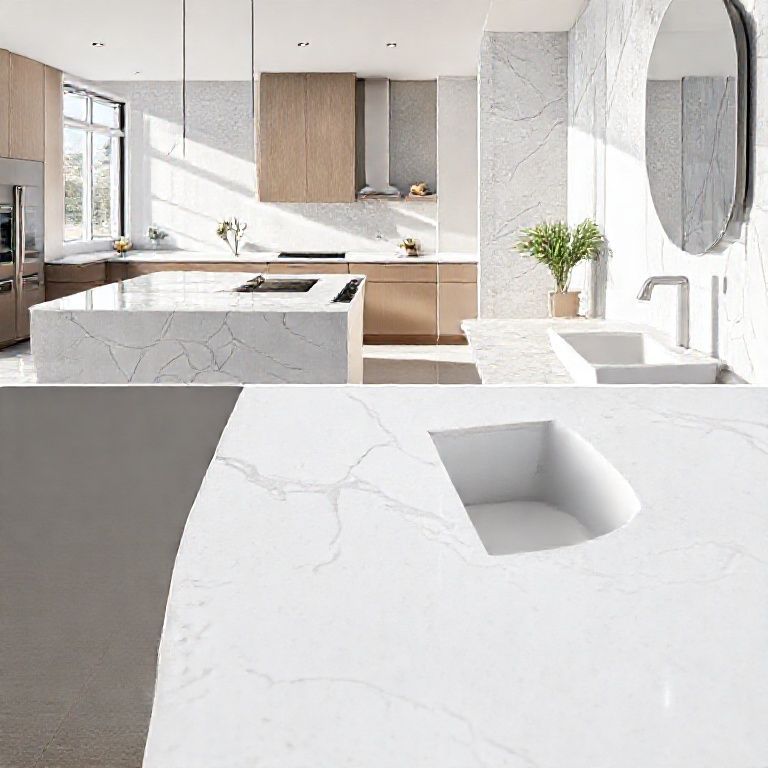
The hygienic aspect of Corian cannot be overstated, particularly in today’s health-conscious world. Its non-porous, seamless nature means there are no hidden crevices for bacteria to hide and multiply. This makes it an ideal choice for environments where hygiene is paramount, such as healthcare facilities, laboratories, and busy restaurants, in addition to residential kitchens and bathrooms. The ease of cleaning is another major selling point. A simple wipe with soap and water is often all that’s needed to keep Corian surfaces looking pristine, a stark contrast to the specialized cleaning agents sometimes required for natural stone or the potential for staining on porous materials.
The impact of Corian on kitchen design has been transformative. Gone are the days of being limited to standard slab shapes and restrictive color options. Corian has enabled the creation of integrated sinks, where the countertop and sink are formed as a single, seamless piece. This eliminates the common problem of food particles and bacteria accumulating at the rim of a separate sink, offering a sleek, easy-to-clean solution. It has also facilitated the design of waterfall countertops, where the material flows down the sides of an island or cabinet, creating a dramatic and luxurious effect. In bathrooms, Corian has likewise revolutionized vanity tops, allowing for integrated sinks and elegant, flowing shapes that are both practical and visually stunning. The ability to achieve a cohesive look from countertop to basin is a design dream, and Corian makes it a reality.
Beyond countertops and vanities, Corian’s architectural applications are vast and continue to expand. Its formability allows it to be used for wall cladding, shower surrounds, reception desks, and even custom furniture. Imagine a reception desk that curves gracefully to welcome visitors, or an interior wall that features intricate, sculpted detailing – all made possible by Corian. Its ability to be backlit also opens up exciting possibilities for ambient lighting and creating dramatic visual effects, turning a simple surface into a luminous feature. In essence, Corian has become more than just a surfacing material; it’s a design element that empowers creativity and enables the realization of ambitious architectural visions. Its journey from a laboratory innovation to a ubiquitous design staple is a compelling narrative of how thoughtful material science can shape and elevate our everyday environments.
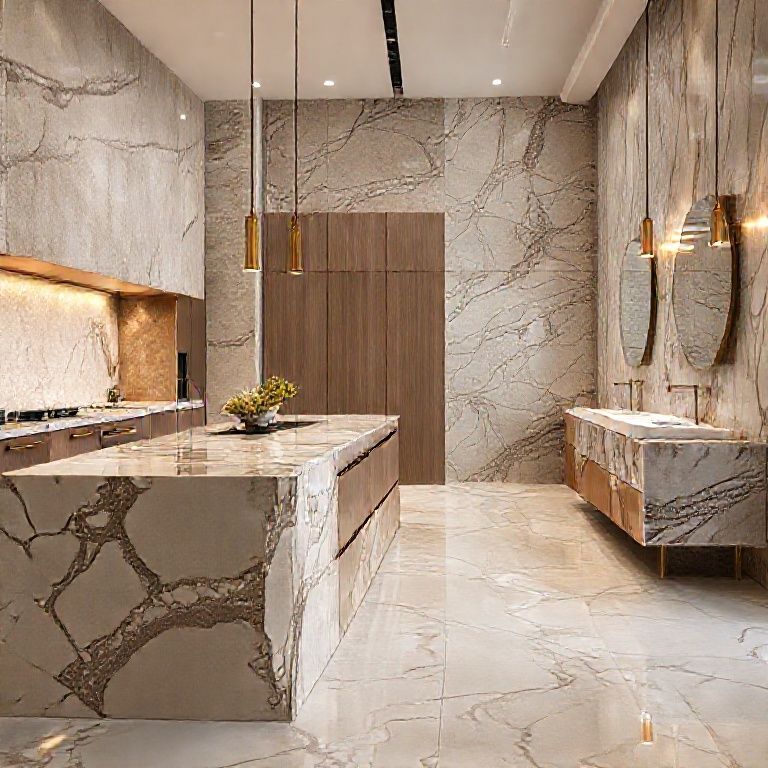
Continuing our exploration into the world of DuPont Corian, we delve deeper into the practical considerations and the enduring legacy of this remarkable solid surface material. The initial fascination with its aesthetic and functional capabilities naturally gives way to questions about its longevity, maintenance, and how it truly performs in the often-demanding environment of a modern home or commercial space. When considering “DuPont Corian, how is it?”, it’s about understanding the tangible benefits and the long-term value it brings to any project.
One of the most frequently asked questions pertains to its durability and resistance to everyday wear and tear. While Corian is exceptionally tough, it’s important to have realistic expectations. It is not impervious to scratches, nor is it completely heat-proof. However, its formulation is designed for resilience. The acrylic resin component provides a degree of flexibility that helps it resist cracking and chipping, a common issue with more brittle materials like ceramic or some natural stones. The alumina trihydrate filler contributes to its fire-retardant properties and density. What sets Corian apart is its repairability. Unlike many other countertop materials, minor scratches, scuffs, or even deeper damage can often be repaired by authorized technicians. This involves sanding down the affected area and then re-polishing it to match the surrounding surface, effectively erasing the blemish. For more significant damage, sections can sometimes be replaced seamlessly. This ability to restore the surface, rather than replace an entire slab, offers a significant cost-saving and sustainability advantage over the lifespan of the material.
The maintenance regime for Corian is refreshingly straightforward, which is a significant draw for busy households and commercial establishments. Daily cleaning typically involves a soft cloth or sponge with warm water and a mild detergent. For tougher grime or dried-on spills, a non-abrasive cleaner or a paste of baking soda and water can be used. It’s advisable to avoid abrasive scouring pads or harsh chemical cleaners, as these can dull the finish over time. While Corian is relatively heat-resistant, it’s always best practice to use trivets or hot pads when placing hot pots and pans directly from the stovetop or oven. Prolonged or extreme heat can cause discoloration or even thermal shock, leading to cracks. Similarly, while stain-resistant due to its non-porous nature, it’s good practice to wipe up spills promptly, especially those involving strong dyes like red wine or turmeric, to prevent any potential for staining, though such stains are usually superficial and can be removed with gentle cleaning.
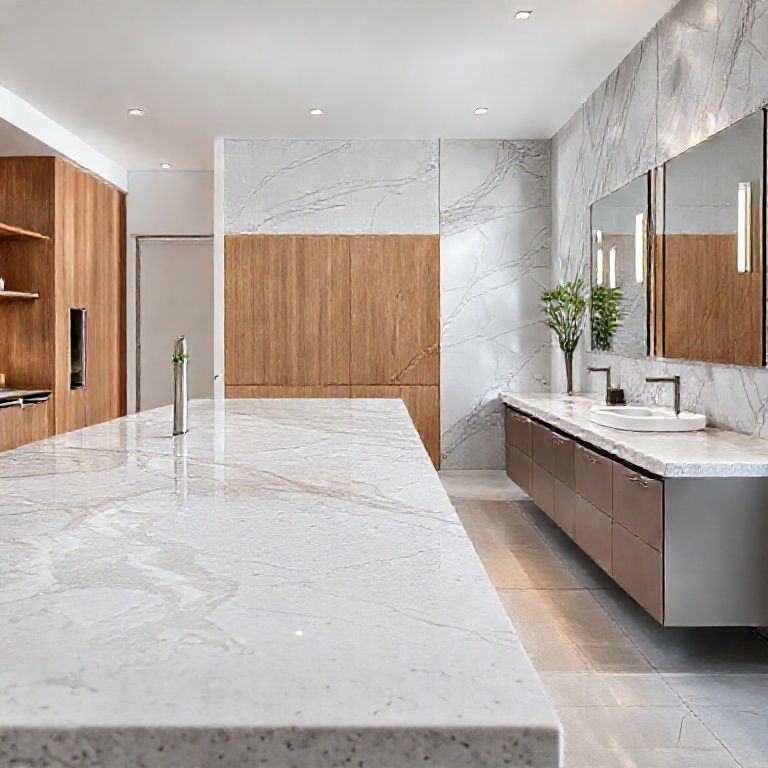
The design possibilities with Corian extend far beyond simple flat surfaces. Its inherent ability to be thermoformed allows for the creation of organic shapes, curved edges, and intricate three-dimensional elements. This opens up a realm of creative expression for architects and designers, enabling them to craft bespoke installations that are truly unique. From flowing reception desks and undulating wall panels to molded seating and sculptural elements, Corian offers a tangible solution for designs that push the boundaries of conventional forms. This moldability also contributes to its seamless integration capabilities. When two pieces of Corian are joined, the adhesive used is specifically formulated to create a bond that is as strong as the material itself, and the seam can be sanded and polished to be virtually invisible. This is particularly impactful in large installations and when creating integrated sinks, which are a hallmark of modern kitchen and bathroom design, offering a look of continuous, unbroken surface that is both aesthetically pleasing and exceptionally hygienic.
Furthermore, Corian’s ability to be backlit is an exciting feature that adds another dimension to its application. By incorporating translucent colors and backlighting, designers can create ethereal, glowing effects, transforming ordinary surfaces into luminous focal points. This is particularly effective in commercial spaces, hospitality venues, and high-end residential projects where creating a specific ambiance is crucial. Imagine a bar countertop that softly radiates light, or a decorative wall panel that emanates a warm glow – these effects are easily achievable with Corian and can dramatically enhance the visual appeal of an interior.
In terms of environmental considerations, Corian also holds its own. Its durability and repairability mean that it has a long service life, reducing the need for frequent replacement. Furthermore, DuPont has made efforts to produce Corian with recycled content and has pursued certifications like GREENGUARD, which indicates that the material meets strict indoor air quality standards, contributing to healthier indoor environments. The ease of cleaning also translates to less reliance on harsh cleaning chemicals.
The perception of Corian today is one of a sophisticated, reliable, and adaptable material. It has transcended its initial positioning as an alternative to natural stone to become a material in its own right, celebrated for its unique blend of properties. For homeowners, it represents a practical yet elegant choice that simplifies maintenance and offers peace of mind regarding hygiene. For designers and architects, it’s an indispensable tool in their creative arsenal, enabling them to translate innovative concepts into tangible realities. The question, “DuPont Corian, how is it?” ultimately reveals a story of material science triumphing through thoughtful design and relentless innovation, offering a surface that is not only beautiful but also profoundly functional and enduring, a true unsung hero in the world of interior and architectural design.









