
The heart of any home beats strongest in its kitchen. It’s where culinary dreams are born, where families gather, and where memories are made, often amidst the clatter of pots and the sizzle of a good meal. And at the very center of this bustling hub lies the countertop – the unsung hero that bears the brunt of our daily lives. For years, homeowners have been swayed by the allure of granite’s natural beauty, the seamlessness of quartz, or the rustic charm of butcher block. But whisper amongst the true cognoscenti, the chefs who command professional kitchens, and the designers who shape our living spaces, and you’ll hear a recurring refrain: “内行人建议买不锈钢台面” – insiders recommend buying stainless steel countertops.

This isn’t a fleeting trend; it’s a testament to a material that has quietly, yet confidently, proven its mettle time and again. While some may dismiss stainless steel as cold, industrial, or perhaps too utilitarian for a residential setting, those in the know understand its profound advantages. It’s a material that speaks the language of functionality, durability, and a surprisingly understated elegance that elevates rather than overwhelms.
Consider, for a moment, the sheer demands placed upon a kitchen countertop. It’s a battlefield where knives meet their match, where hot pans are unceremoniously placed, where spills are a daily occurrence, and where hygiene is paramount. Stainless steel, with its inherent resilience, stands tall against these challenges. Unlike some porous materials that can stain or harbor bacteria, stainless steel is non-porous. This means that spills from red wine, olive oil, or that rogue tomato sauce have nowhere to hide. A quick wipe with a damp cloth is usually all it takes to restore its pristine surface. For anyone who values a truly hygienic kitchen, especially those with young children or a penchant for elaborate cooking, this feature alone is a game-changer.
Beyond its hygienic properties, the durability of stainless steel is legendary. Think about the rigorous environments of commercial kitchens – the constant chopping, the high temperatures, the relentless cleaning. These spaces are designed for efficiency and longevity, and stainless steel countertops are a cornerstone of that design philosophy. They resist chipping, cracking, and warping, even under the most demanding conditions. This means that your investment in a stainless steel countertop is one that will likely outlast many other elements of your kitchen renovation. It’s a surface that won’t dull with age or succumb to the minor accidents that are inevitable in a busy household.
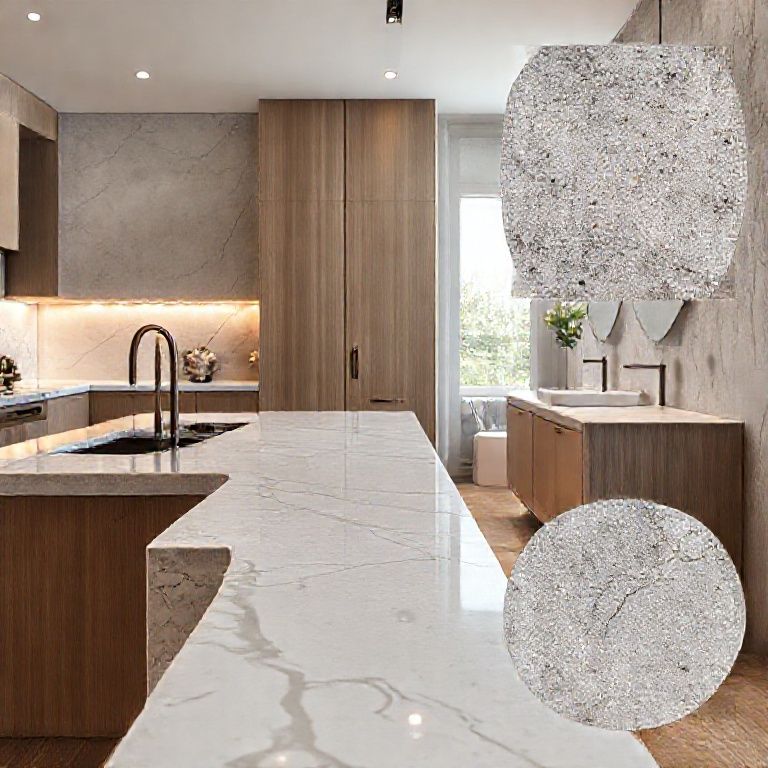
The heat resistance of stainless steel is another significant advantage. While it’s always wise to use trivets for scorching hot pans, stainless steel can generally withstand direct heat better than many other countertop materials. This offers a level of freedom and peace of mind, particularly for passionate home cooks who often find themselves juggling multiple dishes and need a place to quickly set down a hot pot or baking sheet. This isn’t to say it’s invincible, but its tolerance for heat is a considerable perk that shouldn’t be overlooked.
Then there’s the aesthetic. While the initial perception might lean towards the industrial, the reality is far more nuanced. Stainless steel boasts a sleek, modern, and sophisticated look that can surprisingly complement a wide range of kitchen styles. In minimalist or contemporary kitchens, it provides a clean, uncluttered aesthetic that enhances the overall design. In more traditional settings, it can offer a striking contrast, injecting a touch of modern flair. The brushed finish, the most common choice, diffuses light beautifully and can help to mask minor scratches that might be more apparent on a highly polished surface. Over time, stainless steel develops a patina, a subtle sheen that tells the story of your kitchen’s life, adding a unique character that can’t be replicated. It’s a material that ages gracefully, much like a well-loved piece of leather or a classic piece of furniture.
Furthermore, stainless steel is incredibly adaptable. It can be seamlessly integrated with various edge profiles, sinks (including undermount designs for that ultra-sleek look), and even integrated drainboards. This allows for a highly customized and functional workspace that can be tailored to your specific needs and workflow. The ability to create a continuous surface with an integrated sink, for instance, eliminates grout lines and crevices, further enhancing hygiene and ease of cleaning. This level of customization is a hallmark of professional kitchens, and bringing it into your home can significantly elevate your cooking experience.
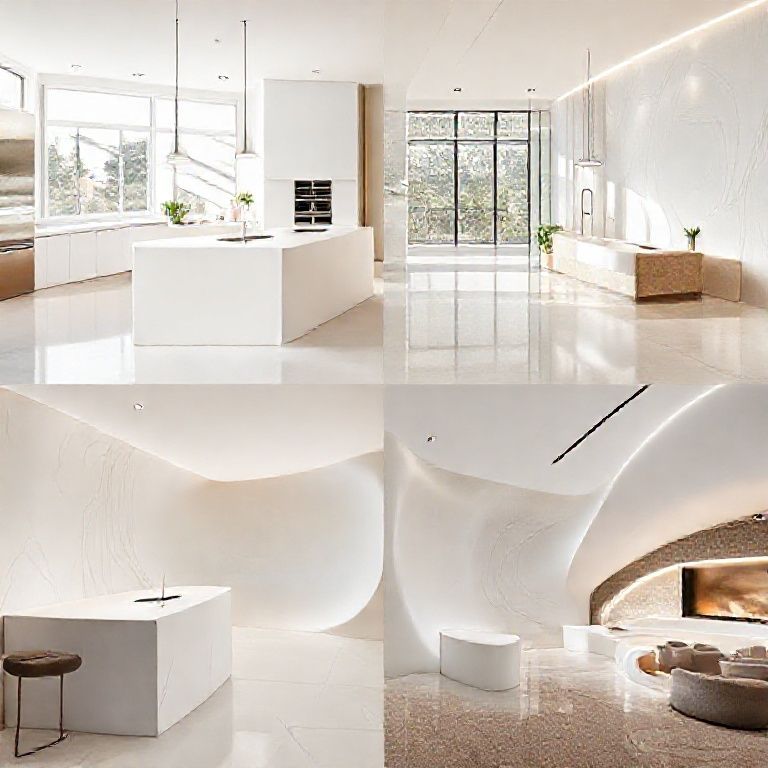
The sustainability aspect of stainless steel is also worth considering. It is a highly recyclable material, and its longevity means that it’s less likely to end up in a landfill compared to less durable options. When you choose stainless steel, you’re opting for a material that is not only practical and beautiful but also environmentally responsible. This is a growing consideration for many homeowners who are seeking to make more conscious choices for their homes.
Finally, the value proposition of stainless steel is compelling. While the initial cost might be comparable to other mid-to-high-end countertop materials, its exceptional durability and longevity translate into significant long-term savings. You won’t be faced with the prospect of replacing it due to wear and tear or obsolescence anytime soon. It’s an investment that pays dividends in terms of performance, appearance, and peace of mind for years to come. The ‘insiders’ know this. They understand that investing in a material that performs flawlessly, requires minimal fuss, and endures the test of time is the smartest choice for a kitchen that is both beautiful and functional.
Moving beyond the purely functional and into the realm of design, the perception of stainless steel as purely industrial is rapidly becoming outdated. The material has evolved, and so has our appreciation for its inherent beauty. The way stainless steel interacts with light is particularly captivating. A well-lit kitchen can make stainless steel countertops gleam, reflecting the ambient light and creating an illusion of greater space. This is especially beneficial in smaller kitchens where maximizing light and the feeling of openness is crucial. The brushed finish, in particular, offers a soft, matte sheen that is far from harsh or cold. It has a subtle warmth to it, and its ability to camouflage fingerprints and minor smudges makes it remarkably forgiving in a busy household.
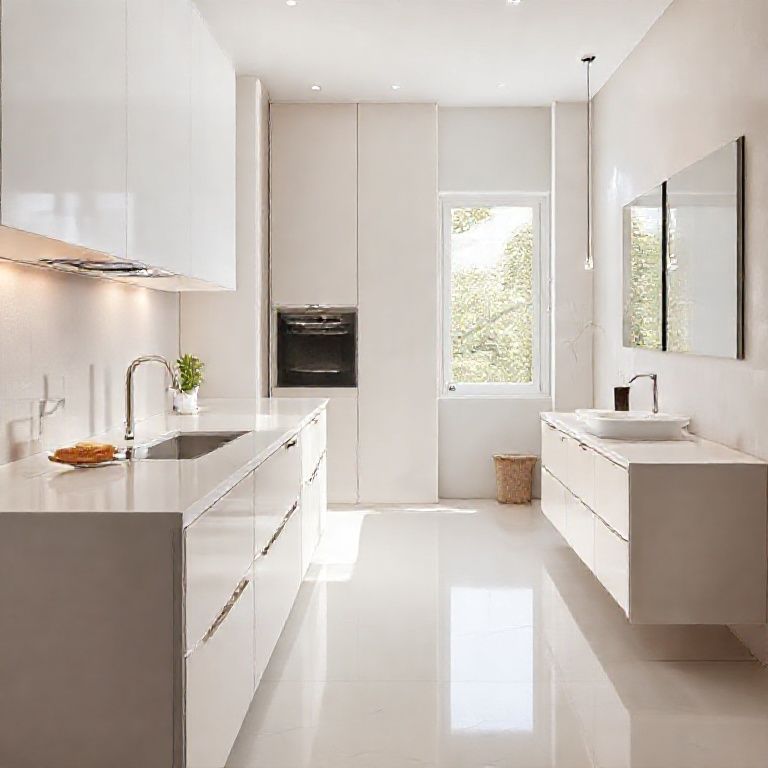
For those who believe stainless steel is too monochromatic, consider the versatility it offers in terms of complementing other kitchen elements. Its neutral tone acts as a perfect canvas for vibrant cabinet colors, bold backsplashes, or striking flooring. Imagine deep navy cabinets paired with a gleaming stainless steel countertop, or a rustic brick backsplash providing a warm counterpoint to the cool, sleek surface. The contrast can be incredibly sophisticated and visually dynamic. It also pairs exceptionally well with natural materials like wood, adding a modern edge to a more traditional palette. This adaptability makes it a designer’s secret weapon, allowing for a wide range of aesthetic possibilities without compromising on performance.
The integration of sinks with stainless steel countertops is another area where its superiority shines. The seamless transition from countertop to sink, often achieved with an integrated sink, creates a fluid and hygienic surface. There are no awkward seams or caulk lines where dirt and grime can accumulate. This is a dream for anyone who has ever spent an inordinate amount of time scrubbing the edges of a sink. The ease of cleaning a continuous stainless steel surface, from the prep area to the washing zone, is a significant daily advantage. Furthermore, the sound-dampening qualities of thicker gauge stainless steel can reduce the noise of running water, adding a touch of quiet luxury to your kitchen.
For the culinary enthusiast, the practical benefits are even more pronounced. Stainless steel countertops are the preferred choice in professional kitchens for a reason: they are built to withstand the rigors of high-volume cooking. The ease of cleaning means that cross-contamination is less of a concern. The resistance to heat allows for quick placement of hot pans. The durability ensures that the surface can handle constant chopping and preparation without showing significant wear. For the home chef who takes their passion seriously, a stainless steel countertop is not just a surface; it’s a professional-grade tool that supports their culinary endeavors. It allows for a more efficient and enjoyable cooking process, free from the anxieties of damaging a delicate surface.
When considering the lifespan of kitchen countertops, stainless steel emerges as a clear winner. While other materials may need refinishing, sealing, or even complete replacement after a decade or two, a well-maintained stainless steel countertop can last a lifetime. This translates into substantial cost savings over the long term. The initial investment, while perhaps perceived as higher by some, is offset by the sheer longevity and the absence of ongoing maintenance costs associated with some other materials. It’s a true testament to value for money, a concept that ‘insiders’ always prioritize.
The perception of stainless steel can also be influenced by the gauge and finish. While standard residential gauges are perfectly adequate, thicker gauges offer even greater robustness and a more substantial feel. The finish, as mentioned, is crucial. Brushed finishes are popular for their practicality, but satin, mirror, or even patterned finishes can offer different aesthetic effects. Exploring these options can help to tailor the look of your stainless steel countertops to your specific design vision. A well-chosen finish can transform the material from simply functional to undeniably beautiful.
Let’s address the elephant in the room: the fear of scratches. Yes, stainless steel can scratch. However, it’s important to contextualize this. Most scratches on a brushed stainless steel surface are superficial and blend into the overall patina of the material over time. Unlike a scratch on laminate or a chip in a granite slab, which can be unsightly and permanent, minor abrasions on stainless steel often become part of its character. Furthermore, the repairability of stainless steel is often underestimated. Minor scratches can sometimes be buffed out, and larger damaged sections can even be repaired or replaced more easily than extensive damage to stone. For those who embrace a lived-in, functional kitchen, the occasional mark on a stainless steel countertop is a sign of a well-loved and actively used space, not a defect.
The innovation in stainless steel countertop manufacturing also means that options like integrated induction cooktops or specialized textures are becoming more readily available. This allows for a highly integrated and cohesive kitchen design, where the countertop is not just a surface but a central element of the kitchen’s functionality and aesthetic. The ability to customize with features like built-in drainboards or specialized finishes further solidifies its position as a top-tier choice for those who value both form and function.
In conclusion, the whisper among the “内行人” – the insiders, the professionals, the seasoned designers – is clear: stainless steel countertops are an exceptional choice for the modern kitchen. They offer an unparalleled combination of durability, hygiene, heat resistance, and a sophisticated, adaptable aesthetic. They are a testament to timeless design and practical innovation. For those seeking a kitchen that is not only beautiful but also resilient, easy to maintain, and built to last, the recommendation is unequivocal. Embrace the quiet confidence of stainless steel, and you’ll find yourself with a countertop that truly earns its place as the heart of your home.









