
In the grand theatre of kitchen design, countertops often play the starring role. They are the stage upon which culinary creations come to life, the backdrop to countless family conversations, and a significant statement of your home’s aesthetic. While granite, marble, and even the ever-popular quartz have long held court, a less heralded but equally magnificent material is quietly making its mark: quartzite. And specifically, the 1.5cm slab of quartzite is emerging as a particularly compelling option for those seeking a blend of sophisticated beauty and robust functionality. But what exactly is this seemingly slender stone, and is it the right choice for your kitchen transformation?

Let’s begin by demystifying quartzite itself. Unlike engineered quartz (which is a composite of ground quartz and resins), natural quartzite is a metamorphic rock formed deep within the earth when sandstone is subjected to intense heat and pressure over millions of years. This natural process imbues it with exceptional hardness, often rivaling or even surpassing granite. The result is a stone that boasts breathtaking natural patterns and a dazzling array of colors, from subtle whites and creams to vibrant blues, greens, and reds. Each slab is a unique work of art, a testament to the earth’s incredible geological artistry.
Now, why the focus on 1.5cm thickness? Traditionally, natural stone countertops, including granite and thicker quartzite slabs, have been installed at a more substantial 2cm or even 3cm (often referred to as 2cm and 3cm in North America, or 20mm and 30mm internationally). These thicker slabs offer a sense of undeniable heft and luxury, projecting an image of permanence and grandeur. However, this solidity comes with a few considerations. Firstly, the sheer weight of thicker slabs can necessitate reinforced cabinetry and a more robust sub-structure, potentially adding to installation complexity and cost. Secondly, transportation and handling of these heavier materials require more specialized equipment and labor.
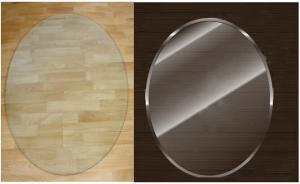
Enter the 1.5cm quartzite slab. This thinner profile doesn’t mean a compromise on the inherent strengths of quartzite; rather, it represents a clever evolution in fabrication and installation. The beauty and durability of the quartzite remain unchanged. What’s altered is its manageability and its suitability for a broader range of applications and design preferences. Imagine the same stunning natural patterns and the same resilient surface, but with a lighter footprint.
One of the most immediate advantages of opting for 1.5cm quartzite is its potential for cost-effectiveness. While premium quartzite will always command a certain price point due to its rarity and beauty, the reduced material volume and the ease of handling and installation associated with thinner slabs can translate into savings. This doesn’t mean sacrificing luxury; it means achieving it more intelligently. For homeowners embarking on a renovation, where budgets are often a delicate balancing act, this can be a significant draw.

Furthermore, the design flexibility offered by 1.5cm quartzite is noteworthy. Its lighter profile makes it an excellent candidate for applications beyond traditional countertops. Think of waterfall edges, where the stone cascades down the side of an island or cabinet. A 1.5cm slab can achieve this elegant look with less visual bulk, creating a sleeker, more modern aesthetic. It’s also ideal for areas where a full-thickness slab might feel overwhelming, or where wall support is a consideration. In smaller kitchens or open-plan living spaces, a lighter-looking countertop can contribute to a sense of airiness and spaciousness.
The installation process itself is often streamlined with 1.5cm quartzite. Fabricators and installers find it easier to transport, cut, and maneuver these thinner slabs. This can lead to quicker installation times and potentially fewer complications on-site. While proper support is still crucial for any countertop material, the structural requirements for 1.5cm quartzite are generally less demanding than for their thicker counterparts, potentially easing the burden on your existing cabinetry.
Moreover, the aesthetic appeal of a 1.5cm quartzite countertop should not be underestimated. While some may associate thickness with quality, the reality is that the visual impact of quartzite lies in its exquisite veining, rich colors, and natural luminescence. A well-fabricated 1.5cm slab, with clean edges and precise finishing, can look just as luxurious, if not more so, than a thicker slab, especially in contemporary or minimalist design schemes. It allows the natural beauty of the stone to take center stage without appearing overly heavy or imposing. This is particularly relevant when considering the trend towards lighter and brighter kitchens, where a sleeker profile complements the overall design narrative.
The inherent durability of quartzite is, of course, a major selling point, regardless of thickness. It’s known for its resistance to heat, scratches, and stains, making it a highly practical choice for busy kitchens. Unlike marble, which is prone to etching from acidic substances, or softer stones that can scratch easily, quartzite offers a level of resilience that can withstand the rigencies of daily use. This means you can place hot pots directly on the surface (though trivets are always recommended to maintain pristine condition), chop vegetables with confidence (again, a cutting board is best practice for longevity), and clean up spills without excessive worry. The 1.5cm thickness does not diminish this inherent toughness; it simply presents it in a more adaptable form. As we move into the next part, we’ll delve deeper into the practical considerations, maintenance, and the overall value proposition of bringing a 1.5cm quartzite countertop into your home.
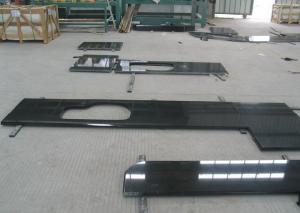
Continuing our exploration into the world of 1.5cm quartzite countertops, we’ve established its aesthetic allure and the inherent advantages of its thinner profile. Now, let’s pivot to the practicalities – the day-to-day performance, the maintenance requirements, and ultimately, the enduring value this material brings to your kitchen. Understanding these aspects will help you make an informed decision about whether this sophisticated stone is the right fit for your culinary sanctuary.
When it comes to performance, 1.5cm quartzite truly shines. Its natural composition makes it exceptionally hard and dense. This translates directly into superior resistance against scratches and chips compared to many other countertop materials. Imagine a busy family kitchen: children helping with homework, enthusiastic cooks experimenting with new recipes, the general hustle and bustle that a kitchen endures. A quartzite countertop, in its 1.5cm guise, is built to handle this. While no stone is completely impervious to damage (a direct, forceful impact with a very sharp or heavy object can still cause issues), quartzite offers a remarkable level of resilience that minimizes the risk of everyday wear and tear.
Heat resistance is another significant advantage. Quartzite can withstand high temperatures, meaning you can place warm dishes directly from the oven or stovetop onto the surface without immediate concern. However, it’s always a wise practice to use trivets or hot pads. This not only protects the sealant (which we’ll discuss shortly) but also preserves the stone’s lustrous finish over time, ensuring it remains as beautiful as the day it was installed. The 1.5cm thickness does not compromise this thermal resilience; the stone’s composition is the determining factor.
Stain resistance is often a major consideration for homeowners. Quartzite, when properly sealed, is highly resistant to staining. Its dense structure means that liquids are less likely to penetrate the surface. This is a significant departure from materials like granite, which can sometimes be more porous, or softer stones like marble, which are notoriously susceptible to stains from acidic substances like wine, citrus juice, or tomato sauce. For busy kitchens where spills are an inevitable part of life, the stain-fighting capabilities of sealed quartzite offer invaluable peace of mind.
Now, let’s talk about maintenance. One of the most appealing aspects of 1.5cm quartzite is its relatively low maintenance profile. Because it is a natural stone, it requires sealing. The frequency of sealing depends on the specific type of quartzite and the quality of the sealant used, but generally, it’s recommended every one to two years. This process involves applying a liquid sealant to the surface, allowing it to penetrate, and then wiping away any excess. It’s a straightforward DIY task for many homeowners, or a service easily provided by a professional. The purpose of sealing is to fill any microscopic pores in the stone, preventing liquids from seeping in and causing stains.
Beyond sealing, daily cleaning is remarkably simple. A soft cloth or sponge with warm water and a mild, pH-neutral soap is usually all that’s needed to wipe down the surface. It’s advisable to avoid abrasive cleaners or harsh chemicals, as these can potentially damage the sealant or dull the stone’s finish over time. For tougher spots, a specialized stone cleaner can be used. The 1.5cm thickness doesn’t alter these cleaning requirements; it’s the material itself that dictates the best care practices.
When considering the overall value proposition of a 1.5cm quartzite countertop, several factors come into play. Firstly, there’s the aesthetic value. Quartzite offers a natural, luxurious look that is difficult to replicate with engineered materials. The unique patterns and colors bring a sophisticated elegance to any kitchen, potentially increasing the perceived value of your home.
Secondly, there’s the functional value. The durability and low maintenance of quartzite mean that it’s a long-term investment. It’s a surface that can withstand the demands of daily life for years, even decades, without showing significant wear and tear. This longevity translates into cost savings over time, as you’re less likely to need to replace or repair your countertops prematurely.
Finally, the cost-effectiveness of the 1.5cm slab needs to be weighed. While it’s not the cheapest countertop material on the market, the combination of reduced material volume, easier fabrication, and simpler installation can make it a more accessible luxury than thicker quartzite slabs or certain other high-end natural stones. For homeowners who desire the beauty and resilience of quartzite but are mindful of budget, the 1.5cm option presents a compelling compromise that doesn’t feel like a compromise at all.
In conclusion, the 1.5cm quartzite countertop is far more than just a thinner version of its more substantial counterparts. It’s a testament to intelligent design and material science, offering a harmonious blend of natural beauty, exceptional durability, and practical advantages. It provides a sophisticated, resilient surface capable of withstanding the rigors of a modern kitchen, all while offering design flexibility and potential cost savings. For those seeking to elevate their kitchen with a material that is both visually stunning and incredibly functional, a 1.5cm quartzite countertop is undoubtedly a contender worthy of serious consideration. It’s a choice that speaks to discerning taste, a practical approach to renovation, and a desire for enduring quality in the heart of the home.









