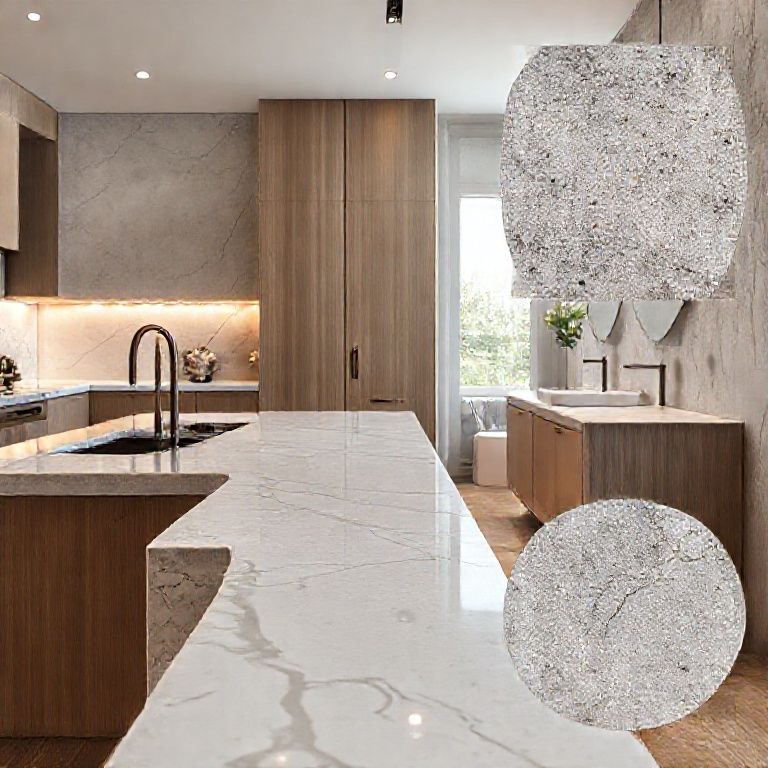
In the ever-evolving landscape of interior design, materials play a pivotal role in shaping both the functionality and the aesthetic appeal of our living spaces. Among the myriad of options available, Corian, a brand of solid surface material developed by DuPont, has emerged as a popular choice, particularly for countertops, sinks, and wall cladding. Its seamless appearance, versatility, and a perceived modernity have made it a darling of contemporary kitchens and bathrooms. But as with any material, a closer examination reveals a more nuanced picture, a tapestry woven with both impressive strengths and notable weaknesses. Understanding these facets is key to making an informed decision when contemplating its use in your own home.

One of Corian’s most celebrated attributes is its remarkable aesthetic versatility. Available in an astonishing array of colors, patterns, and textures, Corian can be molded to mimic the look of natural stone, wood, or even create entirely novel visual effects. This adaptability allows designers and homeowners to achieve a highly personalized and cohesive design scheme. The ability to thermoform Corian – to heat and bend it into curved shapes – opens up a world of design possibilities that are often unattainable with traditional materials like granite or quartz. Imagine a seamlessly integrated sink that flows directly into the countertop, or a curved reception desk that beckons visitors. This inherent malleability is a significant advantage, allowing for bespoke creations that truly stand out. Furthermore, Corian’s non-porous nature contributes to its sleek and hygienic surface. Unlike natural stone, which can harbor bacteria and stains, Corian presents a smooth, continuous surface that is resistant to most common household spills and, with proper care, won’t absorb liquids or odors. This makes it an attractive option for environments where hygiene is paramount, such as kitchens and healthcare settings.
The seamless installation of Corian is another compelling advantage. When fabricated and installed by certified professionals, the seams between separate pieces of Corian can be virtually invisible. This creates a monolithic, uninterrupted surface that is not only visually appealing but also highly practical. The absence of grout lines, common in tile installations, means less hiding places for dirt and grime, simplifying cleaning and maintenance. This seamless quality extends to integrated sinks and backsplashes, further enhancing the streamlined and contemporary feel of a space. The repairability of Corian is also a significant selling point. While it is a durable material, scratches and minor damage can often be repaired by sanding and buffing the surface, restoring it to its original condition. This ability to be rejuvenated means that a Corian countertop can maintain its pristine appearance for many years, offering a long-term value proposition. This is in stark contrast to some other countertop materials that, once scratched or chipped, can be difficult and expensive to repair without full replacement.
The non-porous characteristic of Corian also translates to excellent stain resistance. Spills from coffee, wine, or cooking oils are less likely to penetrate the surface and leave permanent marks. This makes daily cleaning a breeze, often requiring just a damp cloth and mild soap. This ease of maintenance is a major draw for busy households where time is a precious commodity. The material’s resistance to UV rays is another advantage, particularly for applications where it might be exposed to sunlight. This means that Corian is less likely to fade or discolor over time when placed near windows, maintaining its intended hue. In summary, Corian offers a compelling package of aesthetic flexibility, hygienic properties, seamless integration, and a degree of repairability that makes it a highly desirable material for a wide range of applications. Its ability to be shaped, its vast color palette, and its low-maintenance surface all contribute to its enduring popularity in the world of interior design.
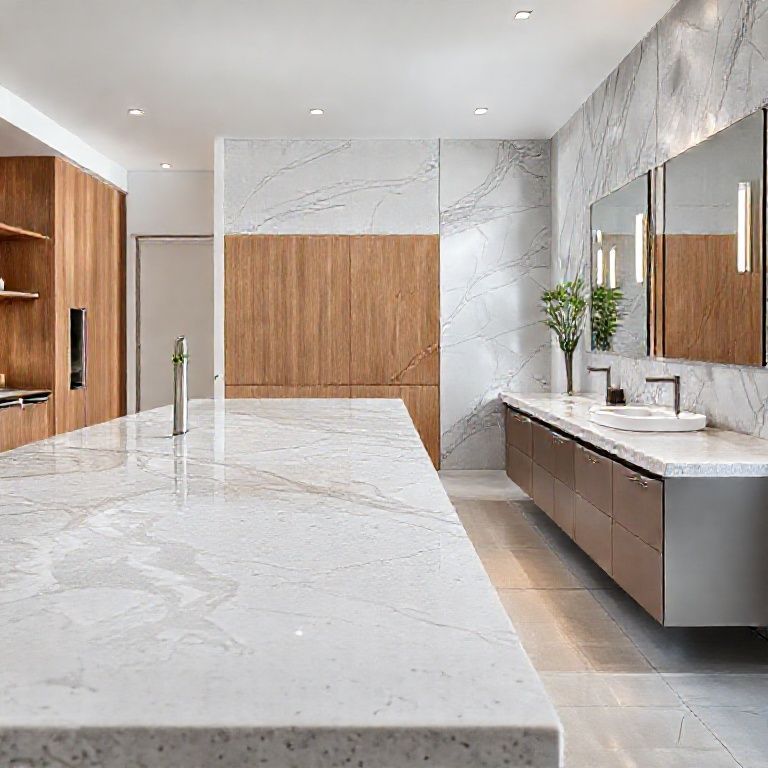
While Corian undoubtedly boasts an impressive array of strengths, it’s crucial to acknowledge its limitations to gain a truly balanced perspective. Understanding these drawbacks allows for more informed decision-making and helps manage expectations regarding its performance and longevity. One of the primary considerations with Corian is its relative susceptibility to heat. Unlike materials such as granite or quartz, which can withstand high temperatures, Corian can be damaged by direct contact with hot pots and pans. Prolonged exposure to extreme heat can cause discoloration, scorching, or even cracking. This necessitates the consistent use of trivets and hot pads, a small but important behavioral adjustment for those accustomed to placing hot cookware directly on their countertops. While it’s true that Corian can be repaired, significant heat damage can sometimes be more challenging to rectify than minor scratches.
Another area where Corian can fall short is its resistance to scratching. While the surface is generally durable for everyday use, it is not immune to sharp objects or abrasive cleaning tools. Frequent exposure to knives, abrasive scouring pads, or rough handling can lead to visible scratches and dulling of the finish. While minor scratches can often be buffed out, deeper gouges may require professional repair. This means that users need to exercise a degree of caution when preparing food directly on the surface and be mindful of the cleaning implements they employ. For those who frequently chop food directly on their countertops, a material with superior scratch resistance might be a more practical choice. The cost of Corian, while offering value in its versatility and seamlessness, can also be a significant factor. It is generally priced in the mid to high range for countertop materials, comparable to or sometimes exceeding quartz and certain types of granite. When factoring in the cost of fabrication and installation, which can be more specialized due to its unique properties, the overall investment can be substantial. For budget-conscious consumers, other solid surface options or laminate might present a more economical alternative.
While Corian’s non-porous nature is a significant advantage for hygiene and stain resistance, it can also mean that certain chemicals, if left to sit for extended periods, could potentially affect the surface. Strong solvents or harsh cleaning agents, while not typically a concern for daily maintenance, could cause damage if not promptly wiped away. This reinforces the importance of using mild cleaning solutions and avoiding prolonged exposure to aggressive chemicals. Furthermore, while Corian is generally considered a durable material, it can be prone to chipping, especially on edges or in areas that experience frequent impact. This is a common issue with many countertop materials, but it’s worth noting that a chip in a Corian surface might be more noticeable due to its uniform color and pattern, and repair might involve more than just a simple buffing. The perception of “artificiality” can also be a subjective drawback for some consumers. While Corian offers a vast range of colors and textures, it does not possess the unique, organic variations found in natural stone like granite or marble. For individuals who specifically seek the inimitable character and depth of natural materials, Corian might not fulfill that aesthetic desire. Its uniform appearance, while a strength in terms of consistency, can sometimes be perceived as less luxurious or authentic compared to the inherent beauty of quarried stone. In conclusion, while Corian presents a compelling case with its design flexibility, seamlessness, and hygienic properties, its susceptibility to heat and scratches, along with its cost and the subjective perception of its material origin, are important considerations. A thorough understanding of these nuances will empower individuals to make a choice that best aligns with their lifestyle, design aspirations, and practical needs.