
The allure of marble is undeniable. Its timeless elegance, veined beauty, and luxurious feel have graced palatial homes and sophisticated interiors for centuries. However, the cost, rarity, and demanding maintenance of natural marble often place it out of reach for many. Enter artificial marble, or engineered stone, a seemingly perfect substitute that promises the same aesthetic appeal with enhanced durability and a more accessible price point. It’s a material that has surged in popularity, adorning kitchen countertops, bathroom vanities, and statement walls across the globe. But like any choice that involves a trade-off, there’s more to artificial marble than meets the eye. Beneath its polished surface lies a story, a narrative woven with potential downsides that are crucial to understand before you commit to transforming your living spaces.

One of the most significant concerns surrounding artificial marble revolves around its environmental impact. While often marketed as a sustainable alternative to natural stone, the reality is more nuanced. The production of engineered stone is an energy-intensive process. It involves crushing natural stone (often quartz, but can include granite, marble, or other minerals) and binding it together with resins, polymers, and pigments. This manufacturing process releases greenhouse gases and can contribute to air and water pollution if not managed responsibly by the manufacturers. Furthermore, the resins used, typically polyester or epoxy, are derived from petroleum, a finite resource. The extraction and processing of these raw materials carry their own environmental burdens, from habitat destruction to water contamination. While some manufacturers are making strides towards greener production methods, including the use of recycled content and more eco-friendly resins, the inherent nature of the manufacturing process means it’s not without its ecological footprint. The transportation of raw materials and finished products also adds to this impact, contributing to carbon emissions.
Beyond the broader environmental implications, there are also potential health concerns associated with artificial marble, particularly for those involved in its production and installation. The process of cutting and polishing engineered stone can release fine silica dust. Inhaling this dust over prolonged periods can lead to silicosis, a serious and irreversible lung disease. While this primarily affects workers in manufacturing and fabrication facilities, it’s a stark reminder of the industrial processes involved. For homeowners, the concern is more about the off-gassing of volatile organic compounds (VOCs) from the resins used. While the amount of VOCs released by installed countertops is generally considered low and within acceptable safety standards for occupied spaces, it’s a factor to consider, especially for individuals with sensitivities to chemicals or those prioritizing a completely “natural” and non-toxic home environment. Reputable manufacturers adhere to strict standards and certifications (like GREENGUARD) to minimize VOC emissions, but it’s always prudent to inquire about these certifications. The long-term effects of living with materials that have undergone chemical bonding are still a subject of ongoing research, adding a layer of caution for the health-conscious consumer.

Another aspect to scrutinize is the durability and repairability of artificial marble. While often lauded for its stain and scratch resistance, it’s not indestructible. The resins that bind the stone particles can be susceptible to heat damage. Leaving hot pots and pans directly on the surface, even for a short time, can cause scorching, discoloration, or even cracking. Unlike natural marble, which can often be professionally polished and restored to its former glory, repairs to engineered stone can be more challenging and less seamless. Minor chips or cracks might be filled, but the repair may be visible, and the aesthetic integrity of the surface can be compromised. Deeper damage can sometimes necessitate a full replacement of the slab, which can be a significant financial undertaking. This is a crucial point to consider for high-traffic areas like kitchen countertops, where the potential for accidental heat exposure or significant impact is higher. Understanding the limitations of its heat resistance and the complexities of its repair process is vital for managing expectations and ensuring the longevity of your investment.
Furthermore, the aesthetic limitations, despite their vast array of designs, can be a point of contention for some. While artificial marble can mimic the look of natural stone with impressive accuracy, it often lacks the unique, one-of-a-kind character of genuine marble. Each slab of natural marble is a work of art, with its own distinct veining patterns and subtle color variations that tell a geological story. Artificial marble, by its very nature, is manufactured, meaning patterns can be repetitive or even appear “too perfect” to discerning eyes. For those who crave the organic, inimitable beauty of natural stone, engineered options might feel somewhat sterile or lacking in soul. While the sheer variety of colors and patterns available in artificial marble is a major selling point, it’s important to recognize that this uniformity can, in some instances, detract from the inherent charm that draws people to marble in the first place. This is a subjective drawback, of course, but for designers and homeowners who value authenticity and natural imperfections, it’s a factor that can’t be ignored.

The long-term performance and the potential for degradation over time are also areas where careful consideration is warranted. While artificial marble is generally considered durable, the resins used in its composition can, over extended periods and under constant exposure to UV light or harsh cleaning chemicals, begin to degrade. This can manifest as yellowing or a dulling of the surface, diminishing its original luster. Unlike solid natural stone that can be refinished, engineered stone’s composite nature makes such restoration more difficult. The consistent use of abrasive cleaners or improper cleaning agents can also wear down the protective sealant and the resin binders, leading to a loss of shine and increased susceptibility to stains. Therefore, understanding the recommended cleaning and maintenance protocols is not merely a suggestion but a necessity for preserving the appearance and integrity of artificial marble for years to come. This requires a commitment to proper care, which might be more demanding than initially perceived.
Continuing our exploration into the nuances of artificial marble, it’s important to address the often-overlooked aspect of its repair and restoration. While lauded for its low maintenance compared to natural marble, this doesn’t equate to being maintenance-free. When damage does occur, such as chips, cracks, or heat marks, the repair process for engineered stone can be significantly more complex and costly than for its natural counterpart. Natural marble, being a solid, homogeneous material, can often be professionally sanded, polished, and resealed to seamlessly blend out imperfections. Engineered stone, on the other hand, is a composite material. The resins that bind the quartz or other mineral particles are susceptible to being damaged or discolored by heat. A minor scorch mark or a deep scratch can be difficult to repair without leaving a visible blemish. While some minor chips can be filled with epoxy resin, the color match and texture may not be perfect, leading to an aesthetically displeasing patch. In more severe cases, a damaged slab might need to be entirely replaced, a considerably more expensive proposition than refinishing natural stone. This inherent difficulty in achieving a truly seamless repair is a significant drawback that homeowners should seriously weigh, especially for high-impact areas like kitchen countertops where the risk of accidental damage is higher.
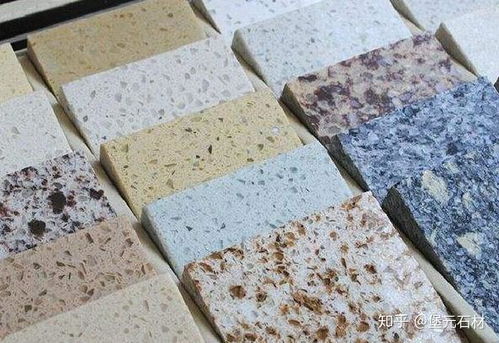
The cost factor, while often presented as an advantage, also warrants a closer examination. While artificial marble is generally more affordable than many natural marble varieties, it’s not always the cheapest countertop option available. The price can vary widely depending on the brand, the complexity of the pattern, and the thickness of the slab. High-end engineered stones with intricate veining and unique colorations can command prices that rival those of mid-range natural stones. Furthermore, the cost of fabrication and installation can add a substantial amount to the overall price. Unlike some other materials that can be more easily cut and shaped on-site, engineered stone often requires specialized tools and expertise, which translates to higher labor costs. When comparing it to other solid surface materials like laminate or even some solid woods, artificial marble can represent a significant investment. Therefore, while it might be a more budget-friendly option than premium natural marble, it’s essential to conduct thorough price comparisons with other materials to ensure you are making the most cost-effective choice for your specific needs and aesthetic preferences. The perceived cost savings might not always materialize as expected.
The long-term aesthetic appeal and the potential for fading or discoloration are also factors that merit attention. While engineered stone is generally resistant to staining and etching, the resins used in its composition can be susceptible to degradation over prolonged exposure to ultraviolet (UV) light. This means that artificial marble installed in areas that receive direct sunlight, such as near large windows or skylights, may eventually experience a dulling of its color or a yellowing of the surface. While this is not an immediate concern for most indoor applications, it’s something to consider for spaces with significant sun exposure. Furthermore, while the patterns are designed to be consistent, some homeowners have reported that over time, the resinous binder can become more apparent, leading to a less uniform appearance. Unlike natural stone, which has inherent depth and character, the surface of artificial marble can, in some instances, appear somewhat superficial when viewed up close after years of use. This potential for the material to lose its initial vibrancy or develop an uneven sheen over time is a subtle yet important consideration for those investing in its long-term beauty.
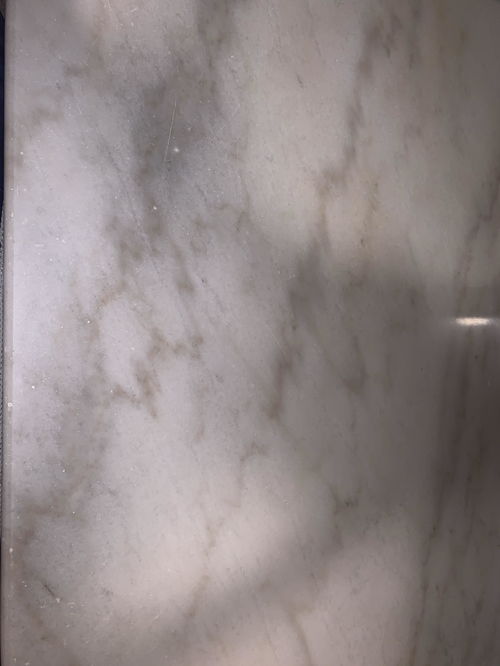
Another point of discussion is the potential for thermal shock and cracking. While engineered stone is known for its durability and resistance to impact, it can still be vulnerable to extreme temperature fluctuations. Placing extremely hot or cold items directly onto the surface, especially if there are pre-existing micro-fractures or stress points in the material, can lead to thermal shock. This can cause the material to crack or even shatter. While this is a less common occurrence, it’s a possibility that homeowners should be aware of, particularly in kitchens where hot pans and cold dishes are frequently used. Unlike natural stone, which might show a scorch mark that can potentially be repaired, a crack in engineered stone is often a more permanent and aesthetically disruptive issue. Proper use of trivets and heat-resistant mats is therefore not just a recommendation but a crucial preventative measure to safeguard the integrity of artificial marble surfaces. This reinforces the idea that while it’s durable, it’s not impervious to damage from extreme thermal variations.
Finally, let’s consider the ethical and sourcing implications, which, while perhaps less tangible for the average consumer, are becoming increasingly important in today’s conscious marketplace. The raw materials used in artificial marble, particularly quartz, are mined. The mining industry, globally, can be associated with environmental degradation, habitat destruction, and, in some regions, labor exploitation. While the direct impact is on the mining operations rather than the manufacturing facilities, it’s part of the material’s lifecycle. Consumers who prioritize ethically sourced and sustainably produced materials might find it challenging to trace the origins of the raw components in their engineered stone. While many manufacturers are making efforts to ensure responsible sourcing and transparent supply chains, it can still be a complex area to navigate. For those who are deeply committed to understanding the full story behind their home’s materials, this lack of absolute transparency can be a drawback. It prompts a deeper reflection on what “artificial” truly means in the context of its origins and the resources utilized in its creation. Ultimately, while artificial marble offers a compelling blend of aesthetics and practicality, a thorough understanding of its potential downsides is essential for making a well-informed decision that aligns with your values, your lifestyle, and your vision for your living space.









