
Sure, I can help you with that! Here’s a soft article on ceramic vs. sintered stone countertops for bathroom vanities, divided into two parts as requested.

The bathroom. It’s a space of personal ritual, a sanctuary where we begin and end our days. More than just a functional necessity, it’s an extension of our personal style, a place to unwind and recharge. And at the heart of this personal oasis lies the vanity – the undisputed centerpiece that anchors the entire room. When it comes to selecting the perfect countertop for this vital piece of furniture, the choices can feel overwhelming. Today, we’re going to dive deep into two materials that are rapidly gaining traction in the world of interior design: ceramic and sintered stone. Forget the days of mundane laminate; we’re talking about surfaces that offer both exquisite beauty and robust performance.
Let’s start with ceramic. When we think of ceramic, images of elegant tiles might spring to mind, but its application extends far beyond the floor or shower walls. In the realm of countertops, we’re often referring to high-performance porcelain or specialized ceramic slabs that have been engineered for this very purpose. Think of it as the sophisticated older sibling of your everyday dinnerware – refined, resilient, and visually captivating. One of the most compelling aspects of ceramic countertops is their sheer versatility in aesthetics. The manufacturing process allows for an incredible spectrum of colors, patterns, and finishes. You can find ceramic that masterfully imitates the veining of natural marble, the rugged texture of concrete, or the warmth of wood, all without the inherent maintenance challenges of these natural materials. This means you can achieve that coveted luxury look – be it a minimalist chic aesthetic or a more opulent, spa-like retreat – without compromising on practicality.
Beyond its chameleon-like ability to mimic other materials, ceramic boasts an impressive list of practical advantages. Its non-porous nature is a significant win, especially in a bathroom environment where moisture is a constant companion. This means it’s highly resistant to stains from toothpaste, cosmetics, hairspray, and even the occasional spilled beverage. Cleaning is typically a breeze; a damp cloth and a mild detergent are usually all you need to keep your ceramic vanity looking pristine. Furthermore, ceramic is renowned for its scratch and heat resistance. While you might not be placing hot pots on your bathroom vanity, the resilience to everyday wear and tear, like the scraping of jewelry or keys, is a definite plus. This durability translates to a countertop that can maintain its beauty for years to come, a crucial consideration for any home renovation project where longevity is key. The manufacturing process also allows for thinner profiles, which can contribute to a more streamlined and modern look if that’s your design preference. The ability to create large format slabs means fewer seams, contributing to a cleaner, more continuous aesthetic across the vanity.
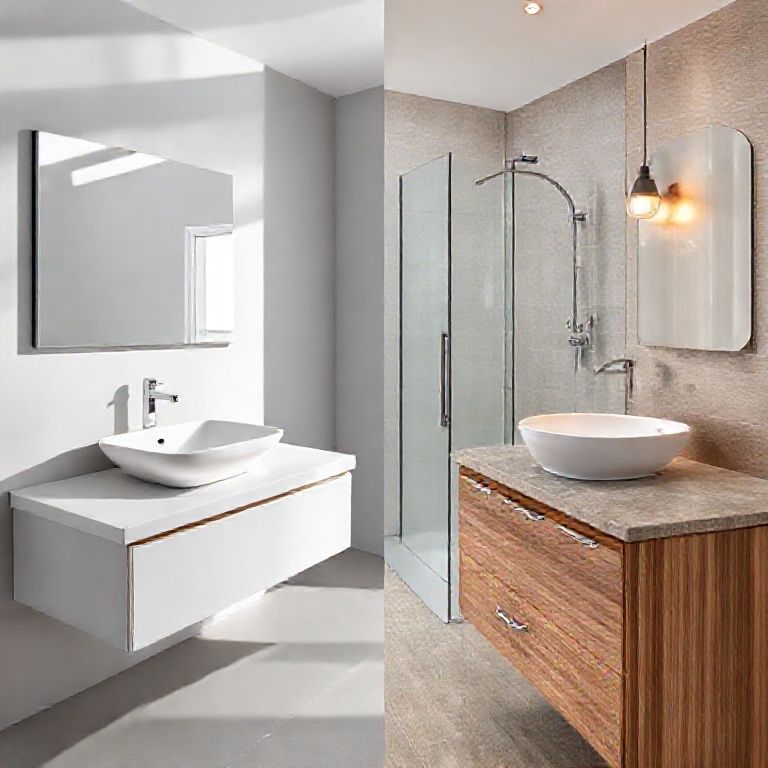
However, even the most elegant materials have their nuances. While ceramic is exceptionally durable, it’s not entirely impervious to chipping or cracking if subjected to a sharp, direct impact, especially on its edges. This is less of a concern for typical bathroom use but something to be mindful of during installation and everyday life. The installation itself can also be a bit more intricate, often requiring specialized tools and expertise due to the material’s density and hardness, which can sometimes translate to higher installation costs. When it comes to price, ceramic countertops can vary significantly depending on the brand, design complexity, and the thickness of the slab. While some designs can be quite budget-friendly, others, particularly those with intricate patterns or specialized finishes, can command a premium. It’s worth exploring a range of options to find a balance that aligns with your budget and design aspirations. Ultimately, ceramic offers a compelling blend of aesthetic flexibility and practical performance, making it a strong contender for homeowners looking to elevate their bathroom vanity.
Now, let’s pivot to the rising star in countertop materials: sintered stone. Imagine a material that takes the best qualities of natural stone, glass, and porcelain and fuses them together under extreme heat and pressure. That, in essence, is sintered stone. Often referred to by brand names like Dekton or Neolith, this is not your grandmother’s granite. This is a highly engineered product designed to withstand the rigors of modern living while offering unparalleled aesthetic appeal. The manufacturing process involves a specialized technique called sintering, where natural minerals are subjected to immense pressure and high temperatures, replicating geological processes that form stone over millennia, but in a matter of hours. The result is a material that is incredibly dense, virtually non-porous, and exceptionally strong.
The visual possibilities with sintered stone are, much like ceramic, quite expansive. Manufacturers are adept at creating surfaces that mimic natural stones like marble and quartzite with remarkable fidelity, capturing the intricate veining and subtle color variations that make these natural materials so desirable. However, sintered stone also opens doors to more contemporary and industrial aesthetics, with finishes that emulate concrete, metal, or even wood. This allows designers and homeowners to achieve a wide array of looks, from the sleek and ultra-modern to the rustic and earthy. The ability to produce large format slabs with minimal or even invisible seams is a significant advantage, contributing to a seamless and sophisticated finish that enhances the visual flow of the vanity. The sheer elegance and bespoke nature of many sintered stone designs mean it can truly become a statement piece in your bathroom.
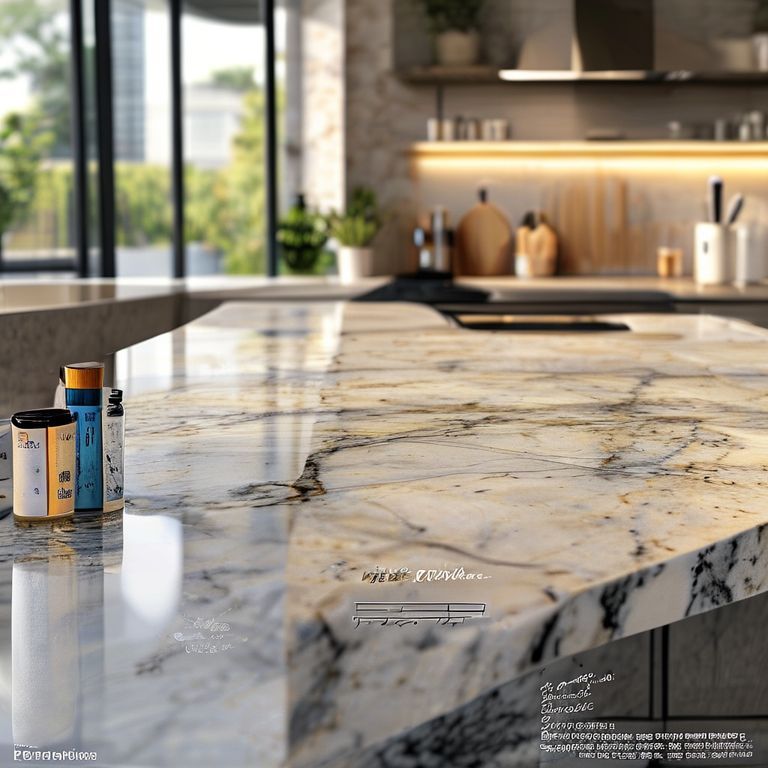
When we talk about performance, sintered stone truly shines. Its most impressive attribute is its extreme durability. It’s highly resistant to scratches, abrasions, and impacts, making it an excellent choice for high-traffic areas or households with children. Furthermore, its thermal shock resistance is exceptional, meaning it can withstand rapid changes in temperature without cracking or degrading. This is particularly relevant if you’re considering placing heated items, like styling tools, on the countertop, although caution is always advised. Like ceramic, sintered stone is completely non-porous, rendering it immune to stains from liquids, chemicals, and harsh cleaning agents. This makes maintenance incredibly straightforward. Spills are easily wiped away, and deep cleaning is rarely necessary. It’s also UV resistant, meaning its color will not fade over time, even in areas exposed to direct sunlight – a consideration for bathrooms with skylights or large windows. Its resistance to chemicals also means it can be cleaned with a wide range of products without fear of etching or discoloration.
Continuing our exploration into the world of bathroom vanity countertops, we’ve examined the compelling case for ceramic. Now, let’s delve deeper into the practicalities and aesthetic nuances of sintered stone, and then we’ll bring both materials together for a direct comparison to help you make the most informed decision for your bathroom oasis.
The extreme density of sintered stone is a key factor in its remarkable performance. This density translates to an incredibly hard surface that is difficult to scratch or chip. Imagine a countertop that can gracefully handle the daily onslaught of makeup, hair products, and accidental bumps without showing signs of wear. This robustness is a major selling point, particularly for busy households where durability is paramount. In terms of maintenance, it’s a dream. Because it’s so non-porous, liquids simply bead up on the surface, making them easy to wipe away with a soft cloth. Unlike natural stone which might require periodic sealing to prevent staining, sintered stone is inherently resistant and requires no such upkeep. This ease of maintenance is a significant benefit, freeing up your time and reducing the need for specialized cleaning products.
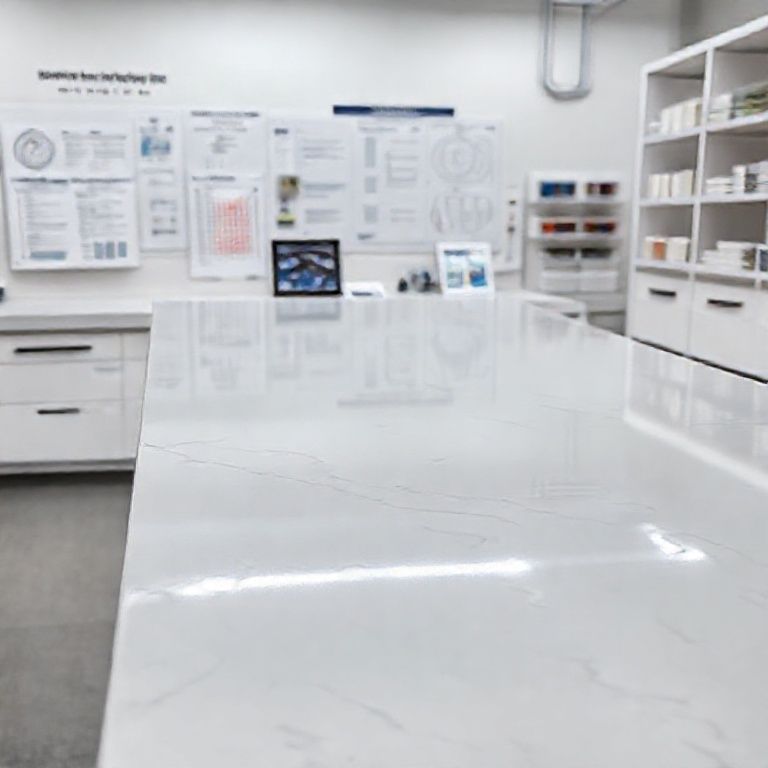
Aesthetically, sintered stone offers a sophisticated palette. While it excels at mimicking natural materials with astonishing accuracy, it also provides a canvas for truly contemporary designs. Think of deep, matte blacks that absorb light, or pure, crisp whites that create a sense of airy spaciousness. The large format slabs mean that intricate patterns, like dramatic veining or subtle textural variations, can flow across the entire vanity without interruption, creating a truly seamless and impactful visual statement. This can be particularly effective in creating a focal point in your bathroom design. The ability to achieve such a high level of detail and realism in its patterns means you can achieve the luxurious look of premium natural stone without the associated costs and maintenance demands.
However, like any material, sintered stone has its considerations. Its extreme hardness, while a benefit for durability, can also make it more challenging and costly to fabricate and install. Cutting into this dense material requires specialized diamond-tipped tools and a high level of expertise. This can sometimes translate to higher installation fees compared to other countertop options. While very resistant to impact, a very sharp or heavy object dropped directly onto an edge could potentially cause a chip or fracture, though this is generally less likely than with some other materials. The initial cost of sintered stone can also be higher than many other countertop options, including some ceramic varieties. This is due to the advanced manufacturing process and the high-quality raw materials used. However, when you factor in its longevity, minimal maintenance, and resistance to damage, the long-term value proposition can be quite compelling. It’s an investment in a surface that is designed to last and impress for many years.
Now, let’s bring ceramic and sintered stone head-to-head to see how they stack up for your bathroom vanity decision.
Aesthetics: Both materials offer incredible design flexibility. Ceramic often excels at a broader range of finishes, from matte to high-gloss, and can mimic a wider array of textures convincingly. Sintered stone, while also versatile, often leans towards more contemporary and natural stone-inspired looks with a particular emphasis on realism in veining and patterns. The choice here often comes down to your specific design vision. If you’re looking for a very specific textural imitation or a highly glossy finish, ceramic might have a slight edge in sheer variety. If you’re after the most realistic marble or quartzite look in a large format slab, sintered stone often takes the crown.
Durability & Performance: This is where sintered stone generally pulls ahead, especially in terms of impact resistance and thermal shock. Both are non-porous, stain-resistant, and scratch-resistant to a high degree. However, sintered stone is typically harder and denser, making it exceptionally robust against daily wear and tear, extreme temperatures, and even harsh chemicals. Ceramic is still very durable and performs exceptionally well in a bathroom setting, but if absolute maximum resilience is your priority, sintered stone has the edge.
Maintenance: Both are low-maintenance champions. Their non-porous nature means simple cleaning with soap and water is usually sufficient. Neither requires sealing. Sintered stone’s extreme density might make it even more impervious to staining and easier to wipe clean, but the difference is often negligible in practical, everyday bathroom use.
Cost: This is where the waters can get a bit more complex. Generally, high-quality ceramic countertops can be more budget-friendly than sintered stone. However, intricate ceramic designs or those with specialized finishes can rival or even exceed the cost of some sintered stone options. Sintered stone typically has a higher upfront cost for the material itself, and installation can also be more expensive due to the specialized labor required. It’s crucial to get detailed quotes for both material and installation to compare accurately.
Installation: Ceramic can be slightly easier to cut and fabricate than sintered stone, potentially leading to slightly lower installation costs. However, both require professional installation for best results, especially when dealing with large format slabs.
Environmental Considerations: Both ceramic and sintered stone are manufactured products, and their environmental impact during production can vary by manufacturer. Many brands are now focusing on sustainable manufacturing processes and using recycled content. Natural stone, while beautiful, has a significant carbon footprint associated with quarrying and transportation. When comparing ceramic and sintered stone, it’s worth looking into the specific sustainability practices of the brands you are considering.
Ultimately, the “better” material isn’t a universal truth; it’s entirely dependent on your priorities. If your budget is a primary concern and you still want excellent aesthetics and good durability, high-quality ceramic is a fantastic option. If you’re seeking the absolute pinnacle of durability, resistance to virtually everything, and a seamless, high-end look, and your budget allows, sintered stone is an exceptional choice.
Think about how you use your bathroom. Are you someone who prioritizes a perfectly pristine, showroom look that requires minimal effort to maintain, even with family use? Or are you looking for a material that offers a beautiful aesthetic and good performance at a more accessible price point? By weighing these factors – aesthetics, durability, maintenance, cost, and your personal lifestyle – you can confidently select the countertop material that will transform your bathroom vanity into the stylish, functional, and serene sanctuary you deserve. The journey to your dream bathroom is paved with these thoughtful decisions, and understanding the strengths of materials like ceramic and sintered stone is a significant step towards creating a space that truly reflects you.









