The Benefits of Artificial Marble
${part1}
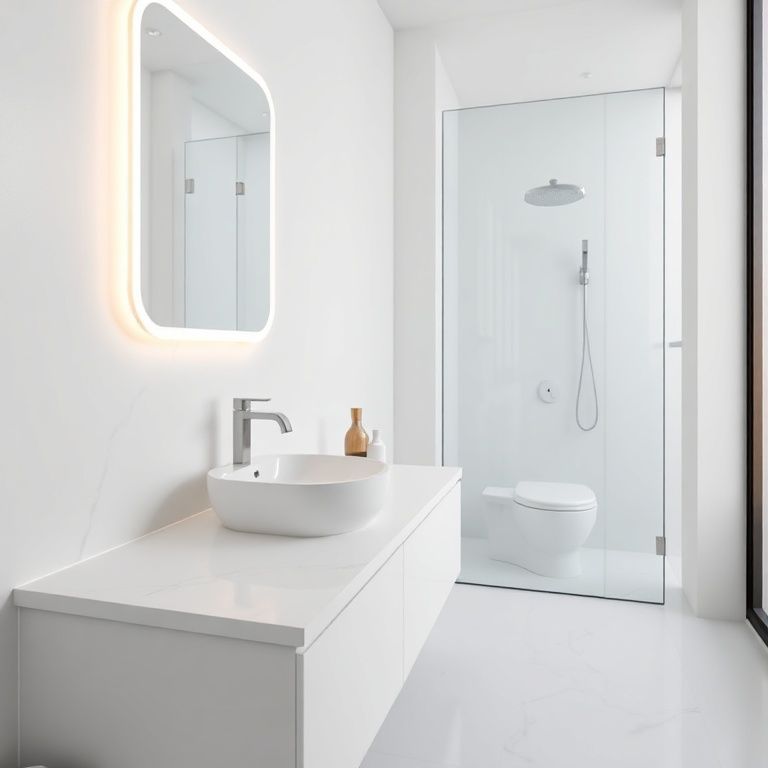
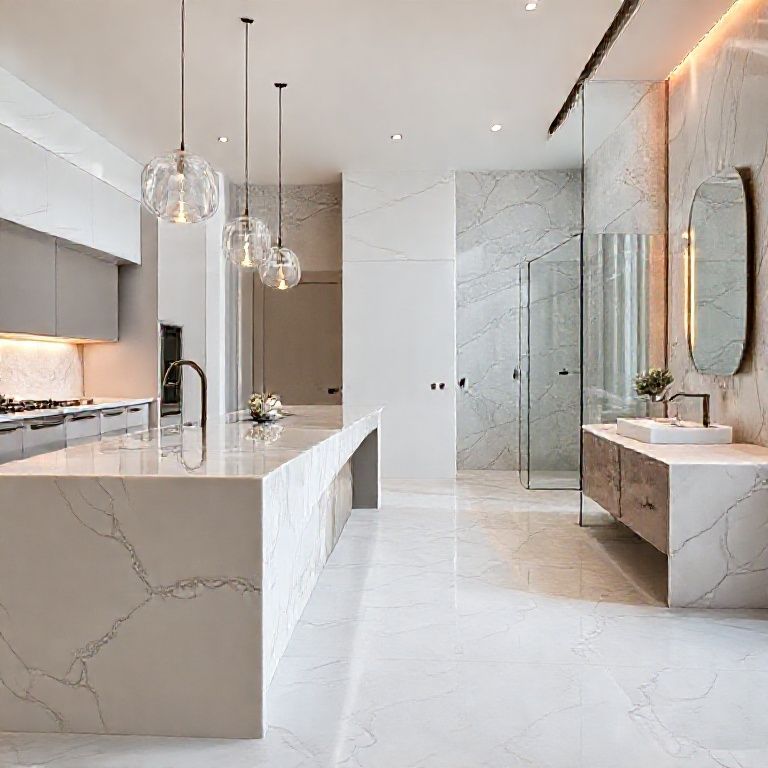
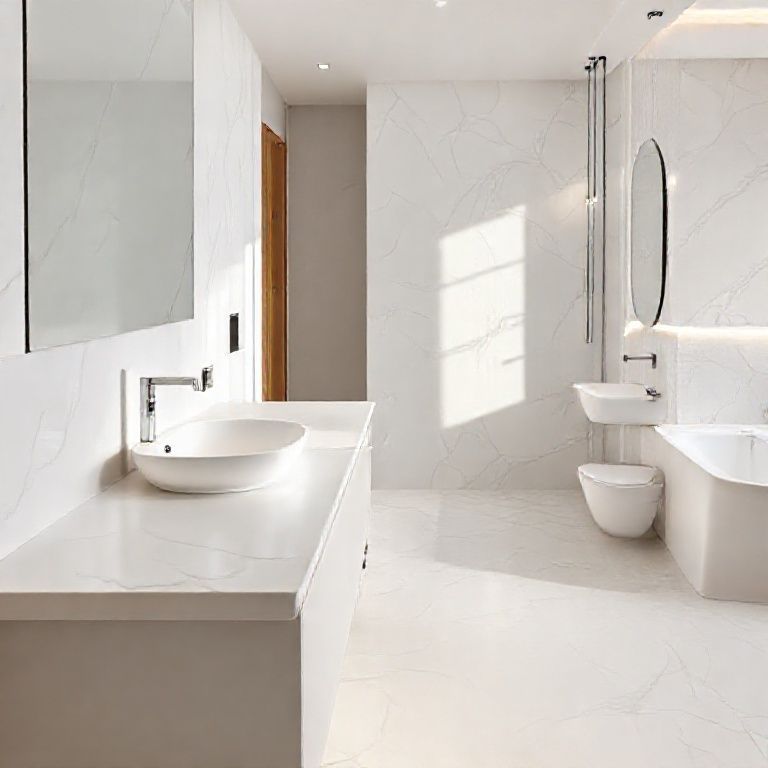
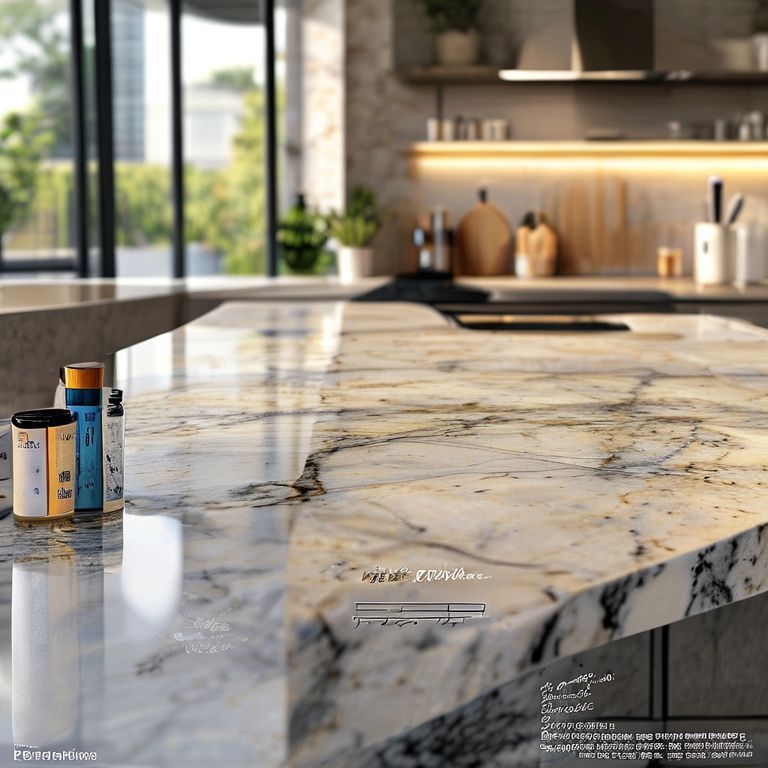
Artificial marble, often referred to as cultured marble, has gained immense popularity in recent years due to its versatile and appealing qualities. This synthetic material combines the beauty of natural stone with the practicality of a more durable and cost-effective alternative. Here, we explore the myriad benefits of artificial marble in detail.

1. Aesthetic Versatility
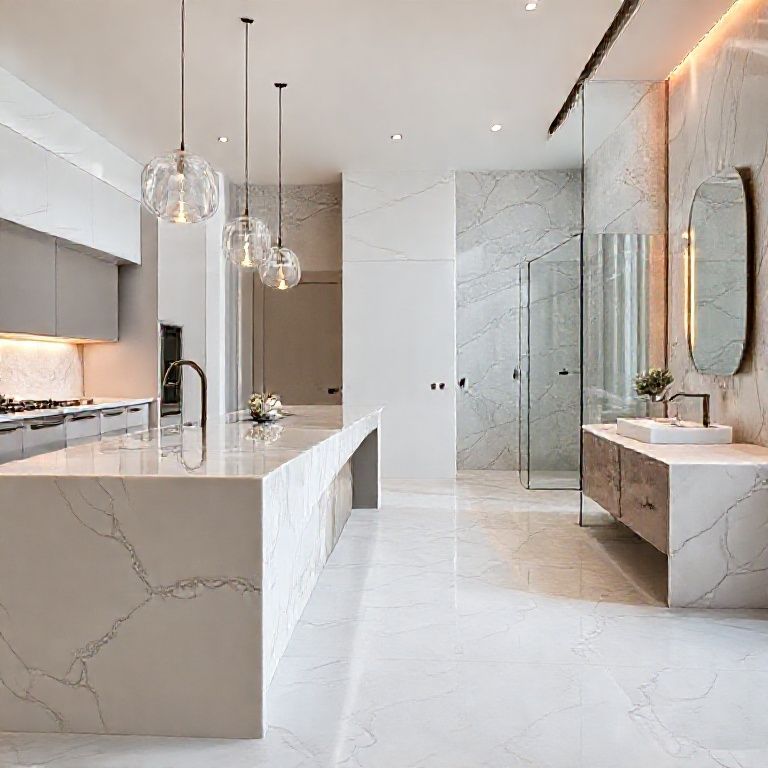
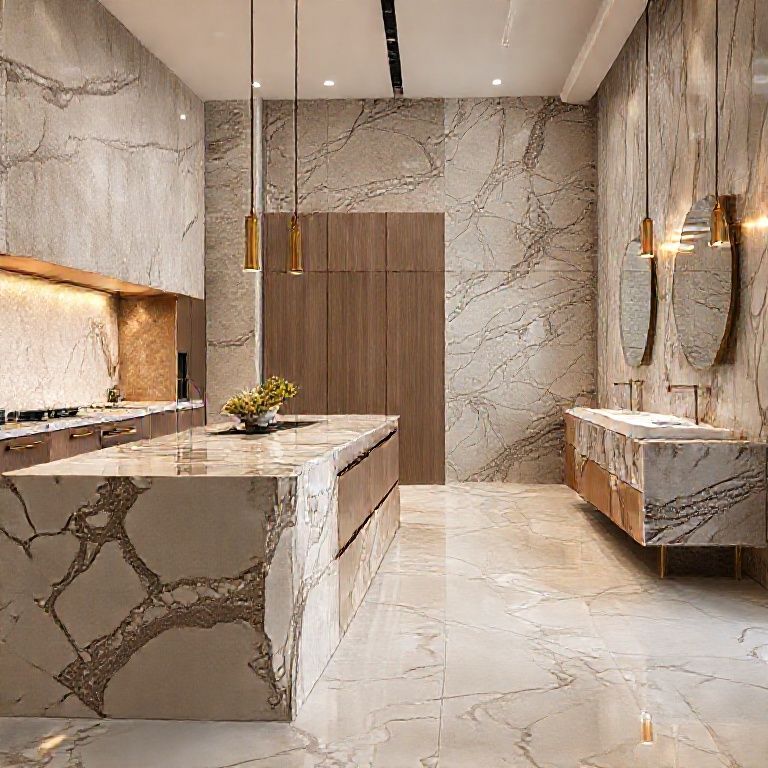
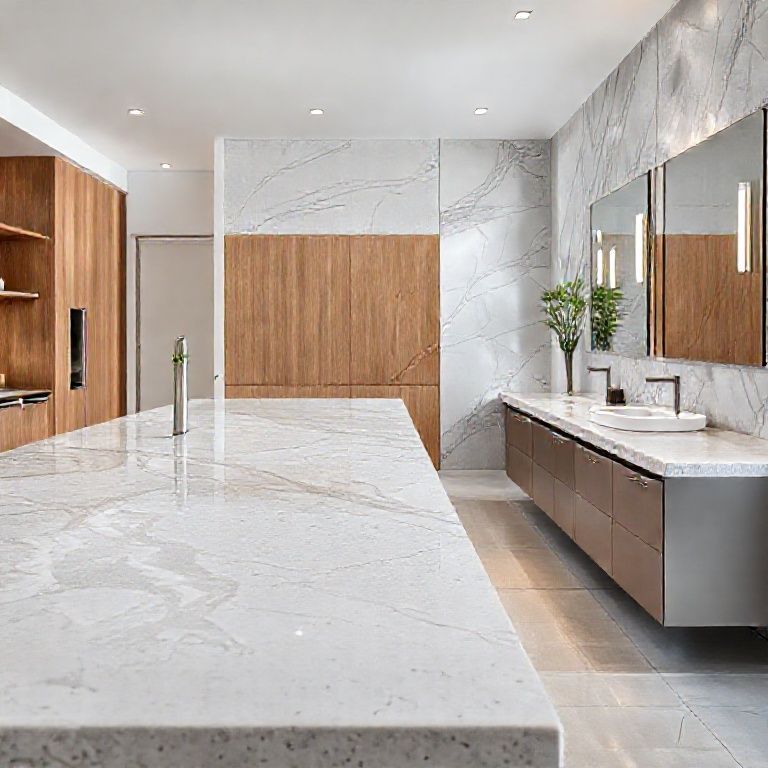
One of the most significant advantages of artificial marble is its stunning aesthetic versatility. Unlike natural stone, which comes with a limited range of colors and patterns, artificial marble can be produced in virtually any color or design imaginable. This makes it an excellent choice for modern, custom, and traditional designs alike. Architects and designers love it for its ability to mimic the appearance of various natural stones, including marble, granite, and even wood.
2. Durability and Strength
Artificial marble is known for its superior durability and strength. It’s crafted from a mixture of limestone, marble dust, acrylic resin, and other binding agents. This combination results in a material that is incredibly resistant to stains, scratches, and impact. Unlike natural stone, which can be prone to cracking and chipping, artificial marble provides a more resilient option that can withstand the test of time and daily use.
3. Water Resistance
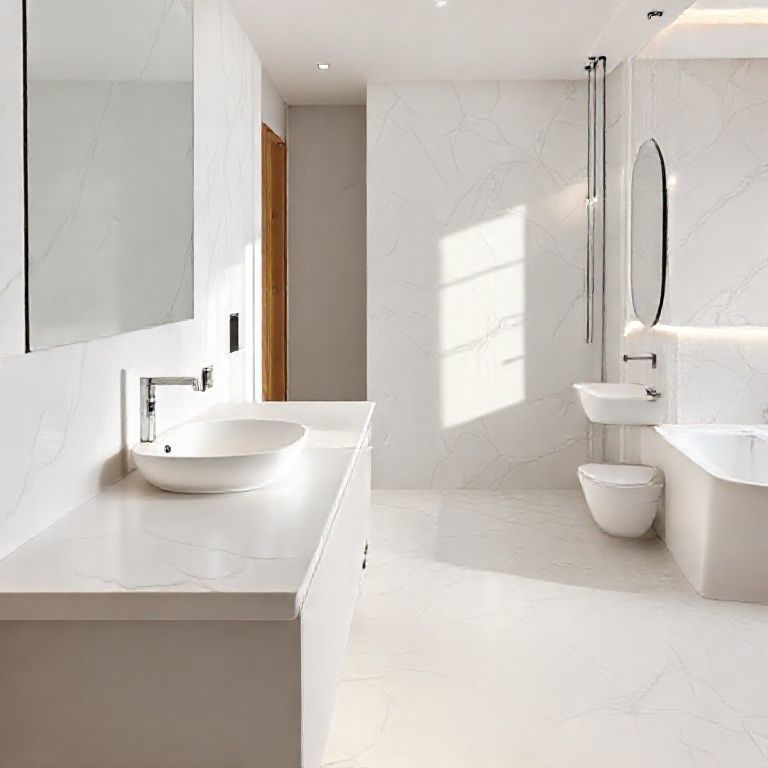
Water resistance is another key benefit of artificial marble. While natural stone can absorb water and even develop stains over time, artificial marble remains impervious to moisture. This makes it an ideal choice for high-traffic areas such as kitchens, bathrooms, and commercial spaces where water exposure is a constant factor.
4. Cost-Effectiveness
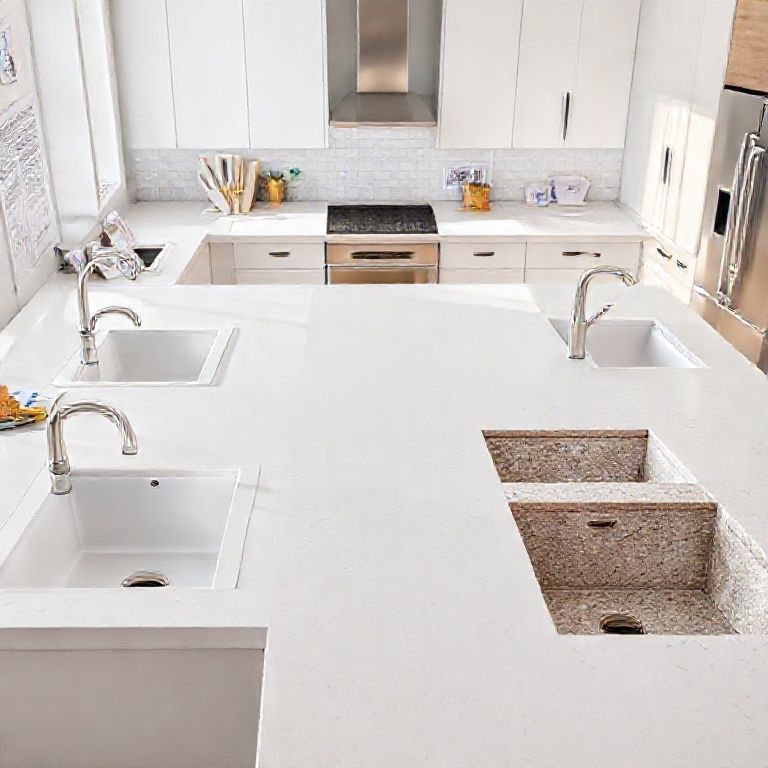
Artificial marble offers a more cost-effective alternative to natural stone. The production process is more economical, which translates to lower prices for consumers. Additionally, the durability of artificial marble means that it requires less maintenance and fewer replacements over time, further adding to its cost-effectiveness. For those on a budget, this material provides a luxurious look at a fraction of the cost.
5. Easy Maintenance
One of the most appealing aspects of artificial marble is its ease of maintenance. Unlike natural stone, which often requires sealing and regular upkeep to maintain its appearance, artificial marble is simple to clean. A gentle wipe with a damp cloth and mild soap is usually sufficient to keep it looking pristine. This simplicity makes it a popular choice for busy households and commercial environments where cleaning is a daily task.
6. Customizability
Artificial marble offers a high degree of customizability. Its composition allows manufacturers to create specific textures, colors, and patterns to match any design vision. This flexibility makes it an excellent choice for bespoke projects where unique designs are required. The ability to create custom slabs, tiles, and even intricate sculptures is a significant advantage over traditional stone materials.
7. Environmentally Friendly
From an environmental perspective, artificial marble is a more sustainable choice compared to natural stone. The production of natural stone can involve significant environmental impact due to mining and quarrying activities. In contrast, artificial marble manufacturing is a more controlled process that typically has a lower carbon footprint. Additionally, the use of recycled materials in its production further enhances its eco-friendly credentials.
8. Installation Flexibility
The installation process for artificial marble is straightforward and flexible. It can be easily cut to fit various shapes and sizes, making it suitable for both standard and custom installations. Unlike natural stone, which can be challenging to work with due to its density and brittleness, artificial marble’s flexibility simplifies the installation process, saving time and reducing labor costs.
The Drawbacks of Artificial Marble
${part2}
While artificial marble boasts a host of advantages, it is essential to consider its drawbacks to make an informed decision. This second part delves into the limitations of artificial marble, providing a balanced view for those considering this material.
1. Aesthetic Limitations
Despite its versatility, artificial marble does have some aesthetic limitations. While it can mimic the appearance of natural stone, there are subtle differences that may be noticeable to the discerning eye. The surface texture and the way light interacts with artificial marble can sometimes lack the natural beauty and imperfections found in real stone. This can be a drawback for those seeking the authenticity of natural materials.
2. Weight
Artificial marble is significantly lighter than natural stone. This weight difference can be an issue in certain applications where structural integrity is paramount. The lighter weight of artificial marble may not be suitable for heavy-duty installations or areas subjected to high stress.
3. Temperature Sensitivity
Artificial marble can be sensitive to high temperatures. While it is resistant to stains and scratches, exposure to extreme heat can cause discoloration or damage to the surface. This makes it less ideal for areas where hot pots, pans, or appliances are placed directly on the surface, such as in some kitchen designs.
4. Cost of Repairs
Although artificial marble is durable, it is not indestructible. If it does suffer damage, repairs can be more challenging and costly compared to natural stone. The material is not as easily repaired as it can be replaced with a new piece. This can result in higher costs for repairs, especially in high-traffic areas where damage is more likely.
5. Odor and VOCs
During the production and initial curing process, artificial marble may emit volatile organic compounds (VOCs). These can cause odors and, in some cases, may pose health risks. However, advancements in manufacturing have significantly reduced these emissions, and high-quality products are now available that minimize this issue.
6. Limited Availability
While artificial marble is widely available, its selection may not match the extensive variety offered by natural stone. The range of colors, patterns, and textures can be more limited, especially for highly specialized or custom designs. This can be a challenge for projects requiring a specific look that artificial marble cannot replicate perfectly.
7. Surface Finish
The surface finish of artificial marble can sometimes be less refined than natural stone. The manufacturing process, while advanced, may not achieve the same level of natural beauty and intricate detail found in high-quality natural stone. This can be a consideration for those seeking the utmost in luxury and natural aesthetics.
8. Longevity Concerns
Although artificial marble is designed to be long-lasting, its longevity can be influenced by its exposure to certain conditions. For instance, while it is resistant to water, exposure to very hot temperatures over long periods can still cause damage. This requires careful consideration of the specific environment in which it will be used to ensure its longevity.
9. Installation Challenges
While artificial marble is relatively easy to install, it is not without its challenges. Achieving a seamless fit in intricate designs or tight spaces can be more difficult compared to natural stone, which can often be more easily manipulated. Professional installation is often recommended to ensure the best results.
10. Market Perception
Finally, there is still a perception in some circles that artificial marble is not as prestigious as natural stone. While this is changing as more people recognize its benefits, it can still influence the choice of some consumers who prioritize the perceived value of natural materials.
In conclusion, while artificial marble offers numerous benefits such as aesthetic versatility, durability, and cost-effectiveness, it also comes with some drawbacks that need careful consideration. By understanding both the pros and cons, one can make a well-informed decision that best suits their specific needs and preferences. Whether for residential or commercial projects, artificial marble remains a compelling choice in the world of modern materials.