
The quest for the perfect surface – be it for a kitchen countertop that dazzles, a bathroom vanity that soothes, or a bespoke architectural feature that inspires – often leads us down a path of material exploration. Among the frontrunners, two materials consistently capture attention: acrylic and solid surface. While their names might sound similar, and indeed they share a certain modern elegance, their differences are as distinct as a watercolor wash from an oil painting. This isn’t just about choosing a material; it’s about curating an experience, a feeling, a signature style for your space.

Imagine walking into a kitchen. The countertop is the undisputed star, the stage upon which culinary artistry unfolds. Now, envision two distinct stages. One, perhaps, gleams with a luminous, almost liquid-like sheen, its colors vibrant and pure, feeling cool and seamless to the touch. The other, while equally refined, might possess a subtle depth, a whisper of texture, and a reassuring solidity that speaks of enduring craftsmanship. These are the subtle yet significant personalities of acrylic and solid surface, respectively.
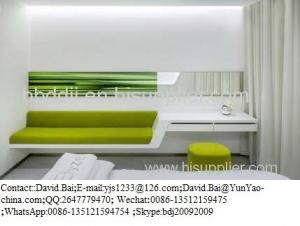
Acrylic, often known by brand names like Corian (though Corian is a specific brand of solid surface, the confusion is common), is a polymethyl methacrylate (PMMA) composite. It’s a material that truly embraces the possibilities of modern manufacturing. Its inherent translucence allows for an incredible spectrum of colors, from the deepest, most saturated hues to ethereal, milky whites and even those that can be backlit, creating a captivating play of light and shadow. This translucency is a key differentiator. When you hold an acrylic sample up to the light, you’ll notice how it glows, absorbing and diffusing the illumination. This quality lends itself to breathtaking design elements – floating shelves that seem to defy gravity, reception desks that invite interaction, and artistic installations that blur the lines between furniture and sculpture.
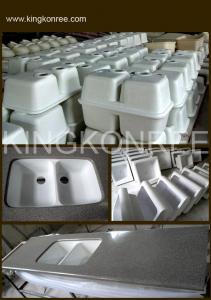
The manufacturing process for acrylic allows for an astonishing level of customization. It can be thermoformed, meaning it can be heated and bent into gentle curves, dramatic waves, or intricate three-dimensional shapes. This malleability opens up a world of design freedom, allowing architects and interior designers to push creative boundaries without compromise. Think of a waterfall edge that flows seamlessly from countertop to floor, or a bespoke bar with organically sculpted seating integrated into its form. The absence of visible seams is another hallmark of acrylic. When fabricated and installed by skilled professionals, adjacent pieces can be joined with a special adhesive that cures to become as strong as the parent material, rendering the joint virtually invisible. This creates a monolithic, clean, and hygienic surface, which is particularly advantageous in kitchens and bathrooms where cleanliness is paramount.
The aesthetic appeal of acrylic is undeniable. It often presents a brighter, more uniform color palette compared to some solid surfaces. Its surface is typically smooth and non-porous, resisting stains and moisture effectively. However, this very smoothness can also be a point of consideration. While highly durable, acrylic can be more susceptible to scratching and heat damage than its solid surface counterpart if not treated with care. Think of it as a beautifully polished gemstone; it possesses a stunning luster but requires mindful handling to maintain its pristine condition. For everyday use, especially in high-traffic areas, a conscious effort to use cutting boards and trivets is advisable.
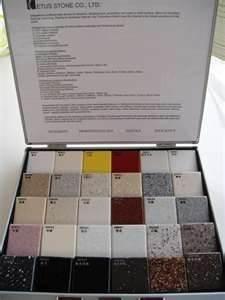
Now, let’s pivot to solid surface. This category is broader, encompassing materials that are typically a blend of natural minerals (like bauxite ore) and acrylic or polyester resins, along with pigments. The “solid” in solid surface refers to the fact that the material is homogeneous throughout its thickness. Unlike laminates, where a decorative layer is bonded to a core, solid surface is the same color and composition all the way through. This is a crucial advantage, as any scratches or minor damage can be sanded out, and the surface can be restored to its original glory.
The visual and tactile experience of solid surface is often described as more substantial, with a natural, almost stone-like feel. While it can achieve a seamless appearance, the joining process, though often invisible to the casual observer, might possess a slightly different visual continuity than that of pure acrylic. The color palette for solid surface materials is vast, ranging from earthy tones and subtle marbling to bold, contemporary patterns. Some solid surfaces can even mimic the look of natural stone with remarkable fidelity, offering a more budget-friendly and lower-maintenance alternative.
The non-porous nature of solid surface is a significant benefit, making it resistant to bacteria, mold, and mildew. This, coupled with its ability to be thermoformed (though often with slightly less dramatic curves than pure acrylic) and its seamless installation capabilities, makes it a highly practical choice for kitchens, bathrooms, healthcare settings, and commercial spaces. However, the degree of translucency in solid surface materials is generally less pronounced than in acrylic. While some lighter colors might allow for a subtle diffusion of light, they are not typically designed for backlighting in the same way that specific acrylic formulations are.
The texture of solid surface can also vary. While many are smooth, some can have a more matte or textured finish that can be more forgiving with minor wear and tear. This offers a different tactile experience – less of the cool, slick feel of acrylic, and more of a comforting, grounded presence. When considering durability against scratches, solid surface generally holds an edge over acrylic. While both can be scratched, the ability to sand out scratches from solid surface is a significant advantage for long-term maintenance.
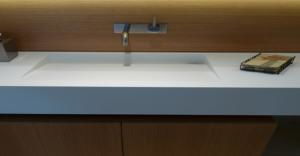
In essence, the distinction between acrylic and solid surface is a nuanced dance between aesthetic ambition and practical application. Acrylic often shines brightest when the goal is dramatic visual impact, intricate shaping, and that luminous, almost ethereal quality. Solid surface, on the other hand, excels in its all-around performance, offering a robust, versatile, and highly functional material that can still deliver significant aesthetic appeal. The choice between them is not a matter of one being superior to the other, but rather a thoughtful alignment with the specific demands and desired character of your living or working environment. It’s about understanding the visual language each material speaks and selecting the one that best articulates your vision.
Continuing our visual exploration into the distinct personalities of acrylic and solid surface, we delve deeper into the nuances that set these remarkable materials apart. If Part 1 introduced you to their fundamental characteristics – the luminous allure of acrylic and the robust versatility of solid surface – then this section is where we truly appreciate the finer details, the practical implications, and the unique ways each material can transform a space. It’s about moving beyond the broad strokes and examining the brushwork, the texture, and the overall composition of your design.
Let’s revisit the concept of light. Acrylic’s inherent translucency is a design element in itself. Imagine a kitchen island with a waterfall edge crafted from a pearlescent white acrylic. When lit from within, or even by ambient light, the material seems to glow from within, creating a captivating focal point that adds a layer of sophistication and warmth. This is a capability that pure solid surfaces, while offering excellent color and durability, generally cannot replicate to the same degree. While some lighter shades of solid surface can diffuse light to a certain extent, the deep, internal radiance achievable with specific acrylic formulations is unparalleled. This makes acrylic a top choice for projects where backlighting is a key design feature, such as illuminated bar tops, feature walls, or even translucent reception desks that create a memorable first impression. The visual poetry of light playing through acrylic is a powerful tool in the designer’s arsenal.
However, this luminous quality comes with a consideration for its surface characteristics. Acrylic, with its smoother, more uniform finish, can be more prone to showing minor scratches from everyday use compared to some solid surfaces. Think of it like a highly polished piece of glass versus a subtly textured stone. While both are beautiful, the glass will reveal every fingerprint and minor abrasion more readily. This doesn’t mean acrylic is fragile; it’s a highly durable material. But it does mean that for kitchens where knives might be used directly on the surface or for high-traffic areas where abrasive cleaning might occur, a conscious effort towards preventative care – using cutting boards, trivets, and non-abrasive cleaners – is essential to maintain its pristine, showroom-like appearance. The beauty of acrylic is often in its flawless finish, and preserving that finish is key to its long-term aesthetic appeal.
Now, let’s consider the tactile and visual depth of solid surface. While acrylic can offer a spectrum of colors, solid surface materials often provide a richer, more complex palette that can mimic natural materials with impressive accuracy. Imagine a kitchen countertop in a rich, veined pattern that looks remarkably like granite or marble, but without the inherent porosity and maintenance challenges of natural stone. This ability to replicate the aesthetics of natural materials, often at a more accessible price point, is a significant advantage of solid surface. The subtle variations in color and pattern within solid surface can also be more forgiving in hiding minor scuffs or imperfections compared to the uniform, flawless finish of some acrylics.
Furthermore, the composition of solid surface, which typically includes a higher proportion of mineral filler compared to acrylic, can contribute to a slightly different feel. It often possesses a reassuring solidity, a substantial weight that speaks of durability. While both materials can be thermoformed, the degree of curvature and complexity achievable might differ. Pure acrylic often allows for more dramatic and intricate shaping due to its inherent plasticity. Solid surfaces can also be shaped, but perhaps with a focus on softer curves and more functional forms, rather than the extreme artistic expressions that acrylic can facilitate.
The repairability of solid surface is a standout feature. Its homogeneous nature means that if a scratch occurs, or if a chip happens, the damaged area can be sanded down, and the surface can be restored to its original condition. This makes solid surface an exceptionally practical choice for busy households or commercial environments where durability and ease of maintenance are paramount. Imagine a busy family kitchen where spills and scrapes are inevitable; the ability to simply sand out a scratch and have the countertop looking as good as new is invaluable. This inherent resilience contributes to a longer lifespan and a more worry-free ownership experience for many users.
When it comes to installation and aesthetics, both materials offer the advantage of seamless integration. However, the “seamlessness” can present slightly differently. Acrylic, with its advanced adhesive technology, can often achieve a truly invisible joint, creating a monolithic appearance. Solid surfaces also boast seamless joints, though in certain lighting conditions or with specific patterns, a discerning eye might detect a subtle line. This is a minor point, and in most practical applications, the seamless finish of both materials is a major design benefit, eliminating grout lines and creating a smooth, hygienic surface.
In summary, the visual symphony of acrylic versus solid surface is played out in their distinct approaches to light, texture, repairability, and form. Acrylic often leads with its luminous beauty, its capacity for dramatic shaping, and its ability to create a statement of pure, unadulterated modern design. It’s the material for those who dream in light and form. Solid surface, on the other hand, offers a compelling blend of aesthetic appeal, robust durability, and practical resilience. It’s the workhorse that doesn’t compromise on beauty, excelling in its ability to mimic natural materials, withstand the rigors of daily life, and be easily restored to its former glory.
The choice between them is a deeply personal one, guided by the specific demands of the space and the aesthetic narrative you wish to create. Do you envision a surface that glows with inner light, a canvas for intricate curves and forms? Acrylic might be your muse. Or perhaps you seek a material that offers unwavering durability, a touch of natural elegance, and the peace of mind that comes with effortless repair? Solid surface could be your perfect partner. Ultimately, understanding these visual and tactile differences empowers you to make an informed decision, ensuring that the surfaces you choose not only function beautifully but also resonate with your personal style and the soul of your environment. It’s about selecting the right notes for your visual composition, creating a harmonious and enduring masterpiece.









