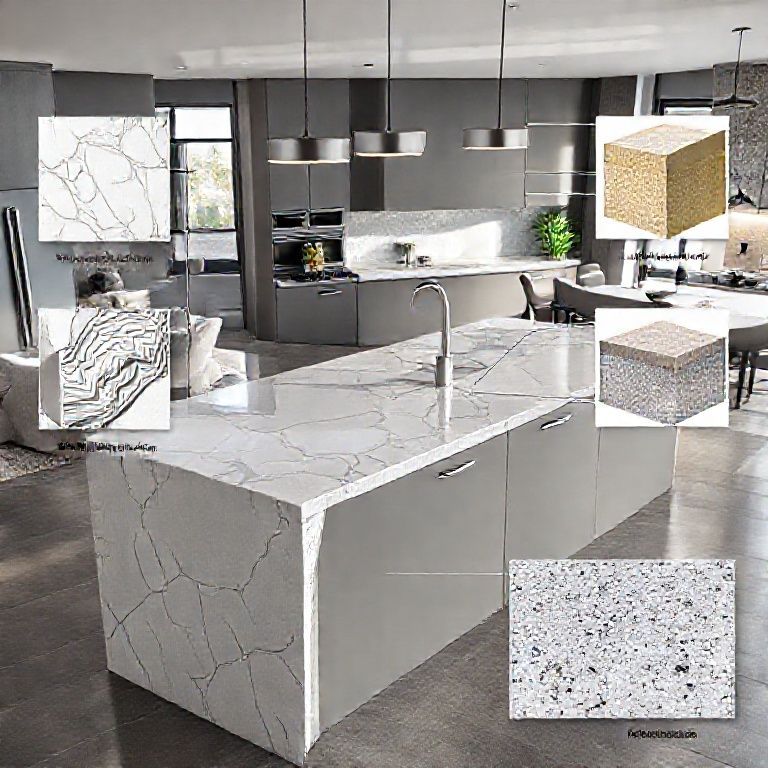
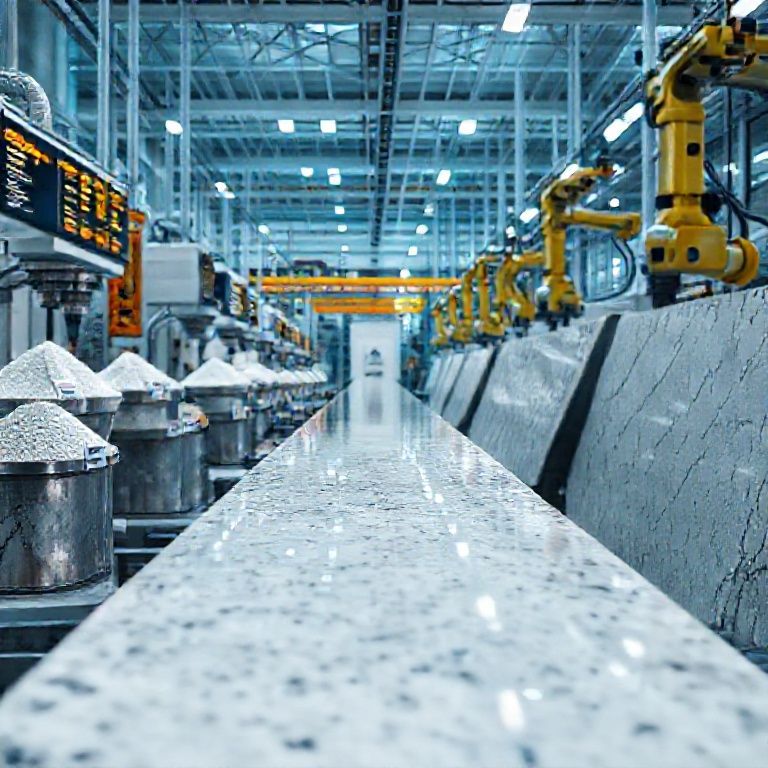
The gleam of a perfectly crafted countertop, the sleek expanse of a modern vanity, the understated elegance of a bespoke reception desk – these are often the first impressions artificial stone makes in our spaces. It’s a material that whispers quality, a testament to contemporary design’s ability to mimic and even enhance the natural world. But beneath this alluring surface lies a more grounded reality, one defined by substance, by weight. When we talk about 2cm thick artificial stone, we’re not just discussing a dimension; we’re opening a conversation about density, about the very physicality that makes it such a desirable and robust material.

Understanding the weight of 2cm artificial stone isn’t merely an academic exercise for fabricators and installers, though for them, it’s a critical piece of the logistical puzzle. It dictates everything from how a slab is transported and handled to the structural considerations required for its installation. For designers and homeowners, however, this weight translates into tangible qualities: stability, durability, and a sense of permanence. It’s the reassuring heft that tells you this isn’t a flimsy imitation; it’s a material built to last, to withstand the rigors of daily life, and to remain a beautiful focal point for years to come.
So, how do we quantify this “weight of sophistication”? The precise weight of 2cm artificial stone isn’t a fixed, universal number. It’s a dynamic figure influenced by a fascinating interplay of factors, primarily the composition and density of the specific material. Artificial stone, in its various forms such as engineered quartz and solid surface, is a composite material. This means it’s manufactured by combining different elements, and the ratio and type of these elements significantly impact the final density.
Engineered quartz, for instance, is typically composed of around 90-95% natural quartz crystals, bound together with resins and pigments. The natural quartz, a mineral of considerable density, forms the backbone of the material. The resins, while lighter, fill the interstitial spaces, creating a non-porous and remarkably strong surface. The exact proportion of quartz to resin, along with the specific type of resin used, will subtly alter the overall density. A higher quartz content generally leads to a denser, and therefore heavier, material.
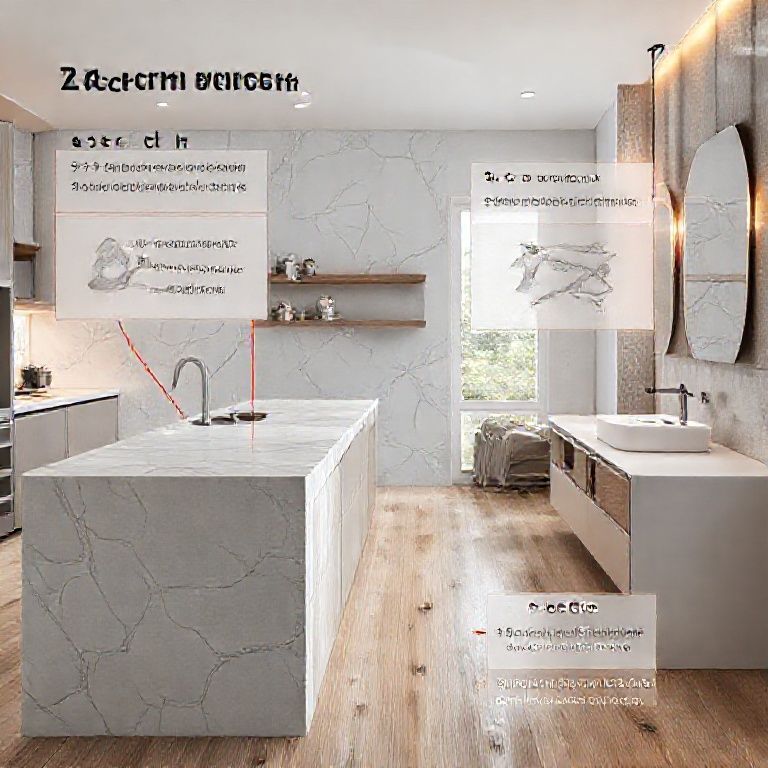
Solid surface materials, on the other hand, often comprise acrylic polymers and mineral fillers, such as alumina trihydrate (ATH). ATH is derived from bauxite ore and is a fine, white powder. While it contributes to the material’s fire-retardant properties and opacity, its density is generally lower than that of quartz. Consequently, a 2cm thick solid surface slab might weigh less than a similarly dimensioned engineered quartz slab.
Beyond the primary components, the manufacturing process itself plays a role. The techniques used to compact and cure the material can influence the density. Processes that achieve a more uniform and tightly packed structure will result in a heavier product. Pigments and additives, though usually present in smaller quantities, can also have a minor impact on density.
To give a concrete, albeit approximate, idea, a common benchmark for 2cm thick engineered quartz is around 30-35 kilograms per square meter (kg/m²). This translates to roughly 6-7 pounds per square foot. So, if you’re envisioning a standard kitchen countertop, say 3 meters long and 0.6 meters wide, the total weight of the 2cm quartz slab could easily reach 54-63 kg, or about 119-139 pounds. That’s a substantial piece of material, equivalent to a small, very dense dog!

For solid surface materials with a 2cm thickness, the weight per square meter might range from 25-30 kg/m² (approximately 5-6 pounds per square foot). This means the same 3m x 0.6m countertop would weigh approximately 45-54 kg (99-119 pounds). While this difference might seem marginal in absolute terms, when dealing with large slabs or multiple pieces, it becomes a significant consideration for handling and structural support.
It’s also worth noting that “artificial stone” is a broad term. Different manufacturers will have their proprietary formulations, leading to slight variations even within the same category (e.g., quartz vs. quartz). Always consult the specific manufacturer’s specifications for the most accurate weight information. They often provide technical data sheets that detail the density and recommended handling procedures for their products. This level of detail is crucial for architects, builders, and anyone involved in the planning and execution of a project.
The weight of 2cm artificial stone is, therefore, a complex equation, a blend of raw materials, manufacturing prowess, and precise formulation. It’s not just about how much it weighs, but what that weight signifies. It speaks to the material’s inherent strength, its resistance to impact and abrasion, and its ability to maintain its integrity over time. This tangible substance is what allows artificial stone to function as a durable and reliable surface in high-traffic areas, promising both aesthetic pleasure and enduring performance.

The weight of 2cm artificial stone, as we’ve explored, is more than just a number on a scale. It’s a tangible manifestation of the material’s intrinsic properties and a critical factor in its practical application. This heft directly influences its suitability for various design scenarios, the engineering required for its installation, and ultimately, its long-term performance and perceived value. Understanding this weight allows us to appreciate the material on a deeper, more functional level.
For interior designers and homeowners, the weight of 2cm artificial stone conveys a sense of quality and permanence. A thick, substantial countertop or vanity top feels inherently more robust and luxurious than a thinner, lighter alternative. This perceived solidity contributes to the overall aesthetic and the tactile experience of interacting with the material. It’s the difference between a surface that feels merely decorative and one that feels like a foundational element of the space, capable of withstanding the demands of everyday life. This is particularly important in kitchens, where countertops are subjected to chopping, spills, and the placement of hot pans, or in bathrooms, where they contend with moisture and heavy use. The weight of the 2cm slab is a silent promise of its resilience.
However, this substantial nature introduces practical considerations, especially during the installation phase. The weight necessitates careful planning and often specialized equipment. Transporting large slabs of 2cm artificial stone requires sturdy vehicles, adequate manpower, or even machinery like forklifts or cranes for very large or heavy pieces. On-site, moving these slabs from delivery points to their final positions – often up stairs or through narrow doorways – demands precision and experienced handling. This is where the expertise of professional fabricators and installers becomes indispensable. They understand the weight distribution, the potential stress points, and the appropriate techniques to maneuver these heavy materials without damaging them or the surrounding environment.
Furthermore, the weight of the artificial stone impacts the supporting structures. Cabinetry designed to support a 2cm thick countertop must be robust enough to bear the load. Standard kitchen cabinets might require reinforcement, especially if they are older or not designed for particularly heavy surfaces. This might involve adding extra bracing, using stronger plywood for the cabinet tops, or ensuring that the cabinet carcasses are securely fastened to the wall. For islands or freestanding units, the underlying framework must be engineered to safely support the considerable weight of the stone, preventing any risk of sagging or structural failure over time. This is a crucial aspect of the design process, often overlooked by those without a background in construction or fabrication. It’s not just about the beauty of the stone; it’s about ensuring the entire installation is safe and stable.
The density that contributes to the weight also plays a role in the material’s performance characteristics. For engineered quartz, its non-porous nature, achieved through high-pressure manufacturing processes that compact the quartz and resin, makes it highly resistant to staining, scratching, and heat. The weight is a direct indicator of this tight molecular structure. Similarly, denser solid surface materials will exhibit greater resistance to impact and abrasion. This means that while a 2cm slab might be heavier, it also promises a more durable and low-maintenance surface compared to lighter, less dense alternatives.
The choice between 2cm and a thicker variant, such as 3cm (which would be approximately 1.5 times heavier, depending on material density), often comes down to a balance of aesthetics, structural requirements, and budget. While thicker stone can offer a more dramatic visual presence and might, in some cases, reduce the need for extensive sub-support, the 2cm thickness strikes a popular middle ground. It provides a substantial feel and excellent durability without the excessive weight and potential cost implications of thicker slabs. For many standard applications, 2cm offers the optimal combination of elegance, practicality, and robust performance.
In conclusion, the weight of 2cm artificial stone is a multifaceted attribute that influences everything from initial aesthetic perception to the practicalities of installation and long-term durability. It’s a characteristic that underscores the material’s quality, demanding respect for its physical presence and requiring careful planning for its integration into our living and working spaces. Far from being a mere detail, this tangible substance is an integral part of what makes artificial stone such a compelling choice for modern design, offering a beautiful and enduring foundation for our everyday lives. It’s a weight that signifies strength, stability, and a sophisticated investment in enduring style.