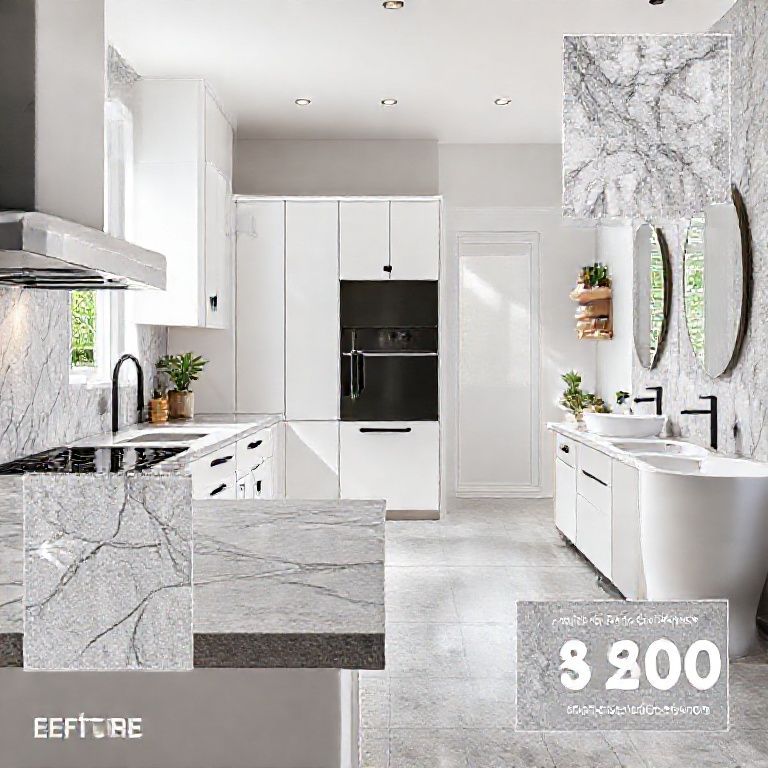
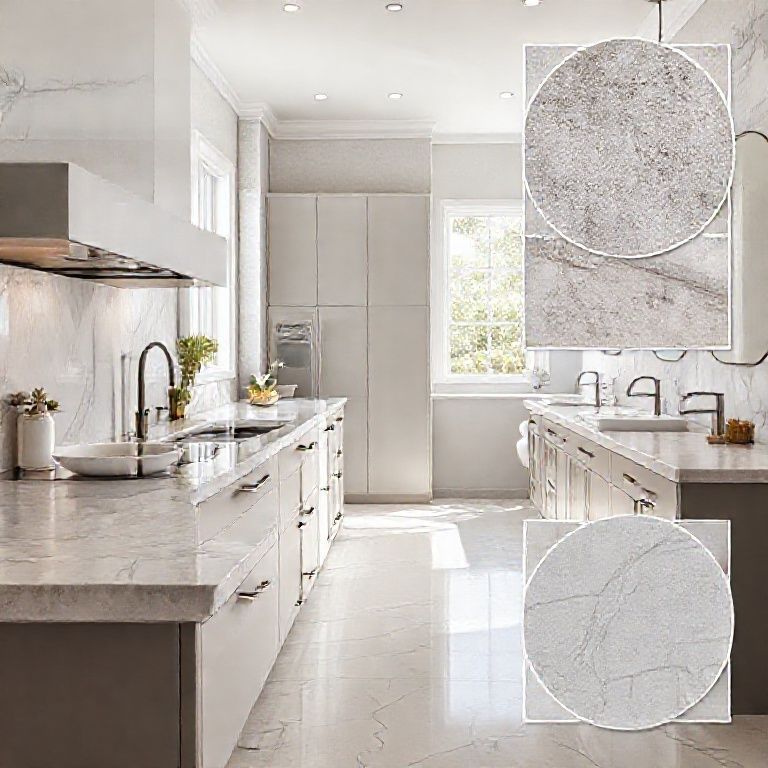
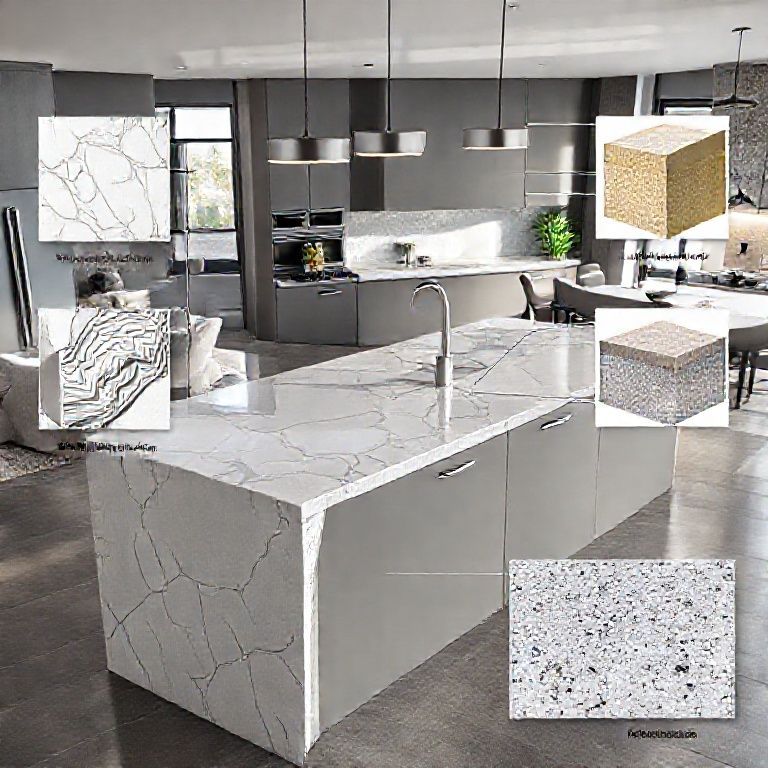
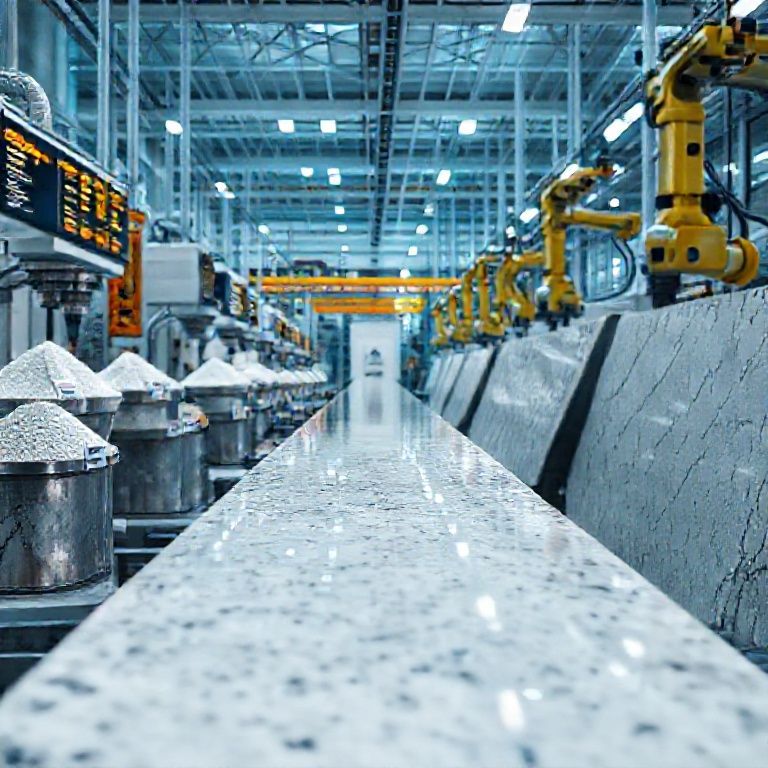
When embarking on the exciting journey of kitchen renovation or building a new culinary haven, our minds often gravitate towards the visual symphony of colors, patterns, and finishes. We pore over samples, envisioning the perfect backsplash to complement a gleaming new cabinet, or the ideal flooring to tie the entire space together. Yet, nestled within this aesthetic pursuit is a less glamorous, but profoundly important, characteristic of your chosen countertop material: its weight. Specifically, we’re going to delve into the substantial realm of artificial stone countertops, a category that encompasses a broad spectrum of engineered materials designed to mimic the beauty and performance of natural stone. The question, “人造石厨房台面重量多少?” – or “How much does an artificial stone kitchen countertop weigh?” – might seem rudimentary, but understanding the answer unlocks a deeper appreciation for the material’s composition, its resilience, and the practicalities of its journey from slab to your beloved kitchen.

Artificial stone, in its various forms, is a testament to human ingenuity. Unlike quarried granite or marble, these surfaces are meticulously crafted in factories, blending natural minerals with binders and pigments. This controlled manufacturing process allows for a consistent quality and a wider range of design possibilities. However, the specific blend of ingredients and the manufacturing techniques employed directly influence the density and, consequently, the weight of the finished product. For instance, quartz countertops, a popular subcategory of artificial stone, are typically composed of up to 90% natural quartz crystals, bound together with resins and polymers. This high concentration of quartz, a notoriously hard and dense mineral, contributes significantly to the overall weight of a quartz slab. Similarly, engineered stone surfaces, which may incorporate a higher percentage of resins or different types of aggregate, will exhibit varying weight profiles.
So, what is the actual weight we’re talking about? It’s not a simple one-size-fits-all answer. The weight of an artificial stone countertop is primarily determined by its thickness and the density of its material composition. A standard thickness for kitchen countertops typically ranges from 2 to 3 centimeters (approximately 0.75 to 1.2 inches). For a 1.25-inch thick (3 cm) slab of common quartz or engineered stone, you can expect it to weigh roughly 18-20 pounds per square foot (around 88-98 kilograms per square meter). This figure serves as a useful benchmark, but it’s crucial to remember that variations exist. A thicker slab, say 4 cm (1.5 inches), will naturally be heavier, potentially reaching 25-30 pounds per square foot (122-146 kilograms per square meter). The specific brand and their proprietary formulation can also introduce subtle differences. Some manufacturers might use slightly different resin-to-filler ratios, or incorporate alternative fillers, which can marginally alter the density.
The weight of your countertop isn’t just an abstract number; it has tangible implications. Firstly, it speaks to the material’s inherent durability and structural integrity. Denser, heavier materials generally indicate a more robust product, less prone to scratching, chipping, or staining. Think of it like comparing a solid block of wood to a hollow particleboard panel; the solid material inherently possesses greater strength and longevity. This is particularly relevant in a high-traffic area like a kitchen, where countertops are subjected to daily wear and tear from chopping, spills, hot pans, and heavy appliances. A heavier artificial stone countertop often means a denser, more compact surface that can withstand these challenges with greater resilience.
Secondly, the weight directly impacts the installation process. Artificial stone slabs are heavy, and this requires specialized handling and equipment. Professional fabricators and installers are equipped with the necessary tools, such as heavy-duty suction cups, specialized dollies, and sometimes even lifting machinery, to safely transport and position these substantial pieces. Attempting to DIY the installation of a heavy countertop can be dangerous and can lead to damage to both the material and your home. The weight necessitates careful planning, from ensuring clear pathways for delivery to confirming that your cabinetry can adequately support the load. Standard kitchen cabinets are generally designed to handle the weight of typical countertop materials, but it’s always prudent for installers to verify the structural soundness of the base.
Furthermore, the weight can influence shipping costs. When purchasing countertops, especially if they are being shipped long distances, the sheer mass of the material will contribute to the overall transportation expenses. This is a factor that fabricators and suppliers factor into their pricing, and it’s an element that ultimately gets passed on to the consumer. So, when comparing quotes, remember that the cost isn’t just for the material itself, but also for its journey to your home. This understanding underscores the importance of working with reputable suppliers and installers who are transparent about all associated costs, including those related to the handling of heavy materials.
The density associated with the weight of artificial stone also plays a role in its resistance to heat and stains. While all countertop materials have their limitations, denser surfaces tend to be less porous, making them more resistant to liquids penetrating the material and causing unsightly stains. This is a significant advantage in a kitchen environment where spills of wine, coffee, oil, and other colorful substances are common occurrences. The tightly bound structure of a dense artificial stone countertop means that spills are more likely to bead up on the surface, allowing for easy cleanup before they have a chance to seep in. Similarly, while not impervious to heat damage, a denser material can often withstand moderate temperatures better than lighter, less consolidated alternatives. However, it’s always advisable to use trivets and hot pads to protect any countertop surface from extreme heat, regardless of its weight or composition.
In essence, the weight of an artificial stone countertop is not merely a passive attribute; it’s an active indicator of its quality, durability, and the practical considerations involved in its selection and installation. It’s a tangible representation of the engineering and materials that go into creating a beautiful and functional surface for your kitchen. As we continue our exploration, we’ll delve deeper into how this weight relates to specific types of artificial stone and what it means for your ongoing kitchen care.
Continuing our deep dive into the weighty subject of artificial stone kitchen countertops, we’ve established that their mass is a significant indicator of their inherent quality and practicality. Now, let’s dissect how this weight manifests across different types of artificial stone and what it means for your kitchen experience, from installation day to the years of culinary adventures that follow.
When we talk about “artificial stone,” we’re often referring to engineered surfaces that have become incredibly popular alternatives to natural stone. The two most prominent categories under this umbrella are quartz countertops and solid surface countertops (which are sometimes also referred to as composite or engineered stone, adding a layer of potential confusion if not clarified). While both are manufactured, their composition and, consequently, their weight can differ.
Quartz countertops, as mentioned earlier, are celebrated for their high quartz content. Natural quartz is one of the hardest minerals on Earth, and its integration into these countertops lends them exceptional density and a substantial feel. A typical 1.25-inch thick quartz slab will feel considerably heavy, often in the range of 18-20 pounds per square foot. This heft is a direct consequence of the dense mineral composition and the binding resins. The manufacturing process for quartz involves crushing quartz into small particles, mixing them with polymers and pigments, and then compacting them under intense heat and pressure. This fusion creates a non-porous, incredibly durable surface. The weight is, therefore, a reassuring sign of this robust construction. If you’re looking at a quartz countertop, its substantial weight is a positive attribute, signifying its resistance to scratches, stains, and impact. The installation requires careful handling due to this weight, usually involving a team of professionals who can maneuver the heavy slabs without causing damage.
Solid surface countertops, on the other hand, represent a different engineered approach. Materials like Corian, a well-known brand in this category, are typically composed of acrylic polymers and a high percentage of mineral filler, often derived from bauxite ore (the same source for aluminum). While still durable and non-porous, the density of solid surface materials can sometimes be slightly lower than that of high-quartz engineered stones. This can translate to a slightly lighter weight per square foot, though they still possess considerable mass. A 1.25-inch thick solid surface countertop might weigh in the range of 12-16 pounds per square foot. This difference in weight doesn’t necessarily mean they are inferior; rather, it reflects their material composition and manufacturing process. Solid surfaces offer unique advantages, such as seamless integration (sinks can be bonded directly to the countertop without visible seams), and they can be repaired or resurfaced more easily than many other materials. Their slightly lighter weight can also sometimes make installation a bit more manageable, though professional installation is still highly recommended.
Another category sometimes grouped under “artificial stone” are those often referred to as “engineered quartz” or “quartz composite” slabs, which may have a slightly different resin-to-quartz ratio or utilize different binding agents. These can exhibit weight profiles that fall somewhere between the highest-density quartz and solid surface materials. The key takeaway is that within the broad spectrum of artificial stone, there isn’t a single, universal weight. Instead, the weight is a direct reflection of the specific materials used and the manufacturing techniques employed by each brand.
Beyond the initial installation, the weight of your countertop continues to play a role in its long-term performance. For instance, a heavier, denser countertop is generally less susceptible to cracking or warping due to temperature fluctuations or the weight of heavy appliances placed on it. While proper cabinet support is always essential, a more substantial countertop offers an extra layer of reassurance. Consider the common scenario of placing a heavy stand mixer or a full bag of flour on the counter; a denser material will distribute this weight more effectively, reducing stress on the substrate and the countertop itself.
The weight also has implications for maintenance and repair. While artificial stone is known for its low maintenance, understanding its density can help you choose the right cleaning products. Denser, non-porous surfaces are easier to clean and resist staining, as mentioned before. However, if a rare scratch or chip does occur, the weight and density of the material will influence the repair process. For quartz, which is extremely hard, repairs might involve specialized epoxy fillers. For solid surfaces, the relative ease of sanding and polishing to match the original finish is a notable advantage, and their lighter weight might make it slightly easier for a technician to access and work on specific areas.
When you are in the process of selecting your countertop, don’t hesitate to ask your fabricator or supplier about the specific weight of the material you are considering. While you likely won’t be lifting the slabs yourself, understanding this physical attribute provides valuable insight into the product’s composition and potential performance. Ask about the thickness of the slab and the approximate weight per square foot. This information, combined with details about the material’s resin content and mineral composition, will give you a more complete picture of what you are investing in.
Ultimately, the weight of an artificial stone kitchen countertop is far from an insignificant detail. It’s a tangible characteristic that speaks volumes about its durability, its installation requirements, its resistance to everyday kitchen challenges, and its overall value. It’s a silent testament to the advanced engineering and quality materials that make these surfaces such a popular and practical choice for modern kitchens. So, the next time you admire a beautiful artificial stone countertop, take a moment to appreciate not just its visual appeal, but also the substantial substance that lies beneath, a substance that directly contributes to its enduring beauty and functionality in the heart of your home.