Part 1
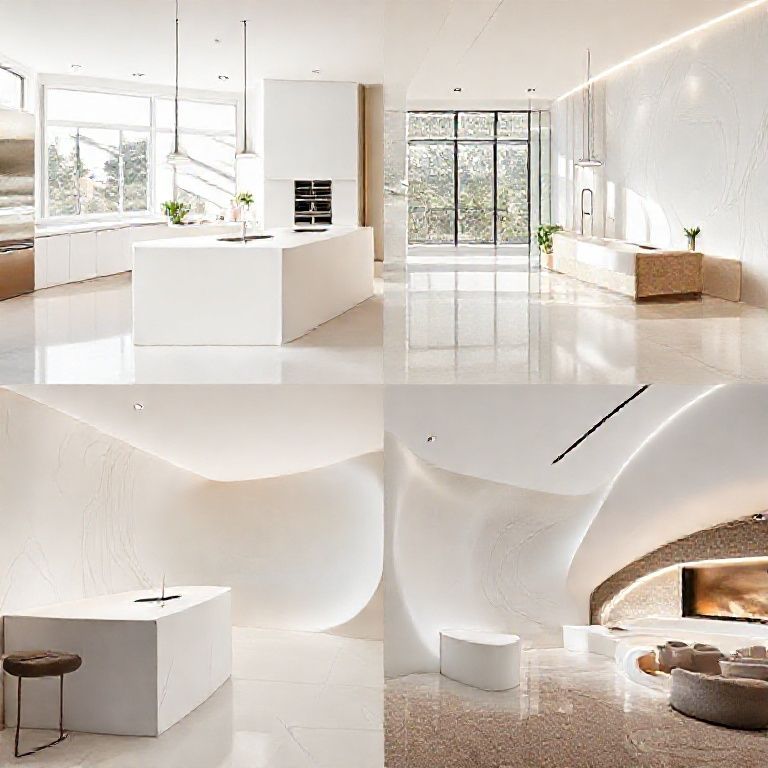
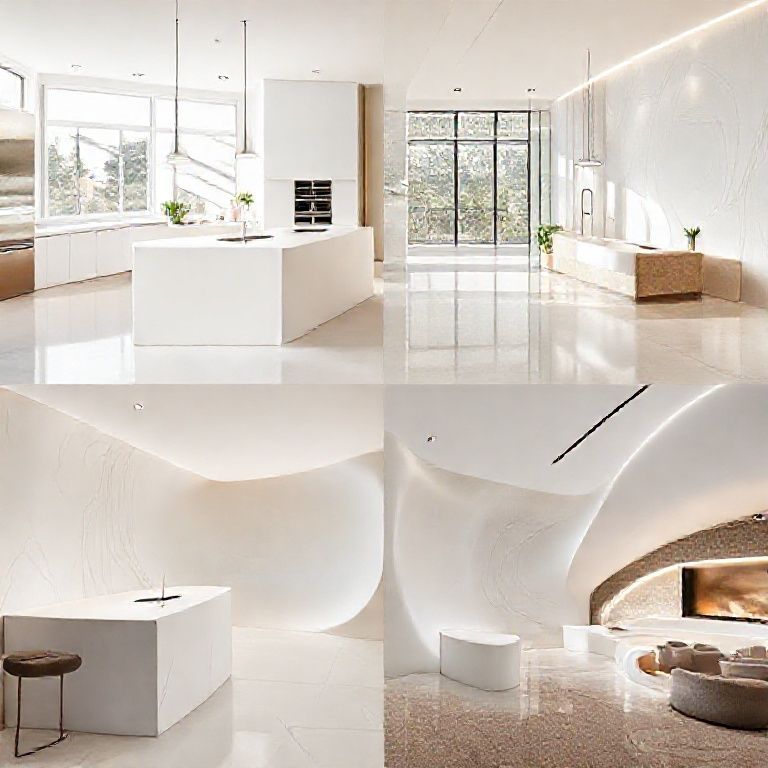
Engineered marble, often referred to as artificial marble, is gaining traction as a superior alternative to natural stone. This innovative material blends aesthetics with practicality, making it a favorite in both residential and commercial spaces. To truly understand the value and limitations of engineered marble, we’ll explore its advantages and drawbacks in detail.

Advantages of Engineered Marble
1. Aesthetics and Design Flexibility
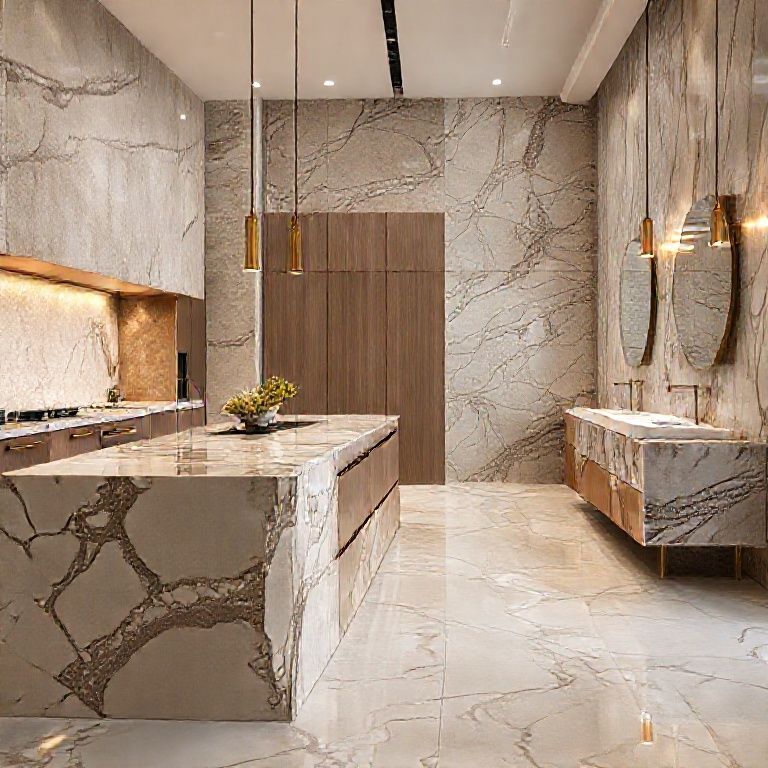
Engineered marble boasts a stunning array of colors and patterns that mimic natural marble but with far greater design flexibility. Manufacturers can produce marble in virtually any color, texture, or pattern, enabling designers to create unique and bespoke designs. This flexibility allows for creative freedom, making it possible to craft surfaces that are both visually stunning and perfectly tailored to specific design requirements.
2. Durability and Strength
One of the standout features of engineered marble is its durability. Unlike natural stone, which can be prone to cracking and splitting, engineered marble is crafted from a mixture of marble dust and resin. This composite material is not only stronger but also more resistant to impact, scratches, and stains. It’s a robust material that can withstand the rigors of everyday use in high-traffic areas such as kitchens and bathrooms.
3. Cost-Effectiveness
Engineered marble offers significant cost benefits over natural marble and other materials. The manufacturing process of artificial marble is more economical, allowing for lower retail prices. Additionally, the durability of engineered marble means it requires less frequent replacement, thereby saving homeowners and business owners on long-term maintenance costs. This makes it an excellent choice for those looking to achieve high-end aesthetics without breaking the bank.
4. Sustainability
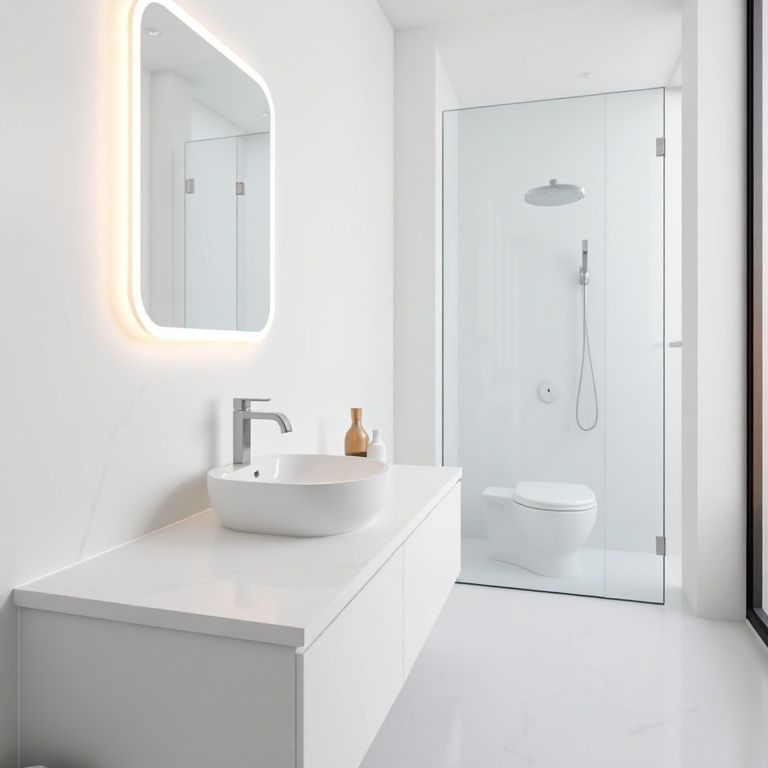
In an era where sustainability is paramount, engineered marble stands out as a relatively eco-friendly option. The production process consumes less energy compared to quarrying natural marble, and the material is recyclable. Furthermore, since it doesn’t rely on the extraction of natural stone, engineered marble helps to preserve the natural landscape and reduce the environmental footprint associated with traditional marble mining.
5. Easy Installation and Maintenance
Engineered marble is straightforward to install, even for those without specialized skills. It can be cut and shaped with standard tools, and its lightweight nature makes it easier to handle than natural stone. Moreover, its resistance to stains and easy-to-clean surface mean that maintenance is minimal, requiring only a simple wipe with a damp cloth and mild cleaner. This makes it an ideal choice for busy households and commercial spaces where time and effort are at a premium.
Subtle Drawbacks of Engineered Marble
While engineered marble offers numerous benefits, it’s essential to consider its limitations to make an informed decision.
1. Heat Resistance
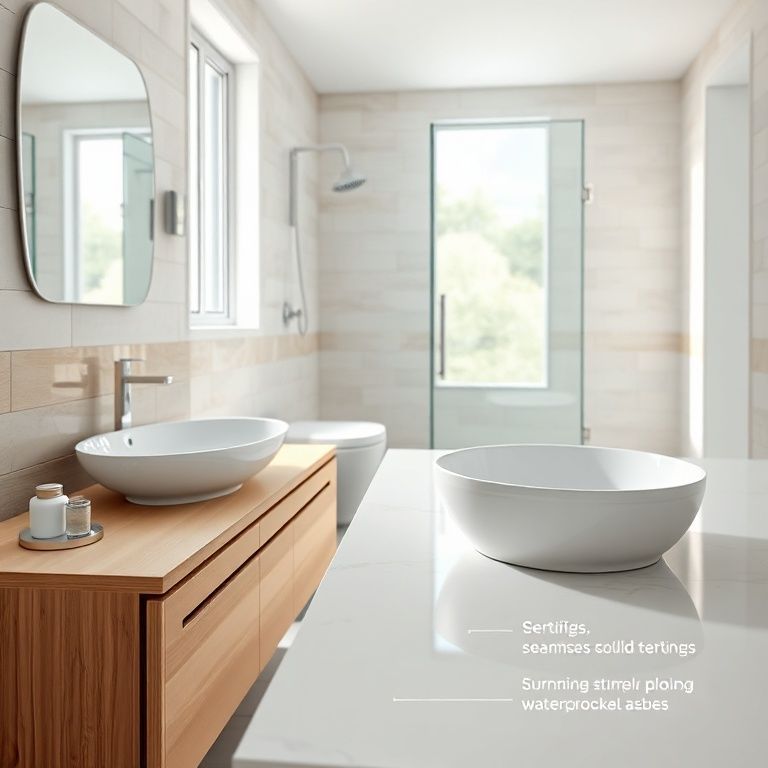
One of the primary concerns with engineered marble is its limited heat resistance. Unlike natural stone, which can withstand high temperatures without cracking, artificial marble can melt or warp when exposed to direct heat sources such as hot pots and pans. To prevent damage, it’s crucial to use heat-resistant trivets or pads when placing hot items on engineered marble surfaces.
2. Lack of Natural Beauty
For some, the allure of natural marble lies in its unique, one-of-a-kind patterns and imperfections. While engineered marble can mimic the look of natural stone, it lacks the natural beauty that comes from the unique characteristics of each natural marble slab. This can be a deal-breaker for those who prefer the authenticity and character of natural stone.
3. Potential for Surface Damage
Although engineered marble is strong, it is not indestructible. It can still be scratched or chipped, especially when exposed to sharp objects or abrasive cleaning agents. While it is more resistant than many other materials, it’s still important to use appropriate tools and cleaners to maintain its appearance and integrity.
4. Limited Lifespan in Certain Environments
While engineered marble is durable, its lifespan can be affected by the environment in which it’s installed. For instance, it may not perform as well in extremely humid or alkaline environments, where it could degrade over time. It’s crucial to consider the specific conditions of the installation location when choosing engineered marble.
5. Limited Availability in Custom Sizes
Unlike natural stone, which can be custom-cut to exact dimensions, engineered marble is typically available in standard sizes. While this can be a benefit in terms of ease of installation, it may limit its use in projects that require highly specific measurements.
Part 2
In the previous section, we delved into the myriad advantages and subtle drawbacks of engineered marble, shedding light on why it has become a preferred choice in contemporary interior design. Now, let’s further explore how this material is making waves in various applications and its comparative advantages over other materials.
Applications of Engineered Marble
1. Countertops
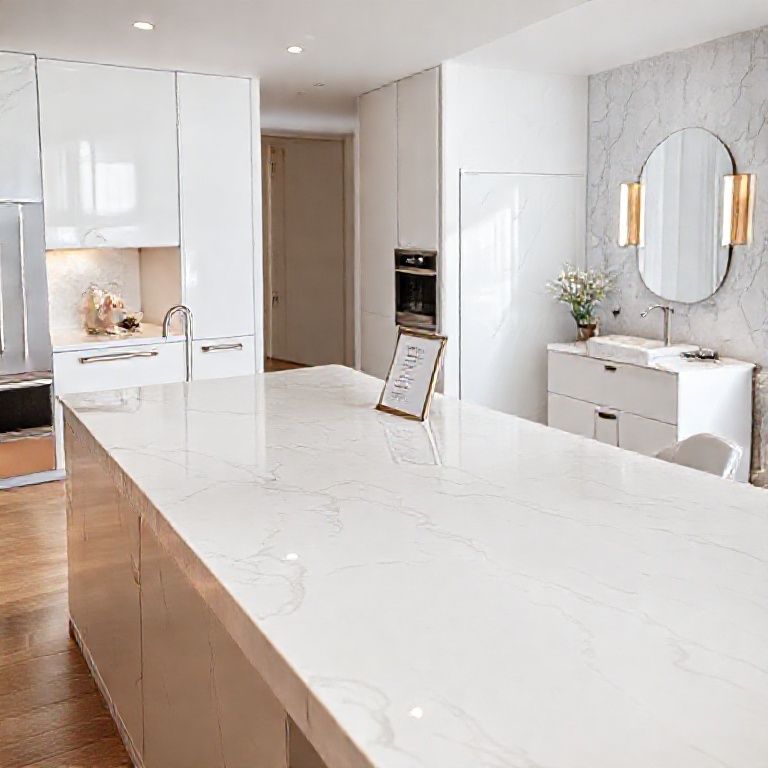
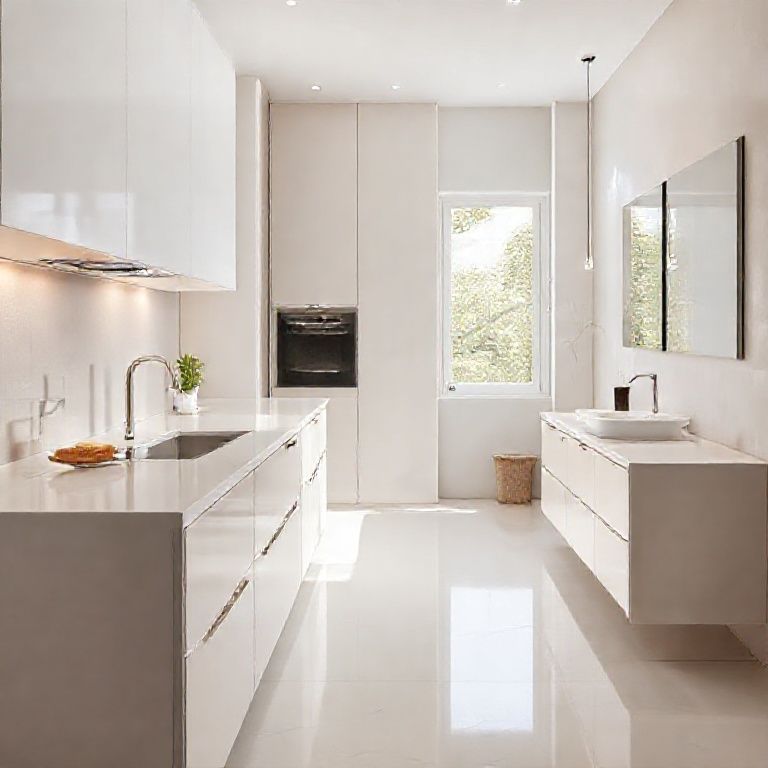
Engineered marble is a top choice for countertops due to its durability, aesthetic appeal, and ease of maintenance. Its ability to mimic the intricate patterns of natural marble makes it a popular option for kitchen and bathroom countertops, providing a luxurious look without the high cost and maintenance of natural stone. Additionally, its resistance to scratches and stains makes it a practical choice for high-traffic areas.
2. Flooring
While natural stone flooring is a classic choice, engineered marble is increasingly being used for flooring solutions. It offers the beauty and texture of marble at a fraction of the cost, making it an attractive option for both residential and commercial spaces. Engineered marble flooring is also resistant to impact, making it suitable for areas where durability is crucial.
3. Vanity Tops
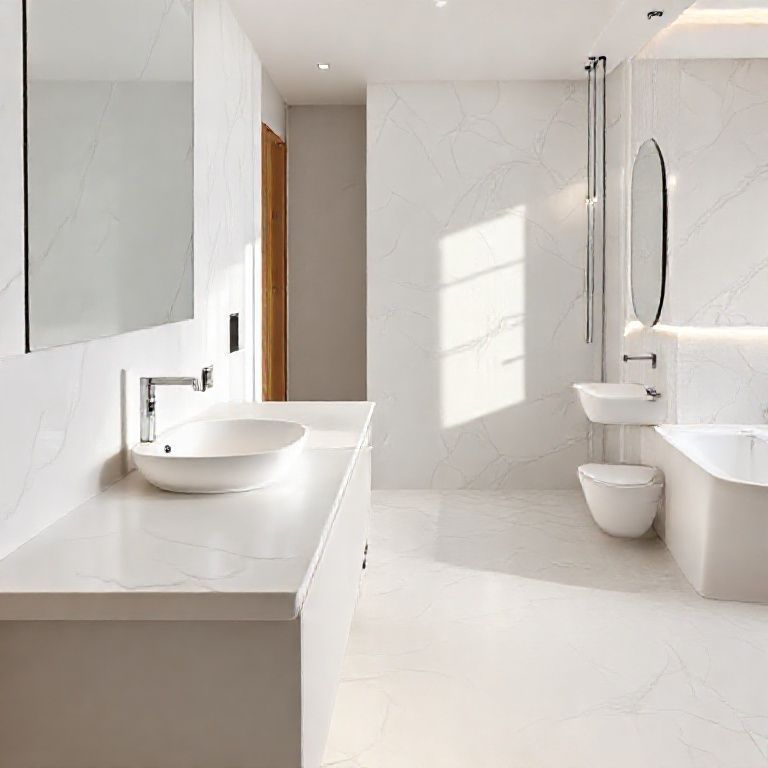
Vanity tops are another popular application for engineered marble. The material’s sleek, polished finish and resistance to moisture make it an excellent choice for bathroom vanities. Additionally, its affordability compared to natural marble means that it provides a luxurious appearance without the high price tag.
4. Backsplashes
Engineered marble is also widely used for backsplashes in kitchens. Its durability and resistance to stains and scratches make it a practical choice for this high-use area. Moreover, its wide range of colors and patterns allows for endless design possibilities, enabling homeowners to create a unique and personalized look.
5. Shower Walls and Surrounds
In bathrooms, engineered marble is often used for shower walls and surrounds. Its moisture resistance and durability make it an ideal choice for areas exposed to regular water exposure. The material’s aesthetic appeal also adds a touch of elegance to the bathroom, enhancing its overall design.
Comparative Advantages Over Other Materials
1. Natural Stone
While natural marble and granite are timeless classics, they come with significant drawbacks such as high cost, maintenance needs, and limited availability in custom sizes. Engineered marble offers a cost-effective alternative that closely mimics the appearance of natural stone without the drawbacks. It’s more durable, easier to maintain, and available in a wider range of colors and patterns.
2. Wood
Wood is a popular material for countertops and flooring due to its natural beauty and warmth. However, it can be prone to scratches, dents, and moisture damage. Engineered marble, on the other hand, is much more resistant to these issues, offering a more durable and low-maintenance alternative to wood.
3. Vinyl and Composite Materials
While vinyl and composite materials are often used for their cost-effectiveness and ease of installation, they lack the aesthetic appeal and durability of engineered marble. Vinyl, for example, can yellow over time and is not as resistant to stains and scratches. Composite materials may offer some durability, but they often fall short in terms of the luxurious look and feel of engineered marble.
Final Thoughts on Engineered Marble
Engineered marble is undeniably a versatile and attractive material that offers numerous benefits for modern interior design. Its aesthetic flexibility, durability, cost-effectiveness, and ease of maintenance make it an excellent choice for a wide range of applications. While it does have some limitations, such as heat resistance and potential for surface damage, these drawbacks can often be mitigated with proper installation and maintenance.
For those seeking a high-end look with the practical benefits of a more durable and low-maintenance material, engineered marble is an outstanding option. Whether for countertops, flooring, vanities, backsplashes, or shower walls, engineered marble provides a luxurious and resilient solution that can elevate the design of any space.
如何选择和安装工程大理石
选择和安装工程大理石需要考虑多个因素,以确保最佳的外观和耐用性。
1. 选择适当的型号和颜色
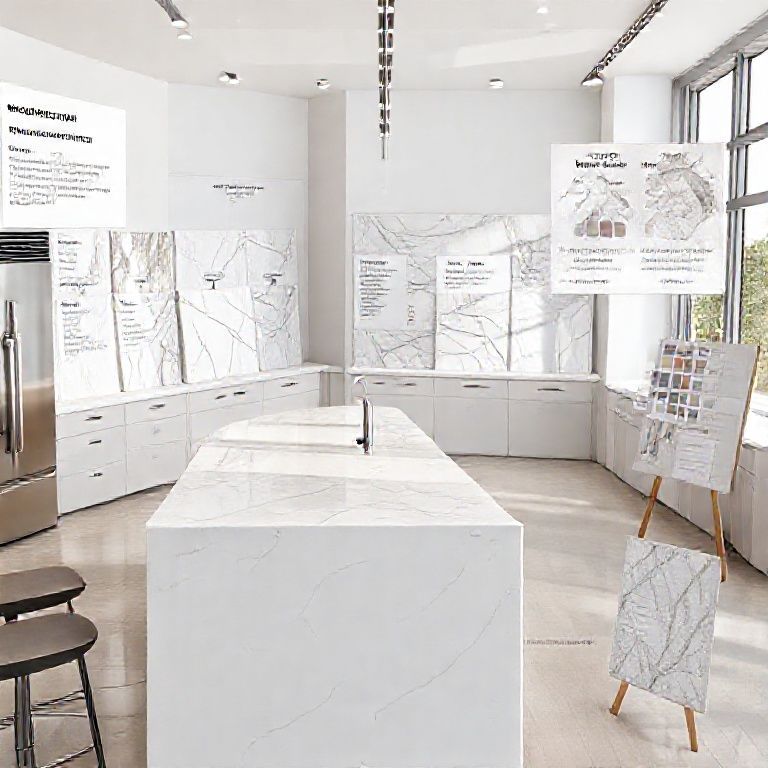
由于工程大理石有多种颜色和纹理可供选择,最好在采购之前先与设计师或专业人士讨论,以确保选择的颜色和图案能够与整体设计风格相匹配。一些高端品牌和供应商提供样品,以便客户可以在决定前进行实际查看。
2. 确保合适的安装方法
工程大理石的安装方法与自然石有所不同。由于其高密度和坚固性,通常使用专门设计的胶黏剂和密封剂进行安装。在选择安装人员时,确保其有经验并了解最新的安装技术和最佳实践。
3. 定期维护和保养
尽管工程大理石相对耐用,但定期的保养和清洁仍然非常重要。避免使用强酸或强碱清洁剂,这些物质可能会对其表面造成损害。使用中性清洁剂和软布进行清洁,并定期使用专业的密封剂来保护其表面。
环境和健康考虑
工程大理石在制造过程中可能会产生一些化学物质,尽管通常这些物质在最终产品中被大量稀释。为了确保室内空气质量,选择环保认证的产品,并在安装后通风,可以帮助减少潜在的化学挥发。
未来趋势
随着环保意识的增强,工程大理石的生产工艺也在不断改进。更多的制造商正在采用可再生材料和更环保的工艺,以减少对环境的影响。技术的进步也在不断提升其性能和外观,使其更加接近天然大理石的质感和美观。
结论
工程大理石作为一种现代材料,结合了天然大理石的美观和耐用性,同时在成本和维护方面提供了更多的灵活性。尽管有一些细微的缺点,通过正确的选择、安装和维护,工程大理石可以为任何空间带来高端和持久的设计效果。
如果你有更多具体问题或需要进一步的信息,请随时告知!