Transform Your Kitchen with Stunning Granite Countertops: Prices and Benefits
Welcome to the ultimate guide on transforming your kitchen with granite countertops, a timeless choice that combines beauty, durability, and functionality. Granite countertops have long been a popular choice for homeowners and restaurateurs alike, thanks to their striking natural beauty and unmatched longevity. In this first part of our comprehensive guide, we’ll explore the various factors that influence the prices of granite countertops, as well as the myriad benefits that make them an ideal choice for your kitchen renovation.
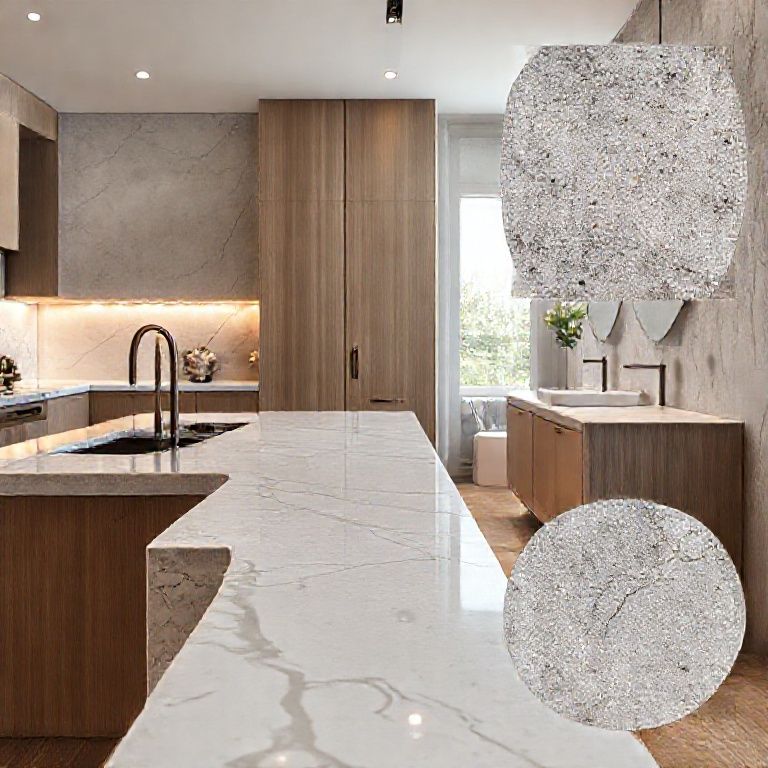
Understanding Granite Countertop Prices
When considering granite countertops for your kitchen, one of the primary concerns is the cost. Granite countertops are a significant investment, but they offer exceptional value in terms of aesthetics, durability, and low maintenance. Here’s a detailed look at the factors that influence granite countertop prices:
Material Costs
The cost of granite primarily depends on the type of granite you choose. There are numerous varieties, each with unique colors, patterns, and prices. Here’s a breakdown of some popular granite types and their price ranges:
Black Granite: Known for its sleek and contemporary look, black granite ranges from $70 to $150 per square foot. Red Granite: With its vibrant red hue, red granite typically costs between $70 and $120 per square foot. White Granite: A classic choice, white granite ranges from $50 to $100 per square foot. Gray Granite: Offering a modern and versatile look, gray granite is priced between $60 and $120 per square foot.
Installation Costs
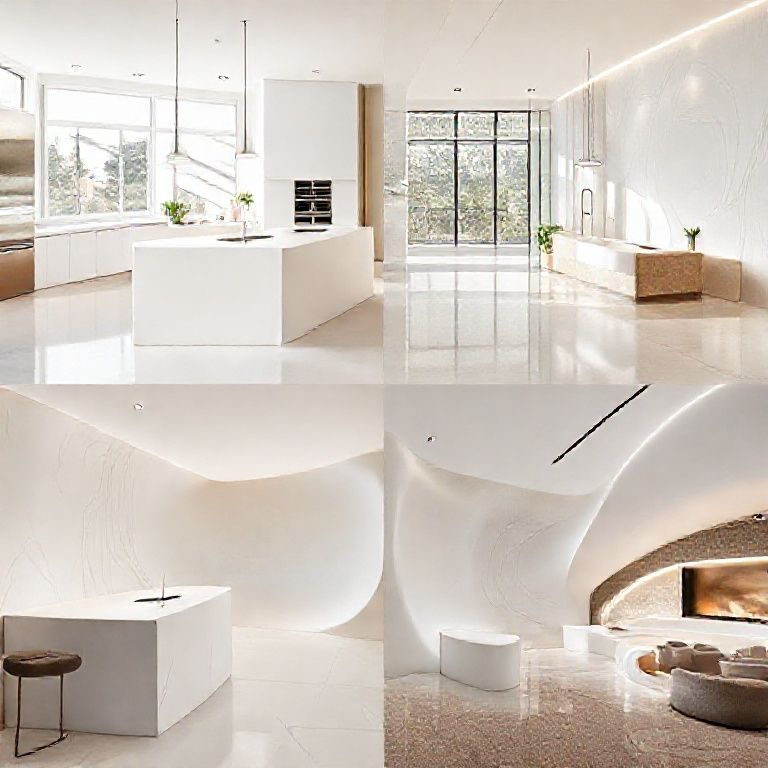
Granite countertops require professional installation to ensure they are properly sealed and set. The cost of installation can vary based on the complexity of the job, the size of the countertop, and the labor rates in your area. Typically, installation costs range from $150 to $500.
Additional Factors
Several other factors can influence the overall cost of your granite countertops:
Custom Cuts and Shapes: If you require custom cuts or unique shapes for your countertops, this will add to the overall cost. Sealing and Finishing: Regular sealing of the granite can extend its lifespan and maintain its beauty. This is not a one-time cost but a recurring expense. Shipping and Handling: If your granite is being shipped from a different region, shipping costs will be an additional factor.
The Benefits of Granite Countertops
Granite countertops offer a myriad of benefits that make them an excellent choice for your kitchen. Here are some of the key advantages:
Natural Beauty
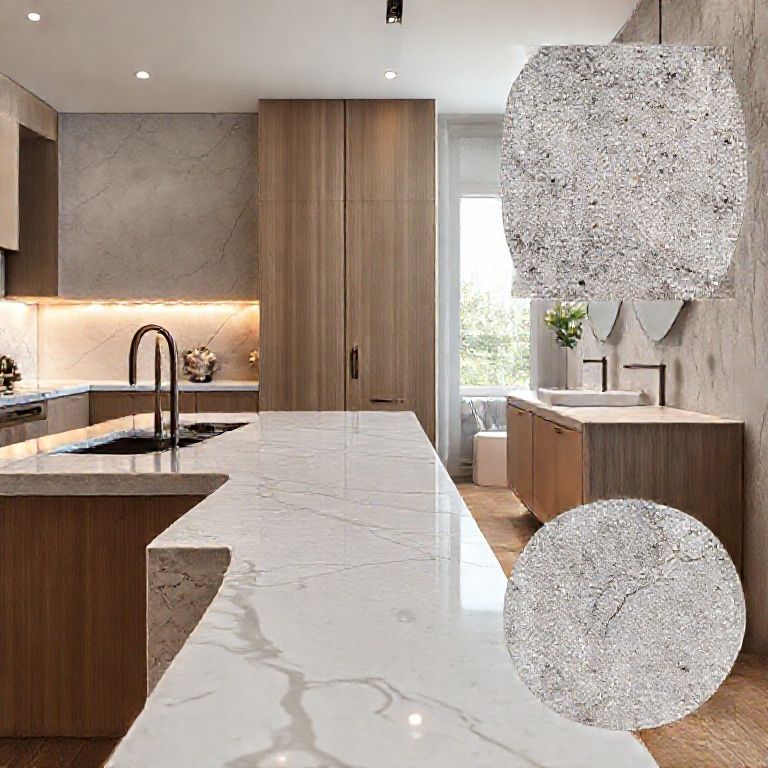
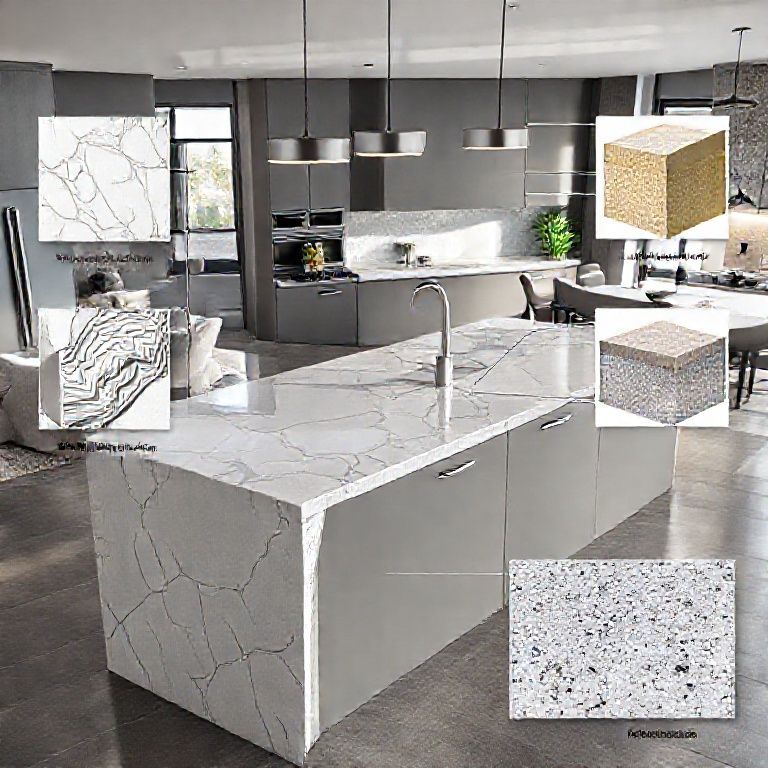
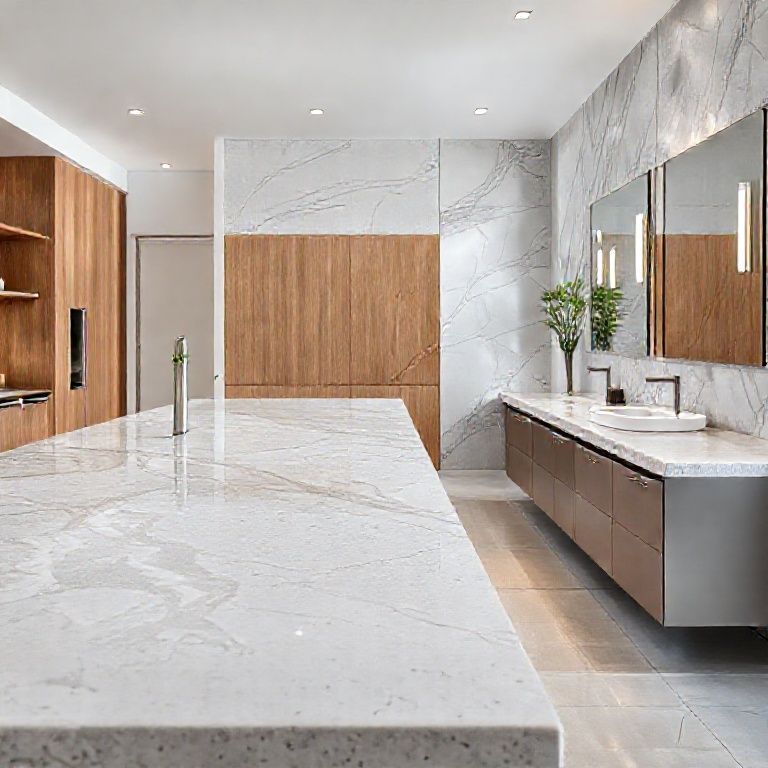
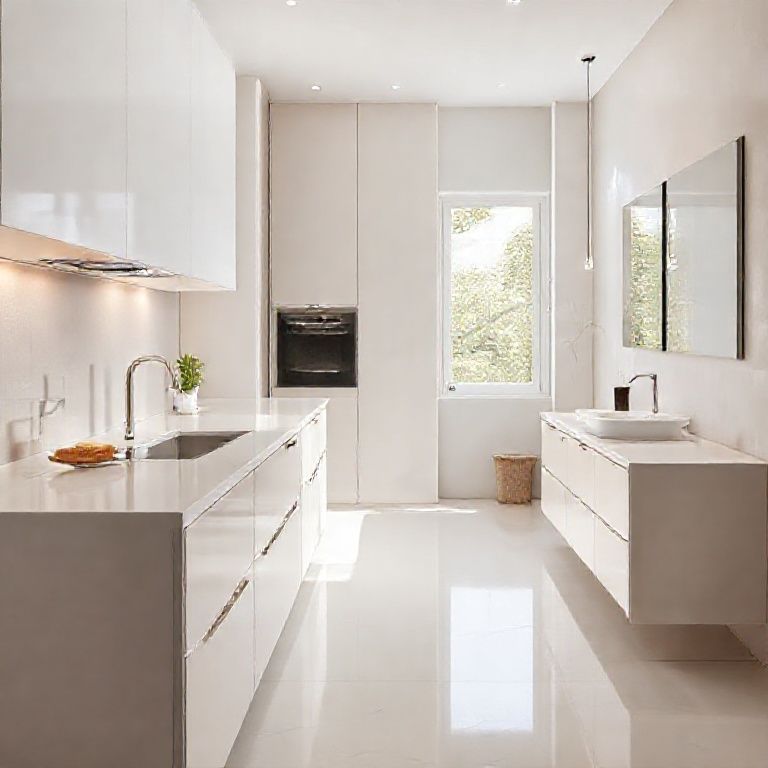
One of the most striking features of granite countertops is their natural beauty. Each piece of granite is unique, with its own distinctive pattern and color. This natural aesthetic adds a touch of elegance and sophistication to any kitchen.
Durability
Granite is one of the hardest natural stones available, making it incredibly durable. It can withstand heavy use and resist scratches, dents, and impacts. This makes granite an ideal choice for busy kitchens where durability is a top priority.
Low Maintenance
While granite requires some basic maintenance, such as regular sealing and cleaning, it is generally low-maintenance compared to other countertop materials. Its natural hardness means it doesn’t easily show fingerprints, spills, or stains.
Heat Resistance
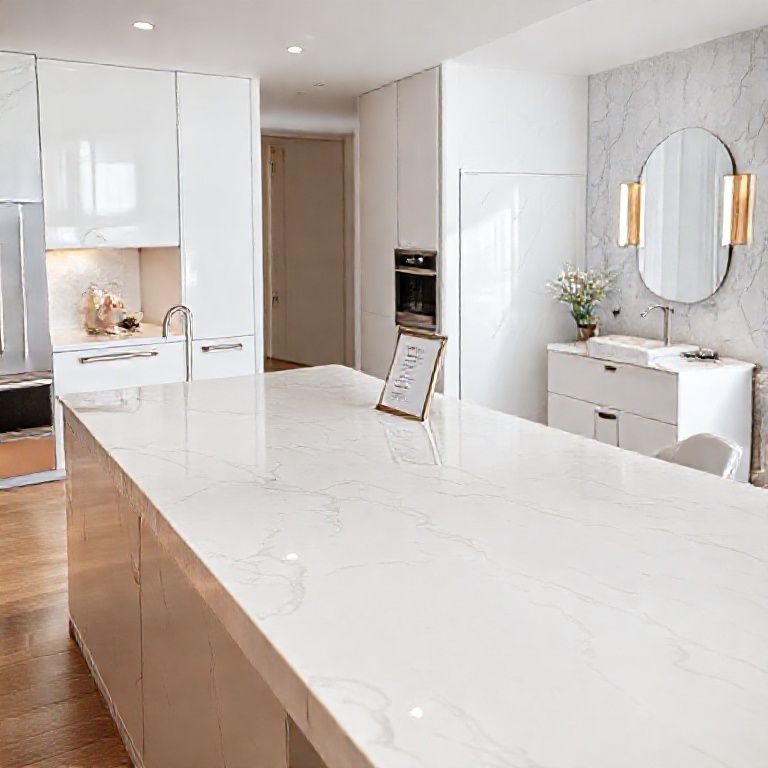
Granite countertops are highly heat-resistant, making them perfect for kitchens where hot pots and pans are a common sight. Unlike some other materials, granite won’t warp or crack under high temperatures.
Versatility
Granite’s versatility allows it to complement a wide range of kitchen styles, from contemporary and modern to traditional and rustic. Whether you prefer sleek and minimalist designs or more ornate and elaborate styles, granite can be tailored to fit your aesthetic.
Long-Lasting Investment
Investing in granite countertops is a long-term decision that pays off in terms of durability and beauty. While the initial cost is higher than some other materials, the longevity of granite means you won’t need to replace them as frequently, making it a cost-effective choice in the long run.
Conclusion
Granite countertops are a stunning and durable choice for your kitchen renovation. While the initial cost may seem high, the natural beauty, durability, and low maintenance of granite make it a wise investment. In the next part of our guide, we will delve deeper into the installation process, maintenance tips, and additional considerations to ensure you get the most out of your granite countertops.
Stay tuned for more insights on how to make the perfect choice for your kitchen transformation!
Transform Your Kitchen with Stunning Granite Countertops: Prices and Benefits
In the second part of our comprehensive guide, we’ll continue exploring the world of granite countertops, focusing on the installation process, maintenance tips, and additional considerations that will help you get the most out of your investment. Granite countertops are a significant enhancement for any kitchen, and understanding the finer details will ensure you achieve the perfect blend of beauty and functionality.
The Installation Process
Proper installation is crucial to ensure that your granite countertops look and perform their best. Here’s a detailed look at the installation process:
Professional Installation
Given the complexity of granite countertops, it’s highly recommended to hire a professional installation service. Professionals have the expertise and tools needed to properly cut, install, and seal the granite, ensuring a seamless and durable finish.
Preparing the Workspace
Before the installation begins, it’s important to prepare the workspace. This includes:
Clearing the Area: Remove any existing countertops, cabinetry, and appliances to create a clear installation space. Measuring and Cutting: Professionals will measure the space accurately and cut the granite to fit. Custom cuts may be required for irregular shapes or sizes. Setting the Countertop: The countertop will be placed on a temporary support and secured in place.
Installation
The installation process typically involves:
Cutting and Fitting: The granite is carefully cut and fitted to the kitchen space, ensuring it aligns perfectly with the cabinetry and other fixtures. Securing the Countertop: The countertop is then securely attached to the cabinets using appropriate hardware and fasteners. Sealing: After the countertop is set, it is sealed to protect the stone from stains and spills. This is an essential step to maintain the granite’s beauty and longevity.
Maintenance Tips for Granite Countertops
Maintaining your granite countertops is relatively simple but requires some regular care to keep them looking their best. Here are some essential maintenance tips:
Regular Cleaning
Daily Cleaning: Use a soft, damp cloth and mild soap or a granite-specific cleaner to wipe down the countertop daily. Avoid using abrasive cleaners or scrubbers that can scratch the surface. Spot Cleaning: For spills and stains, act quickly to blot up the liquid and prevent it from soaking into the granite. Use a granite-specific cleaner to clean the affected area.
Sealing
Regular Sealing: Granite countertops should be sealed every 6 to 12 months to maintain their protective coating. This prevents stains and spills from penetrating the stone and keeps it looking vibrant. Choose the Right Sealant: Use a high-quality, acid-free granite sealant to ensure the best protection for your countertops.
Avoiding Damage
Use Cutting Boards: To prevent scratches, always use a cutting board or a granite-safe mat when cutting food on the countertop. Avoid Acidic and Corrosive Substances: Keep acidic foods and beverages away from granite countertops, as they can cause stains and damage over time. Immediate Action: For spills of hot liquids, acids, or other potentially damaging substances, blot up the spill immediately to prevent damage.
Additional Considerations
When planning to install granite countertops, there are several additional factors to consider:
Budgeting
Total Cost: Granite countertops are a significant investment, so it’s important to budget accordingly. Consider all costs, including material, installation, and maintenance. Financing Options: Some contractors offer financing options to make the purchase more manageable over time.
Environmental Impact
Sustainable Choices: Some granite suppliers offer sustainable and responsibly sourced granite, which is a great option for environmentally conscious homeowners.
Customization
Custom Designs: Many granite suppliers offer custom designs and colors, allowing you to tailor the countertops to your specific kitchen style and preferences.
Conclusion
Granite countertops are a remarkable choice for any kitchen, offering unparalleled beauty, durability, and low maintenance. By understanding the installation process, maintenance tips, and additional considerations, you can ensure that your investment in granite countertops will provide lasting value and aesthetic appeal.
Whether you’re planning a complete kitchen renovation or a simple upgrade, granite countertops are a timeless choice that will enhance both the functionality and beauty of your kitchen for years to come.
For more detailed information and expert advice, consult with a professional granite supplier or contractor to help you make the perfect choice for your kitchen transformation.
We hope this comprehensive guide helps you understand the advantages, costs, and maintenance of granite countertops, empowering you to确定了玻璃和石材的优点和注意事项后,接下来我们可以深入探讨如何在厨房设计中最佳地利用这些材料,以实现美观和功能性的平衡。
我们将讨论不同风格的厨房设计,以及如何在这些设计中有效地应用玻璃和石材。
玻璃和石材在厨房设计中的应用
1. 现代简约风格
现代简约风格强调简洁、干净和功能性。在这种风格中,玻璃和石材的应用可以非常自然。
玻璃:
橱柜门和隔断:使用透明或磨砂玻璃的橱柜门,可以让厨房看起来更加开放和宽敞。 背景墙:玻璃砖或玻璃幕墙可以作为背景墙,增加视觉上的深度和现代感。
石材:
台面:石英石或花岗岩台面提供了耐用、易清洁的选择,同时其现代的外观与整体设计完美契合。 背景墙:石材背景墙,如大理石或石英石,可以为厨房增添高级感和视觉焦点。
2. 工业风格
工业风格注重粗犷和原始的美感,常常采用金属、混凝土和粗糙的纹理。
玻璃:
橱柜门:半透明或磨砂玻璃橱柜门,可以在保持粗犷感的同时增加一些光泽。 展示架:玻璃展示架可以展示厨房用品,同时增加现代感。
石材:
台面:石英石或花岗岩台面,坚固耐用且具有天然的粗糙质感。 墙面:粗糙的石材墙面或背景墙,可以增强工业风格的原始感。
3. 传统风格
传统风格注重温馨和经典,常常采用温暖的色调和柔和的材质。
玻璃:
橱柜门:使用带有图案或镶嵌的玻璃橱柜门,可以增加一些装饰性。 背景墙:彩色玻璃背景墙,可以为厨房增添温暖和色彩。
石材:
台面:大理石台面,经典且耐用,适合传统风格。 装饰元素:石材装饰元素,如石材柱或石材拱门,可以增加历史感和质感。
4. 乡村风格
乡村风格追求自然、舒适和温馨,常常采用天然材料和柔和的色调。
玻璃:
橱柜门:采用自然纹理或仿木纹的玻璃橱柜门,可以增加乡村风格的自然感。 展示架:木质与玻璃结合的展示架,可以展示厨房用品并保持自然的美感。
石材:
台面:天然石材台面,如砂岩或石灰岩,可以增加自然和舒适的氛围。 装饰元素:石材装饰如石头花盆或石材路砖,可以为厨房增添乡村风情。
综合考虑
耐用性:石材和玻璃都是耐用的材料,但石材通常更适合台面,而玻璃更适合橱柜和展示架。 清洁维护:石材表面需要定期密封,以防止污渍渗入,而玻璃则可以更容易清洁。 预算:石材通常比玻璃更昂贵,但其耐用性和美观性使其成为长期投资。 风格匹配:确保所选的材料与整体厨房设计风格相匹配,以达到最佳的美观效果。
通过合理选择和应用玻璃和石材,你可以为厨房创造一个既美观又功能性的空间。无论你喜欢现代、工业、传统还是乡村风格,这些材料都能为你的厨房带来独特的魅力。