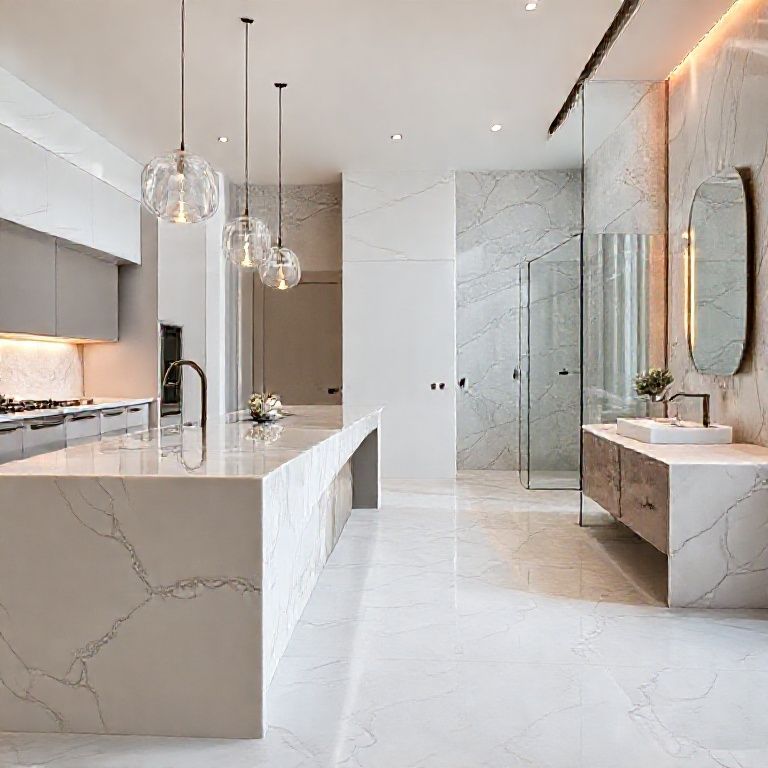
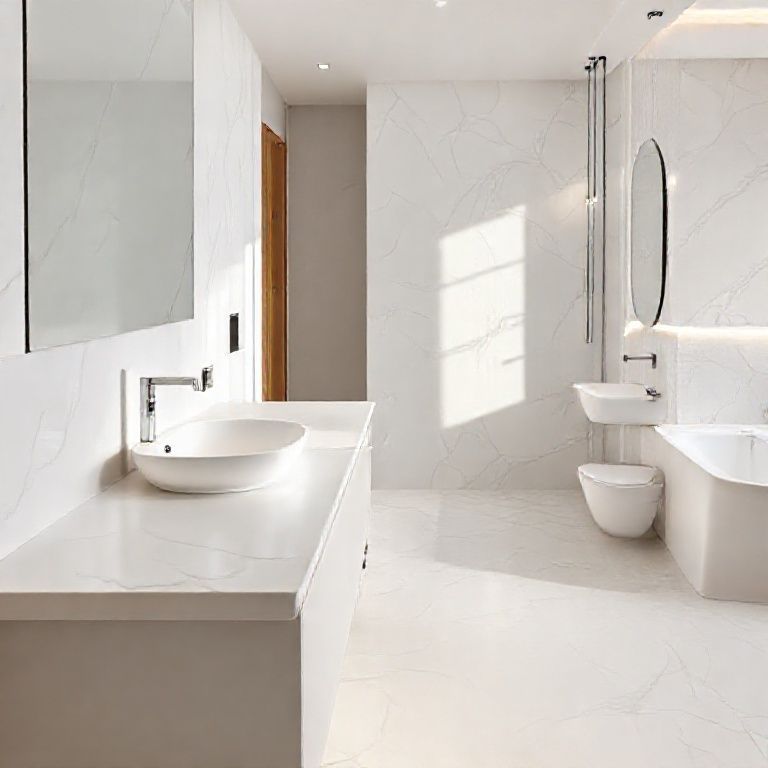
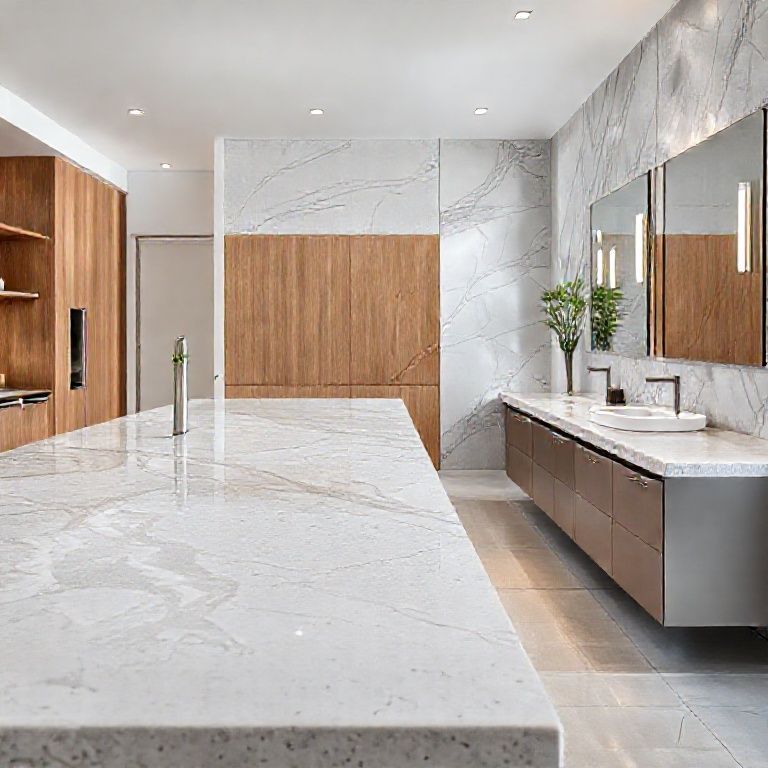
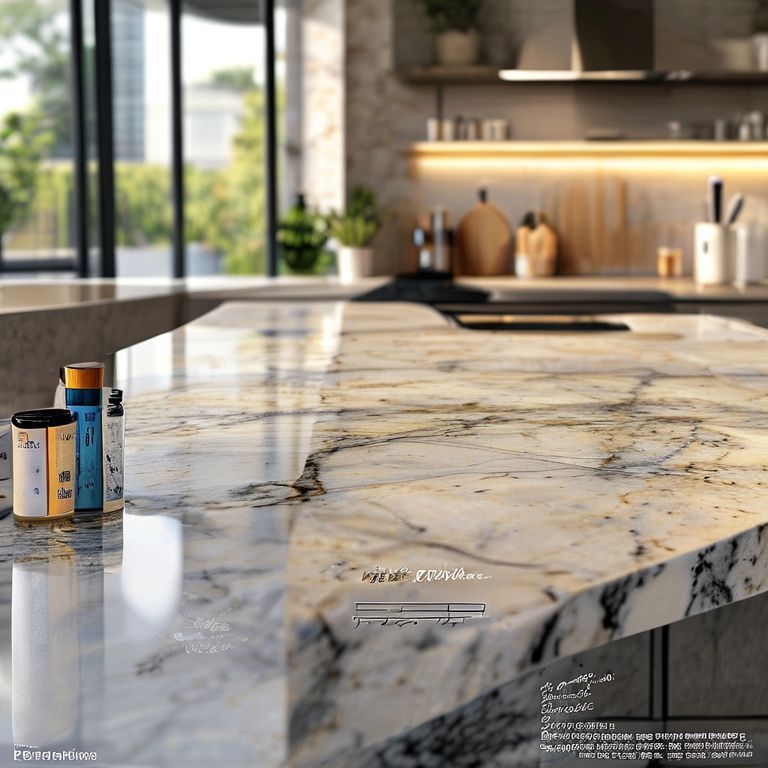
Introduction: Welcome to the world of marble renovation, where elegance meets expertise. Marble, renowned for its timeless beauty and sophisticated appeal, requires special care and attention to maintain its grandeur. Whether you’re dealing with minor stains or extensive damage, our comprehensive video tutorial guide is here to equip you with the knowledge and techniques needed for a flawless marble restoration. In this first part, we delve into the foundational steps and essential techniques for marble care and restoration, setting the stage for a stunning transformation.

Understanding Marble: Before diving into the renovation process, it’s crucial to understand the nature of marble. Marble is a metamorphic rock composed primarily of calcium carbonate, forming under high pressure and temperature. This unique composition gives marble its distinct beauty but also makes it susceptible to stains, scratches, and other forms of damage. Knowing the properties of marble helps in selecting the right cleaning and restoration techniques, ensuring the longevity and beauty of your marble surfaces.
Basic Tools and Materials: To start your marble renovation project, you will need a few essential tools and materials:
Soft Cloths: Use microfiber cloths to avoid scratching the marble surface. Mild Detergent: A pH-neutral cleaner that won’t harm the marble. Marble Polish: A specialized polish designed to rejuvenate the marble’s luster. Stone Sealer: A protective sealant that guards against future stains and damage. Sponge: A soft-bristled sponge for gentle cleaning. Bucket: For mixing cleaning solutions. Paper Towels: For drying the marble surface.
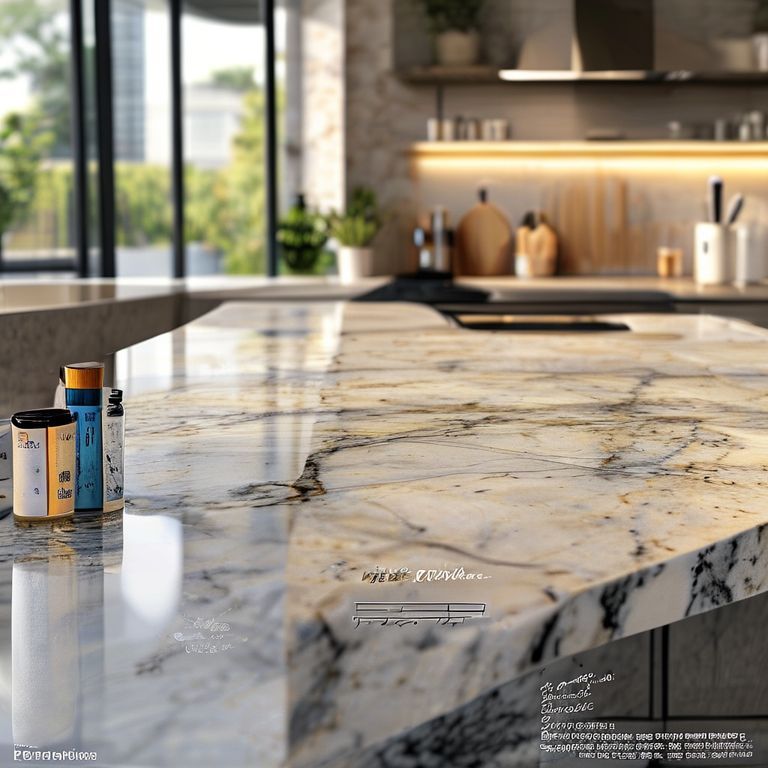
Having these tools on hand ensures that you can tackle various aspects of marble care and restoration efficiently.
Cleaning Marble Surfaces: The first step in any marble renovation is thorough cleaning. Here’s how to do it:
Prepare the Cleaning Solution: Mix a small amount of mild detergent with warm water in a bucket. Avoid using abrasive cleaners or vinegar as they can etch the marble.
Wipe Down the Marble: Dip a soft cloth or sponge into the cleaning solution and gently wipe the marble surface. Use circular motions to avoid streaks and ensure even cleaning.
Rinse and Dry: After cleaning, rinse the marble with clean water to remove any soap residue. Dry the surface immediately with a microfiber cloth to prevent water spots.
Restoring Marble Luster: To bring back the natural shine of marble, polishing is essential. Follow these steps for effective polishing:
Apply Marble Polish: Using a clean cloth, apply a small amount of marble polish to the marble surface. Ensure even distribution.
Rub Gently: Using a circular motion, gently rub the polish into the marble. Apply moderate pressure to avoid scratching the surface.
Buff the Marble: Once the polish has been absorbed, use a clean, dry cloth to buff the marble, bringing out its natural shine.
Repairing Scratches and Chips: Marble can sometimes suffer from minor scratches or chips that detract from its beauty. Here’s how to repair them:
Assess the Damage: Identify the extent of the damage. Small scratches can often be polished out, while larger chips may require more advanced techniques.
Polishing Small Scratches: For minor scratches, use a marble polish and a soft cloth to gently rub the affected area in a circular motion until the scratch is less noticeable.
Epoxy for Chips: For larger chips, use a marble epoxy kit. Follow the manufacturer’s instructions to fill the chip and blend it seamlessly with the surrounding marble. Sand the area lightly once the epoxy has cured.
Sealing Marble Surfaces: To protect your marble from future stains and damage, sealing it is essential. Here’s how to properly seal your marble:
Clean the Marble: Ensure the marble surface is clean and dry before applying the sealer.
Apply the Sealer: Using a clean cloth, apply a thin, even layer of marble sealer to the surface. Avoid over-application as it can create a buildup.
Buff and Wipe: Once the sealer has dried, buff the surface lightly with a clean cloth to remove any excess sealer, ensuring a smooth finish.
Conclusion: The journey to marble renovation is both an art and a science, requiring precision and care. By understanding marble’s properties, utilizing the right tools and materials, and following our step-by-step guide, you can restore the beauty and elegance of your marble surfaces. In the next part, we will explore advanced techniques and provide detailed insights into maintaining marble in various settings, ensuring your renovation project is a resounding success.
Advanced Techniques and Maintenance:
Introduction: Building on the foundational steps and techniques covered in Part 1, this second part delves into advanced techniques for marble renovation and maintenance. Whether you’re a novice or an experienced renovator, these advanced methods will elevate your skills and ensure your marble surfaces remain pristine. Let’s explore these sophisticated techniques and gain a deeper understanding of maintaining marble in diverse settings.
Advanced Cleaning Techniques: While basic cleaning methods are essential, advanced techniques can address more stubborn stains and enhance the marble’s appearance.
Baking Soda Paste: For tough stains, create a paste using baking soda and water. Apply the paste to the stained area and gently scrub with a soft cloth. Rinse thoroughly and dry the surface.
Hydrogen Peroxide: For organic stains like coffee or wine, use a mixture of hydrogen peroxide and water. Apply the solution to the stain, let it sit for a few minutes, and then wipe clean. Be cautious with this method to avoid any potential damage to the marble.
Advanced Polishing Techniques: To restore marble to its original shine, advanced polishing techniques offer superior results.
Diamond Polishing Pads: For a professional finish, use diamond polishing pads. These pads are designed to polish marble without scratching it. Apply a marble polish to the pad and rub the marble surface in a circular motion until the desired shine is achieved.
Buffing Machines: For large surfaces, buffing machines can efficiently remove stains and restore shine. These machines use diamond-tipped buffers and specialized polishes to achieve a flawless finish.
Restoring Heavily Damaged Marble: In cases of extensive damage, such as deep etching or significant staining, advanced restoration techniques are necessary.
Marble Restoration Kits: Use specialized marble restoration kits that include fillers, polishes, and sealers. Follow the kit’s instructions to fill in deep scratches and restore the marble’s surface.
Professional Restoration Services: For severe damage, consider hiring professional restoration services. Experts use advanced techniques and high-quality materials to restore marble to its former glory.
Maintaining Marble in Various Settings:
Residential Settings: In homes, marble is often used in kitchens, bathrooms, and living areas. To maintain its beauty:
Daily Cleaning: Use a pH-neutral cleaner daily to prevent buildup and stains. Clean countertops, sinks, and floors regularly.
Protective Mats: Place protective mats under appliances and furniture to prevent scratches and spills.
Commercial Settings: Marble is commonly used in commercial spaces like restaurants, hotels, and offices. Maintenance here requires more diligence due to higher foot traffic and usage.
Frequent Cleaning: Clean high-traffic areas more frequently to prevent stains and damage. Use industrial-strength cleaners where necessary.
Regular Sealing: Regularly apply a protective sealer to commercial marble surfaces to guard against spills and stains.
Special Considerations for Different Marble Types: Different marble types may require specific care and restoration techniques.
Italian Marble: Known for its fine grain and beauty, Italian marble requires gentle cleaning and regular polishing to maintain its luster.
Egyptian Marble: Often used in historical restorations, Egyptian marble needs careful cleaning to avoid damage from cleaning agents. Use mild, non-abrasive cleaners.
Indian Marble: With its unique veining and color, Indian marble benefits from regular cleaning and sealing to prevent dullness and stains.
Preventative Measures: To prolong the life and beauty of marble, implement preventative measures:
Avoid Acidic Foods and Drinks: Acidic substances like lemon juice, vinegar, and coffee can etch marble. Use coasters and trivets to protect surfaces.
Use Marble Protectors: Apply a marble protector to frequently used surfaces to create a barrier against spills and stains.
Regular Maintenance: Schedule regular cleaning and sealing sessions to keep marble surfaces in optimal condition.
专业设备和工具的使用:
超声波清洗机: 这种设备利用高频声波来清除顽固污渍和污垢,对于细小的裂缝和深层污渍尤其有效。
超声波分析仪: 用于检测大理石内部的裂缝和其他缺陷,确保翻新工作的安全性和有效性。
电动抛光机: 这种设备可以用于高效地抛光大理石表面,去除旧的涂层和增加光泽。
真空吸尘器: 用于清除翻新过程中产生的粉尘和碎屑,保持工作环境整洁。
环境控制:
翻新过程中,环境控制也是至关重要的。湿度和温度的变化可能会影响大理石的性质,因此需要注意以下几点:
湿度控制: 大理石在高湿度环境中容易吸收水分,导致开裂。保持翻新区域的湿度在50%-60%之间。
温度控制: 温度过高或过低都会对大理石产生不利影响。保持翻新环境的温度在18°C-24°C之间。
翻新后的保护和维护:
大理石翻新后,需要采取一些措施来保护和维护其美观和耐久性:
定期清洁: 使用温和的清洁剂和软布定期清洁大理石表面,以防止污渍和污垢的积累。
防护垫: 在大理石上放置餐具、饮料时,使用防护垫或餐垫,以避免划伤和污染。
定期检查: 定期检查大理石表面的状况,及时处理任何可能出现的划痕、污渍或其他损伤。
案例分析:
为了更好地理解大理石翻新的实际应用,我们可以分析一些成功的案例:
历史建筑翻修: 在翻修一座历史悠久的建筑时,专业团队使用了先进的抛光技术和材料,将原本风化的大理石恢复到了如新的状态,并保护了建筑的历史价值。
现代商业空间翻新: 在一个高端购物中心的翻新项目中,团队采用了精密的清洁和抛光技术,使得大理石地板和墙面在高频使用下依然保持光亮和整洁。
未来趋势:
智能清洁设备: 未来可能会出现更多智能化的清洁设备,这些设备能够自动检测和处理大理石表面的污渍和损伤。
环保材料: 随着环保意识的提高,未来的大理石翻新材料和技术将更加注重环保,减少对环境的影响。
数字化监控: 通过数字化监控系统,可以实时跟踪大理石表面的状态,提前预测和处理可能出现的问题。