Unveiling the Cost of Marble Flooring Installation
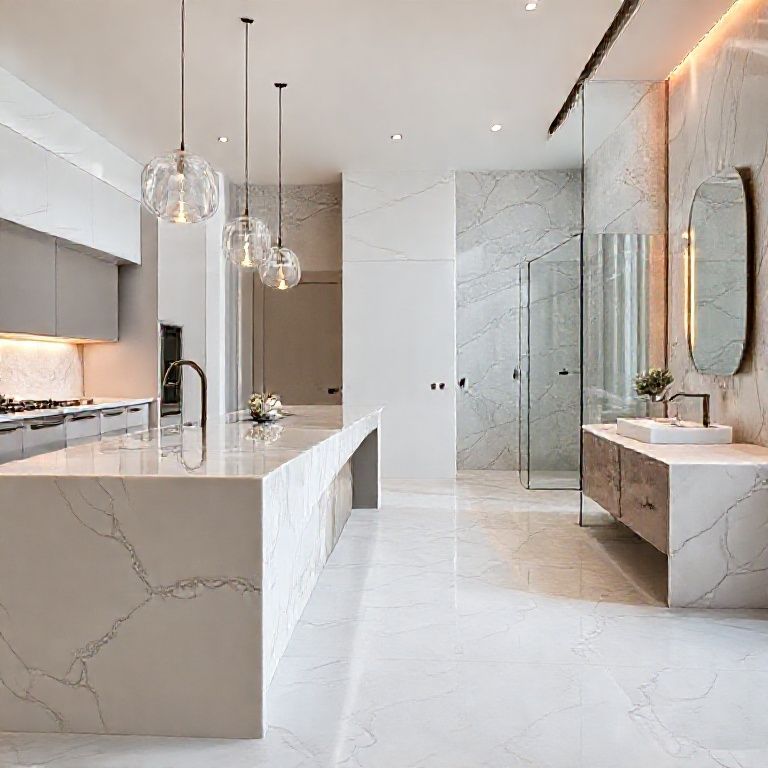
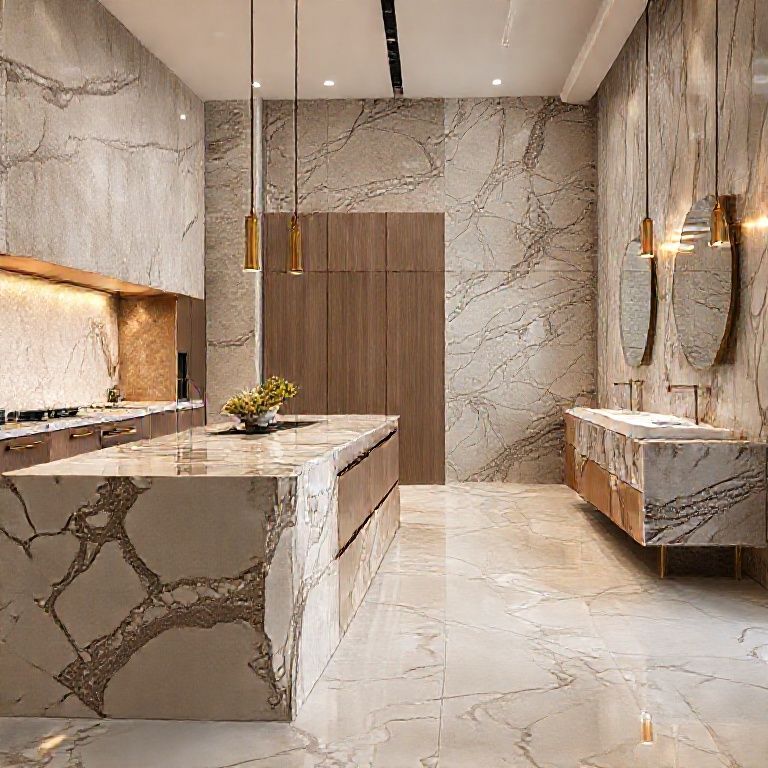
When it comes to elevating the aesthetic appeal of your living or commercial space, marble flooring stands out as a timeless choice. Known for its elegance, durability, and natural beauty, marble has been a favored material for centuries. However, understanding the “marble installation price” can be quite complex due to various influencing factors. Let’s delve deeper into these elements to help you make an informed decision.

1. Types of Marble
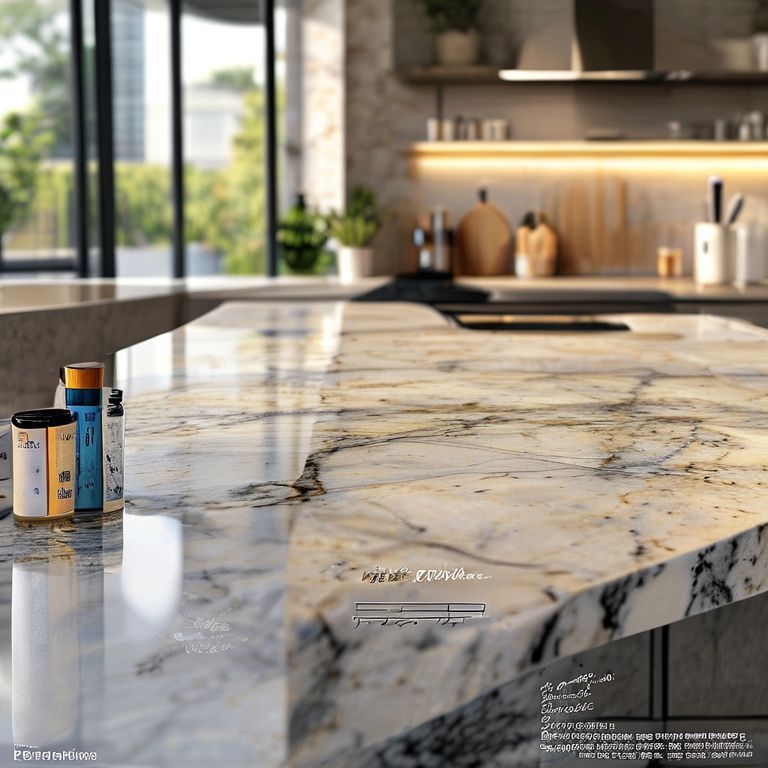
The first factor to consider is the type of marble you choose. Marble comes in a wide array of colors, patterns, and textures, each offering a unique aesthetic appeal. Popular marble types include:
Italian Marble: Renowned for its classic beauty and vibrant colors, Italian marble like Botticino and Carrara is often used for high-end projects. Egyptian Marble: Known for its historical significance and unique veining, marble like El-Gouna is highly prized for its distinctive look. Indian Marble: Varieties like Kandhar and Chunar marble offer stunning hues and patterns, making them a popular choice for both residential and commercial spaces. Brazilian Marble: Famous for its rich, dark tones and striking veining, Brazilian marble like Travertino and Liscio is often used in high-end installations.
Each type of marble has its own cost implications, with more exotic varieties generally being more expensive due to their rarity and the intricate veining patterns they possess.
2. Quality and Grade
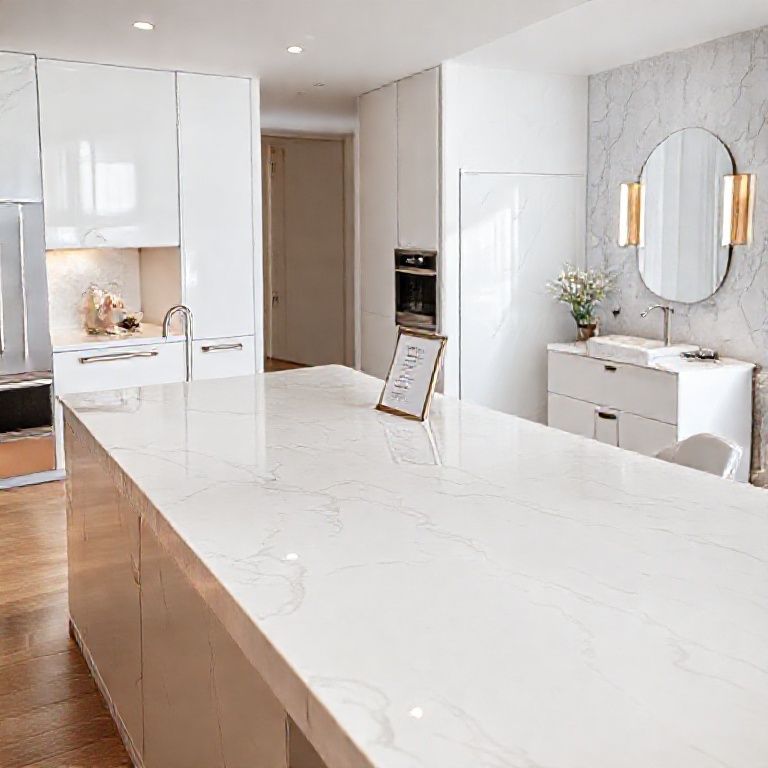
The quality and grade of the marble play a significant role in determining the “marble installation price.” Marble is typically graded based on its color consistency, density, and veining. Higher grades often have more uniform colors and less visible imperfections, making them more desirable and, consequently, more costly.
Prime Quality: Marble that is flawless or nearly so, with minimal imperfections and excellent color consistency. Select Quality: Marble with minor imperfections that are not easily noticeable. Commercial Quality: Marble with noticeable imperfections that are acceptable for certain applications.
3. Installation Complexity
The complexity of the installation process also significantly impacts the cost of marble flooring. Factors such as the size of the area to be covered, the layout, and the type of subfloor influence the overall expense.
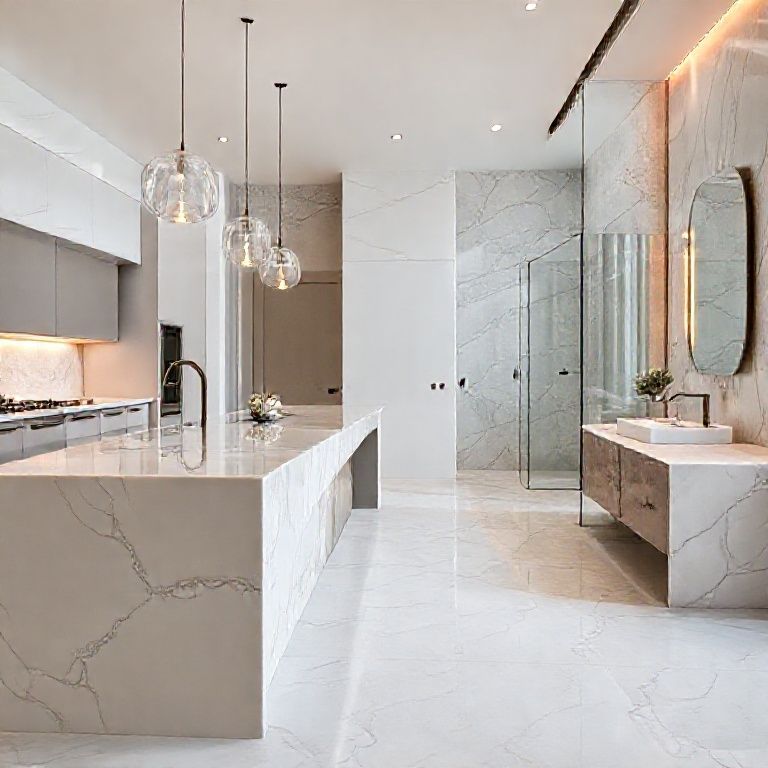
Standard Installations: Straightforward projects with simple layouts typically have lower costs. Complex Installations: Projects that involve intricate patterns, multiple color variations, or uneven subfloors tend to be more expensive due to the additional labor and time required.
4. Labor Costs
Labor costs are a major component of the overall “marble installation price.” Professional installation ensures that the marble is laid correctly, minimizing the risk of damage and ensuring a beautiful, long-lasting finish. The cost of labor can vary based on the complexity of the job, the experience of the installers, and the geographic location.
5. Additional Costs
Other factors that can influence the cost include the type of adhesives used, the cost of any necessary underlayment, and the disposal of waste materials. High-quality adhesives and proper underlayment are essential for a durable installation but can add to the overall expense.
Conclusion
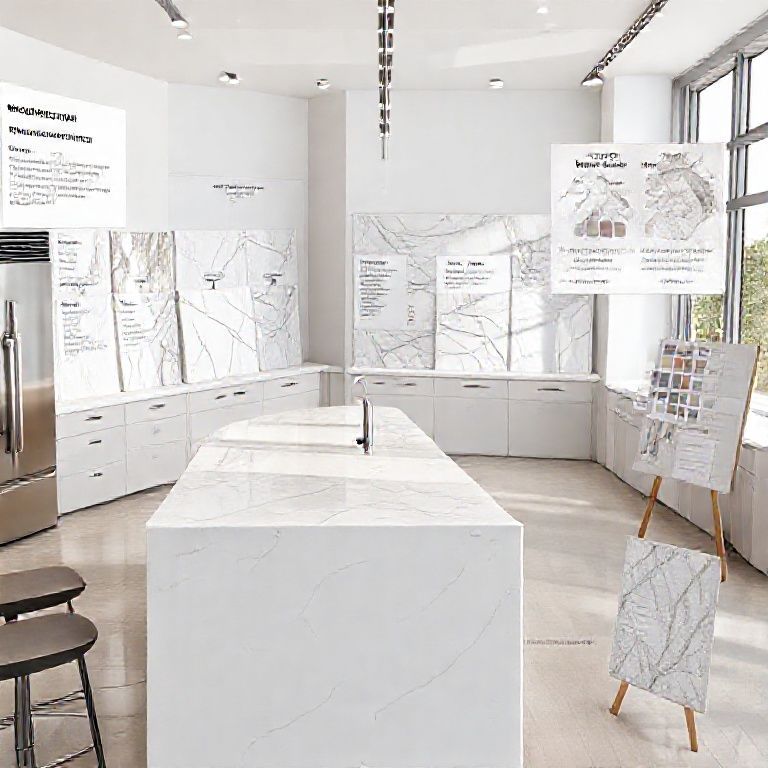
Understanding the factors that influence the “marble installation price” is crucial for anyone considering this luxurious flooring option. By taking into account the type of marble, its quality, the complexity of the installation, labor costs, and additional expenses, you can better prepare for the financial investment involved. In the next part of this guide, we will explore the benefits of marble flooring, how to maintain it, and why it continues to be a popular choice for both residential and commercial spaces.
The Benefits and Maintenance of Marble Flooring
Once you’ve considered all the factors influencing the “marble installation price,” it’s time to explore the myriad benefits that make marble flooring a superior choice for both residential and commercial spaces. This luxurious material not only enhances the aesthetic appeal of your space but also offers durability, low maintenance, and timeless elegance.
1. Aesthetic Appeal
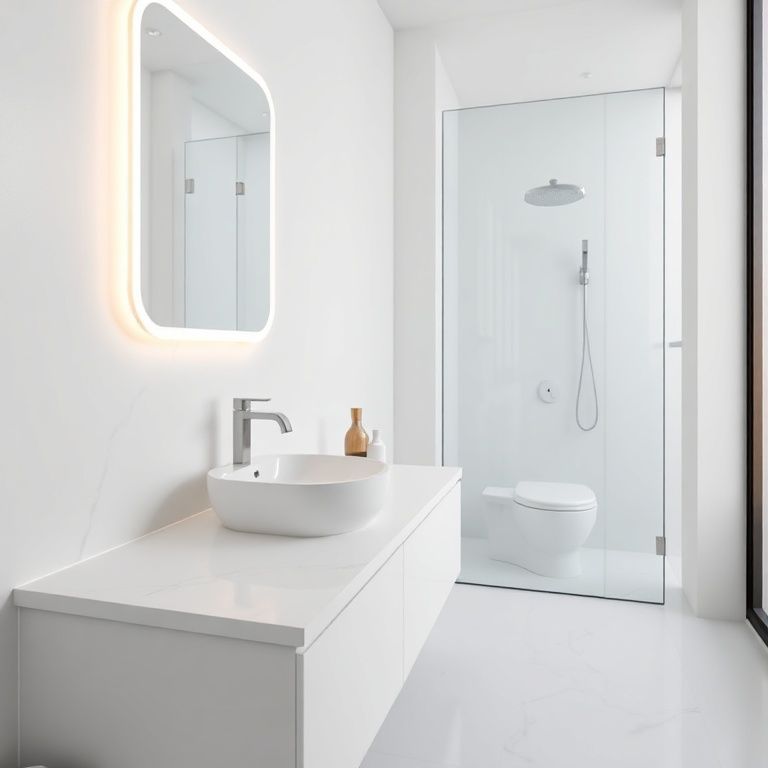
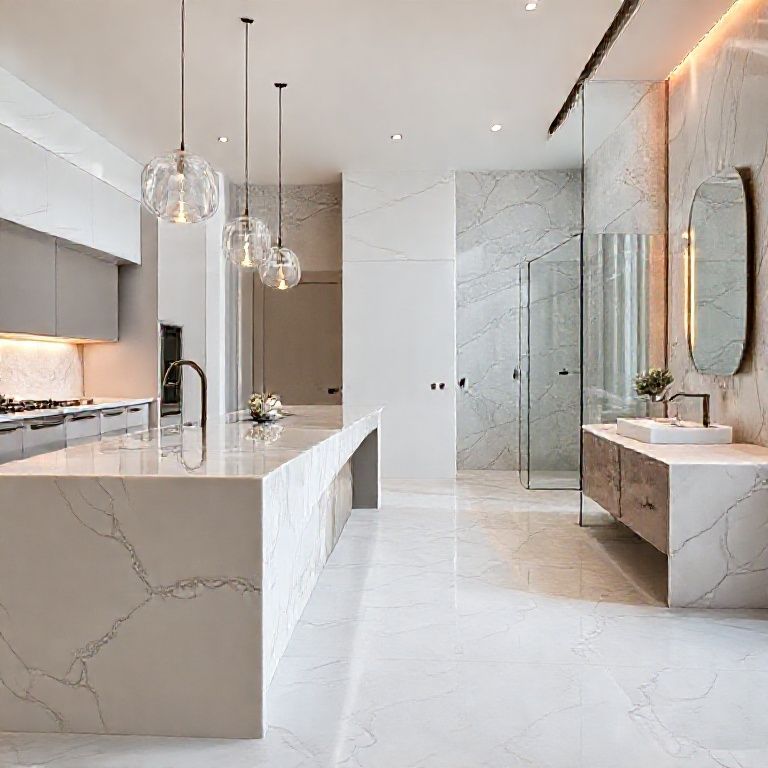
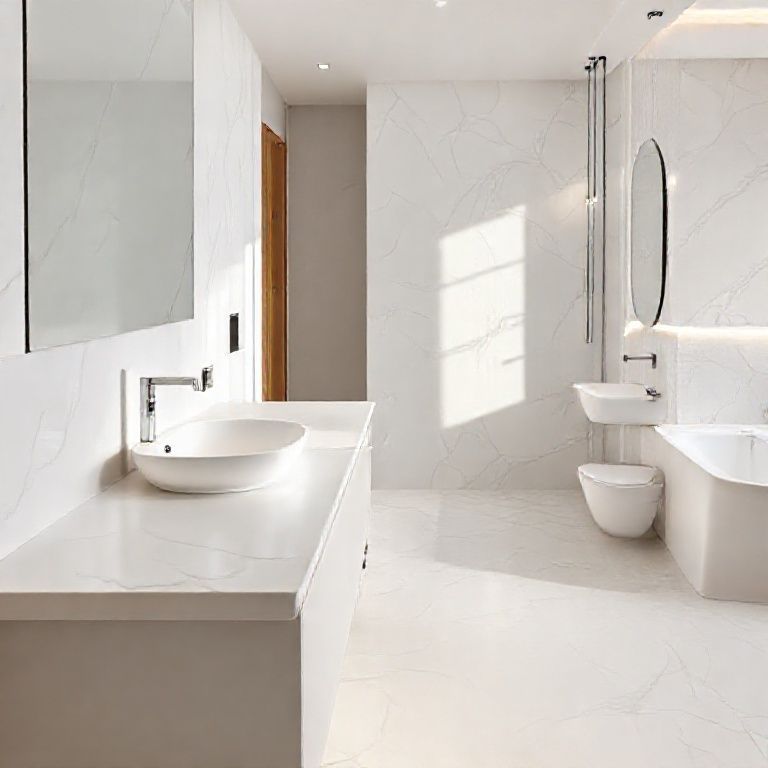
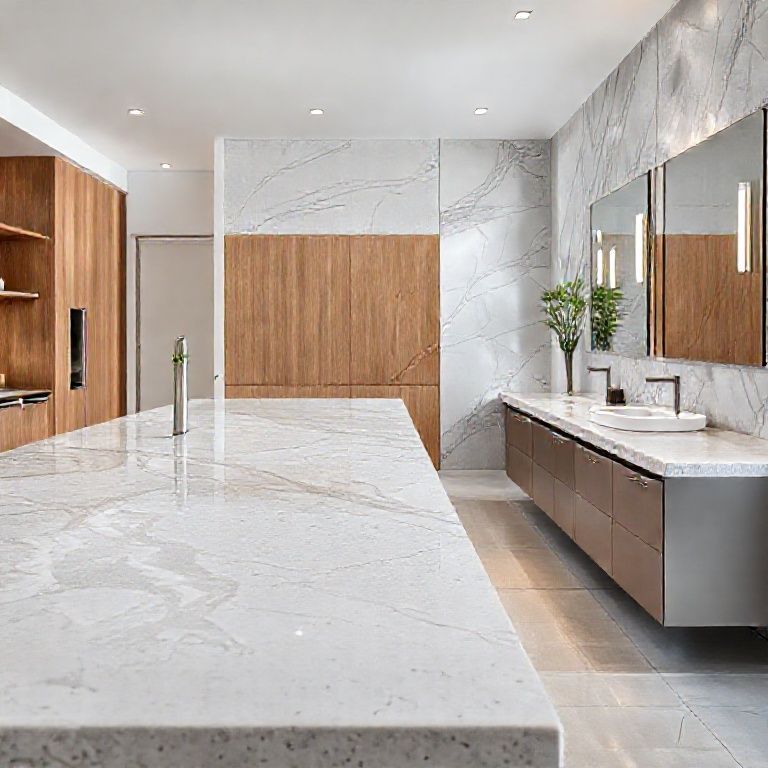
Marble’s natural beauty and unique veining patterns make it a standout choice for enhancing the visual appeal of any space. Its elegance and sophistication can transform a simple room into a luxurious, high-end environment. Marble’s versatility allows it to complement a wide range of architectural styles, from contemporary to classical, making it a timeless choice.
2. Durability and Strength
Marble is known for its durability and strength, which makes it an excellent choice for high-traffic areas. While it is a hard stone, marble can still be prone to scratching and staining. However, with proper maintenance, marble flooring can last for decades, providing a long-lasting and resilient surface.
3. Low Maintenance
One of the significant advantages of marble flooring is its low maintenance requirements. Unlike other flooring materials, marble does not require frequent waxing or polishing. A simple cleaning with a mild soap and water solution is usually sufficient to keep it looking pristine.
4. Easy to Clean
Marble is relatively easy to clean, but it does require some care to maintain its beauty and prevent damage. Here are some tips for cleaning marble flooring:
Regular Cleaning: Sweep or vacuum the marble floor regularly to remove dirt and debris. Spot Cleaning: Use a soft cloth dampened with a mild soap solution to clean the floor. Avoid using abrasive cleaners or sponges that can scratch the surface. Drying: Always dry the marble floor thoroughly after cleaning to prevent water stains and etching.
5. Environmental Benefits
Marble is a natural stone, which means it is an environmentally friendly option. Unlike synthetic materials, marble does not release harmful chemicals into the air. Additionally, marble is a renewable resource, as it can be extracted from quarries and reused in various applications.
6. Versatility
Marble’s versatility makes it suitable for a wide range of applications. It can be used in:
Residential Spaces: Living rooms, kitchens, bathrooms, and hallways benefit from the elegance and sophistication of marble flooring. Commercial Spaces: Offices, hotels, restaurants, and retail spaces can enhance their upscale image with marble flooring. Outdoor Areas: Certain types of marble, such as those with higher compressive strength, can be used for outdoor patios and decks.
7. Investment Value
Investing in marble flooring can also provide long-term benefits. The timeless elegance and durability of marble can increase the value of a property. Homes and commercial spaces with high-quality marble flooring often see higher resale values and can attract more tenants or customers.
Conclusion
In conclusion, the allure of marble flooring extends beyond its “marble installation price.” The benefits of marble flooring—from its aesthetic appeal and durability to its low maintenance and environmental benefits—make it a superior choice for both residential and commercial spaces. While the cost of installation can vary based on several factors, the long-term value and timeless elegance of marble flooring make it a worthwhile investment. Proper maintenance ensures that your marble flooring will continue to shine and enhance your space for years to come.
When considering the installation of marble flooring, it’s essential to weigh both the initial cost and the long-term benefits. By understanding the various factors that influence the “marble installation price,” you can make an informed decision that will elevate the beauty and value of your space.