Introduction to Kitchen Refacing
Transforming your kitchen doesn’t always require a full-scale renovation. One of the most effective and cost-efficient ways to refresh your kitchen is through kitchen refacing. This method involves replacing the fronts of your existing cabinets with new, stylish panels, leaving the interior and hardware untouched. It’s an excellent way to update your kitchen’s look and feel with minimal disruption and lower costs.

The Benefits of Kitchen Refacing
Cost-Effective Solution: Refacing your kitchen is significantly less expensive than a full cabinet replacement. The cost savings come from not having to replace the entire cabinet structure and the labor associated with it.
Minimal Disruption: Kitchen refacing typically involves less disruption to your daily life compared to a complete kitchen remodel. The process usually requires less time, and less mess, making it a practical option for busy homeowners.
Quick Turnaround: While the exact time frame can vary, kitchen refacing generally takes less time than other remodeling projects. Most kitchens can be refaced in a matter of days, allowing you to enjoy your new look much sooner.
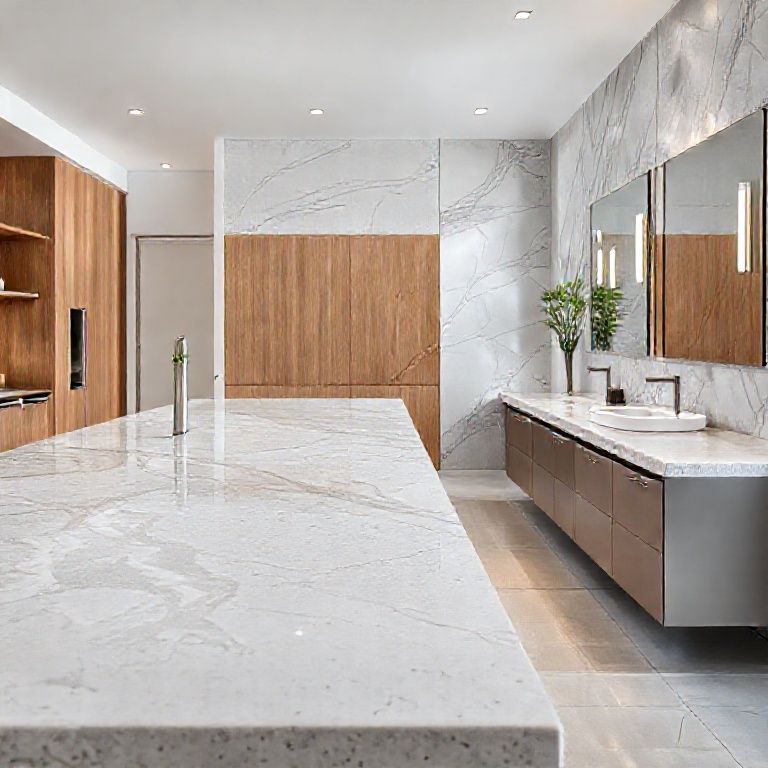
Versatile Design Options: With kitchen refacing, you have a wide range of design options. From modern and sleek to traditional and rustic, you can choose materials and finishes that match your personal style and preferences.
Choosing the Right Materials
Selecting the right materials for your kitchen reface is crucial to achieving the look and durability you desire. Here are some popular options:
PVC and Plywood: These materials are cost-effective and come in a variety of colors and patterns. They are durable and easy to clean, making them ideal for high-traffic areas.
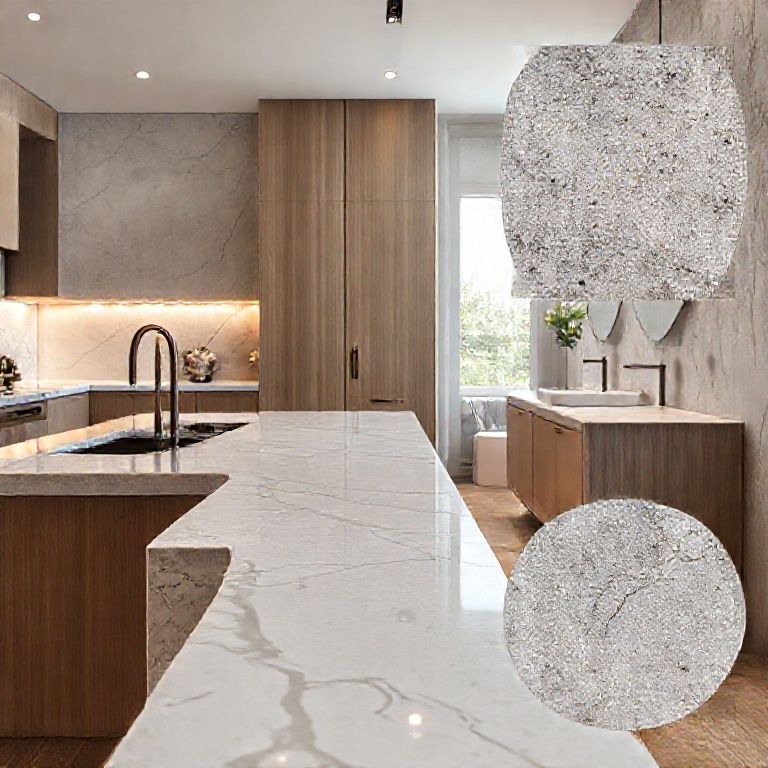
MDF (Medium-Density Fiberboard): MDF panels offer a smooth, polished finish that looks like wood. They are available in a wide range of colors and finishes and are relatively affordable.
Laminate: Laminate is another popular choice for kitchen refacing due to its affordability and ease of installation. It is also resistant to stains and scratches, providing a long-lasting finish.
Quartz and Granite: For a more luxurious look, consider quartz or granite. These materials offer a sleek, modern appearance and are highly durable. They can be a bit more expensive but provide excellent value in terms of longevity and style.
Design Considerations
When planning your kitchen reface project, there are several design considerations to keep in mind to ensure a cohesive and stylish result.
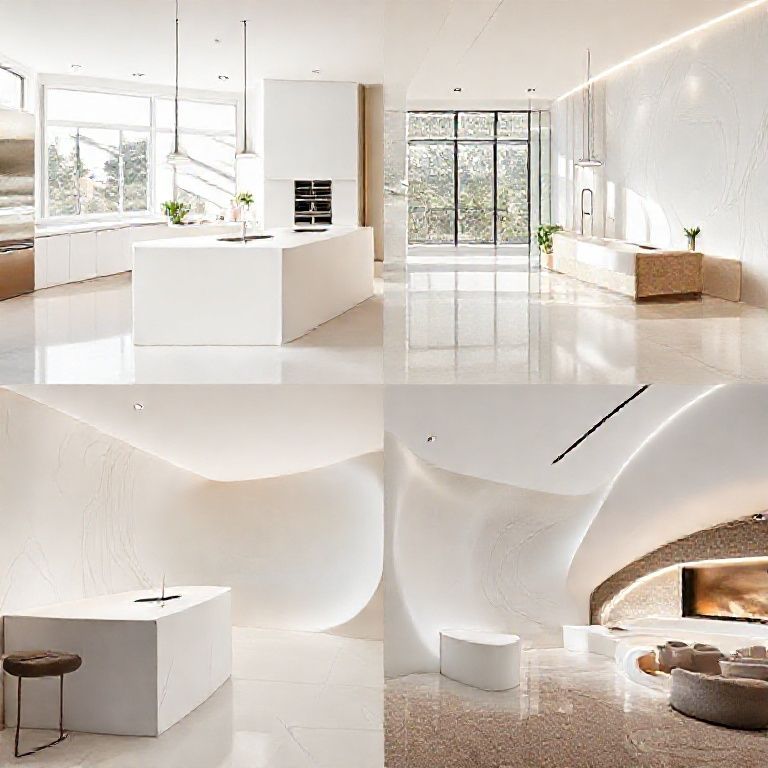
Color Scheme: Choose a color scheme that complements your existing kitchen and overall home decor. Neutral colors like whites, grays, and beiges offer a timeless look, while bold colors can make a striking statement.
Style and Finish: Decide on a style that fits your aesthetic. Modern styles often feature clean lines and minimalist designs, while traditional styles may incorporate more ornate details and textures.
Hardware: The hardware you choose can make a significant impact on the overall look of your kitchen. Consider matching your hardware to your new cabinet faces for a seamless appearance.
Functionality: While aesthetics are important, don’t overlook functionality. Ensure that the new design accommodates your cooking and meal prep needs. Adjustable shelves, pull-out drawers, and ample counter space are all important features to consider.
Planning Your Project
Successfully refacing your kitchen starts with careful planning. Here are some steps to guide you through the process:
Measure Your Cabinets: Accurate measurements are crucial for ordering the right materials. Take precise measurements of each cabinet door to ensure a perfect fit.
Design Mock-Ups: Before ordering, create mock-ups of your new cabinet faces. This can help you visualize the final result and make any necessary adjustments before installation.
Budgeting: Determine your budget and stick to it. Keep in mind that while refacing is cost-effective, there are still expenses involved in materials, labor, and any additional features you might want to add.
Hiring Professionals: Depending on your comfort level and the complexity of your project, you might choose to hire professionals to handle the installation. Experienced contractors can ensure a smooth and efficient process.
Conclusion to Part 1
Kitchen refacing is a fantastic way to breathe new life into your kitchen with minimal hassle and expense. By carefully selecting materials and design elements that fit your style and needs, you can create a modern, functional, and beautiful kitchen space. In the next part, we’ll delve deeper into the installation process, maintenance tips, and additional upgrades you can consider to complement your refaced kitchen.
Installation Process and Tips
Once you’ve selected your materials and design, it’s time to move on to the installation process. Whether you’re doing the job yourself or hiring professionals, here’s a detailed look at what to expect.
Step-by-Step Installation
Preparation: Begin by cleaning the surfaces of your cabinets to ensure a smooth application of the new panels. Remove any old hardware and clean the cabinet doors to remove any dirt, grease, or old adhesive.
Cutting Panels: If you’re using materials like PVC or MDF, you’ll need to cut the panels to fit each cabinet door. Use a template to ensure accurate cuts and a seamless look. For laminate, pre-cut panels are typically available to make installation easier.
Applying Adhesive: Apply a strong adhesive to the back of each panel. Use a caulk gun for precise application and ensure an even, thick layer to hold the panels securely.
Attaching Panels: Carefully place each panel onto the cabinet door and press down firmly to ensure it adheres properly. Use a rubber mallet to gently tap the panels into place, ensuring there are no air bubbles.
Reattaching Hardware: Once the panels are securely in place, reattach any hardware such as knobs, handles, and hinges. Ensure everything fits properly and functions smoothly.
Finishing Touches: Clean up any excess adhesive and allow the panels to dry completely according to the manufacturer’s instructions. Once dry, your new cabinet faces will be ready for use.
Maintenance Tips
Proper maintenance is essential to keep your refaced kitchen looking great for years to come. Here are some tips to help you maintain your new cabinets:
Cleaning: Regularly clean your cabinets with a mild soap and water solution. For laminate and MDF surfaces, avoid using harsh chemicals that could damage the finish.
Stain Protection: For materials like quartz and granite, apply a protective sealant periodically to maintain their durability and shine.
Avoid Heat Sources: Place trivets or heat shields on the cabinet doors when using the oven or microwave to prevent heat damage.
Regular Inspections: Check for any signs of damage or loose panels and address them promptly to prevent further issues.
Additional Upgrades for Your Refaced Kitchen
A refaced kitchen can be the foundation for a more extensive and functional kitchen upgrade. Here are some additional ideas to enhance your space:
Backsplash Upgrade: Consider upgrading your backsplash to complement your refaced cabinets. Tile, glass, or stone backsplashes can add a splash of color and texture to your kitchen.
Cabinetry Enhancements: If your cabinet interiors are still in good condition, consider adding new hardware such as drawer slides, pull-out organizers, and under-cabinet lighting to improve functionality.
Countertop Replacement: While refacing the cabinets can give your kitchen a fresh look, replacing the countertops with materials like granite, quartz, or stainless steel can further elevate the overall aesthetic.
Island Renovation: If you have a kitchen island, consider refacing it as well. This can create a cohesive look and provide additional counter space for meal prep and dining.
Lighting: Upgrade your kitchen lighting to brighten the space and highlight your new cabinets. Pendant lights over the island and under-cabinet lighting can create a warm and inviting atmosphere.
Conclusion
Kitchen refacing is an excellent way to modernize your kitchen without the high cost and disruption of a full remodel. By carefully selecting the right materials and design, and following proper installation and maintenance practices, you can achieve a beautiful and functional kitchen space. Additionally, consider integrating further upgrades to create a truly cohesive and modern kitchen.
Transforming your kitchen through refacing is an exciting project that can make a significant impact on your daily life and the overall value of your home. Start planning your kitchen reface project today and enjoy a fresh, modern kitchen that reflects your personal style and meets your functional needs.